



The Decoupling of Tampa from National Real Estate Trends
While many high-end markets across the United States have faced stagnation due to shifting interest rate environments, the Tampa luxury sector continues to demonstrate a unique resilience. Recent data indicates that the region is experiencing a decoupling from national trends, sustained by a significant influx of domestic capital and a professional class relocating from higher-tax jurisdictions. This is not a temporary surge but rather a fundamental shift in how the city is perceived by institutional investors and private equity. The market remains robust, with the luxury segment growing stronger even as other regions see consistent declines in volume and pricing stability.
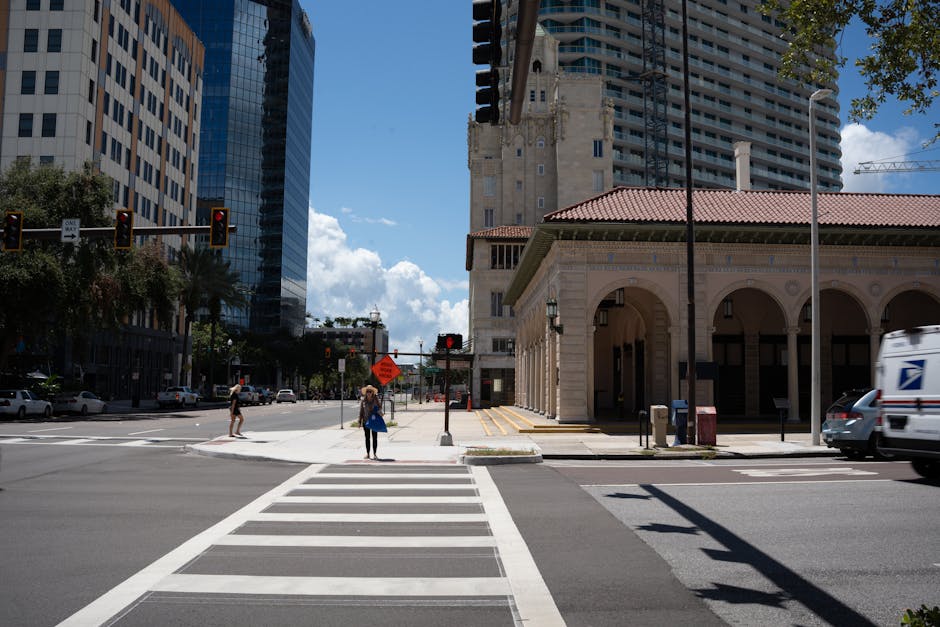
A critical factor in this movement is the $675 million surge in investment that has recently positioned the city as Florida’s new luxury investment capital. According to insights from Haute Residence, this capital injection has accelerated the development of high-specification residential projects that cater to a more discerning global audience. Buyers are no longer viewing the area as a secondary retirement destination but as a primary hub for wealth preservation and professional growth. This shift into a primary market status is reflected in the current inventory of approximately 120 active luxury listings, where the average list price has climbed to $3,261,429.
Senior advisors observe that the motivation for acquisition has changed. The emphasis is now on long-term utility, architectural integrity, and proximity to the city’s expanding corporate footprint. As the urban core densifies, particularly around Water Street and the Westshore district, the demand for high-caliber estates has created a supply-constrained environment that favors early-entry buyers. Understanding these underlying mechanics is essential for any participant looking to deploy capital effectively in the current landscape.

Waterfront Dominance and the Evolution of South Tampa Sub-Markets
The distinction between waterfront and inland properties has never been more pronounced in terms of valuation and long-term appreciation potential. Tampa’s waterfront is emerging as a primary luxury real estate market, as noted by the National Law Review. Areas like Davis Islands and Harbor Island continue to command premium pricing due to their limited shoreline availability and deep-water access. For many buyers, the ability to moor a vessel while remaining within a ten-minute commute of the central business district is the primary driver of value.
In South Tampa, the market is maturing beyond traditional single-family residential norms. We are seeing a rise in high-specification townhomes and mixed-use developments that offer the privacy of a detached home with the convenience of an urban lifestyle. For example, newly built luxury townhomes in the South End have recently entered the market, providing an alternative for those who prioritize modern construction over historical renovations. This sub-market evolution is critical for buyers to monitor, as it provides a entry point into highly desirable school districts and established neighborhoods without the maintenance overhead of a legacy estate.
Furthermore, the scarcity of land in Beach Park and Culbreath Isles has led to an increase in teardown activity. Buyers are increasingly comfortable paying significant premiums for older structures with the intention of commissioning custom builds. This behavior indicates a strong belief in the future ceiling of the market. When evaluating properties on Troutwater Lane or larger land holdings on Memorial Highway, sophisticated investors are looking past current improvements and focusing on the intrinsic value of the parcel’s positioning within the broader metropolitan master plan.
Vertical Expansion: Navigating the Early-Stage Condo Sector
While Miami has long been the epicenter of Florida’s high-rise living, Tampa is currently in the early stages of its own luxury condo market expansion. This phase represents a unique opportunity for buyers who prefer the security and amenities of vertical living but wish to avoid the oversaturation seen in other South Florida cities. The current development pipeline is focused on low-density, high-service buildings that emphasize privacy and architectural distinction. Senior advisors often highlight that the ‘lock-and-leave’ lifestyle is becoming a preferred option for the growing demographic of seasonal residents and executive commuters.
The maturity of the condo sector is being accelerated by the success of Water Street and the Ritz-Carlton Residences on Bayshore Boulevard. These projects have set new benchmarks for price per square foot, proving that there is a deep appetite for five-star service and integrated wellness facilities within the residential experience. However, because this sector is still evolving, buyers must be diligent in comparing homeowner association (HOA) structures, reserve fund health, and the long-term viability of promised amenity packages. The delta between a standard high-rise and a true luxury branded residence is significant and must be quantified during the due diligence process.
As noted in recent reports by The Business Journals, the regional market’s strength is bolstered by this diversification of property types. The condo market provides a necessary buffer for the overall ecosystem, attracting a different buyer profile than the traditional waterfront estate. This multi-layered demand is a hallmark of a primary market, ensuring that the luxury sector remains active across various price points and lifestyle preferences even during broader economic shifts.
Crucial Verification Steps for High-Value Acquisitions
Buying at the $2,500,000 median list price or above requires a rigorous approach to verification that extends beyond a standard home inspection. In the Tampa market, environmental factors and local zoning regulations play a disproportionate role in the long-term viability of an investment. A sophisticated buyer should treat the acquisition as a business transaction, employing a team of advisors to audit the physical and legal standing of the asset. The goal is to identify potential friction points before they manifest as liabilities after the closing date.
- Verify current flood zone designations and the impact of the latest FEMA map revisions on insurance premiums.
- Analyze riparian rights and dock permitting history for all waterfront properties to ensure future utility.
- Review neighborhood-specific covenants and restrictions that may limit exterior modifications or rental possibilities.
- Assess the structural integrity of seawalls and drainage systems, which represent significant capital expenditure risks.
- Examine the property’s tax history and project the impact of the Save Our Homes assessment caps for new owners.
- Confirm the proximity of planned infrastructure projects or commercial developments that could alter neighborhood character.
Each of these points requires a specific expertise. For instance, understanding the nuances of a seawall’s remaining life can prevent a six-figure surprise three years into ownership. Similarly, verifying that a property on Davis Islands complies with the latest building height and setback requirements is essential for those planning a future expansion. The checklist above serves as a baseline for the level of scrutiny required when navigating a market where the average sale price continues to exceed historical norms. Taking a methodical approach ensures that the acquisition aligns with both lifestyle goals and financial objectives.
Capital Influx and the Economic Drivers of Appreciation
The acceleration of the Tampa luxury market is deeply tied to the city’s economic diversification. We are no longer solely dependent on tourism and hospitality; the rise of the fintech, cybersecurity, and healthcare sectors has created a stable foundation for high-end residential demand. When a market sees a $675 million surge in investment capital, it signals that the professional infrastructure is maturing. This attracts even more high-net-worth individuals who require sophisticated housing that matches the standards they have experienced in New York, London, or San Francisco.
Institutional confidence is also visible in the public sector. Large-scale improvements to the urban core and the expansion of the international airport have made the region more accessible and livable for global citizens. Buyers should look at these infrastructure investments as leading indicators of residential appreciation. A city that is actively investing in its own growth is one where real estate values are likely to remain on an upward trajectory. The presence of world-class festivals and cultural events, such as those covered by That’s So Tampa, further enhances the desirability of the region, transforming it into a year-round destination rather than a seasonal escape.
This cultural and economic maturity is what transforms a ‘lifestyle market’ into a ‘primary market.’ In a primary market, real estate is an asset class that is traded based on fundamental value rather than speculative hype. For the senior buyer advisor, the focus is on identifying properties that sit at the intersection of these economic drivers—homes that offer not just prestige, but strategic positioning within a growing metropolis. This is why we see consistent demand in neighborhoods like Hyde Park and Bayshore, where historical significance meets modern infrastructure.
Market Velocity and Inventory Realities for Spring 2026
As we move through April 2026, the inventory of 120 luxury properties is relatively tight given the volume of active buyers in the market. With a median list price of $2,499,000, the competition for well-maintained estates in prime South Tampa locations remains high. We are observing that properties priced accurately and presented at a high standard are moving quickly, often before they are widely publicized. This underscores the importance of having a direct line to off-market opportunities and pocket listings that may not be visible on standard search platforms.
The weather this month, with temperatures ranging from a high of 29 degrees to a low of 14 degrees Celsius, provides an ideal environment for property tours and site inspections. This temperate spring window is traditionally the most active period for the luxury sector, as buyers look to finalize acquisitions before the summer season. Understanding the current velocity is critical; buyers who hesitate on a high-conviction property often find themselves back in a search process that can last several months due to the limited supply of premium inventory. It is a market that rewards preparation and decisive action.
Analyzing the average list price of $3,261,429 reveals a significant concentration of ultra-luxury offerings above the $5 million mark. This ‘upper-tier’ segment is where we see the most innovation in terms of design and technology. From integrated smart-home systems to advanced sustainable building materials, the homes at the top of the market are setting the standard for the entire region. For those navigating this space, the challenge is not just finding a home, but finding one that will remain relevant as building standards and buyer expectations continue to evolve at a rapid pace.
Decisions Rooted in Long-Term Utility and Appreciation
Ultimately, the decision to acquire luxury real estate in Tampa should be viewed through the lens of both lifestyle utility and asset performance. The city has moved past its ’emerging’ phase and is now a established player on the national stage. Buyers should compare properties based on their intrinsic qualities—location, construction quality, and architectural timelessness—rather than temporary market sentiment. The data suggests that the region’s growth is sustainable, supported by a diverse economy and a consistent influx of high-earning residents who are committed to making the area their primary home.
By focusing on decision-useful guidance and practical takeaways, buyers can navigate the 120 available listings with confidence. Whether you are looking at a modern estate on Troutwater Lane or a significant land holding on Memorial Highway, the fundamentals of the market remain in your favor. The shift into a primary market status provides a level of price stability and liquidity that was not present a decade ago. It is a sophisticated landscape that requires a sophisticated approach, moving beyond surface-level aesthetics to understand the true value of the underlying asset.
For those ready to explore the current inventory and secure a position in this growing market, the time for strategic planning is now. We invite you to browse our curated luxury homes for sale and connect with a senior advisor who can provide the neighborhood-level implications and analytical briefs required for a successful acquisition. To schedule a private consultation and discuss your specific requirements, please contact our office directly. Our team is prepared to guide you through every stage of the transaction with the precision and discretion that your investment deserves.
Your next move in Tampa luxury
Get current inventory, pricing guidance, and private-tour support from our brokerage team.
Source highlights
- Newly Built Luxury Townhome in Tampa's South End Hits Market – National Today
- Tampa Bay’s most expensive luxury home sales of 2025 – Tampa Bay Times
- Tampa Bay luxury market grows stronger despite national declines – The Business Journals
- Why Tampa remains an early-stage luxury condo market – Tampa Bay Business & Wealth
- Tampa Bay’s Waterfront Emerges as a Primary Luxury Real Estate Market – The National Law Review
- Inside Tampa’s $675 Million Surge: How the City Became Florida’s New Luxury Investment Capital – hauteresidence.com
- Things To Do In Tampa This Weekend: Best Festivals & Events Going On – That's So Tampa
- City officials expect heavy traffic in Tampa amid an event-packed weekend – wtsp.com



