



The Current State of Tampa’s High-End Property Sector
Tampa’s premium real estate sector continues to demonstrate resilience, operating independently of broader national trends. While other metropolitan areas experience corrections, the local environment remains fiercely competitive for prime assets. Buyers entering the arena today face a constrained inventory, with approximately 120 active high-end listings defining the landscape. The median entry point hovers near $2.49 million, while the average acquisition requires navigating a $3.29 million threshold. This sustained strength requires a tactical approach, favoring buyers who arrive prepared with clear parameters and secured capital.
The velocity of transactions in desirable enclaves, such as South Tampa and Davis Islands, leaves little margin for hesitation. Properties positioned correctly on streets like Gardner Road or Memorial Highway attract immediate attention from both domestic relocations and local portfolio expansions. Recent analysis confirms that the Tampa Bay luxury market grows stronger despite national declines, driven by sustained corporate migration and a fundamental shift in buyer demographics. This structural change means historical pricing models often fail to capture current market realities.
As you evaluate the terrain, recognize that the definition of luxury here is diversifying. Beyond traditional estates, we are seeing significant movement in modern architectural builds and extensively renovated historic properties. Navigating this environment requires looking beyond the superficial finish level to understand the intrinsic value of the dirt, the quality of the infrastructure, and the long-term viability of the surrounding neighborhood block by block.

The influx of sophisticated capital from high-tax jurisdictions has permanently altered the baseline expectations for quality and finish. Developers and sellers are responding by pushing the boundaries of architectural design and technological integration. Properties that fail to meet these elevated standards, regardless of their location, are experiencing extended market times. Understanding this dichotomy between pristine, turnkey assets and properties requiring modernization is crucial for accurately pricing offers and identifying true market value.
Evaluating Waterfront and Neighborhood Premiums
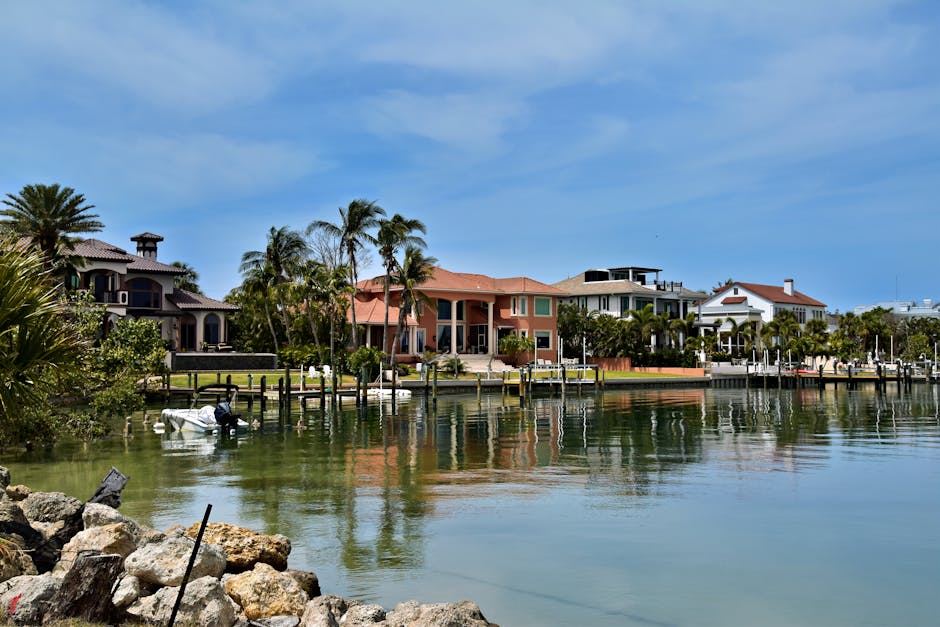
In coastal Florida, proximity to water dictates the baseline valuation, but not all waterfront is created equal. Open bay views command the highest premium, followed closely by deep-water canals offering unobstructed Gulf access. When assessing these properties, the focus must shift immediately to the structural defenses: the age and condition of the seawall, the elevation of the primary living level, and the specifications of the dockage. A pristine interior cannot offset deferred maintenance on marine infrastructure.
Inland enclaves like Parkland Estates or Culbreath Isles offer a different value proposition, prioritizing lot scale, mature canopy, and architectural pedigree. Here, the premium is placed on privacy and proximity to elite academic institutions and commercial corridors. The analysis shifts from marine considerations to zoning constraints, setback regulations, and the potential for future expansion. Buyers must weigh the immediate gratification of a turnkey property against the long-term equity potential of a well-located asset requiring modernization.
Furthermore, hyper-local events frequently impact accessibility and desirability. For instance, city officials often prepare for heavy traffic amid event-packed weekends in the downtown core and surrounding arterial roads. Understanding these micro-geographic traffic patterns is essential when selecting a primary residence. A secluded estate on Troutwater Lane may offer tranquility, but the logistical realities of the daily commute dictate its functional value.
Beyond accessibility and elevation, the prevailing insurance landscape must factor heavily into your neighborhood selection. Recent legislative adjustments and shifting risk models have significantly impacted premium costs for specific geographical pockets. A comprehensive acquisition strategy involves securing preliminary insurance quotes during the initial evaluation phase, ensuring the long-term carrying costs align with the overall investment profile.
Key Verifications for High-Value Asset Purchases
Acquiring a premium property demands rigorous due diligence that extends far beyond standard inspections. The aesthetic appeal of a custom build often masks complex systemic issues that only specialized evaluation can uncover. Engaging structural engineers, environmental consultants, and specialized marine contractors is not optional; it is a fundamental requirement for protecting your capital. You are not simply buying a residence; you are acquiring a complex mechanical and structural system designed to withstand sub-tropical conditions.
Before finalizing any contract, an exhaustive review of the property’s regulatory and environmental standing must be conducted. This includes verifying all unpermitted work, understanding the nuances of the local flood zone designations, and confirming the insurability of the asset under current market conditions. The following critical verifications should form the core of your due diligence protocol:
- Comprehensive seawall and dock inspection by a licensed marine contractor.
- Verification of FEMA flood elevation certificates and current insurance viability.
- Audit of all municipal permits for recent renovations or structural additions.
- Detailed assessment of the HVAC systems, focusing on humidity control and capacity.
- Review of boundary surveys to identify potential encroachments or easement conflicts.
- Analysis of the roof’s wind mitigation features and remaining structural lifespan.
Securing this data allows you to negotiate from a position of absolute strength. If discrepancies arise between the seller’s disclosures and the empirical findings, you possess the leverage to demand remediation, adjust the acquisition price, or walk away entirely. In this tier of the market, emotional attachment to a property must always remain subordinate to analytical verification.
Assessing the Condominium vs. Single-Family Landscape
The vertical living sector in Tampa has matured rapidly, offering alternatives for buyers seeking low-maintenance assets with extensive amenities. High-rise developments along Bayshore Boulevard and the Water Street district cater to a demographic prioritizing walkability and security over acreage. However, industry analysis highlights why Tampa remains an early-stage luxury condo market compared to established hubs like Miami. This presents both opportunity and risk; early adoption in premium towers can yield significant appreciation, but requires careful vetting of the developer’s capitalization and the association’s reserve funds.
Evaluating a condominium requires scrutinizing the financial health of the building just as rigorously as the unit itself. Prospective buyers must demand recent structural milestone inspection reports, review the history of special assessments, and analyze the long-term funding plan for deferred maintenance. A seemingly attractive entry price can quickly degrade if the association faces imminent, unfunded liabilities for roof replacement or concrete restoration.
Conversely, the single-family estate offers autonomy and absolute control over the asset. Yet, it shifts the entire burden of maintenance, security, and capital improvements onto the owner. The decision between vertical and horizontal living should be dictated by your anticipated holding period, your tolerance for active asset management, and your utilization patterns. A pied-à-terre requires fundamentally different criteria than a primary generational compound.
Bridging the gap between condominiums and detached estates, luxury townhomes are increasingly prevalent in highly sought-after urban cores. The recent announcement that a newly built luxury townhome in Tampa’s South End hits the market underscores developer focus on this hybrid asset class. These structures offer multi-level living and private garages, appealing to buyers who desire a residential feel without the extensive grounds maintenance required by a traditional home.
Structuring Your Search and Defining Value
Navigating a market where average list prices exceed three million dollars requires moving beyond algorithmic valuations. Publicly available estimates are notoriously inaccurate in the high-end sector, as they cannot account for bespoke finishes, specific view corridors, or micro-neighborhood dynamics. Defining true value requires comparing a property not just to recent closed sales, but to the current alternative options available to a buyer at that exact moment.
Your search must be hyper-focused and highly structured. Establish rigid parameters regarding architectural style, minimum acreage, and required infrastructure, but maintain flexibility regarding specific neighborhoods. The ideal property may be situated just outside your initial target perimeter. Engage with the market analytically: track days on market, monitor price adjustments, and understand the seller’s motivation. A property languishing on the market is not necessarily flawed; it may simply be positioned incorrectly for the current demand curve.
Furthermore, consider the cost and timeline of customization. Sourcing premium materials and securing elite contractors in Tampa requires significant lead time. Purchasing a turnkey property at a premium often proves more cost-effective than attempting a comprehensive renovation on a discounted asset, especially when factoring in carrying costs and the friction of construction management.
Moving Forward with Strategic Intent
Success in Tampa’s premium sector demands a disciplined approach, rigorous verification, and a clear understanding of your specific objectives. The landscape is complex, driven by distinct neighborhood dynamics and evolving structural requirements. Whether evaluating a sprawling waterfront estate or a high-level condominium, the foundation of a sound acquisition rests on empirical data and experienced analysis rather than emotion.
Our role is to provide the critical context necessary to evaluate these assets accurately. We analyze the variables that dictate long-term value, from municipal zoning shifts to micro-economic indicators, ensuring your capital is deployed effectively.
The next phase requires reviewing the current active inventory against your specific criteria. We invite you to explore the latest opportunities and analyze the active market data by reviewing our curated Tampa luxury homes for sale. When you are prepared to transition from observation to acquisition, we encourage you to contact our advisory team to schedule a confidential consultation.
Your next move in Tampa luxury
Get current inventory, pricing guidance, and private-tour support from our brokerage team.
Source highlights
- Newly Built Luxury Townhome in Tampa's South End Hits Market – National Today
- Tampa Bay’s most expensive luxury home sales of 2025 – Tampa Bay Times
- Tampa Bay luxury market grows stronger despite national declines – The Business Journals
- Jennifer Zales Unveils Venetian Isles Waterfront Luxury Now Offered At A New Price – Haute Living
- Why Tampa remains an early-stage luxury condo market – Tampa Bay Business & Wealth
- New Signature Real Estate Team Emerges Across Tampa Bay: The Nick Janovsky Group Launches with Premier Sotheby’s International Realty – citybiz
- City officials expect heavy traffic in Tampa amid an event-packed weekend – wtsp.com
- Tampa Bay Weekend Events Guide – WMNF 88.5 FM



