


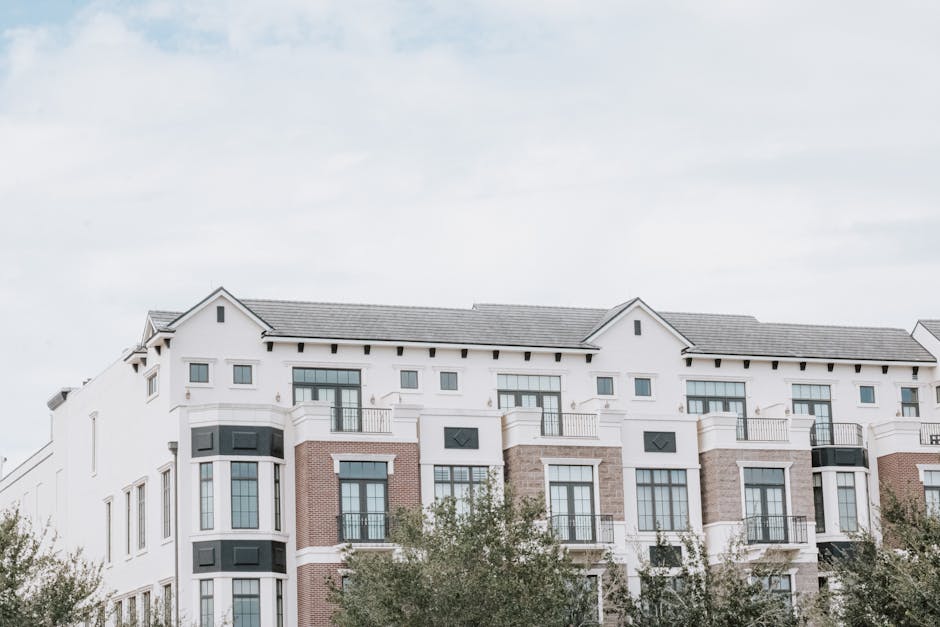
The 2026 Benchmark: Defining Value in Tampa’s High-End Sector
The Tampa luxury real estate market has entered a phase of sophisticated stabilization in 2026. While other major Florida metros have seen volatile fluctuations, Tampa continues to exhibit a resilient growth trajectory. Current data indicates a median list price of approximately $2,272,925 for luxury properties, with the average reaching toward $2,980,421. This pricing floor reflects a shift from speculative buying to long-term wealth preservation. Institutional investors and private buyers alike are prioritizing assets that offer both architectural significance and proximity to the city’s expanding commercial hubs.
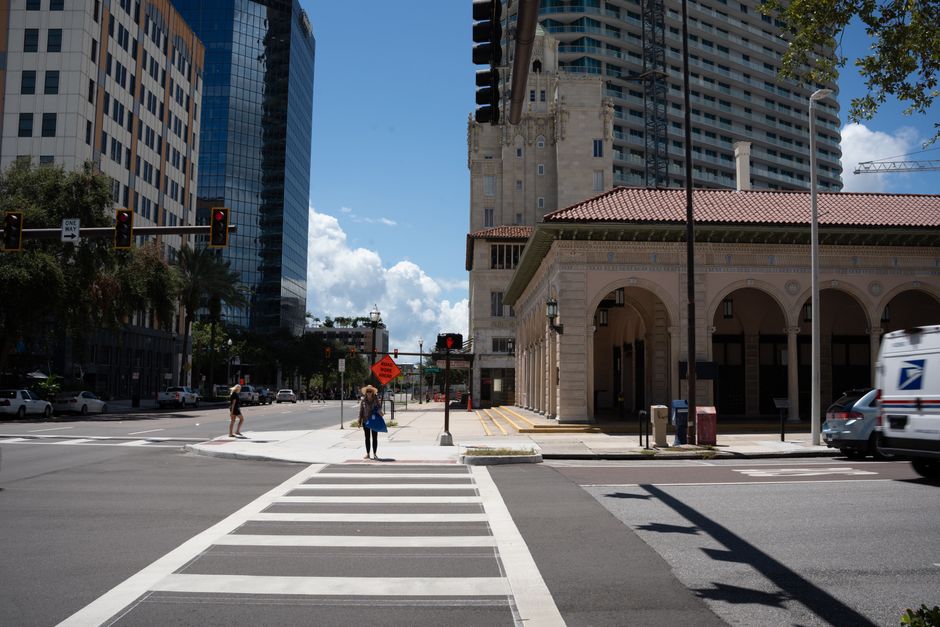
Inventory levels remain tightly managed, with approximately 120 active luxury listings currently available. This scarcity maintains a competitive environment where well-positioned properties—such as those on North Grady Avenue or the substantial commercial-residential hybrid opportunities on West Dr Martin Luther King Jr Boulevard—often command premiums. According to recent reporting by The Business Journals, the local market has grown stronger despite national headwinds, largely due to sustained domestic migration of high-net-worth individuals from the Northeast and Midwest who are seeking a combination of tax efficiency and high-quality infrastructure.
For the strategic buyer, the current market requires a focus on specific property types rather than broad geographic assumptions. Residential estates, commercial sales, and prime land acquisitions are the three pillars currently supporting the high-end sector. Understanding the nuances between a turnkey waterfront residence and a legacy estate requiring modernization is critical for accurate valuation. As we navigate the remainder of 2026, the emphasis remains on transparency in pricing and the clarity of the asset’s long-term utility.
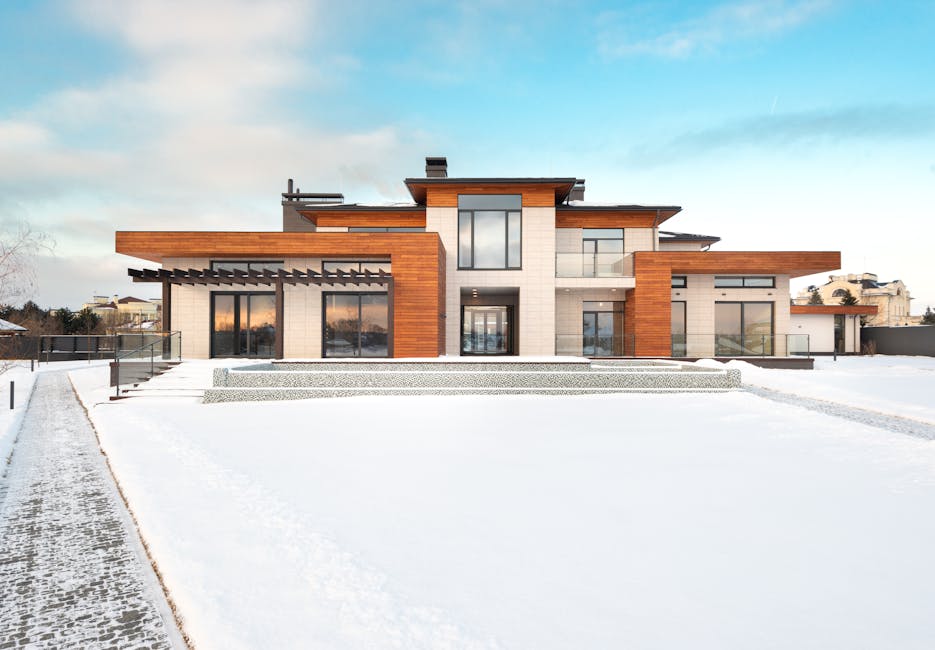
Neighborhood Trajectories: From Historic Anchors to Emerging Hubs
South Tampa remains the primary magnet for luxury capital, anchored by the enduring prestige of Davis Islands and Hyde Park. These areas continue to set local price records, with recent sales demonstrating a significant appetite for modern Mediterranean and contemporary coastal designs. The historical context of these neighborhoods provides a layer of value that is difficult to replicate in newer developments. Buyers in these districts are not just purchasing a home; they are acquiring a position within the city’s most established social and economic fabric.
However, we are observing a notable expansion of the luxury perimeter. Areas like Westshore and the corridors adjacent to the downtown core are seeing a surge in high-end redevelopment. This movement is driven by a desire for walkability and immediate access to Tampa’s premier dining and professional services. The Tampa Bay Times recently highlighted that the most expensive home sales of the past year have increasingly occurred in pockets previously considered secondary, signaling a broader distribution of wealth across the city’s footprint.
Bayshore Boulevard continues to serve as the city’s visual and economic spine. Properties along this iconic thoroughfare maintain some of the highest price-per-square-foot metrics in the region. The appeal lies in the unobstructed water views and the linear park system that defines the waterfront. For those evaluating long-term appreciation, the historical stability of Bayshore makes it a lower-risk entry point compared to more speculative fringe neighborhoods.
Vertical Living: Analyzing the Premium Condominium Expansion
Tampa is currently navigating what experts call an early-stage luxury condo market. Unlike the saturated high-rise corridors of Miami, Tampa’s vertical growth is focused on boutique, high-service developments that cater to a discerning local demographic. This sector is particularly attractive to those transitioning from large estates in areas like Avila or Culbreath Isles who wish to maintain a high standard of living without the maintenance burden of a traditional single-family home.
The integration of five-star hospitality services into residential buildings is a defining trend of 2026. Buyers are increasingly prioritizing amenities such as 24-hour concierge, private wellness centers, and climate-controlled storage. As noted by Tampa Bay Business & Wealth, the condo market remains a critical area for investors to watch as the city matures into a global destination. These developments are not just housing solutions; they are lifestyle platforms that reflect the changing preferences of the affluent buyer.
Potential purchasers should scrutinize the track record of developers and the long-term viability of homeowners’ associations. In a maturing market, the quality of construction and the health of the building’s reserve funds are as important as the view from the penthouse. We recommend a deep dive into the specific floor plans and common area designs to ensure they align with modern privacy requirements and functional needs.
Strategic Due Diligence Checklist for Tampa Acquisitions
Navigating a luxury purchase requires a structured approach to verification and risk assessment. Use the following points to guide your preliminary evaluation of any high-end asset in the Tampa market:
- Verify the current elevation and flood zone status, accounting for the latest municipal updates to insurance requirements.
- Analyze the proximity to major commercial developments and their projected impact on local traffic and noise levels.
- Assess the age and efficiency of critical systems, specifically focusing on HVAC and roofing in the Florida humidity.
- Review the historical zoning of adjacent parcels to mitigate the risk of future construction obstructing views or privacy.
- Evaluate the property’s short-term rental restrictions and local homeowner association bylaws.
- Examine the record of recent comparable sales within a narrow radius to ensure the list price aligns with actual market movement.
Commercial Interconnectivity and Residential Stability
The synergy between commercial real estate growth and residential values in Tampa cannot be overstated. The influx of corporate headquarters and the expansion of the technology sector have created a stable base of high-income professionals who support the luxury housing market. This economic diversification provides a buffer against the boom-and-bust cycles seen in other Florida regions. According to Bisnow, the ability of commercial real estate to navigate housing deals is a key indicator of the city’s overall financial health.
As mixed-use developments become the norm, the boundary between where people work and where they live is blurring. This is particularly evident in the downtown and Channel District areas, where luxury residential towers are integrated with premium office spaces and retail. For the investor, this means that residential value is increasingly tied to the commercial success of the surrounding micro-neighborhood. Analyzing the tenant mix of nearby commercial projects is now a standard part of the residential due diligence process.
Furthermore, the development of affordable and workforce housing in adjacent areas is actually a positive signal for the luxury market. A balanced ecosystem ensures that the city remains functional and attractive for the service and professional sectors that luxury homeowners rely upon. Strategic buyers look for neighborhoods that demonstrate this kind of long-term urban planning and economic resilience.
Cultural Infrastructure as a Value Driver
Luxury real estate values are inextricably linked to the cultural and recreational infrastructure of a city. Tampa has seen significant investment in its arts and entertainment sectors, which enhances the desirability of nearby residential enclaves. From the Straz Center for the Performing Arts to the growing Riverwalk, these amenities provide a quality of life that justifies premium real estate pricing. Cultural events, such as the upcoming performances of Wicked and Broadway Unhinged, highlight the city’s status as a regional hub for the arts.
The proximity to professional sports venues and high-end retail districts like International Plaza further solidifies Tampa’s appeal. For many buyers, the ability to access these venues within a 15-minute drive is a non-negotiable requirement. This ‘convenience premium’ is a major factor in the valuation of South Tampa and Westshore properties. As the city continues to host world-class events, the global visibility of the Tampa brand increases, attracting further international interest in the local housing stock.
Educational institutions and healthcare facilities also play a pivotal role. The presence of top-tier schools and the expanding medical district downtown provide a foundation of stability for families and retirees alike. When evaluating a property, consider the strength of these local institutions as they often dictate the floor of the market during broader economic shifts. A neighborhood with strong cultural and civic anchors is always a more secure investment.
Risk Management and Long-Term Market Positioning
In the current 2026 climate, risk management is as important as capital appreciation. While the headline figures for Tampa are impressive—including a record-breaking $115 million estate listing—most buyers are operating in the $2 million to $10 million range. In this segment, the focus should be on liquidity. Properties with unique architectural flaws or those located in areas with uncertain infrastructure plans may face challenges in a more discerning market.
We advise buyers to consider the ‘exit strategy’ even before acquisition. A property that appeals to a broad segment of the high-net-worth demographic—such as a modern farmhouse in Palma Ceia or a renovated classic on Davis Islands—will always maintain higher liquidity than a highly idiosyncratic build. Diversification within the Tampa market, perhaps by holding both a primary waterfront residence and a strategic land parcel, can also mitigate localized risks.
The future of Tampa luxury real estate is one of continued maturation. As the city moves away from its ’emerging market’ status and into a ‘primary market’ designation, the opportunities for significant undervalued acquisitions will diminish. Now is the time for decisive action based on rigorous data and expert local insight. By focusing on quality, location, and economic synergy, buyers can position themselves to benefit from Tampa’s ongoing transformation.
To navigate these complexities effectively, it is essential to have access to the most current inventory and a dedicated advisory team. We invite you to explore the latest luxury homes for sale and gain a deeper understanding of current market values. For a tailored analysis of your specific acquisition goals or to discuss the positioning of your current assets, please contact an advisor today. Our team provides the analytical depth and local expertise required to make informed decisions in Tampa’s premier real estate sector.
Your next move in Tampa luxury
Get current inventory, pricing guidance, and private-tour support from our brokerage team.
Source highlights
- How Commercial Real Estate Can Navigate Tampa Bay Housing Deals, From Affordable To Luxury – Bisnow
- Luxury home prices are surging fastest in these 7 U.S. cities in 2026 – qz.com
- Tampa Bay luxury market grows stronger despite national declines – The Business Journals
- Tampa Bay’s most expensive luxury home sales of 2025 – Tampa Bay Times
- Tampa’s Price Record Is $22.5 Million. This Huge Estate Is Asking $115 Million. – WSJ
- Why Tampa remains an early-stage luxury condo market – Tampa Bay Business & Wealth
- Tampa Bay area events this weekend: A 'Wicked' performance, Broadway Unhinged and cliff diving – WUSF
- Tampa weekend events: Concerts, festivals and downtown family fun — What to know before you go – FOX 13 Tampa Bay


