


The New Benchmark: Tampa’s $2.2 Million Median
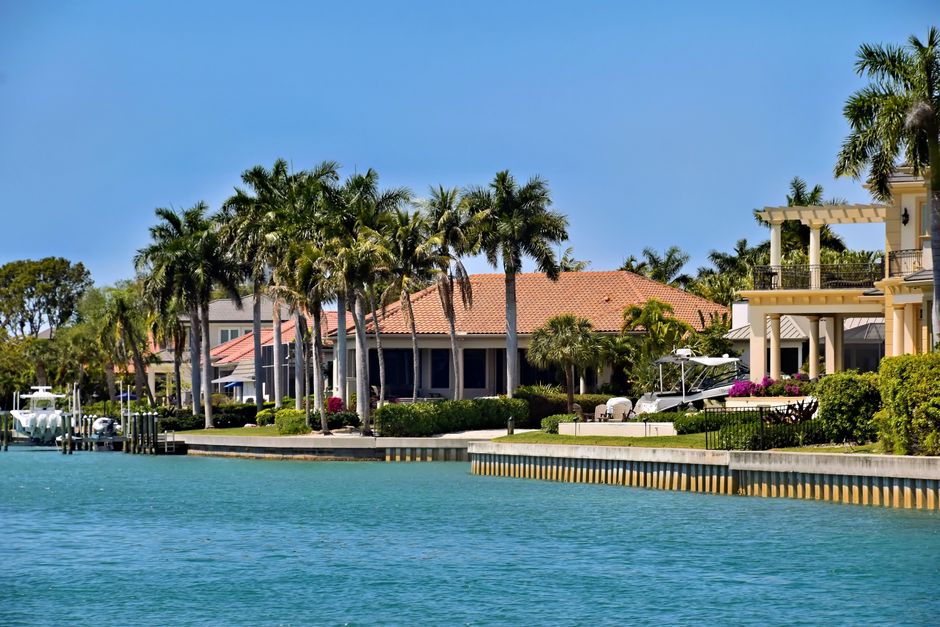
The Tampa luxury real estate sector has entered a distinct phase of maturity in mid-2026. Current data reveals a median list price of $2,275,000 across approximately 120 active luxury listings. This figure is not merely a reflection of inflation but a signal of a structural shift in the region’s desirability among domestic and international buyers. As a private advisor, I observe that the entry point for what was once considered ‘premium’ has moved significantly upward, requiring a more calculated approach to valuation and long-term equity.
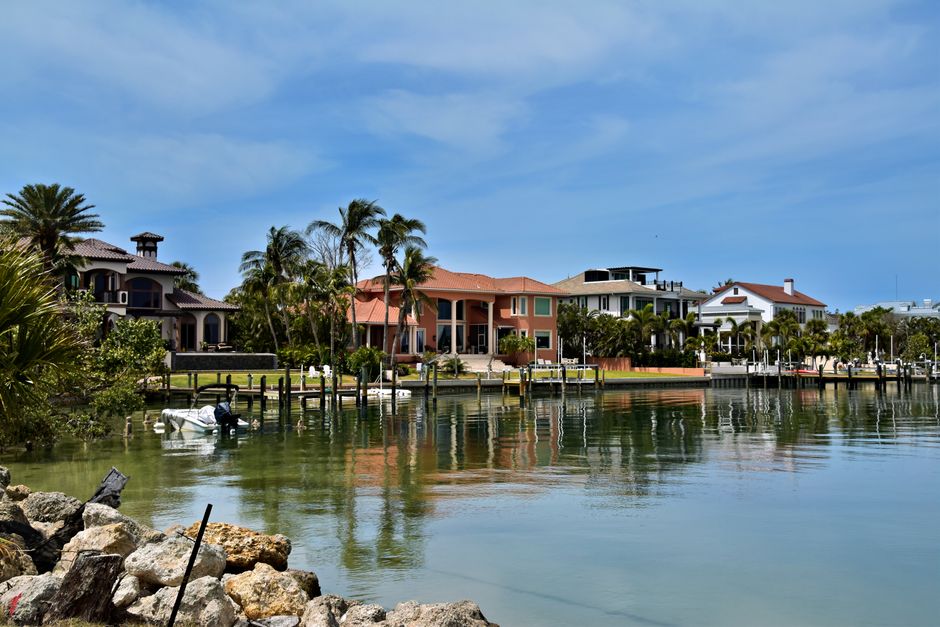
Inventory remains the primary lever for price stability. With only 120 high-end properties currently available, the scarcity of turn-key assets in established neighborhoods like Davis Islands and Hyde Park continues to drive competition. Average list prices are hovering near $2,973,388, influenced by sprawling waterfront estates and significant land value. Buyers are no longer just looking for square footage; they are prioritizing architectural integrity and proximity to the growing commercial hubs that define modern Tampa.
For those monitoring specific opportunities, recent movements include high-value residential and commercial sale listings, such as the $2.9 million offering on W Dr. Martin Luther King Jr. Boulevard and the $1.55 million renovation opportunity on N Grady Avenue. These examples illustrate the diversity of the current market, where value is found both in finished luxury and in the strategic acquisition of land for custom development. To understand the full scope of available assets, one should regularly browse current luxury listings to gauge real-time inventory shifts.
Why Tampa Leads National Price Growth
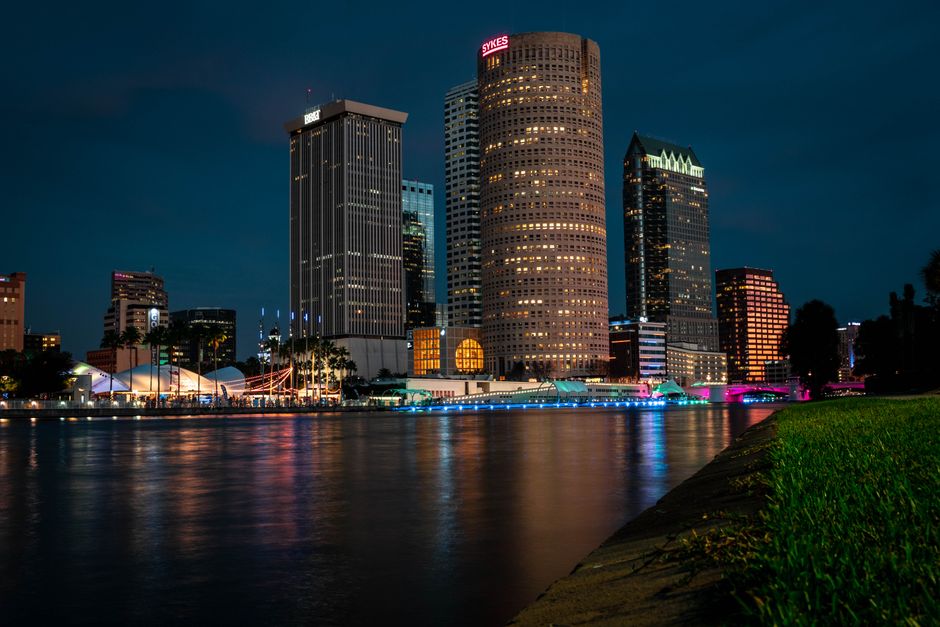
Recent reports from major data providers indicate that Tampa’s luxury home prices saw the highest increase in the U.S. during the early months of 2026. According to Redfin via AOL, this surge outpaced traditional strongholds like Miami and Austin. The narrative has shifted from Tampa being an affordable alternative to becoming a primary destination for wealth preservation. This growth is backed by a steady influx of high-earning professionals and a robust corporate relocation trend.
While national markets have shown signs of cooling, the Tampa Bay luxury market grows stronger despite broader economic headwinds. This resilience is often cited by The Business Journals as a byproduct of limited supply and a high-quality lifestyle that remains attractive even as interest rates fluctuate. Sophisticated buyers are focusing on the underlying fundamentals of the Florida market, including tax advantages and the continued expansion of the local infrastructure.
Data from Quartz further highlights that luxury price appreciation in Tampa is part of a broader trend affecting only a handful of select U.S. cities in 2026. This localized boom suggests that buyers who enter the market now are doing so at a time when the city’s global profile is rising. The focus is no longer just on the beach; it is on the urban core and the highly curated residential pockets that offer privacy without isolation.
Neighborhood Micro-Trends: Beyond South Tampa
While South Tampa remains the anchor for luxury demand, we are seeing a significant expansion of the ‘luxury zone’ into West Tampa and areas surrounding the Westshore business district. Buyers are increasingly willing to trade traditional neighborhood prestige for larger lot sizes and the ability to build custom modern residences. The $2.3 million listing on W Waters Avenue is a prime example of how luxury pricing has permeated areas previously considered secondary, driven by a lack of buildable land in the core.
The development of Water Street and the ongoing evolution of the Channel District have introduced a high-rise luxury component that competes directly with traditional waterfront estates. This vertical luxury market appeals to a demographic that prioritizes walkability and proximity to cultural venues over sprawling lawns. However, the Davis Islands market remains the gold standard for many, where the combination of deep-water access and a secluded community feel keeps property values at a premium, often exceeding the $5 million mark for significant renovations.
We are also observing a shift in buyer behavior regarding ‘move-in ready’ versus ‘project’ homes. Given the current cost of high-end construction materials and labor, turn-key properties are commanding a disproportionate premium. Buyers who are willing to navigate the permitting and construction process in areas like Beach Park or Sunset Park are finding value in land acquisition, though this requires a long-term horizon and a reliable network of local architects and builders.
The 2026 Luxury Buyer’s Due Diligence Checklist
In a market where the median price is north of $2 million, the margin for error in due diligence has narrowed. Buyers must look beyond the aesthetic finishes and evaluate the structural and environmental resilience of their potential investment. As an advisor, I recommend focusing on the following technical and local factors before finalizing any luxury acquisition in the current Tampa climate:
- Verify the elevation and flood zone status to understand long-term insurance implications and mitigation requirements.
- Evaluate the age and condition of major systems, specifically HVAC units, which face high demand during Tampa’s summer months.
- Review recent neighborhood sales data to ensure the property’s price-per-square-foot aligns with the actual appreciation trends of the sub-market.
- Confirm the status of any recent renovations and ensure all permits were closed with the city to avoid future legal or resale complications.
- Assess the proximity to upcoming commercial developments which could impact both property value and local traffic patterns.
- Analyze the property’s privacy features, such as existing foliage or set-back requirements, which are increasingly valued in dense luxury pockets.
Commercial Infrastructure as a Value Catalyst
The intersection of residential luxury and commercial real estate is a critical component of the Tampa growth story. As noted by Bisnow, navigating Tampa Bay housing deals requires an understanding of how commercial real estate impacts residential desirability. The expansion of office space and high-end retail in the Midtown and Water Street districts has created a ‘live-work-play’ ecosystem that supports higher residential valuations.
This synergy is particularly evident in the demand for properties that offer easy access to the city’s major business hubs. High-net-worth individuals are often business owners or executives who value a commute-free lifestyle. Consequently, luxury residential pockets located within a ten-minute radius of the Westshore or Downtown business districts are seeing the highest retention rates and the shortest days-on-market. The commercial health of the region acts as a floor for residential prices, providing a level of security for luxury investors.
Furthermore, the diversification of the Tampa economy—spanning technology, healthcare, and finance—means the luxury market is less dependent on a single industry. This economic stability is a key differentiator compared to other Florida markets. When evaluating a property, I often advise clients to look at the commercial permits in the surrounding two-mile radius. A concentration of new boutique retail or professional office space is a leading indicator of continued residential demand and future price appreciation.
Local Context: Events and Climate Integration
Living in Tampa during June 2026 means managing a climate that is consistently warm, with daytime highs reaching into the mid-90s. This weather influences everything from architectural design—prioritizing shaded outdoor living and high-efficiency cooling—to the local social calendar. Despite the heat, the city’s cultural scene remains active. For instance, the local arts community is currently hosting a performance of ‘Wicked’ and Broadway Unhinged, as noted by WUSF, providing high-end entertainment options for residents.
The ability to enjoy indoor-outdoor living is a hallmark of the Tampa luxury home. Modern designs often include retractable glass walls and expansive lanais that are equipped with advanced misting systems and outdoor kitchens. These features are not just amenities; they are essential components for maximizing the utility of a Florida estate during the peak summer months. Buyers should look for properties that have successfully integrated these elements into the home’s footprint without compromising on privacy.
Understanding the local lifestyle also involves keeping a pulse on the city’s event schedule, which often dictates the flow of traffic and the vibrancy of certain neighborhoods. Whether it is a music event in the Heights or a festival in Downtown, the connectivity of the city allows residents to engage with a sophisticated cultural layer that complements the quiet luxury of their homes. This balance of privacy and accessibility is what continues to attract new residents from major metropolitan areas across the country.
Navigating the Tampa luxury market in 2026 requires a blend of data-backed analysis and local nuance. Whether you are looking to acquire a waterfront estate on Davis Islands or a modern masterpiece in South Tampa, the strategy should always be rooted in long-term value and structural integrity. I encourage you to explore our current luxury inventory and contact an advisor to discuss how we can align your real estate goals with the unique dynamics of the current Tampa market.
Your next move in Tampa luxury
Get current inventory, pricing guidance, and private-tour support from our brokerage team.
Source highlights
- Tampa’s luxury home prices saw highest increase in U.S.: Redfin – AOL.com
- How Commercial Real Estate Can Navigate Tampa Bay Housing Deals, From Affordable To Luxury – Bisnow
- Luxury home prices are surging fastest in these 7 U.S. cities in 2026 – qz.com
- Tampa Bay luxury market grows stronger despite national declines – The Business Journals
- Tampa Bay’s most expensive luxury home sales of 2025 – Tampa Bay Times
- Florida luxury real estate surges amid record listings, tax shifts – MSN
- Tampa Bay area events this weekend: A 'Wicked' performance, Broadway Unhinged and cliff diving – WUSF
- Things To Do In Tampa This Weekend: Fun Festivals & Events In Tampa This Weekend – That's So Tampa


