


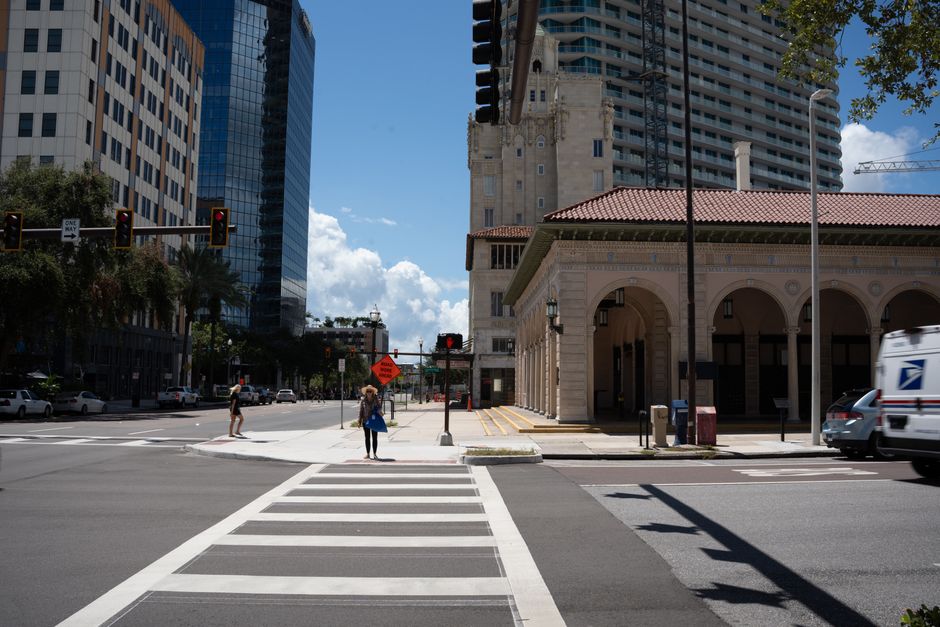
The Current State of Tampa’s High-End Market
Currently, the premium real estate landscape in Tampa is demonstrating remarkable resilience and sustained upward momentum. Recent market snapshots indicate an active luxury inventory of just over one hundred properties, with a median list price anchoring at $2.275 million and average valuations approaching $2.97 million. These figures illustrate a market that is not just stabilizing, but actively setting new benchmarks for valuation across the region. Unlike broader national trends that have shown signs of cooling, local market dynamics remain exceptionally competitive for properly priced, move-in-ready estates.

For discerning buyers, understanding these metrics is the first step in formulating a successful acquisition strategy. Recent analysis confirms that Tampa’s luxury home prices saw the highest increase in the U.S., signaling sustained institutional and private wealth migration to the area. Buyers are strategically targeting primary residences and diversified portfolios, focusing heavily on modern construction and meticulously updated historical properties.
Navigating this climate requires an analytical approach to value. While the sheer volume of capital entering the market is notable, the true metric of success lies in identifying properties that offer intrinsic structural quality and locational permanence. High-net-worth individuals are not merely purchasing square footage; they are acquiring localized scarcity. This shift from speculative buying to strategic long-term holding fundamentally alters how initial offers and subsequent negotiations should be structured.

Defining Factors for Premium Acquisitions
When evaluating high-tier properties across prominent enclaves such as Davis Islands, Hyde Park, and Culbreath Isles, buyers must prioritize structural resilience and architectural integrity over transient aesthetic trends. The coastal climate demands rigorous construction standards, making hurricane-rated fenestration, elevated foundations, and advanced climate control systems non-negotiable baselines rather than premium upgrades. Evaluating these components early in the touring process prevents costly post-closing discoveries and ensures the asset retains its core value.
Furthermore, the concept of the private compound is gaining significant traction among affluent buyers in the region. Properties offering detached guest structures, comprehensive wellness facilities, and advanced home automation infrastructures are trading at significant premiums. This preference reflects a broader shift toward self-contained living environments that accommodate multigenerational arrangements and remote executive functions without compromising privacy. Buyers should critically assess a property’s zoning capabilities and footprint to determine if future expansions align with these evolving use cases.
Locational nuance remains paramount. Proximity to elite private educational institutions, deep-water dockage without fixed bridges, and walkable access to high-end culinary districts strongly dictate pricing tiers. A property in Palma Ceia may offer walking distance to the golf course, while a waterfront estate in Beach Park commands a different valuation based on immediate open-bay access. Understanding these micro-market distinctions is crucial for determining whether an asking price aligns with historical comparables. Begin exploring these distinct property profiles by reviewing our curated luxury homes for sale.
Navigating Commercial and Residential Overlaps
The Tampa real estate sector is increasingly characterized by a blurring of lines between high-end residential and commercial investments. Affluent buyers often maintain portfolios that bridge both asset classes, utilizing strategic asset structuring to balance long-term yield with immediate personal utility. Recent industry insights highlight how commercial real estate strategies can navigate Tampa Bay housing deals, from scalable developments to top-tier estates.
This crossover requires a sophisticated analytical lens. Buyers entering the market for a sprawling estate in Avila or a premier penthouse in the Channel District must consider the broader macroeconomic factors driving the region’s growth. Corporate relocations, the expansion of the medical and technology sectors, and the continuous enhancement of the urban core directly impact the long-term appreciation potential of residential assets. A comprehensive acquisition strategy accounts for these commercial drivers when selecting a residential neighborhood.
Moreover, the influx of out-of-state capital continues to shape inventory levels. As buyers from historically higher-tax jurisdictions establish residency in Florida, they apply different valuation frameworks to Tampa properties. What may appear as a premium pricing model to a local buyer is often perceived as a discount by a buyer relocating from the Northeast or West Coast. This dynamic creates rapid absorption rates for turnkey properties, compelling buyers to maintain liquidity and decisiveness when the right asset enters the market.
Assessing Neighborhood Exclusivity and Value
Tampa’s micro-markets operate with distinct pacing and buyer demographics. Davis Islands offers an established, nautical-focused community where land value often supersedes the existing structure, leading to frequent custom builds. Conversely, South Tampa’s historic districts demand a premium for meticulously preserved architectural character integrated with modern interior functionality. Buyers must align their personal usage requirements with the intrinsic characteristics of these localized neighborhoods to ensure a sound acquisition.
Evaluating these areas requires a clear framework. Waterfront properties require scrutiny regarding seawall integrity, tidal fluctuations, and riparian rights. Inland estates, while free from immediate coastal exposure, must be evaluated on lot dimensions, privacy screening, and proximity to major thoroughfares. The valuation gap between a property with open bay views and one situated on a canal can be substantial, often representing a difference of millions in the initial asking price.
For an effective acquisition, buyers should avoid relying solely on aggregate market data. An updated historic home on a premium corner lot will perform entirely differently than a new build on a subdivided parcel just two streets over. Precision in comparable analysis is essential, stripping away emotional marketing to focus on the raw data of recent closed transactions, days on market, and list-to-sale price ratios.
The Essential Buyer’s Due Diligence Protocol
Executing a seamless transaction in the premium sector demands an exhaustive approach to due diligence. The difference between a sound investment and a persistent liability often lies in the depth of the pre-closing investigation. A structured protocol ensures that every critical variable is accounted for before capital is deployed.
- Verify structural compliance and elevation: Ensure the property meets current coastal construction guidelines and review the exact flood zone designation to assess long-term insurability.
- Audit advanced home systems: Commission specialized inspections for complex HVAC networks, smart home automation infrastructure, and commercial-grade culinary equipment.
- Assess riparian and dockage rights: For waterfront acquisitions, confirm exact boundary lines, submerged land leases, and current permitting for lifts and seawalls.
- Review municipal zoning and overlays: Analyze local development restrictions, historic preservation guidelines, and lot coverage limits to ensure future expansion plans are viable.
- Evaluate environmental exposure: Conduct rigorous soil testing and water quality assessments, particularly for older estates or those situated on historically significant land.
This systematic verification removes ambiguity from the purchasing equation. By front-loading the technical analysis, buyers establish a position of leverage during the critical inspection period.
Consequently, this allows for renegotiation based on concrete findings rather than subjective preferences, ensuring the final acquisition price accurately reflects the asset’s true physical condition.
Integrating Local Culture and Timing
A sophisticated acquisition strategy extends beyond the physical property to encompass the broader lifestyle and timing of the market entry. Tampa’s cultural calendar and seasonal shifts play a subtle but significant role in inventory fluctuations and neighborhood dynamics. As we move into early June, with daytime temperatures hovering in the mid-90s and afternoon precipitation becoming a regular pattern, property showings require logistical precision. Evaluating a home’s climate control efficiency and drainage capabilities during this period provides critical real-world insight that a dry winter showing cannot offer.
The region’s evolving cultural infrastructure also dictates neighborhood desirability. The proximity to high-caliber arts and entertainment venues increasingly factors into the decision-making process for affluent buyers. For instance, evaluating how a location intersects with the broader cultural landscape—such as access to premium dining or prominent Tampa Bay area music events—adds a layer of qualitative value to the quantitative assessment.
Understanding these civic rhythms allows buyers to contextualize their investment. Whether it is attending exclusive festivals and events in Tampa or navigating the seasonal influx of winter residents, recognizing how a neighborhood functions throughout the year is essential. This comprehensive approach ensures that the selected property not only serves as a sound financial asset but also seamlessly integrates into the buyer’s required standard of living.
Strategic Navigation and Next Steps
Securing a premier property in Tampa’s competitive environment requires more than passive observation; it demands decisive action backed by rigorous market intelligence. The current landscape, defined by high-value transactions and discerning out-of-state capital, leaves little margin for error. Buyers must approach the market with a clear set of criteria, a verified funding strategy, and an uncompromising standard for structural and locational quality. Settling for secondary locations or deferred maintenance in this pricing tier invariably compromises long-term equity.
The most successful acquisitions are executed by those who bypass public sentiment and rely strictly on empirical data and deep local expertise. It is imperative to partner with representation that understands the nuances of off-market networking, sophisticated contract structuring, and aggressive negotiation tactics. The focus must remain on securing assets that offer unassailable value, whether that is a generational waterfront estate or a high-yield residential compound. Navigating the complexities of Florida luxury real estate requires immediate alignment with seasoned advisory teams.
To execute a successful acquisition strategy, the next step is establishing a direct line of communication to align your specific requirements with current and forthcoming inventory. We invite you to contact our advisory team to schedule a private consultation. Together, we will analyze current market data, refine your target criteria, and systematically identify properties that meet your exacting standards.
Your next move in Tampa luxury
Get current inventory, pricing guidance, and private-tour support from our brokerage team.
Source highlights
- Tampa’s luxury home prices saw highest increase in U.S.: Redfin – AOL.com
- How Commercial Real Estate Can Navigate Tampa Bay Housing Deals, From Affordable To Luxury – Bisnow
- Luxury home prices are surging fastest in these 7 U.S. cities in 2026 – qz.com
- Tampa Bay luxury market grows stronger despite national declines – The Business Journals
- Florida luxury real estate surges amid record listings, tax shifts – MSN
- Tampa Bay’s most expensive luxury home sales of 2025 – Tampa Bay Times
- Things To Do In Tampa This Weekend: Fun Festivals & Events In Tampa This Weekend – That's So Tampa
- Tampa Bay area events this weekend: A 'Wicked' performance, Broadway Unhinged and cliff diving – WUSF



