


Current Valuation Metrics and Inventory Dynamics
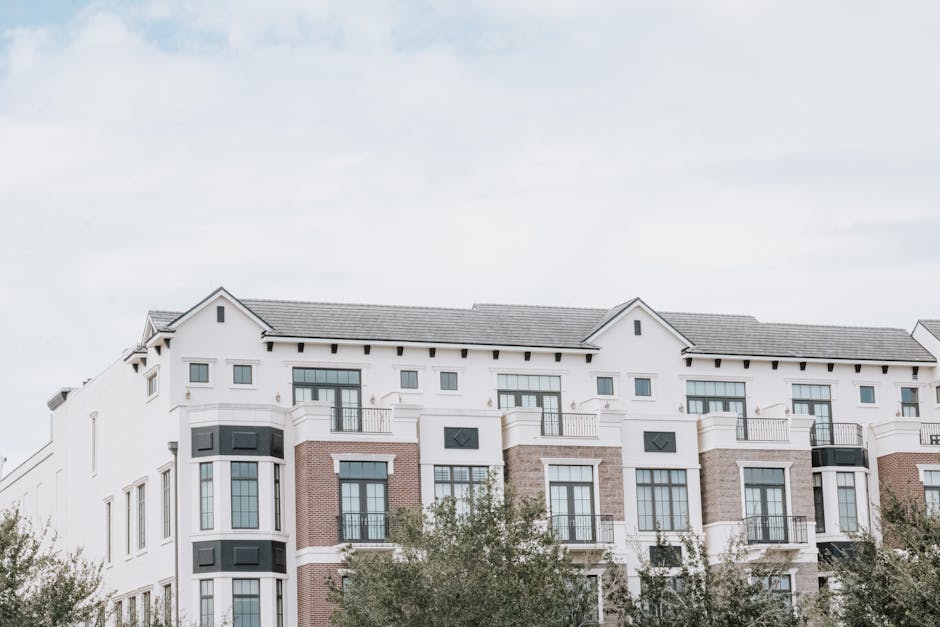
As of June 2026, the Tampa luxury real estate market maintains a stable inventory of approximately 120 active high-end listings. This volume provides a balanced environment for buyers who prioritize comprehensive due diligence over the rapid-fire acquisition pace seen in previous cycles. With a median list price of $2,275,000 and an average reaching nearly $3,000,000, the market demonstrates a clear bifurcation between established residential enclaves and the burgeoning ultra-luxury segment. This pricing structure reflects a mature market where value is increasingly driven by specific architectural merit and lot utility rather than mere proximity to the water.
Institutional and private capital continue to flow into the region, influenced by broader shifts in tax policy and the sustained movement of wealth from high-tax states. According to reports from MSN, Florida’s luxury sector is navigating these tax shifts with record listings, offering a diversity of assets that range from historic estates to modern architectural statements. For the high-net-worth individual, this means that while prices remain firm, the opportunity for negotiation exists in properties that have exceeded a 90-day absorption window.
Benchmark listings, such as the mixed-use potential found near West Dr. Martin Luther King Jr. Boulevard priced at $2,900,000 or the refined residential offerings on North Grady Avenue at $1,550,000, serve as indicators of the market’s breadth. These assets demonstrate that value in Tampa is no longer confined to a single corridor. Instead, buyers are finding utility in diverse locations that offer both privacy and proximity to the city’s evolving commercial hubs. Analyzing these micro-markets requires a move away from broad city-wide averages toward a more granular, block-by-block assessment of recent comparable sales.

The Emergence of the Early-Stage Luxury Condo Market
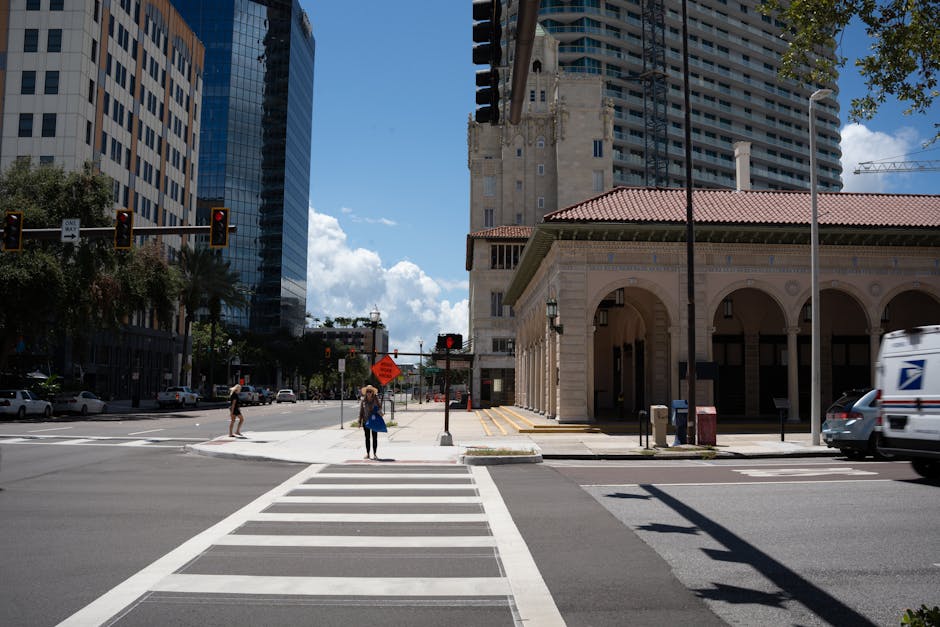
Tampa is currently undergoing a significant vertical transformation. Historically a market dominated by single-family estates, the city is now being recognized as a high-growth environment for luxury condominiums. Insights from Tampa Bay Business & Wealth suggest that we are still in the early stages of this vertical expansion. For the strategic buyer, this represents a unique entry point into assets that offer the convenience of low-maintenance living with the high-end finishes typically reserved for custom estates.
The concentration of these developments in areas like Water Street and along the Bayshore Boulevard corridor is redefining the skyline. These projects are not merely residential towers; they are integrated ecosystems that incorporate high-end retail, wellness centers, and private club facilities. When evaluating these options, buyers must look beyond the floor plan to the solvency of the developer and the long-term management strategy of the association. In an early-stage market, the first movers often capture the most significant appreciation, provided the project aligns with the city’s broader infrastructure goals.
As these vertical options increase, we are seeing a shift in buyer behavior. Many seasonal residents who previously maintained large waterfront estates in Davis Islands are opting for the security and amenity-rich environment of these new towers. This transition is creating a healthy turnover in the single-family market, particularly for properties requiring modern updates. Buyers should monitor the ratio of owner-occupants to investment-focused units in these buildings to ensure a stable community environment and predictable future valuations.
Commercial Synergies and Residential Appreciation
The health of the luxury residential market in Tampa is inextricably linked to the region’s commercial vitality. Large-scale redevelopments and the expansion of the Westshore business district act as catalysts for residential value appreciation. As noted by Bisnow, the intersection of commercial real estate and housing deals is a critical factor for investors navigating the Tampa Bay area. When commercial infrastructure improves—such as the addition of high-end office space or luxury retail—the surrounding residential properties typically see a commensurate rise in desirability.
This synergy is particularly evident in South Tampa, where the redevelopment of older commercial corridors is attracting a new demographic of executive buyers. These individuals seek a shorter commute to their offices while remaining within reach of the city’s most prestigious social venues. For the advisor, the task is to identify residential pockets that are currently undervalued but sit directly in the path of planned commercial growth. This forward-looking approach distinguishes a simple purchase from a strategic capital allocation.
Furthermore, the presence of major corporate headquarters and the expansion of the medical and technology sectors in Tampa provide a floor for property values. Unlike markets driven solely by tourism, Tampa’s luxury sector is supported by a robust and diversifying economy. Buyers should review the FEMA flood maps and local zoning changes frequently, as commercial expansions often lead to infrastructure upgrades that can affect flood mitigation and traffic patterns in nearby residential neighborhoods.
Strategic Considerations for High-Value Acquisitions
Acquiring a luxury asset in Tampa requires a multi-layered verification process that goes beyond standard inspections. The current climate, characterized by warm temperatures and intermittent tropical rain typical of early June, underscores the importance of assessing a property’s resilience. Structural integrity, roof age, and the efficiency of drainage systems are non-negotiable points of interest. Furthermore, the rise of record-setting listings, including an estate asking $115 million as reported by the Wall Street Journal, has reset expectations for what constitutes a legacy property in this region.
- Validation of littoral rights and seawall integrity for all waterfront parcels.
- Comprehensive review of HOA reserve studies and insurance coverage for multi-unit developments.
- Analysis of neighborhood-specific absorption rates to determine realistic negotiation margins.
- Verification of all permit history for past renovations to ensure compliance with modern codes.
- Assessment of proximity to planned infrastructure projects that may impact future privacy.
Buyers must also be aware of the seasonality of the market. While the summer months often see a slight cooling in transactional volume due to the heat and humidity, this period can be the most revealing for a property’s performance under stress. Heavy rain events provide an empirical test of the landscape’s ability to manage water, a critical factor for properties in low-lying areas such as Davis Islands or Shore Acres. A senior advisor will always recommend multiple site visits during different weather conditions to truly understand the asset’s utility.
Neighborhood-Level Implications and Lifestyle Integration
The choice between the historic charm of Hyde Park and the modern, expansive estates of Culbreath Isles involves more than just architectural preference; it is a decision about long-term lifestyle integration and market liquidity. Hyde Park offers a pedestrian-centric environment where proximity to the shops and restaurants of Village Circle remains a primary value driver. In contrast, the gated privacy of areas like Avila or the deep-water access of Snell Isle caters to buyers who prioritize security and maritime utility. Each neighborhood carries its own set of micro-economic factors that influence price per square foot.
Recent market movements indicate that buyers are increasingly willing to pay a premium for move-in-ready properties that eliminate the need for lengthy renovation timelines. The costs of high-end materials and skilled labor have made the value of a recently completed project significantly higher than a comparable home requiring modernization. For instance, a property such as 3403 W Waters Avenue, priced at $2,300,000, reflects the demand for functional space in established corridors that have historically been overlooked by the ultra-luxury buyer but are now seeing renewed interest.
Local event density also plays a role in neighborhood desirability. Areas that offer ease of access to the city’s major cultural and sports venues—while maintaining a buffer from the associated traffic—remain the most resilient. Whether it is the convenience of reaching a downtown festival or the ability to exit the city for a weekend on the coast, the logistical efficiency of a home’s location is a key component of its valuation. Buyers should consider how local events, such as those frequently highlighted by FOX 13 Tampa Bay, impact the immediate vicinity in terms of noise and traffic flow.
Inventory Absorption and the Path Forward
With 120 units currently on the market, the absorption rate provides a clear picture of market velocity. In the $2 million to $5 million bracket, we are seeing a steady turnover, suggesting that buyers in this range are confident in the mid-term economic outlook for the region. Above the $10 million threshold, the market becomes more idiosyncratic, with transactions often occurring off-market or through private placement. For those entering the market today, the focus should be on finding assets that offer a combination of intrinsic land value and high-quality vertical improvements.
The projected growth of the Tampa Bay area suggests that the current inventory levels are sufficient to meet demand without leading to a significant price correction. However, the days of indiscriminate appreciation are over. Success in the 2026 market is found through disciplined analysis and a refusal to overpay for mediocrity. Working with an advisor who understands the nuances of local construction standards and the specific tax implications of Florida residency is essential for protecting capital in the long term.
Ultimately, the decision to acquire property in Tampa is a bet on the city’s continued ascent as a primary destination for wealth and industry. The combination of favorable weather, a pro-business climate, and a diversifying housing stock makes this one of the most compelling markets in the Southeastern United States. By focusing on data-driven decision-making and property-specific fundamentals, buyers can secure assets that will serve as both a sanctuary and a sound financial instrument for years to come.
To navigate this landscape effectively, an analytical approach to current inventory is required. We invite you to browse our curated listings to identify properties that align with your strategic goals. For a private consultation regarding market timing, valuation metrics, or neighborhood-specific insights, please contact an advisor. Our team provides the specialized expertise necessary to execute high-value transactions with precision and confidentiality.
Your next move in Tampa luxury
Get current inventory, pricing guidance, and private-tour support from our brokerage team.
Source highlights
- How Commercial Real Estate Can Navigate Tampa Bay Housing Deals, From Affordable To Luxury – Bisnow
- Tampa Bay’s most expensive luxury home sales of 2025 – Tampa Bay Times
- Florida luxury real estate surges amid record listings, tax shifts – MSN
- Tampa Bay luxury market grows stronger despite national declines – The Business Journals
- Tampa’s Price Record Is $22.5 Million. This Huge Estate Is Asking $115 Million. – WSJ
- Why Tampa remains an early-stage luxury condo market – Tampa Bay Business & Wealth
- Tampa Bay area events this weekend: Laser light music show, Sneaker Kulture and Badge Bowl – WUSF
- Tampa weekend events: Concerts, festivals and downtown family fun — What to know before you go – FOX 13 Tampa Bay



