


The Structural Shift in Tampa’s High-End Market
The ceiling of the Tampa property market has been fundamentally redefined by recent movements in the ultra-high-net-worth tier. Where a $20 million sale once represented an absolute peak, the arrival of listings exceeding $100 million signals a transition into a primary destination for global capital. As reported by the Wall Street Journal, the market is currently digesting inventory that challenges previous valuation models, moving away from its historical reputation as a secondary alternative to South Florida.
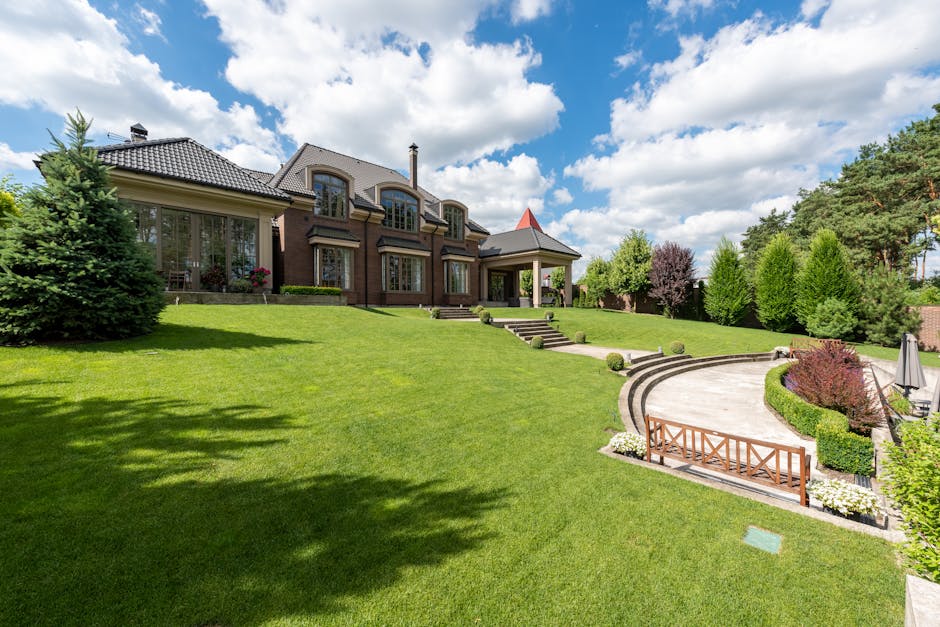
This upward pressure is supported by a median list price that now sits at $2,300,000 for the luxury segment, with 120 active units providing a healthy breadth for selective buyers. This volume allows for a more nuanced approach to acquisition, where site-specific variables—such as deep-water access in South Tampa or the historical preservation mandates of Hyde Park—carry more weight than generic square footage metrics. The current inventory includes diverse opportunities, such as the $2,900,000 listing on W Dr Martin Luther King Jr Boulevard, which illustrates the expanding footprint of high-value properties beyond the traditional waterfront corridors.
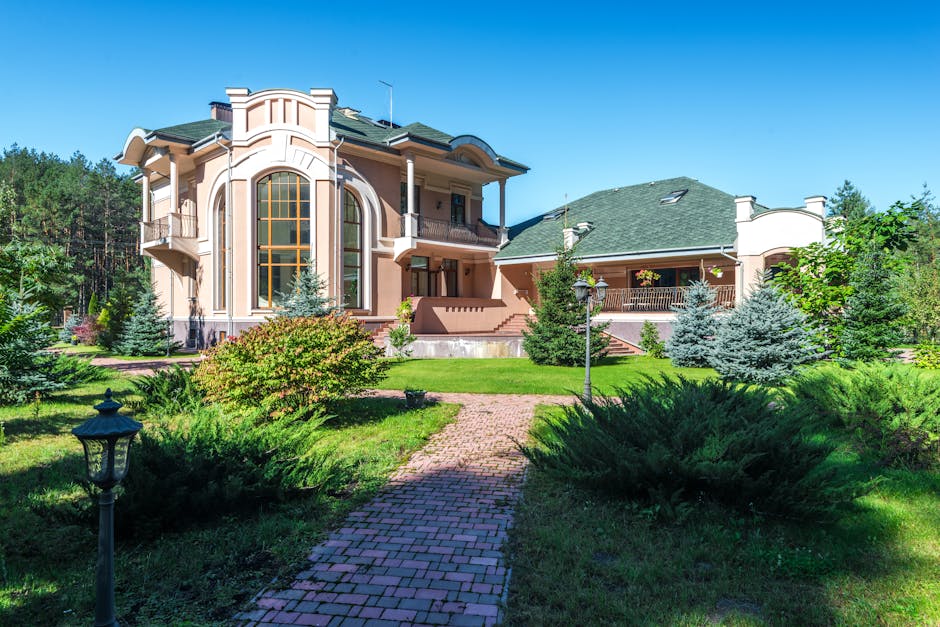
Buyers are no longer merely seeking seasonal retreats; they are prioritizing assets that function as primary residences with robust technological and environmental infrastructure. The analytical buyer is looking for properties like the $1,550,000 offering on N Grady Avenue, which demonstrates the value found in established neighborhoods where architectural modernization is accelerating. Understanding these hyper-local movements is essential for any advisor looking to secure long-term equity in a maturing market.
The timing of market entry also remains a critical factor. Late May in Tampa typically introduces the first significant rain cycles of the season, with forecasts currently showing a 42% chance of precipitation. For the sophisticated investor, this weather provides a practical window for property inspections, allowing for a real-time assessment of drainage systems, roof integrity, and moisture management in a subtropical environment. Evaluating a property under these conditions offers a level of transparency that a dry-season viewing cannot match.
Migration Patterns and the Influx of Institutional Wealth
The surge in Florida’s luxury real estate is largely driven by a significant shift in tax residency and the relocation of executive leadership from high-tax jurisdictions. According to data analyzed by MSN, record listings and tax shifts have created a unique environment where supply is finally beginning to meet the demand of this new demographic. This migration is not just about personal housing; it is closely tied to the movement of commercial interests into the Tampa Bay area.
The synergy between commercial development and residential value is particularly evident in the Westshore and Downtown sectors. As commercial real estate navigates the complexities of affordable and luxury housing deals, as noted by Bisnow, the residential market benefits from improved infrastructure and high-end amenities that follow these investments. This relationship ensures that luxury assets in these pockets maintain a higher level of liquidity compared to isolated rural estates.
We are seeing a trend where buyers prioritize the proximity to emerging business hubs over pure privacy. The ability to commute within fifteen minutes to the Water Street district or the Westshore business corridor is a primary driver for the current pricing levels on Davis Islands and Harbour Island. This behavior reflects a broader national trend where convenience and access to urban amenities are becoming the dominant luxury markers for the younger cohort of affluent professionals.
Valuation models must now account for this institutional influence. When an area begins to attract significant corporate relocations, the residential floor price tends to stabilize regardless of broader national market corrections. This structural resilience is a hallmark of the Tampa market in 2026, where the local economy’s diversification provides a buffer against the volatility seen in more tourism-dependent regions of the state.
Critical Verification Steps for High-Value Acquisitions
- Audit the integrity of existing seawall structures and verify the current flood zone designations to project long-term insurance obligations.
- Analyze neighborhood-level sales data from the past 24 months to distinguish between speculative pricing and sustained value growth.
- Evaluate the technical specifications of HVAC and building envelope systems, ensuring they are optimized for the local humidity and heat indices.
- Conduct a thorough review of any historical preservation requirements that may limit exterior modifications or modernizations.
- Assess the proximity to upcoming infrastructure projects that may impact local traffic patterns or noise levels in the immediate vicinity.
The Rise of the Vertical Luxury Segment
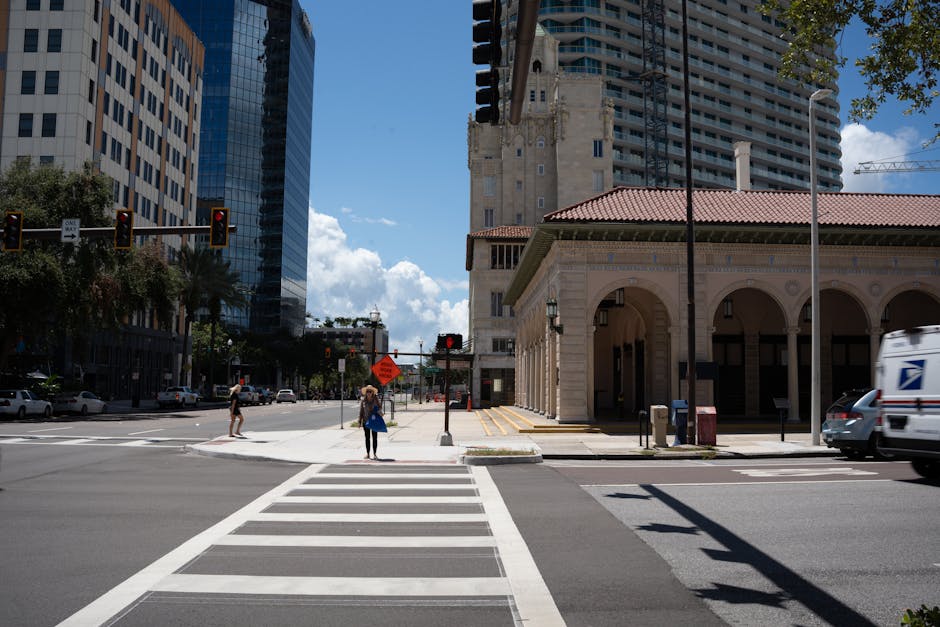
Tampa’s evolution into a sophisticated urban center is most visible in its developing condo market. Historically, the region was dominated by single-family estates, but a new preference for the ‘lock-and-leave’ capability of high-rise living has emerged. This shift is particularly pronounced in the South Tampa and Downtown areas, where buyers are trading traditional acreage for concierge-level service and integrated wellness facilities.
This early-stage luxury condo market offers a different value proposition than established markets like Miami. The focus here is on larger floor plans and a lower density of units per building, catering to residents who intend to occupy their properties year-round. This preference for stability over short-term rental potential has helped maintain a more consistent pricing floor, avoiding the speculative bubbles that often plague vertical developments in other coastal cities.
As supply increases, the distinction between ‘premium’ and ‘ultra-luxury’ becomes clearer. True ultra-luxury developments are characterized by private elevator entries, substantial outdoor terrace space, and robust environmental controls that mitigate the impact of the Florida sun. Investors should look for buildings that prioritize these technical features over superficial finishes, as they will better preserve their value as the market reaches a state of maturity.
The pricing for these units often rivals or exceeds that of waterfront single-family homes on a per-square-foot basis. This parity indicates a permanent shift in buyer psychology, where the convenience of a managed environment is valued as highly as private land. For those looking at long-term holds, the focus should be on developments with high owner-occupancy rates and professional management teams that have a track record of maintaining high-value assets.
Navigating Local Nuances and Lifestyle Integration
Understanding the local context involves more than just analyzing spreadsheets; it requires an awareness of the cultural and social movements that define the region. High-end buyers are increasingly integrated into the local community, participating in events that reflect the area’s sophisticated yet relaxed character. For example, recent local highlights include vintage markets and murder mystery dinners, according to Axios, which showcase the diversity of the Tampa social landscape.
These community touchpoints are more than just leisure activities; they serve as indicators of neighborhood character and long-term desirability. A neighborhood that supports a range of cultural events and independent businesses typically shows higher levels of social cohesion and price stability. When evaluating a property in Seminole Heights or North Tampa, observing the local event calendar can provide insights into the area’s growth trajectory and the type of community an investor will be joining.
The relationship between real estate and the arts in Tampa is also strengthening. From jazz jams to unique live music events in private settings, the city’s cultural infrastructure is maturing alongside its skyline. This cultural density is a prerequisite for attracting the level of talent and wealth that is currently flowing into the region, ensuring that Tampa remains a competitive alternative to established cultural hubs.
Ultimately, the decision to acquire property in this market should be informed by a combination of macroeconomic data and local intelligence. Whether it is a $2.3 million investment on W Waters Avenue or a waterfront parcel on Davis Islands, the most successful transactions are those that align with the specific lifestyle and professional needs of the buyer. The market is no longer a one-size-fits-all environment; it requires a tailored strategy to navigate effectively.
Future Outlook: Sustaining Value in a Maturing Market
As we look toward the remainder of 2026, the Tampa luxury market is expected to maintain its current trajectory of moderated, sustainable growth. The era of double-digit monthly appreciation has been replaced by a more stable environment where quality and location are the primary drivers of value. This normalization is a positive sign for the region, as it discourages speculative behavior and encourages long-term investment from primary residents.
Buyers should remain focused on the fundamentals: structural integrity, proximity to commerce, and the quality of local infrastructure. While the headline-grabbing listings will continue to draw attention, the real strength of the market lies in the $2,000,000 to $5,000,000 range, where demand remains consistently high and inventory is relatively tight. Maintaining a disciplined approach to valuation will be the key to success for both buyers and sellers in the coming months.
The maturity of the Tampa market is also reflected in the sophistication of the advisory services available. High-net-worth individuals are no longer relying on generic brokerage models but are seeking out specialized advisors who can provide deep-dive analysis and objective guidance. This shift toward a more professionalized real estate landscape is a direct result of the increasing complexity of the local market and the higher stakes involved in each transaction.
To navigate this landscape with confidence, you need access to the most current data and a deep understanding of neighborhood-level movements. We invite you to browse our latest Tampa luxury listings to evaluate the current inventory for yourself. For a private consultation and a tailored analysis of how these market shifts affect your specific real estate goals, please contact an advisor today.
Your next move in Tampa luxury
Get current inventory, pricing guidance, and private-tour support from our brokerage team.
Source highlights
- How Commercial Real Estate Can Navigate Tampa Bay Housing Deals, From Affordable To Luxury – Bisnow
- Tampa Bay’s most expensive luxury home sales of 2025 – Tampa Bay Times
- Florida luxury real estate surges amid record listings, tax shifts – MSN
- Tampa’s Price Record Is $22.5 Million. This Huge Estate Is Asking $115 Million. – WSJ
- Tampa Bay luxury market grows stronger despite national declines – The Business Journals
- Why Tampa remains an early-stage luxury condo market – Tampa Bay Business & Wealth
- Things To Do In Tampa This Weekend: Fun Festivals & Events In Tampa This Weekend – That's So Tampa
- Tampa Bay-area music events this weekend: Smooth jazz jam and a disco DJ night – WUSF



