


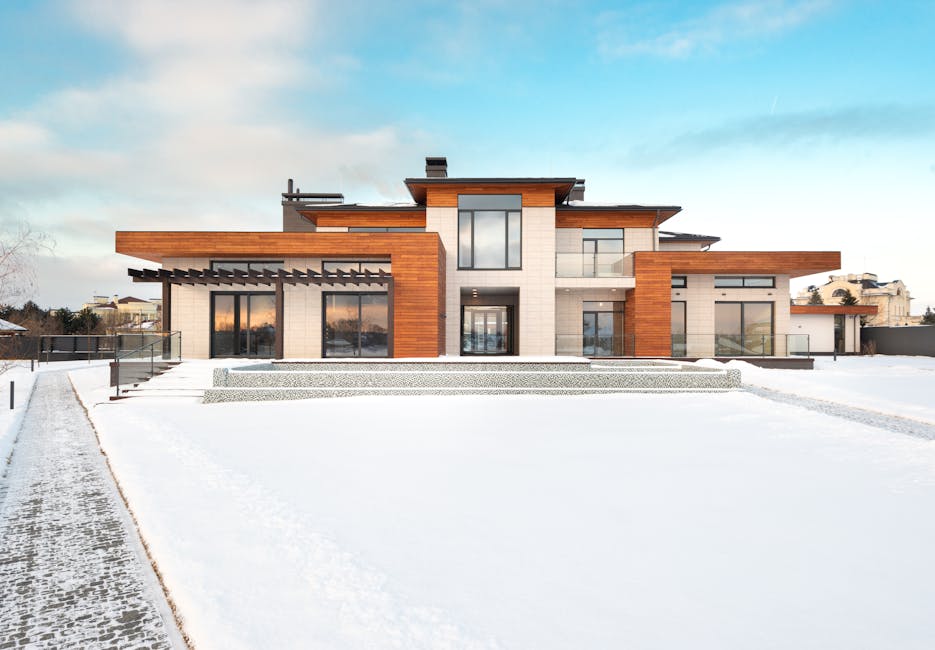
The Tampa luxury real estate sector is currently navigating a period of significant structural evolution. While national markets have experienced varying degrees of cooling, the high-end segment in the Tampa Bay area remains characterized by resilient demand and a notable shift in buyer preferences. For the private investor or the high-net-worth individual, understanding this landscape requires moving beyond surface-level statistics to examine the underlying drivers of value in specific micro-markets such as Davis Islands, Hyde Park, and the burgeoning Water Street district.

Currently, the market inventory reflects a diverse range of assets, from historic Mediterranean Revivals to ultra-modern vertical estates. With a median list price hovering around $2,300,000 and several properties reaching far beyond that threshold, the entry point for true luxury has recalibrated. This shift is not merely a result of inflationary pressure but is driven by a fundamental change in the demographic profile of buyers arriving in Florida, many of whom are seeking long-term stability in a tax-friendly environment. Analyzing these shifts is essential for those looking to secure an asset that will maintain its relevance and value over the coming decade.
As we examine the current inventory of luxury homes for sale, it becomes clear that the definition of a ‘premium’ property is expanding. Modern buyers are increasingly prioritizing advanced home automation, sustainable building materials, and architectural integrity over sheer square footage. The focus has moved toward a more curated living experience that integrates seamlessly with the surrounding environment, particularly in areas where waterfront access and privacy are the primary commodities.

Assessing Neighborhood Dynamics and Micro-Market Resilience
In the current environment, neighborhood selection is the most critical factor in risk mitigation. South Tampa continues to command a significant premium, particularly within the boundaries of Beach Park and the historic streets of Hyde Park. These areas offer a combination of proximity to the metropolitan core and a level of established prestige that newer developments struggle to replicate. However, we are seeing a tactical diversification as buyers look toward emerging pockets where infrastructure improvements are driving rapid appreciation.
Davis Islands remains a focal point for those seeking a secluded, nautical-oriented lifestyle while maintaining immediate access to downtown. The inventory here is tightly held, and when properties do reach the market, they often command record-breaking figures. This trend is underscored by reports from The Wall Street Journal regarding the escalating price records in the region, including estates now testing the nine-figure mark. Such valuations indicate a market that is maturing into a global destination for wealth, rather than just a regional hub.
Conversely, the Westshore district is evolving from a primarily commercial and retail center into a high-end residential corridor. The introduction of luxury townhomes and mid-rise developments has attracted a younger demographic of professionals who value proximity to Tampa International Airport and the high-end retail offerings of International Plaza. This transition is a key indicator of the broader urban densification occurring across the city, creating new opportunities for those who prefer contemporary design over traditional suburban layouts.
The Emergence of Vertical Luxury and the Condo Market
One of the most significant shifts in the Tampa landscape is the rise of the luxury condominium. Historically, the area was dominated by single-family estates, but recent years have seen a surge in high-rise developments that offer amenities previously found only in markets like Miami or New York. This early-stage luxury condo market provides a different value proposition, focusing on service-oriented living, high-level security, and panoramic views of Hillsborough Bay.
The success of developments in the Water Street and Channelside areas suggests that there is a strong appetite for ‘lock-and-leave’ residences among affluent buyers. These individuals often maintain multiple properties and prioritize the convenience of on-site concierge services, private fitness centers, and rooftop social spaces. As noted by Tampa Bay Business & Wealth, the city is still in the nascent stages of this vertical growth, implying significant room for continued development and appreciation as more signature towers reach completion.
When evaluating these vertical assets, buyers should consider the long-term management of the building and the reputation of the developer. Unlike a single-family home where the owner has total control over maintenance, condo owners are tied to the collective health of the association. Verifying the reserve funds and the history of assessments is a necessary step in the due diligence process. The shift toward premier brands, such as those represented by the Nick Janovsky Group and Sotheby’s International Realty, highlights the importance of institutional backing in securing premium market positions.
Strategic Acquisition: A Risk Mitigation Framework
Purchasing a high-value asset in a surging market requires a disciplined approach to due diligence. Beyond the aesthetic appeal of a property, buyers must scrutinize the structural integrity and the logistical aspects that could impact future liquidity. In Florida, this includes a deep understanding of flood zones, updated building codes, and the implications of recent legislative shifts regarding property insurance and taxes.
The following checklist outlines the essential steps for any buyer considering a luxury acquisition in the current Tampa market:
- Verify Elevation and Drainage: Confirm the property’s position relative to new FEMA flood maps and assess the efficacy of the current drainage infrastructure.
- Examine Tax Assessment History: Analyze recent tax shifts reported by MSN and how they may impact the long-term carrying costs of the asset.
- Review Coastal Construction Lines: For waterfront properties, ensure all structures comply with the State of Florida’s coastal construction control lines to avoid future permitting issues.
- Analyze Inventory Concentration: Check the volume of similar listings in the immediate vicinity to gauge potential market saturation.
- Assess Neighborhood Infrastructure: Investigate planned city projects, such as road expansions or park developments, that could influence noise levels or property access.
- Validate Construction Warranties: For new or renovated estates, secure documentation for all structural, roof, and mechanical warranties from reputable contractors.
By following this framework, buyers can move beyond the initial emotional response to a property and make a decision based on empirical data and long-term viability. A high-end acquisition should be viewed as both a residence and a significant component of a broader investment portfolio, necessitating a level of scrutiny consistent with any other major financial move.
Economic Indicators and Regional Market Strength
Tampa’s luxury sector has demonstrated a remarkable level of insulation from the volatility seen in other parts of the country. According to data from The Business Journals, the local market has continued to grow stronger even as national averages have faced declines. This strength is underpinned by the region’s economic diversification, with significant growth in the technology, healthcare, and finance sectors providing a stable base of affluent residents.
Furthermore, the ‘wealth migration’ to Florida remains a powerful catalyst. Individuals relocating from high-tax states are often pleasantly surprised by the relative value found in Tampa compared to Miami or Palm Beach. This creates a consistent floor for property values, as there is a perpetual influx of buyers who view current Tampa prices as attractive. However, this also means that the most desirable properties move quickly, often through private networks before ever reaching the public eye.
Working with an advisor who has access to these off-market opportunities is a strategic advantage. In a market where inventory is limited—with approximately 120 active luxury listings at any given time—knowing about a property before it hits the MLS can be the difference between securing an ideal estate and being forced into a bidding war. The ability to move with speed and confidence is paramount in the current environment.
Lifestyle Integration and Cultural Value Drivers
Beyond the physical structure of the home, the luxury buyer is often purchasing a specific lifestyle and level of community connectivity. Tampa’s cultural calendar has become increasingly sophisticated, offering high-end events that cater to the interests of a global audience. From exclusive music performances, such as those highlighted by WUSF, to elite philanthropic galas, the social infrastructure of the city is a major draw for the affluent.
This connectivity extends to the practicalities of daily life. The proximity to high-performing private schools, premier golf clubs, and world-class healthcare facilities like Tampa General Hospital are non-negotiable requirements for many buyers. We see this reflected in the premium paid for homes in South Tampa, where these amenities are all within a short radius. The ability to enjoy a high quality of life without the logistical friction of a larger metropolis is one of Tampa’s most compelling selling points.
When considering an acquisition, it is useful to evaluate how the property will serve as a hub for these lifestyle activities. Does the home offer the necessary space for hosting social events? Is the location conducive to the buyer’s daily routines? These ‘soft’ factors are often what drive long-term satisfaction and, by extension, the eventual resale value of the property. A home that integrates effortlessly into the owner’s lifestyle will always be in high demand.
Final Guidance for the Private Real Estate Portfolio
The Tampa luxury market is no longer a regional curiosity; it is a sophisticated arena that requires a high level of analytical rigor to navigate successfully. The record sales of 2025, as analyzed by the Tampa Bay Times, demonstrate that the ceiling for property values is continuing to rise. For the serious buyer, the goal is to identify properties that offer a balance of architectural significance, location-based resilience, and functional modern luxury.
As you consider your next move in this dynamic landscape, we invite you to consult with a specialist who understands the nuances of the Tampa Bay area. Whether you are looking for a secluded waterfront estate or a sophisticated urban penthouse, our team provides the data-backed insights and private access required to execute a successful transaction. Browse our current selection of luxury homes for sale and contact an advisor today to discuss your specific requirements and how we can assist in securing your next high-value asset.
Your next move in Tampa luxury
Get current inventory, pricing guidance, and private-tour support from our brokerage team.
Source highlights
- Tampa Bay’s most expensive luxury home sales of 2025 – Tampa Bay Times
- Florida luxury real estate surges amid record listings, tax shifts – MSN
- Tampa’s Price Record Is $22.5 Million. This Huge Estate Is Asking $115 Million. – WSJ
- Tampa Bay luxury market grows stronger despite national declines – The Business Journals
- Why Tampa remains an early-stage luxury condo market – Tampa Bay Business & Wealth
- New Signature Real Estate Team Emerges Across Tampa Bay: The Nick Janovsky Group Launches with Premier Sotheby’s International Realty – citybiz
- Tampa Bay area music events this weekend: Bob Dylan's birthday celebrations – WUSF
- Things to do with kids this weekend in Tampa, FL – That's So Tampa



