


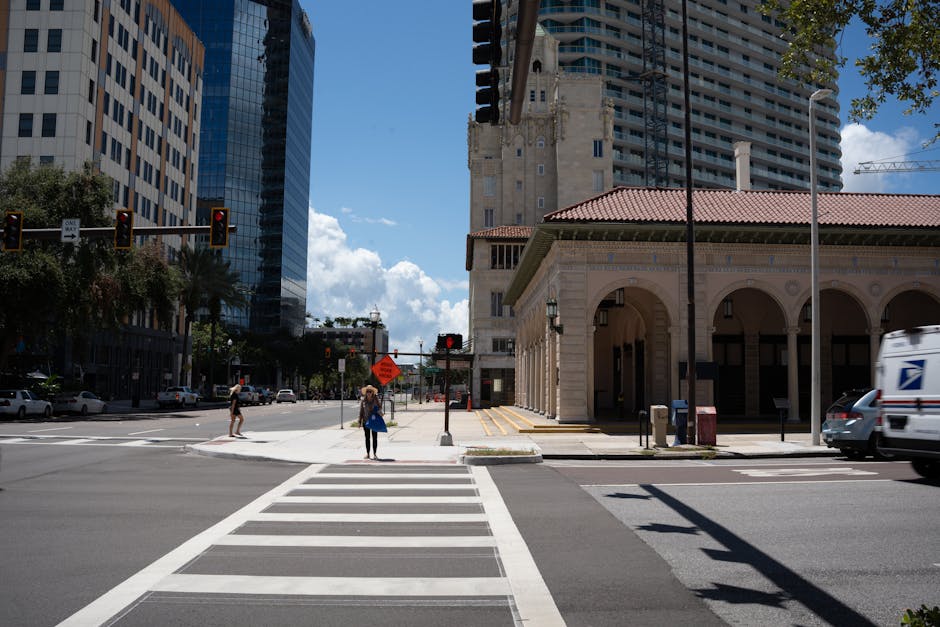
The New Valuation Ceiling for Tampa Bay Estates
The landscape of Tampa luxury real estate is undergoing a fundamental recalibration. While the historical price ceiling in the region has hovered near $22.5 million, the recent entry of a record-breaking $115 million estate into the market signals a significant shift in how global investors view the region’s top-tier inventory. This movement is not merely about one outlier; it reflects a broader trend of high-net-worth individuals identifying South Florida as a primary residence hub rather than a seasonal escape. As reported by the Wall Street Journal, the scale of current offerings is challenging previous benchmarks for valuation and architectural significance.
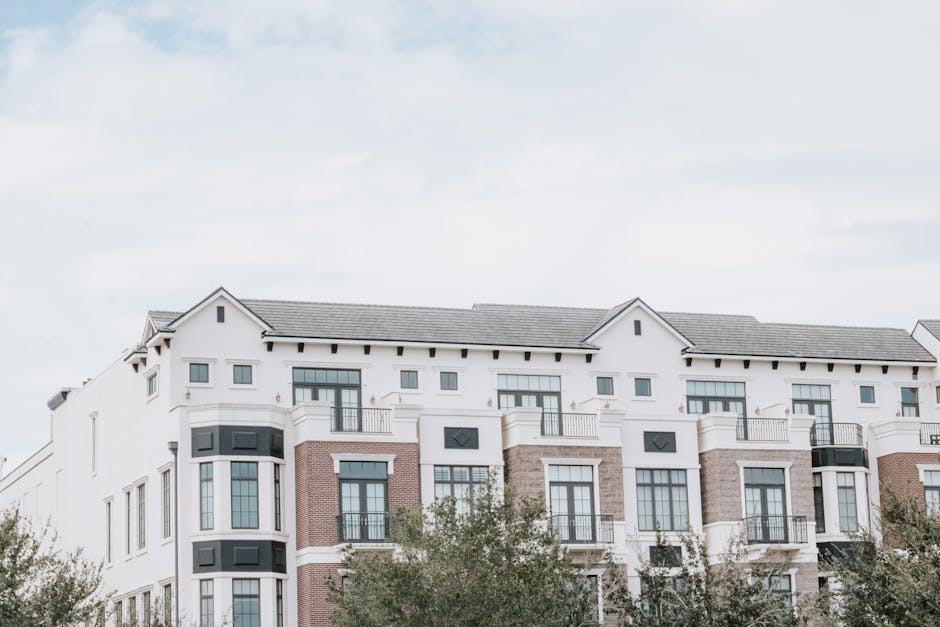
Currently, the median list price in the luxury segment holds steady at $2,300,000, with an average list price approaching $3,000,000. These figures suggest a market that is maturing rapidly. Buyers are no longer just looking for square footage; they are prioritizing structural integrity, privacy, and long-term asset security. For those analyzing luxury homes for sale in Tampa, the focus has shifted toward properties that offer documented resilience against environmental factors and high-end finishes that align with international standards. The current inventory of 120 active luxury listings provides a rare window of selection that was largely unavailable during the post-pandemic supply crunch.
Understanding this valuation shift requires a granular look at the specific neighborhoods driving the movement. Areas like Davis Islands and Harbor Island continue to command premiums due to their limited geographic footprint and deep-water access. However, we are seeing emerging value in established districts like Beach Park and Culbreath Isles, where older estates are being systematically replaced by modern masterpieces. The influx of capital is not just staying in residential sectors but is also influencing commercial sale trends, indicating a comprehensive economic expansion across the city core.
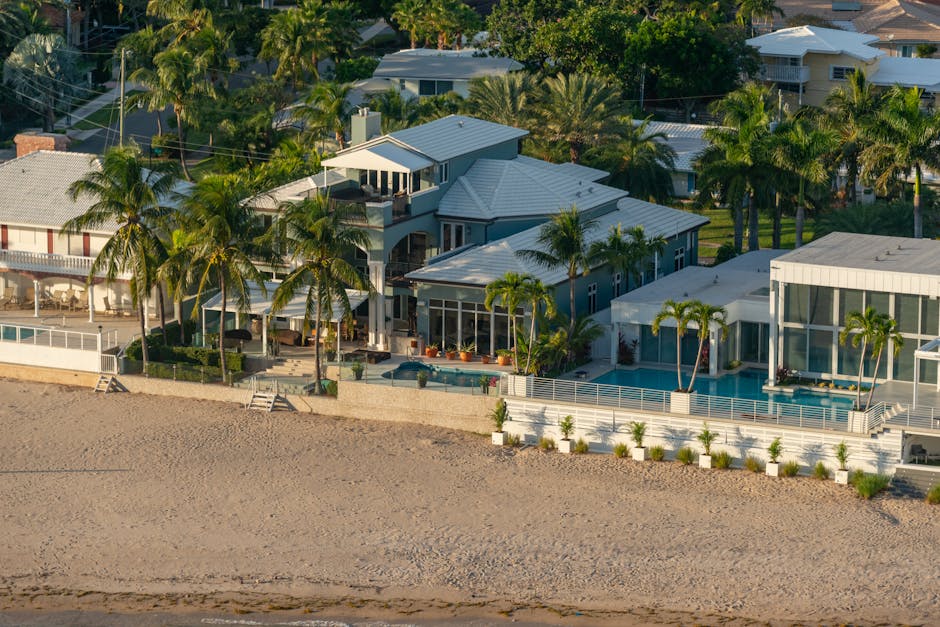
Inventory Surges and Shifting Tax Landscapes
Florida’s luxury market is currently navigating a period of high inventory growth paired with complex tax shifts. According to MSN, the surge in record listings across the state has been influenced by shifting fiscal policies and a migration of wealth from high-tax states. This influx of inventory is a departure from the scarcity-driven market of previous years, providing sophisticated buyers with increased leverage. In Tampa, this manifests as a more balanced negotiation environment where thorough due diligence and precise timing are rewarded.
Tax considerations remain a primary driver for luxury acquisitions in the Bay area. The homestead exemption and the absence of state income tax continue to attract permanent relocations from the Northeast and West Coast. However, buyers must also account for local assessment changes and insurance premiums that are being adjusted to reflect current replacement costs. A professional advisor ensures that these long-term carrying costs are modeled accurately during the acquisition phase to avoid surprises post-closing. The goal is to secure a property that functions as a stable store of value while providing the desired utility for the owner’s family.
The data suggests that while inventory is up, the velocity of high-end sales remains robust. Strategic buyers are focusing on properties with unique site characteristics—such as oversized lots or rare waterfront frontage—that are traditionally insulated from broader market fluctuations. By analyzing the record-breaking sales of 2025, it becomes clear that properties with turnkey modern upgrades are moving faster than those requiring significant renovation. This preference for immediate utility is a hallmark of the current market cycle, where time-to-occupancy is valued almost as highly as the purchase price itself.
The Strategic Evolution of the Luxury Condo Sector
Tampa is often categorized as an early-stage luxury condo market, but recent developments indicate it is quickly reaching a point of inflection. As noted by Tampa Bay Business & Wealth, the transition from mid-tier to high-end vertical living has been accelerated by the demand for full-service amenities and the security of lock-and-leave ownership. We are seeing a move away from the generic tower model toward boutique residences that offer privacy, dedicated elevators, and expansive outdoor living spaces.
This shift is particularly evident in neighborhoods surrounding Water Street and the Bayshore corridor. These new developments are attracting a demographic that historically only considered single-family estates in areas like Palma Ceia or Hyde Park. The convenience of being within walking distance to the city’s expanding culinary and cultural scene is a significant draw. When evaluating these vertical assets, buyers should prioritize buildings with healthy reserve funds and a high percentage of owner-occupancy, as these factors contribute to long-term price stability and a more cohesive community environment.
The integration of wellness amenities and professional-grade home offices has become standard in the new luxury condo tier. We recommend that buyers look beyond the surface-level finishes and investigate the technology stack of the building, including air filtration systems, acoustic insulation, and sustainable energy features. These elements, while often overlooked, are critical for maintaining the asset’s competitive edge in a market that will eventually see more supply. For an expert perspective on how these developments compare to single-family alternatives, it is essential to contact an advisor who specializes in the nuances of Tampa’s vertical market.
High-Value Asset Verification Checklist
- Audit the seawall and dockage structural integrity for all waterfront parcels.
- Verify the elevation certificate and current flood zone status to model insurance liability.
- Confirm the age and efficiency of HVAC systems and roof structures for large-scale estates.
- Review historical neighborhood price resilience to ensure the asset can withstand market cycles.
- Assess the proximity to planned infrastructure projects that may impact future privacy or traffic.
- Evaluate the quality of smart-home integration and its compatibility with future technology upgrades.
Identifying Resilience in Established Neighborhoods
The core of Tampa’s luxury appeal lies in its traditional neighborhoods, where historical charm is balanced with modern redevelopment. Davis Islands remains the gold standard for waterfront privacy, with its unique geographic isolation and proximity to downtown. We have observed a trend where buyers are willing to pay a significant premium for homes on the ‘islands’ because of the limited possibility for future expansion. This scarcity creates a natural floor for pricing, even during broader economic shifts.
Similarly, the South Tampa corridor—specifically neighborhoods like Sunset Park and Bel Mar—is seeing a resurgence in demand for larger lot sizes. As buyers seek more space for multi-generational living and specialized amenities like detached fitness studios or extensive outdoor kitchens, these older established areas are becoming the primary target for custom builds. The behavior of modern buyers in these districts is analytical; they are looking at the long-term appreciation potential of the land as much as the structure itself. This trend of ‘land banking’ via luxury residential acquisition is a sophisticated strategy utilized by those looking to preserve wealth across generations.
A critical component of neighborhood resilience is the quality of the local educational and social infrastructure. The presence of highly-rated institutions and well-maintained public spaces like the Bayshore Linear Park adds a layer of intangible value that is not always captured in a standard market report. When we advise clients on acquisitions, we look at the ‘community velocity’—the rate at which new businesses are opening and the frequency of local investments in infrastructure. This qualitative data provides a more complete picture of an area’s future trajectory than simple price-per-square-foot metrics.
Lifestyle Integration and Community Velocity
The luxury experience in Tampa extends beyond the property lines. The city’s cultural maturation is a key factor in its attractiveness to new residents. Local events, such as the vintage markets and specialized dinner series highlighted by Axios, provide a proxy for the community’s social health and growth. For affluent families, the ability to engage in high-end entertainment, from professional music celebrations noted by WUSF to premier festivals, is a necessary component of the local lifestyle.
This cultural density is what differentiates Tampa from other regional markets. The ability to access world-class entertainment and dining without the congestion found in other Florida metros is a significant competitive advantage. Buyers moving from larger cities often cite the balance of ‘big city amenities’ with a ‘neighborhood feel’ as their primary reason for choosing Tampa over South Florida. This sentiment is backed by the stability of the local economy, which is diversified across healthcare, technology, and finance sectors, providing a solid foundation for real estate values.
As the city prepares for future growth, the integration of residential life with professional and social hubs continues to tighten. The development of walkable districts and the enhancement of public transport options, like the downtown trolley system, are practical considerations for modern luxury buyers. These elements contribute to the overall ‘walkability score’ of an asset, which has become a key metric for appreciation. A property that offers both seclusion and convenient access to the city’s cultural pulse represents the ideal configuration for the contemporary high-net-worth resident.
Strategic Acquisition Timing and Market Outlook
The current market environment in Tampa requires a departure from the reactionary buying habits of previous years. With a healthy inventory of 120 luxury properties and a median list price that reflects a stabilized market, buyers have the opportunity to be methodical. Success in this environment is defined by access to off-market data and a deep understanding of neighborhood-level price movements. Decisions should be based on a 5-to-10-year horizon, focusing on assets with intrinsic qualities that cannot be replicated.
As we look toward the remainder of 2026, we anticipate that the disparity between ‘standard’ luxury and ‘ultra-prime’ assets will widen. Properties that feature architectural pedigree, superior construction, and strategic locations will continue to see price appreciation even if the broader market flattens. For sellers, the key to success is meticulous preparation and professional staging to meet the high expectations of today’s analytical buyers. For buyers, the goal is to identify value in an environment where record-breaking listings are setting new benchmarks for quality and scale.
The decision to acquire a high-end asset in Tampa Bay should be supported by professional guidance that looks beyond the surface. From verifying structural integrity to modeling tax implications, a comprehensive approach ensures that your real estate portfolio remains resilient. We invite you to explore our curated selection of listings and engage with our team to discuss your specific acquisition or disposition goals. Browse our current inventory of luxury properties and contact an advisor today to schedule a confidential consultation.
Your next move in Tampa luxury
Get current inventory, pricing guidance, and private-tour support from our brokerage team.
Source highlights
- Tampa Bay’s most expensive luxury home sales of 2025 – Tampa Bay Times
- Florida luxury real estate surges amid record listings, tax shifts – MSN
- Tampa’s Price Record Is $22.5 Million. This Huge Estate Is Asking $115 Million. – WSJ
- Tampa Bay luxury market grows stronger despite national declines – The Business Journals
- Why Tampa remains an early-stage luxury condo market – Tampa Bay Business & Wealth
- New Signature Real Estate Team Emerges Across Tampa Bay: The Nick Janovsky Group Launches with Premier Sotheby’s International Realty – citybiz
- Tampa Bay area music events this weekend: Bob Dylan's birthday celebrations – WUSF
- Things to do with kids this weekend in Tampa, FL – That's So Tampa



