



Navigating Tampa’s Evolving Premium Property Sector
The current cycle of the local high-end property sector requires a distinct shift in acquisition strategy. The frenetic pace of recent years has matured into a stabilized, highly selective environment. With active premium inventory hovering tightly around 120 properties, buyers must prioritize structural integrity, nuanced location data, and long-term asset performance over hasty bids. The current metrics support this refined approach, showing an average list price approaching three million dollars and a median hovering comfortably above two million. This signals that the upper echelon of the market remains robustly capitalized, rewarding methodical buyers while penalizing those who overlook fundamental diligence.
While the broader macroeconomic climate continues to influence national real estate trends, steady inbound migration remains a formidable stabilizing force locally. Recent market analysis highlights how distinct tax advantages and corporate relocations have continuously insulated the state’s premium sector from severe downturns. You can observe the broader implications in recent reports noting how Florida luxury real estate surges amid record listings, reinforcing the reality that demand for well-positioned coastal assets is structural rather than cyclical. For discerning buyers, this translates to a localized landscape where patience, precise valuation models, and aggressive negotiation on terms are paramount to executing a successful transaction.
The composition of available properties is also actively shifting, reflecting a broader demographic transition among affluent buyers entering the region. The blend of classic residential homes, rare land parcels ready for custom construction, and high-amenity commercial-adjacent properties presents diverse avenues for strategic capital deployment. Identifying the correct asset class requires looking far past superficial interior finishes. It demands a rigorous understanding of underlying neighborhood trajectories, specific municipal zoning allowances, and upcoming civic infrastructure plans that will inevitably dictate long-term livability and future market liquidity.

The Emergence of Vertical Living and Downtown Reshaping
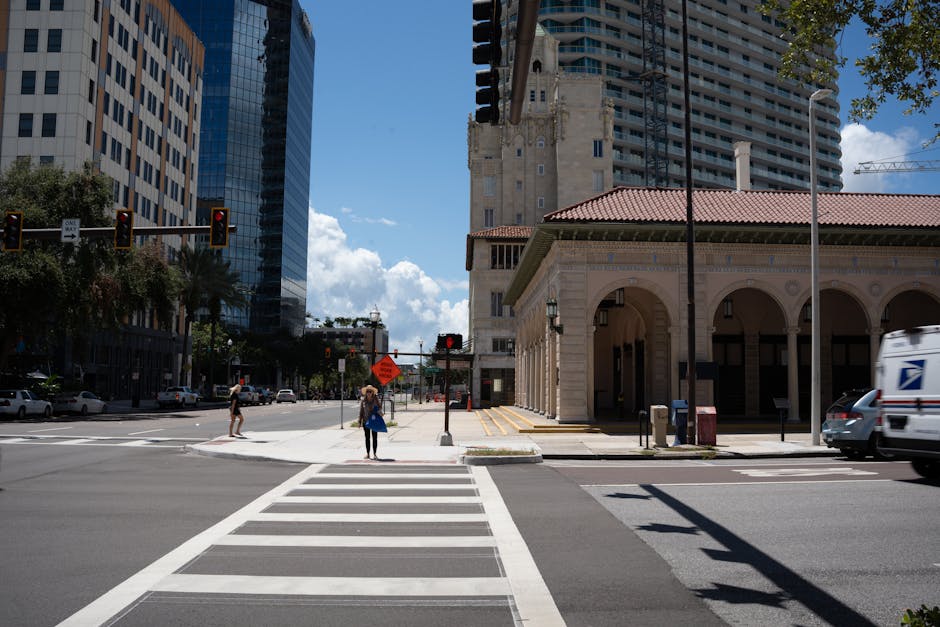
Historically, the highest-valued real estate transactions in the region were almost exclusively concentrated along the deep-water expanses of Davis Islands or within the historic, tree-lined avenues of South Tampa. Today, the local skyline is undergoing a fundamental and highly capitalized transformation, introducing a sophisticated tier of vertical living. Buyers who previously would only consider sprawling single-family estates are increasingly evaluating the locked-door security, convenience, and elevated amenities of ultra-premium condominiums. This profound shift is particularly evident throughout the downtown core and the Water Street district, where significant institutional capital is actively redefining the city’s urban footprint.
The physical progression of these developments is impossible to ignore, with significant new projects continually breaking ground to meet the exacting demands for turn-key, highly serviced residences. For instance, recent commercial intelligence confirms that demolition has actively begun to make way for luxury condos in downtown Tampa, signaling sustained developer confidence in the urban core’s trajectory. For buyers considering these pre-construction or early-stage developments, the analysis must be exceptionally precise. The focus should center squarely on the developer’s completion track record, the precise orientation of specific floorplates relative to future sightline obstructions, and the exact legal composition of the initial association reserves.
However, it is absolutely essential to recognize the current maturity level of this specific sector before committing funds. The current product offerings and service layers are still evolving when compared directly to heavily established vertical markets. This early-stage dynamic presents a unique, high-upside opportunity for strategic early adopters to secure prime positions before the market fully matures, provided they conduct rigorous, unsentimental due diligence on the building’s core infrastructure, elevator redundancies, and the surrounding neighborhood’s commercial absorption rates.
Evaluating Traditional Estates and Historic Waterfronts
For purists who prefer tangible, land-backed assets, the traditional strongholds of the local market continue to command extraordinary premiums and fierce loyalty. Established enclaves such as Culbreath Isles, Parkland Estates, and the broad, iconic stretches of Bayshore Boulevard offer an entrenched prestige that emerging vertical developments simply cannot replicate overnight. The pricing in the region is heavily anchored and sustained by these legacy estates. These properties offer mature oak canopies, grandfathered deep-water dockage, and stringent architectural covenants that protect baseline valuations from localized overdevelopment.
The pricing ceiling of this specific market segment is continually being pushed upward by legacy properties undergoing massive, no-expense-spared renovations or complete structural rebuilds. The sheer scale and ambition of what is legally and architecturally possible in the ultra-prime sector is expanding year over year. We are currently observing a market environment where one huge estate is asking an unprecedented $115 million, drastically redefining the perceived boundaries of local property valuations. While such staggering figures represent the absolute statistical pinnacle, they create a measurable, undeniable ripple effect. They establish entirely new comparative baselines for surrounding waterfront properties, pulling neighborhood averages higher in their wake.
When evaluating these highly priced legacy estates, the analytical focus must shift entirely to site-specific environmental realities. A property’s exact location on a navigable canal, its unhindered proximity to open bay waters, the documented age and composition of its seawall, and its precise elevation profile are the actual, non-negotiable determinants of its long-term value. A meticulously renovated, designer-curated interior means absolutely nothing if the foundational infrastructure is fundamentally compromised or if waterfront access is severely restricted by challenging winter tides. Buyers must routinely engage independent structural engineers and specialized marine contractors extremely early in the evaluation process to ensure the underlying physical asset matches the surface-level financial valuation.
Strategic Due Diligence for Premium Acquisitions
Executing a seamless, fully protected acquisition in the high-end sector requires transitioning immediately from emotional architectural appreciation to cold, systematic evaluation. With average list prices approaching the three million dollar threshold, the financial margin for administrative or inspection oversight is effectively zero. Buyers must coordinate a specialized, highly responsive team to ruthlessly verify every aspect of a property’s physical condition and legal standing well before their initial escrow deposit becomes non-refundable.
To ensure a comprehensive, watertight evaluation, prospective buyers should formally mandate specific verifications during their inspection and due diligence periods. Bypassing any of these steps leaves the buyer exposed to significant, unquantified post-closing liabilities that can severely impact the asset’s overall return profile.
- Verify the exact municipal flood zone designations and the strict base flood elevation requirements for any anticipated future ground-floor renovations or expansions.
- Commission a specialized, independent marine survey for all waterfront properties to assess the sub-surface structural integrity of seawalls, pilings, docks, and mechanical boat lifts.
- Review the comprehensive wind mitigation capabilities, focusing exclusively on the documented age and insurance rating of the roof, the installation of high-impact glazing, and modern structural tie-downs.
- Audit the municipal records for all unpermitted additions, enclosed spaces, or major electrical renovations from previous owners, which will severely complicate insurance procurement and future resale efforts.
- Analyze the homeowners’ association balance sheets and long-term reserve studies, particularly for older condominiums, to accurately anticipate and model future special assessments.
- Confirm the specific neighborhood zoning overlays, particularly within strict historic districts like Hyde Park, which legally dictate and often heavily restrict exterior modification guidelines and demolition rights.
Completing this rigorous checklist is not simply about finding convenient reasons to terminate a pending contract; it is about establishing a highly accurate, empirically backed baseline for the property’s true, ongoing cost of ownership. Uncovering a deferred maintenance issue regarding a deteriorating seawall or an impending, underfunded community roof assessment provides critical, quantifiable leverage during the final negotiation phases. This ensures that the final acquisition price accurately and fairly reflects the asset’s immediate, required capital expenditures.
Lifestyle Integration and Community Dynamics
Purchasing a premium property in this region is inextricably linked to integrating seamlessly into the established community fabric. The most successful, long-term acquisitions occur when the physical structure flawlessly aligns with the buyer’s desired daily operational cadence. Whether prioritizing immediate, low-traffic access to private aviation facilities, high walkability to the culinary establishments emerging in Water Street, or the quiet, sprawling seclusion of a gated Tampa Palms enclave, the neighborhood’s specific micro-culture is arguably as crucial as the architect’s floor plan.
Understanding this nuanced cadence requires intentionally observing the target area during various times, traffic patterns, and local civic events. The cultural calendar often provides a genuine, unfiltered lens into the local lifestyle and infrastructure capacity. For example, spending time navigating the city infrastructure during Memorial Day weekend events or observing the localized foot traffic around vintage markets and weekend neighborhood festivals offers invaluable perspective. These moments reveal authentic traffic bottlenecks, ambient noise profiles, and true neighborhood connectivity. These highly localized, experiential data points often dictate long-term resident satisfaction far more accurately than the pure square footage of the primary suite.
Furthermore, a property’s immediate proximity to specific, high-value institutional anchors—such as top-tier specialized medical facilities, elite preparatory schools, and exclusive private clubs—often dictates its ultimate holding power in a fluctuating market. Properties strategically positioned within these established, highly desirable logistical corridors inherently retain their broad appeal and liquidity across varying economic cycles. Discerning buyers must evaluate the underlying asset not just as a static residence, but as a dynamic base of personal operations that will either seamlessly facilitate or daily hinder their broader lifestyle and professional objectives.
Strategic Next Steps for Discerning Buyers
The current local real estate environment demands a highly consultative, fiercely data-driven approach to every transaction. Navigating a complex market characterized simultaneously by historic, record-breaking estate valuations and rapid, large-scale high-rise expansion requires deep localized intelligence and an uncompromising eye for architectural and legal detail. The critical difference between a sound, generational wealth-preserving acquisition and a highly problematic one often rests entirely on granular nuances that are completely invisible in standard online listing syndications or broad, algorithmic price estimates.
Whether you are actively evaluating the specific structural merits and waterfront access of a Davis Islands estate, analyzing the projected sightlines and floorplates of an upcoming downtown pre-construction condominium, or meticulously comparing the legacy architectural charm of South Tampa to the expansive, newer gated developments to the north, retaining professional guidance is imperative. A senior, specialized advisor provides the rigorous analytical framework necessary to separate superficial aesthetic appeal from lasting, foundational architectural and locational value.
To begin a rigorous, confidential evaluation of the current high-end inventory and to identify specific properties that strictly align with your exacting acquisition criteria, we invite you to systematically review our active portfolio of luxury homes for sale. When you are fully prepared to initiate a targeted, discreet property search, or if you simply require an independent, unvarnished analysis of a specific target property, we encourage you to contact our advisory team to schedule a private consultation.
Your next move in Tampa luxury
Get current inventory, pricing guidance, and private-tour support from our brokerage team.
Source highlights
- Florida luxury real estate surges amid record listings, tax shifts – MSN
- Tampa Bay’s most expensive luxury home sales of 2025 – Tampa Bay Times
- Demolition begins to make way for luxury condos in downtown Tampa – The Business Journals
- Tampa’s Price Record Is $22.5 Million. This Huge Estate Is Asking $115 Million. – WSJ
- Why Tampa remains an early-stage luxury condo market – Tampa Bay Business & Wealth
- New Signature Real Estate Team Emerges Across Tampa Bay: The Nick Janovsky Group Launches with Premier Sotheby’s International Realty – citybiz
- Tampa Bay area music events this weekend: Bob Dylan's birthday celebrations – WUSF
- Things to do with kids this weekend in Tampa, FL – That's So Tampa



