


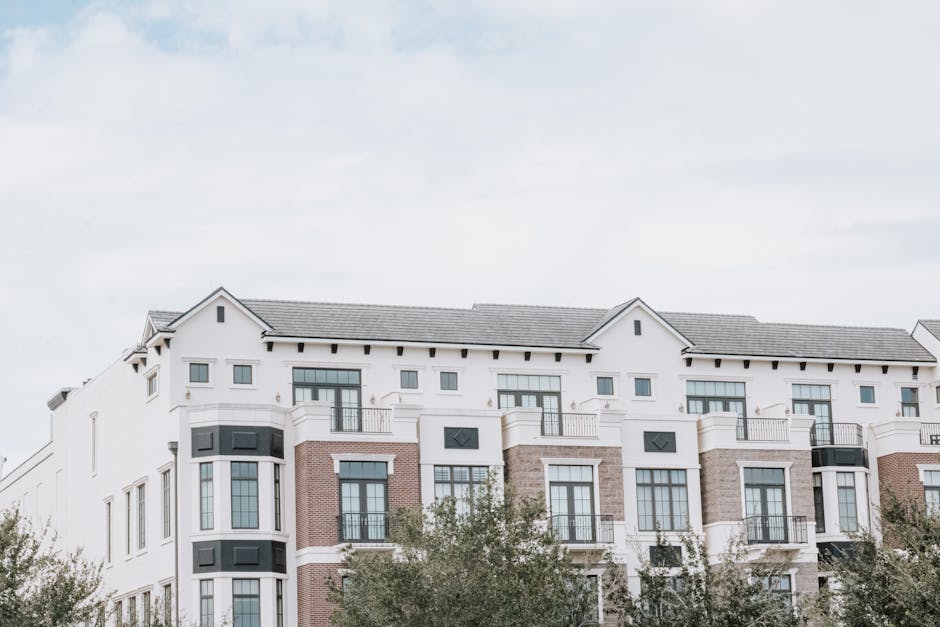
The Capital Shift to Tampa Bay
Tampa has transitioned from a regional center to a primary destination for high-net-worth capital, a move underscored by a documented $675 million surge in luxury investment. This influx represents more than just a preference for the Florida climate; it is a calculated migration of wealth seeking stability and asset appreciation in a market that remains in its early stages of vertical luxury development. As other major Florida metros reach saturation, Tampa offers a compelling combination of available inventory and long-term growth potential.
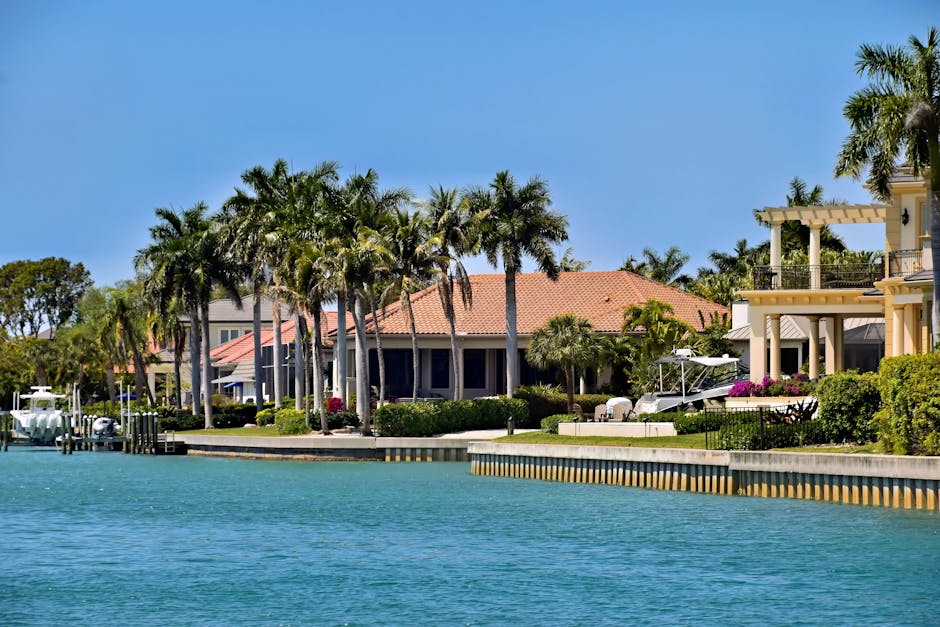
According to recent reports on Tampa’s luxury investment surge, the city has become a focal point for institutional-grade residential assets. This institutional interest often precedes significant infrastructure improvements, which in turn bolsters private residential values. For the sophisticated buyer, the current environment provides a window to acquire property in a city that is fundamentally reshaping its skyline and its economic base.
The movement of capital is not limited to residential acquisitions. Commercial developments and mixed-use projects in the downtown core are creating a density of amenities that historically didn’t exist in the region. This development cycle is attracting a demographic of buyers who prioritize walkability and proximity to high-end service hubs, shifting the traditional focus from sprawling suburban estates to integrated urban luxury. Understanding this shift is critical for those looking to maintain liquidity in their real estate portfolios over the next decade.
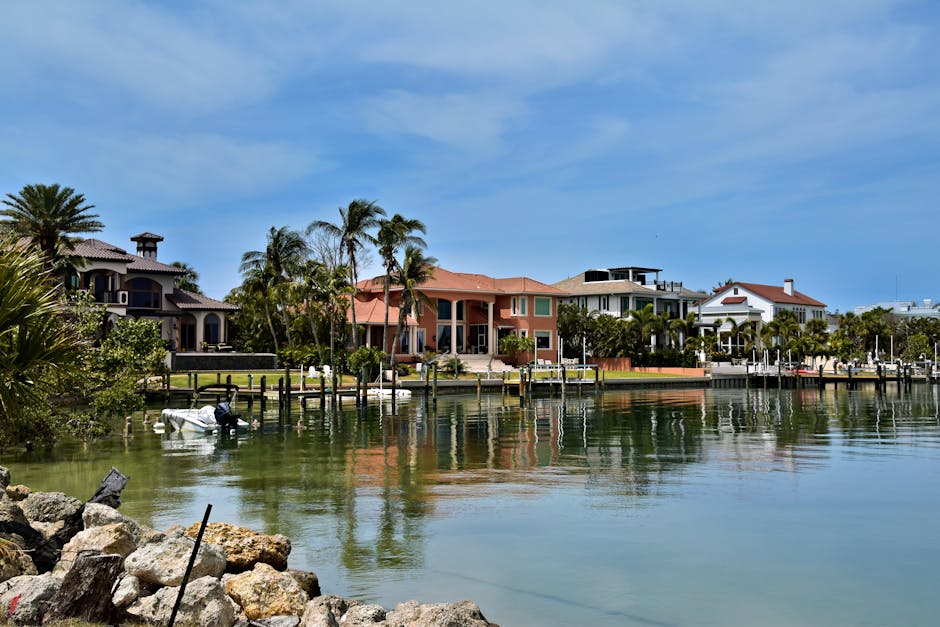
Analyzing Inventory and Pricing Equilibrium
As of mid-2026, the luxury sector in Tampa maintains a median list price of $2,272,925, with a healthy inventory of approximately 120 active listings. While these figures represent a significant entry point, they also reflect a market that has found a temporary equilibrium. Unlike the volatile spikes seen in previous years, current pricing is supported by tangible demand and limited supply in the most desirable waterfront and historic neighborhoods. This stability allows buyers to perform more thorough due diligence without the pressure of irrational bidding wars.
The average list price in the luxury segment currently sits at $3,085,233, driven by a handful of ultra-high-end properties that push the upper limits of the market. These properties, often located in Davis Islands or along Bayshore Boulevard, set the benchmark for the region’s architectural standards. For buyers, these high-water marks serve as a guide for what is possible in terms of customization, privacy, and technology integration. However, the true value for many lies in the median range, where property quality meets sustainable market demand.
Inventory turnover remains steady, though days-on-market metrics have elongated slightly. This change is beneficial for the deliberate buyer; it provides the time necessary to evaluate structural integrity and local zoning implications. In a market where high-end listings are surging amid record listings and tax shifts, the ability to wait for the right asset is a strategic advantage. Selective acquisition is the hallmark of the successful 2026 buyer.
Neighborhood Dynamics: South Tampa and Davis Islands
The concentration of wealth in South Tampa continues to intensify, particularly in the established corridors of Hyde Park and Palma Ceia. These areas offer a historical context that newer developments cannot replicate, providing a sense of permanence and community. Buyer behavior in these neighborhoods is increasingly focused on the preservation of architectural character combined with modern internal upgrades. The demand for ‘transitional’ style homes—where classic exteriors meet minimalist, high-tech interiors—is currently at an all-time high.
Davis Islands remains the apex of Tampa’s waterfront luxury, benefiting from its unique geography and private aviation access. The island’s lack of through-traffic and its proximity to the urban core make it a preferred enclave for professional athletes, executives, and those seeking a high degree of privacy. Recent sales data indicates that oversized lots with deep-water dockage are the most insulated from market fluctuations, maintaining their value even when broader economic indicators soften.
Beyond the islands, areas like Beach Park and Culbreath Isles are seeing a resurgence in interest as buyers look for larger lot sizes that are increasingly rare in the city center. These neighborhoods provide the space required for extensive outdoor living areas and multi-car galleries, which have become standard requirements for luxury residences in 2026. Comparing the land value per square foot across these neighborhoods is a primary step in our advisory process to ensure long-term equity protection.
Strategic Acquisition Checklist
Navigating a multi-million dollar transaction requires a systematic approach to risk mitigation and value identification. Before finalizing any purchase agreement in the Tampa market, we recommend the following assessments:
- Verify the elevation and flood zone status relative to the 2026 updated FEMA maps.
- Audit the property’s smart-home infrastructure for compatibility with current cybersecurity standards.
- Review the historical architectural significance to understand potential limitations on future renovations.
- Examine the proximity to planned infrastructure projects, such as the downtown transit expansions.
- Analyze the recent comparable sales within a tight two-mile radius, excluding distressed or non-arm’s-length transactions.
- Evaluate the potential for vertical development in the immediate vicinity that may impact privacy or sightlines.
The Vertical Evolution: Downtown Luxury Condos
Tampa is currently identified as an early-stage luxury condo market, a status that presents a unique opportunity for investors and residents alike. While cities like Miami have long been defined by their high-rise profiles, Tampa is only now seeing the emergence of true five-star residential towers. These developments are bringing a level of service—concierge, private wellness centers, and climate-controlled storage—that was previously unavailable in the local market.
The transition toward vertical living is driven by a desire for a lower-maintenance lifestyle without compromising on quality or space. Modern luxury towers in the Water Street and Westshore districts are designed with expansive terraces and floor-to-ceiling glass, offering views of Hillsborough Bay that were once exclusive to a few dozen waterfront estates. This shift is particularly attractive to buyers who split their time between multiple geographies and require a ‘lock-and-leave’ capability.
Furthermore, the demolition of older structures to make way for these towers indicates a long-term commitment to urban density. As more people move into the downtown core, the surrounding infrastructure—restaurants, retail, and cultural venues—continues to improve. This creates a self-reinforcing cycle of value. When evaluating these units, it is essential to look beyond the interior finishes and scrutinize the developer’s track record and the long-term health of the association’s reserve funds.
External Drivers: Tax Migration and Wealth Influx
The continued migration of wealth from high-tax states remains a primary driver of the Tampa real estate market. This is not a new trend, but the scale and permanence of the movement have shifted. Buyers are no longer just looking for secondary vacation homes; they are relocating their primary residences and, in many cases, their business headquarters. This shift provides a stable foundation for the luxury market, as these buyers are typically less sensitive to interest rate changes and more focused on long-term wealth preservation.
Florida’s favorable tax environment, combined with Tampa’s relatively lower cost of living compared to other global hubs, makes the city a logical choice for tax-efficient estate planning. This influx of sophisticated capital is also impacting the local cultural landscape. From high-end music events to specialized family activities, the city is evolving to meet the expectations of its new residents. For example, recent local coverage highlights a diverse array of festivals and downtown events that cater to this growing demographic.
Additionally, the rise of remote work at the executive level has decoupled the need to live in traditional financial centers. Tampa’s airport, consistently ranked among the best in the country, provides the necessary connectivity for those who still need to travel for business while enjoying the benefits of a coastal lifestyle. This connectivity is a critical factor in the sustained demand for high-end homes in neighborhoods that offer both privacy and easy access to the aviation hub.
Decision Framework for 2026 Acquisitions
As we move through the remainder of 2026, the strategy for luxury acquisition should be one of disciplined selection rather than speculative growth. The market is healthy, but it rewards those who understand the nuances of neighborhood-level movements and the intrinsic value of high-quality construction. Buyers should prioritize properties that offer unique, non-replicable features—whether that is a specific view corridor, a historically significant facade, or a double-lot configuration in an area where land is at a premium.
It is also important to consider the environmental resilience of a property. In the current climate, features like integrated storm protection, sustainable energy systems, and advanced drainage solutions are no longer optional ‘extras’; they are fundamental components of a home’s value. Our advisory approach involves a deep dive into these technical aspects to ensure that your investment is protected against both market shifts and environmental variables. The goal is to acquire an asset that serves as both a sanctuary and a robust piece of a broader investment portfolio.
To navigate this complex landscape effectively, access to real-time data and off-market opportunities is essential. Our team specializes in identifying these unique assets and providing the analytical framework needed to make informed decisions. We invite you to browse our current luxury listings to understand the current market standard, and subsequently contact an advisor to discuss how we can align our market insights with your specific acquisition goals.
Your next move in Tampa luxury
Get current inventory, pricing guidance, and private-tour support from our brokerage team.
Source highlights
- Florida luxury real estate surges amid record listings, tax shifts – MSN
- Tampa Bay’s most expensive luxury home sales of 2025 – Tampa Bay Times
- Demolition begins to make way for luxury condos in downtown Tampa – The Business Journals
- Why Tampa remains an early-stage luxury condo market – Tampa Bay Business & Wealth
- New Signature Real Estate Team Emerges Across Tampa Bay: The Nick Janovsky Group Launches with Premier Sotheby’s International Realty – citybiz
- Inside Tampa’s $675 Million Surge: How the City Became Florida’s New Luxury Investment Capital – hauteresidence.com
- Tampa Bay area music events this weekend: Bob Dylan's birthday celebrations – WUSF
- Things to do with kids this weekend in Tampa, FL – That's So Tampa



