The 2026 Inventory Surge and Pricing Stabilization
The Tampa luxury real estate sector is currently navigating a significant transition period defined by a notable increase in available inventory. Recent data indicates approximately 120 active luxury listings across the primary metropolitan areas, a volume that suggests a shift toward a more balanced negotiation environment between buyers and sellers. This surge in supply is occurring alongside a broader trend identified in recent reports from MSN, which highlights how Florida’s high-end market is reacting to record listings and evolving tax policies. For the sophisticated buyer, this represents an opportunity to exercise greater selectivity than was possible during the aggressive acquisition cycles of previous years.
Current market metrics place the median list price for premium properties at $2,272,925, with the average list price exceeding $3,085,000. These figures reflect a stabilizing valuation landscape where pricing accuracy is paramount. We are seeing a divergence in performance between over-leveraged listings and those priced strictly according to current absorption rates. Buyers are no longer rushing into contracts; instead, they are prioritizing properties that demonstrate clear long-term value and structural integrity. The influx of inventory allows for more comprehensive due diligence, which has become a standard requirement for transactions in the seven-figure range.
The market movement in neighborhoods such as Beach Park and Culbreath Isles reflects this new reality. While inventory has grown, the demand for turn-key residences remains consistent among domestic migrants and local executives upgrading their primary homes. The seasonal climate, characterized by late May temperatures reaching the mid-90s and high humidity, often dictates the pace of physical property tours, yet the digital inquiry volume remains robust. Understanding the interplay between these supply levels and the underlying buyer psychology is essential for anyone looking to navigate the current Tampa landscape effectively.
Vertical Development: The Downtown Condo Transition
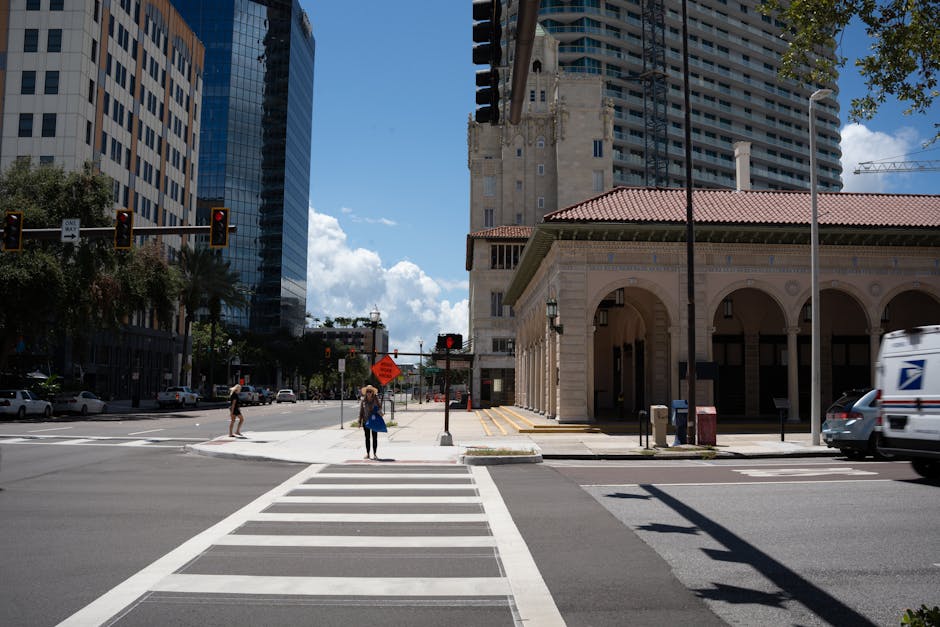
The skyline of Downtown Tampa is undergoing a physical transformation that signals the next phase of urban density and luxury living. A significant catalyst for this change is the ongoing demolition of older structures to make way for high-density, ultra-luxury condominium towers. As reported by The Business Journals, these developments are focused on providing a level of amenity and security that appeals to both international investors and relocating executives from the Northeast and Midwest. This vertical expansion is essential as land availability in traditional neighborhoods like Davis Islands becomes increasingly constrained.
These new developments are not just about adding units; they are about redefining the expected standard of living in the urban core. We are observing a trend toward larger floor plans that mimic the square footage of single-family homes but offer the convenience of a managed high-rise environment. This shift is particularly attractive to buyers who prioritize proximity to the Water Street district and the evolving cultural corridor. The pricing for these units often mirrors the upper tier of the residential market, with some penthouses setting new benchmarks for price-per-square-foot in the region.
The transition toward more vertical luxury inventory is also a response to the changing lifestyles of modern buyers who seek a ‘lock-and-leave’ capability. For those managing global portfolios or split-residency arrangements, the security and maintenance-free aspect of a downtown condo are high-priority factors. As we analyze the luxury homes for sale, it is clear that the distinction between traditional suburban estates and high-end urban residences is blurring, with both segments competing for the same pool of affluent capital.
The Impact of 6.09 Percent Mortgage Rates on Liquidity
While the luxury market is often associated with cash transactions, the recent adjustment of mortgage rates to approximately 6.09% has had a tangible impact on overall market liquidity. According to Tampa Bay Business & Wealth, this moderate decrease in rates from their recent peaks has provided a lift to new construction supply and incentivized buyers who utilize financing as a strategic tool for capital preservation. Even for high-net-worth individuals, the cost of capital remains a relevant variable in the decision-making process, particularly when comparing real estate yields against other asset classes.
The current rate environment has encouraged a segment of the market that was previously on the sidelines to re-engage with active listings. This is particularly evident in properties priced between $1,500,000 and $2,500,000, where financing is more frequently leveraged. For instance, recent activity around N Grady Avenue and W Waters Avenue shows that buyers are highly sensitive to the value proposition offered by modern construction versus the cost of renovation in an elevated interest rate environment. The ability to lock in a rate near the 6% mark has improved the affordability of these high-end assets for many corporate professionals.
Furthermore, the stabilization of rates provides a more predictable framework for builders and developers. As new construction continues to enter the market, we expect to see a continued emphasis on energy efficiency and smart technology—features that help offset higher insurance and maintenance costs. For buyers, the advice remains to work closely with specialized lenders who understand the nuances of jumbo loans and non-traditional income structures common in the luxury segment. To discuss specific financing strategies for your next acquisition, you should contact an advisor to review current market-specific lending options.
Executive Migration and the Corporate Relocation Wave
The sustained influx of C-suite executives and corporate leadership into the Tampa Bay area remains a primary driver of the luxury market’s resilience. This migration is not merely a search for lifestyle improvements; it is a calculated business move driven by Florida’s favorable regulatory environment and the growing density of professional services. A column in The Business Journals examines why executives continue to choose the region, citing the synergy between Tampa’s growing tech hub and the residential appeal of neighboring St. Petersburg. This cross-bay movement has created a unified luxury market where executives often live on one side of the bay while operating businesses on the other.
This executive class brings with it a set of specific requirements for residential real estate. High-speed connectivity, sophisticated home office suites, and advanced privacy measures are no longer optional additions; they are core requirements. We are seeing a particular interest in the Hyde Park and South Tampa areas due to their proximity to top-tier private clubs and corporate headquarters. The buyer profile is increasingly analytical, looking for data on historical appreciation and neighborhood-level infrastructure improvements before committing to a purchase.
The impact of this migration is also visible in the types of properties that are setting price records. As noted by the Tampa Bay Times in their review of the most expensive sales, the highest-priced transactions often involve unique waterfront estates or meticulously restored historic properties that offer a sense of permanence and prestige. These buyers are looking for legacy assets that can serve as both a primary residence and a long-term store of wealth in an increasingly volatile global economy.
Essential Due Diligence for Tampa Luxury Acquisitions
Successful acquisition in the current market requires a disciplined approach to due diligence that goes beyond the standard home inspection. With the increase in inventory and the complexity of modern building codes, buyers must verify several key factors to ensure the integrity of their investment. The following checklist outlines the critical areas of focus for high-end buyers in the Tampa region.
- Verification of elevation certificates and current flood zone designations to assess insurance implications.
- Comprehensive review of structural modifications, particularly for historic homes in Hyde Park and Davis Islands.
- Assessment of smart home system compatibility and the security of integrated digital infrastructure.
- Detailed analysis of recent comparable sales within a narrow radius to validate current list prices.
- Inquiry into pending neighborhood developments or infrastructure projects that may impact future privacy.
- Review of homeowners association (HOA) financial health and any scheduled assessments for high-rise units.
Adhering to these steps ensures that the buyer is fully informed of both the tangible and intangible aspects of a property. In a market where the median list price is over $2.2 million, even minor oversights in the due diligence phase can lead to significant financial consequences. Working with a senior advisor who understands the specific geological and regulatory challenges of the Florida coast is the most effective way to mitigate these risks.
Regional Sub-Market Divergence: South Tampa vs. Westshore
As the market expands, we are observing a distinct divergence in how different sub-markets within Tampa are performing. South Tampa remains the anchor for luxury residential value, driven by its established reputation, school districts, and mature canopy. However, the Westshore area is emerging as a powerful competitor, particularly for those who value proximity to the airport and the new mixed-use developments that are bringing retail and dining closer to residential pockets. This competition is healthy for the market, as it provides buyers with a broader range of architectural styles and neighborhood vibes.
In South Tampa, the focus remains on traditional luxury—large lots, architectural consistency, and a sense of community. Here, properties like the ones on W Dr Martin Luther King Jr Boulevard, priced near the $2.9 million mark, demonstrate the premium placed on central location and high-visibility prestige. Meanwhile, in areas like North Grady Avenue, we see more contemporary designs that cater to a younger demographic of professionals who prioritize modern aesthetics and efficient use of space. This variety in inventory is a sign of a maturing market that can cater to diverse tastes and needs.
The market movement in these areas is also influenced by local events and community activity, which contribute to the perceived desirability of a neighborhood. For example, the ongoing schedule of festivals and music events in Downtown Tampa and St. Pete, as reported by FOX 13 Tampa Bay, adds to the appeal for those seeking a balance of private luxury and public engagement. Understanding these regional nuances is key to selecting a property that aligns with your specific lifestyle objectives.
Future-Proofing Acquisitions in a Changing Regulatory Environment
Looking toward the remainder of 2026, the Tampa luxury market will likely be shaped by how well buyers and sellers adapt to a changing regulatory and environmental landscape. Tax shifts and insurance reforms are becoming permanent fixtures of the Florida real estate conversation, and successful participants will be those who integrate these factors into their long-term strategy. The focus has shifted from short-term speculative gains to sustainable value and resiliency. This is a positive development for the market, as it encourages more responsible growth and stabilizes the pricing floor for premium assets.
Buyers are increasingly asking about a property’s ability to withstand extreme weather events and its overall energy footprint. This focus on resiliency is reflected in the demand for newer construction that meets the most recent building codes. However, for those who prefer the character of older homes, the focus is on retrofitting and modernization. In both cases, the goal is to create a residence that is not only a comfortable home but also a secure investment. The 2026 market rewards those who take a comprehensive, data-driven approach to their real estate decisions.
The current landscape offers a unique combination of increased inventory, stabilizing prices, and sustained demand from high-quality buyers. While the transition away from the frenetic pace of recent years may feel like a slowdown to some, it is actually a return to a more professional and analytical market environment. For the discerning investor, this is the ideal time to evaluate the current inventory and make strategic acquisitions that will provide value for years to come. We encourage you to browse our current luxury homes for sale and contact an advisor to discuss your specific requirements and how we can assist in navigating this complex market.
Your next move in Tampa luxury
Get current inventory, pricing guidance, and private-tour support from our brokerage team.
Source highlights
- Florida luxury real estate surges amid record listings, tax shifts – MSN
- Demolition begins to make way for luxury condos in downtown Tampa – The Business Journals
- Tampa Bay’s most expensive luxury home sales of 2025 – Tampa Bay Times
- Mortgage rates fall to 6.09% as new construction lifts Tampa supply – Tampa Bay Business & Wealth
- Column: Why executives keep choosing St. Pete – The Business Journals
- Florida Trend Real Estate – Florida Trend
- Tampa Bay area music events this weekend: Bob Dylan's birthday celebrations – WUSF
- Things to do with kids this weekend in Tampa, FL – That's So Tampa