



The Shift Toward Buyer Leverage in the Tampa Corridor
The luxury landscape in Tampa is currently defined by a notable expansion in available inventory. With 120 active listings categorized as high-end, the market has moved away from the extreme scarcity that characterized previous cycles. The average list price currently hovers near $3,085,233, reflecting a segment that remains resilient despite broader economic shifts. This increase in supply allows for more disciplined negotiations, particularly for buyers who prioritize structural integrity and long-term architectural significance over immediate occupancy.
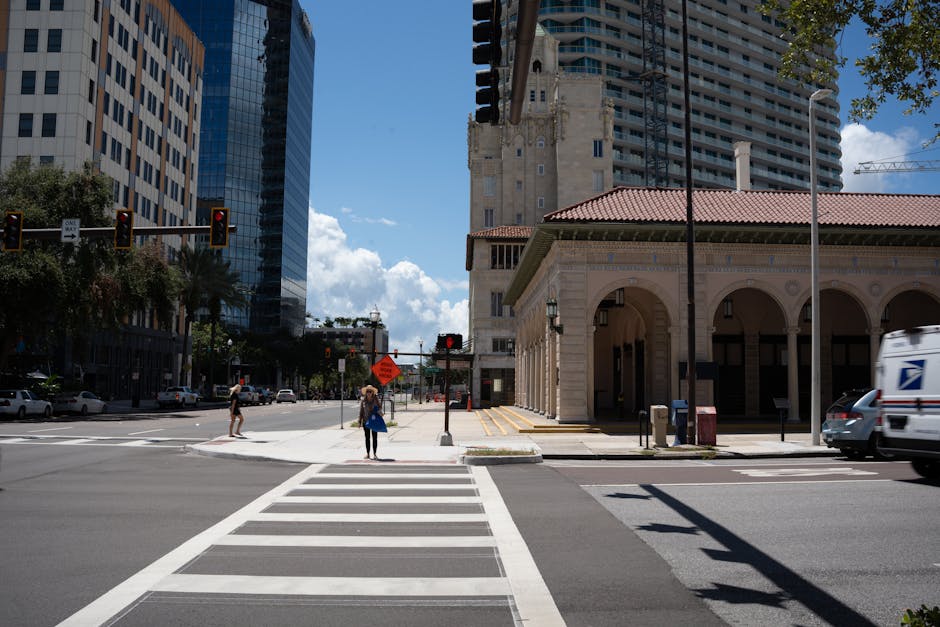
Recent data indicates that the Florida luxury market is surging, driven largely by record listings and significant tax shifts as noted by MSN. For the local Tampa market, this translates to a sophisticated buyer pool that is increasingly focused on value-added acquisitions. The median list price of $2,272,925 serves as a baseline for the region, yet the most sought-after properties frequently exceed the five-million-dollar mark in enclaves such as Bayshore Boulevard and Davis Islands.
Strategic buyers are currently looking past the surface-level aesthetics of a property to evaluate the underlying land value and its potential for appreciation. The presence of land listings at price points near $2,900,000 indicates a continued appetite for custom development. This trend suggests that while turnkey homes remain popular, the most sophisticated investors are increasingly willing to commission bespoke estates that align with modern hurricane-resiliency standards and advanced home automation requirements.
Urban Density and the Evolution of Downtown Residences
Downtown Tampa is undergoing a structural transformation that is redefining the concept of vertical luxury. The recent commencement of demolition to make way for new luxury condos, as reported by The Business Journals, signals a long-term commitment to high-density, premium living. This movement toward the urban core is driven by a desire for walkability and proximity to the city’s evolving culinary and cultural districts.
For the buyer, this shift represents a diversification of the luxury asset class. While traditional waterfront estates remain the gold standard, the emergence of full-service high-rises offers a low-maintenance alternative that appeals to both seasonal residents and local executives. These new developments are integrating wellness centers, private social clubs, and advanced security protocols that were previously only available in major global metropolises. The focus has shifted from mere square footage to the quality of the service layer provided within the building.
When evaluating these new-construction opportunities, it is essential to consider the impact on the local skyline and the subsequent effect on existing property values. The premium for unobstructed water views continues to widen, making the selection of a specific unit’s orientation a critical financial decision. Advisors are increasingly recommending a thorough review of site plans for adjacent lots to ensure that current views are protected from future development phases.
The Executive Migration: Analyzing Regional Preferences
The migration of C-suite executives to the Tampa Bay area is no longer a temporary trend but a permanent fixture of the market. There is a distinct logic behind why executives continue to choose the region, often weighing the benefits of St. Petersburg against the established prestige of Tampa. Insights from The Business Journals highlight that the preference for St. Petersburg often stems from its centralized arts district, while Tampa remains the preferred hub for those requiring proximity to the Westshore business district and the international airport.
This executive influx has created a secondary market for “shadow inventory”—properties that are not officially listed but are available for the right price through private networks. For a senior buyer advisor, navigating this off-market space is where the most significant value is often found. High-net-worth individuals prioritize privacy and a seamless transition, leading to a preference for homes that feature dedicated home offices, staff quarters, and high-speed secure connectivity.
The behavior of these buyers also influences the social calendar and neighborhood dynamics. During holiday periods, such as the upcoming Memorial Day weekend, the region sees a surge in private events and community gatherings. From Memorial Day events in 2026 across the bay to the annual BBQ Fest, the lifestyle component is a significant driver of long-term retention for new residents. These events serve as the primary networking grounds for the city’s newest influential residents.
Financing Strategy: Navigating the Current Interest Rate Environment
While many luxury transactions in the three-million-dollar-plus range are conducted in cash, financing remains a strategic tool for capital preservation. Mortgage rates have recently fallen to approximately 6.09 percent, a shift that has begun to lift the supply of new construction as developers find more favorable terms for project completion. As reported by Tampa Bay Business & Wealth, this softening of rates provides a window of opportunity for buyers to leverage debt while keeping their liquid assets deployed in higher-yield investments.
In the current environment, the decision between a cash purchase and a financed one is increasingly sophisticated. Many advisors suggest that the current 6.09 percent rate makes portfolio-based lending an attractive option for those with significant equity. This allows the buyer to move quickly on highly competitive listings—such as those found on Grady Avenue or West Waters Avenue—without the immediate need for total capital liquidation.
Furthermore, the increase in supply often results in a more rational appraisal process. In previous years, rapid appreciation led to appraisal gaps that buyers were forced to cover out of pocket. In 2026, the market has stabilized enough that valuations are more predictable, providing a safer environment for both lenders and borrowers. This predictability is a key indicator of a maturing market that has moved past speculative bubbles and into a phase of steady, sustainable growth.
- Verification of coastal construction standards and flood mitigation systems for all waterfront properties.
- Evaluation of private school proximity and transit times for the Westshore business district and Downtown.
- Assessment of historical appreciation rates within specific gated communities versus non-gated enclaves.
- Analysis of existing homestead exemption portability for buyers relocating from within the state.
- Review of property management infrastructure and security protocols for secondary or seasonal residences.
Neighborhood Dynamics: From Davis Islands to the Westshore Yacht Club
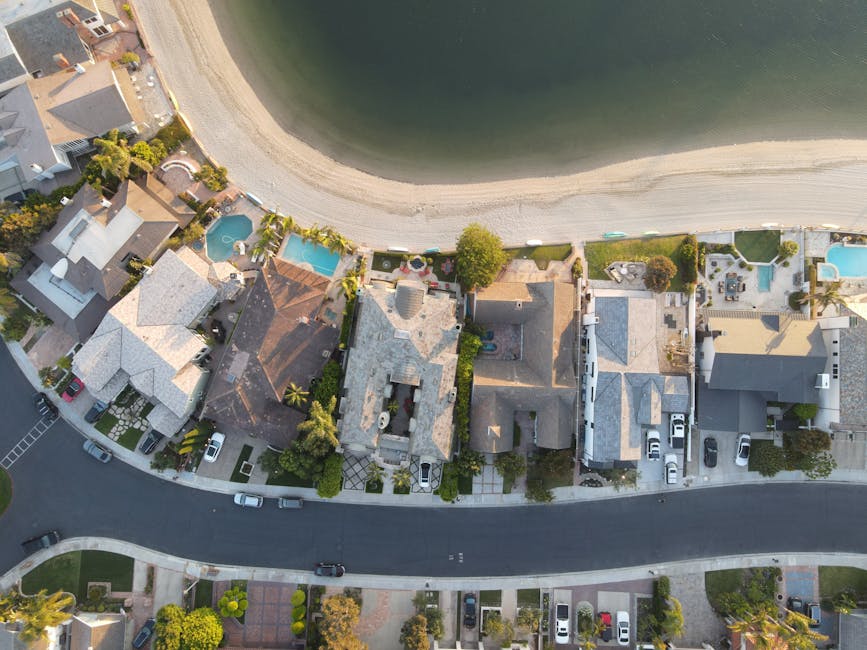
Tampa’s luxury sub-markets each offer a distinct value proposition that goes beyond the physical structure of the home. Davis Islands remains the city’s most prestigious island community, offering a blend of Mediterranean revival architecture and ultra-modern waterfront estates. The absence of through-traffic and the presence of a private airport make it the primary choice for individuals prioritizing anonymity and security. Here, the focus is on large lot sizes and riparian rights that allow for substantial dockage.
Conversely, the Westshore and Beach Park areas appeal to those who value proximity to the region’s commercial centers. Properties in these areas often feature more traditional Florida aesthetics but have been extensively renovated to include modern amenities. The most expensive sales of 2025, as analyzed by the Tampa Bay Times, highlight a trend where buyers are willing to pay a premium for locations that offer a balance between a residential feel and an efficient commute to executive offices.
Hyde Park and Bayshore Boulevard continue to serve as the cultural heart of Tampa’s high-end market. The historic nature of Hyde Park requires a buyer who appreciates architectural heritage and is willing to work within the parameters of historic preservation guidelines. Bayshore Boulevard, however, remains the premier address for those who want a front-row seat to the city’s linear park and bay views. The inventory here is limited, and the competition for prime lots remains high even in a broader buyer’s market.
Inventory Analysis and Long-Term Value Retention
Understanding the composition of the current inventory is vital for any serious acquisition strategy. Of the 120 active luxury listings, a significant portion consists of modern residential properties, but there is also a growing segment of land and commercial-sale opportunities. This variety indicates a multi-faceted market where residential value is often tied to the potential for future development or mixed-use conversion. Buyers should analyze the inventory not just as homes, but as strategic land holdings.
Value retention in the 2026 market is increasingly tied to sustainability and resilience. Homes that feature impact-resistant glazing, reinforced roofing systems, and integrated solar backup are commanding a higher resale value than those that rely on traditional construction methods. This is particularly relevant in coastal areas where insurance premiums are a significant consideration. A proactive advisor will always recommend a comprehensive inspection of these systems as part of the initial due diligence process.
The historical data from the past decade suggests that Tampa’s luxury corridor is less volatile than other Florida markets. While areas like Miami may see sharper fluctuations, Tampa’s growth is anchored by a diverse economy including healthcare, technology, and finance. This economic diversity provides a floor for property values, ensuring that luxury real estate remains a stable asset class for the preservation of multi-generational wealth.
Timing the Entry: Acquisition Strategies for the Current Quarter
For those considering an acquisition in the current quarter, the strategy should be one of patience and precision. The inventory surge provides the opportunity to view multiple properties within the same sub-market and compare finishes, lot orientations, and neighborhood nuances. Unlike the previous market cycle where decisions had to be made within hours, today’s buyers can afford to conduct a more thorough analysis of each property’s long-term utility.
Decision-making should be driven by data rather than market sentiment. Analyzing the average list price of $3,085,233 against recent closing data allows for a more accurate assessment of a property’s true value. Buyers should also consider the seasonality of the market; while summer typically sees a slight slowdown in volume, the consistency of the executive migration means that high-quality properties move year-round. Leveraging the current rain-heavy Memorial Day forecast to view properties under stress can also provide unique insights into a home’s drainage and structural performance.
Ultimately, the goal of any high-end acquisition in Tampa is to secure a property that offers both an immediate lifestyle improvement and a sound financial future. Navigating a market with 120 active luxury options requires a focus on specificity and data. Whether you are evaluating a waterfront estate on Davis Islands or a modern high-rise in the Water Street district, your decision should be informed by current inventory movement and long-term architectural value. To evaluate the latest opportunities, we invite you to browse our current listings or contact an advisor to discuss your specific requirements for a private acquisition.
Your next move in Tampa luxury
Get current inventory, pricing guidance, and private-tour support from our brokerage team.
Source highlights
- Florida luxury real estate surges amid record listings, tax shifts – MSN
- ‘Selling Tampa’ Star Sharelle Rosado Slid into Chad ‘Ochocinco’ Johnson’s DMs – Netflix
- Demolition begins to make way for luxury condos in downtown Tampa – The Business Journals
- Tampa Bay’s most expensive luxury home sales of 2025 – Tampa Bay Times
- Mortgage rates fall to 6.09% as new construction lifts Tampa supply – Tampa Bay Business & Wealth
- Column: Why executives keep choosing St. Pete – The Business Journals
- Tampa Bay area music events this weekend: Bob Dylan's birthday celebrations – WUSF
- Things to do with kids this weekend in Tampa, FL – That's So Tampa



