


The Evolution of Tampa Luxury Inventory and Pricing
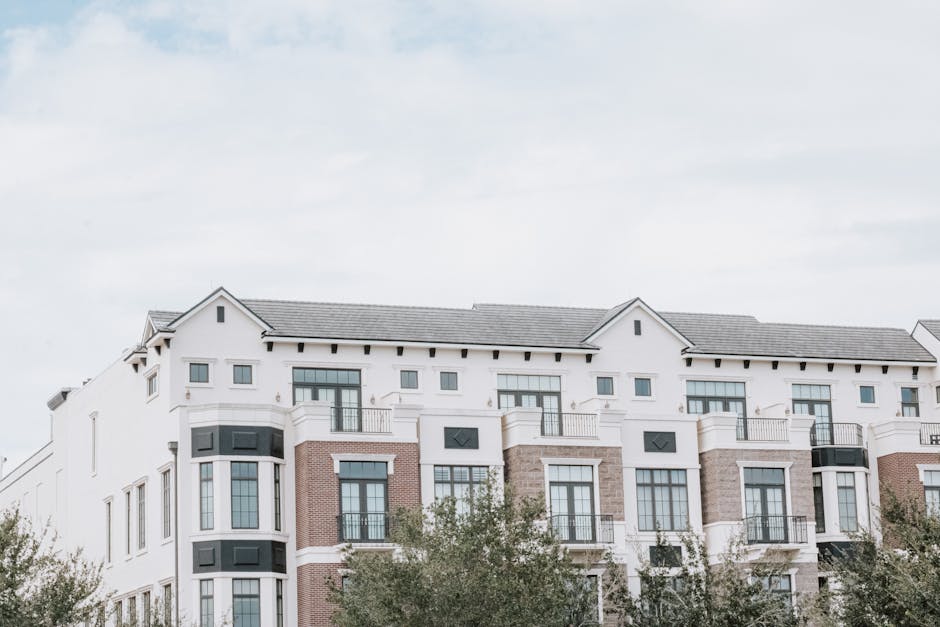
The Tampa luxury residential sector has entered a phase of sophisticated stabilization. As of late May 2026, the market holds approximately 120 active luxury listings, with a median list price established at $2,272,925. This valuation reflects a maturing landscape where buyers are no longer reacting to scarcity but are instead conducting rigorous, value-based assessments of each asset. The average list price of over $3 million suggests a significant concentration of ultra-high-net-worth properties, particularly in established enclaves such as Davis Islands and the waterfront stretches of Bayshore Boulevard.
Unlike previous cycles driven by speculative fervor, current market movements are dictated by capital preservation and functional utility. Sophisticated buyers are prioritizing properties that offer structural longevity and modern mitigation against coastal elements. We are seeing a distinct preference for newer builds or extensively renovated historic homes that meet modern code requirements while retaining the architectural character sought in neighborhoods like Hyde Park and Palma Ceia. The pricing floor for entry-level luxury has effectively solidified, making the identification of undervalued assets a task for seasoned advisors rather than casual observers.
Capital migration into the region remains consistent, though the profile of the typical buyer is shifting toward those seeking primary residences rather than secondary vacation holdings. This trend is reinforced by the ongoing expansion of the professional services sector in downtown Tampa, which continues to attract executives from high-tax jurisdictions. These individuals are bringing a disciplined approach to the local market, often comparing Tampa’s price-per-square-foot metrics against global hubs to justify aggressive acquisitions in the most desirable corridors.
The Surge of Vertical Luxury in the Downtown Core
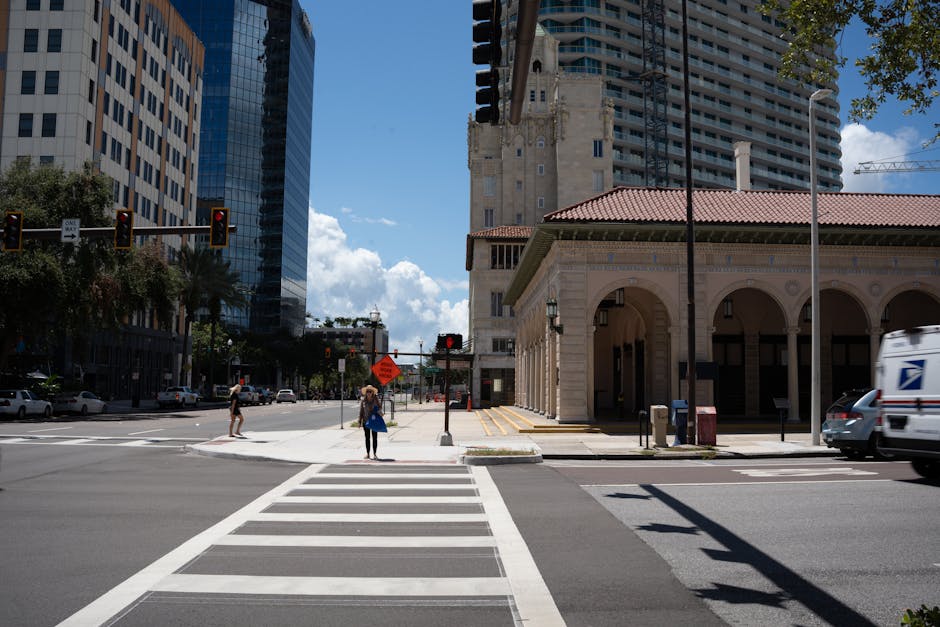
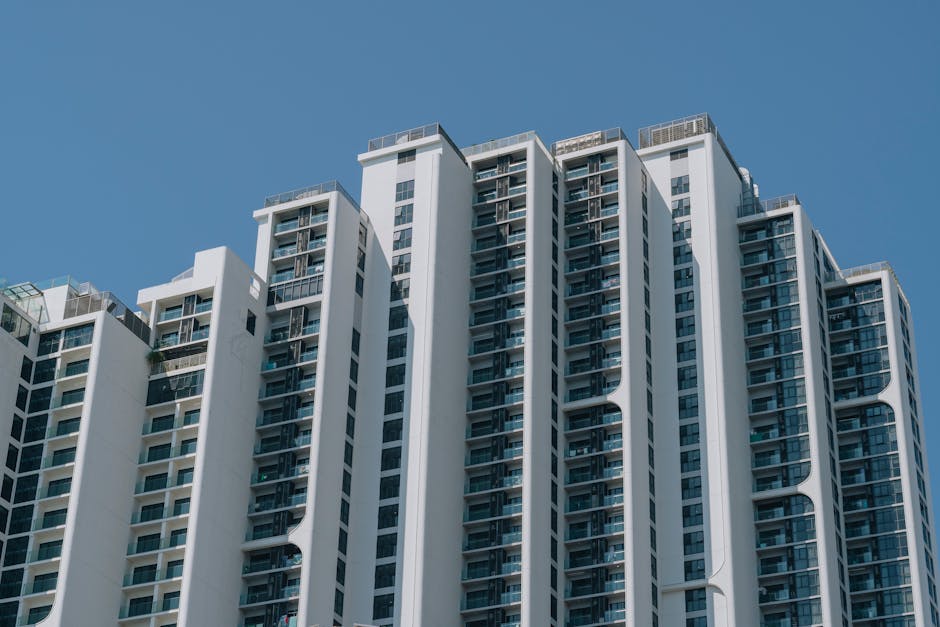
One of the most significant structural shifts in the local landscape is the aggressive expansion of high-end condominiums. Recent developments have seen demolition begin for new luxury towers in downtown Tampa, signaling a long-term bet on vertical living. This movement is driven by a desire for turnkey convenience and comprehensive security, features that are often more difficult to replicate in sprawling suburban estates. For the modern executive, the ability to transition between professional duties and private residence within a managed environment is a primary driver of value.
These new projects are redefining the skyline and the expectations of the local buyer. We are no longer seeing simple residential towers; instead, these are integrated ecosystems featuring concierge services, private wellness centers, and high-degree automation. This shift is exerting pressure on older single-family inventory that lacks modern amenities. Owners of legacy estates in areas like Beach Park are increasingly finding that to compete with the allure of new vertical luxury, significant capital improvements are required to meet contemporary standards of efficiency and technology integration.
The concentration of these developments in the urban core is also fostering a more localized, walkable luxury environment. This urban density is supporting high-end retail and dining, further enhancing the desirability of the surrounding districts. As these towers reach completion, the influx of high-net-worth residents will likely drive further appreciation in neighboring historic districts, as the limited supply of detached homes becomes even more coveted by those who still prefer traditional land ownership over high-rise living.
Buyer Psychology and Interest Rate Corrections
The psychological landscape of the market has been notably impacted by recent macroeconomic shifts. Reports indicate that mortgage rates have fallen to 6.09%, a move that is beginning to unlock inventory that was previously stagnant. While luxury buyers often utilize cash or private wealth management lending, the broader rate environment influences general market sentiment and liquidity. This modest decline in rates has encouraged a segment of sellers to list their properties, providing a much-needed boost to the supply of residential homes.
This increase in supply does not necessarily mean a decrease in competition for prime assets. Rather, it has led to a more discerning selection process. Buyers are now more likely to negotiate on terms rather than just price, focusing on inspection contingencies and closing timelines. The “lock-in effect” that prevented many homeowners from selling over the past two years is beginning to thaw, creating opportunities for those looking to upgrade within the Tampa market. This internal movement is essential for a healthy real estate ecosystem, as it facilitates the flow of capital across different price tiers.
Despite the rate drop, the luxury segment remains relatively insulated from the volatility seen in lower-priced markets. The reliance on substantial down payments and liquid assets means that the decision to buy is often more lifestyle-driven than rate-dependent. However, the favorable financing environment allows for more creative capital allocation, enabling buyers to preserve cash for renovations or other investments while securing debt at more manageable levels than seen in the previous year.
Essential Due Diligence for High-Value Acquisitions
Navigating a multi-million dollar transaction requires more than a simple home inspection. In the current environment, buyers must adopt a rigorous approach to due diligence to ensure the long-term viability of their investment. This is particularly true in coastal areas where environmental factors play a significant role in insurance costs and structural integrity. A senior advisor should facilitate specialized consultations to uncover potential liabilities that may not be apparent during a standard walkthrough.
- Verification of seawall integrity and remaining service life for waterfront parcels.
- Comprehensive review of HOA or COA reserve studies to avoid future special assessments.
- Structural engineering assessments of roof-to-wall connections and impact-rated openings.
- Analysis of unrecorded easements or historical preservation restrictions in older neighborhoods.
- Evaluation of current flood insurance premiums and projected increases under FEMA guidelines.
- Assessment of vertical competition or upcoming developments that could impact view corridors.
Each of these points represents a critical juncture in the decision-making process. For instance, a property in Venetian Isles might see price adjustments based on its specific waterfront exposure and dockage capabilities. Notable listings, such as those recently unveiled at new price points, demonstrate that the market is responsive to detailed appraisal and condition reports. Ignoring these nuances can lead to significant post-acquisition expenses that could have been mitigated during the negotiation phase.
Geographic Nuances: From Davis Islands to Westchase
Tampa’s luxury market is not a monolith; it is a collection of distinct sub-markets each with its own trajectory. Davis Islands continues to serve as the premier destination for those seeking privacy and deep-water access without sacrificing proximity to the urban core. The inventory here remains tightly held, with the few available properties often trading off-market. The allure of this area is bolstered by its unique blend of mid-century charm and modern architectural masterpieces, creating a high barrier to entry that sustains long-term value.
Conversely, the North Tampa and Westchase corridors offer a different value proposition. These areas appeal to buyers prioritizing acreage, gated security, and access to top-tier educational institutions. We are seeing a trend of “lifestyle migration” where families move away from the coastal intensity toward larger estates that offer private amenities like tennis courts, expansive outdoor kitchens, and multi-car showrooms. This segment of the market is less about waterfront status and more about the creation of a private family compound.
The South Tampa peninsula, particularly the areas around Palma Ceia and Beach Park, remains the center of gravity for established local wealth. The demand here is driven by a desire for historical context and community integration. As new construction continues to replace older structures, the character of these neighborhoods is evolving, but the fundamental value of the location—centralized between the business district and the bay—remains unchallenged. Identifying the right neighborhood requires an understanding of how one’s daily logistics and long-term goals align with the specific rhythm of each area.
Memorial Day Momentum and the Summer Outlook
As we approach the summer months, the market typically sees a shift in pace, but the underlying demand remains robust. This weekend’s Memorial Day events across the Tampa Bay area often serve as a catalyst for local buyers to reassess their housing needs before the new school year begins. While the weather forecast suggests typical Florida heat and intermittent rain, the activity in the luxury sector is expected to remain steady. Serious buyers often use the summer lull in general market activity to perform deeper research and secure properties with less competition.
Looking toward the second half of 2026, we anticipate a continued emphasis on “move-in ready” inventory. The cost and complexity of new construction have made existing high-end homes even more attractive, provided they are maintained to a high standard. Sellers who have invested in smart home technology, energy efficiency, and modern aesthetic updates will find themselves in a position of strength. The market is rewarding quality and punishing deferred maintenance more heavily than in years past.
Ultimately, the Tampa luxury market is transitioning from a period of rapid growth to one of sustainable maturity. This provides a more predictable environment for long-term planning. Whether you are looking at a modern condo downtown or a sprawling waterfront estate, the key to success lies in detailed market data and a clear-eyed view of neighborhood-level movements. The current inventory offers a rare window of selection for those prepared to act with precision and local insight.
Secure Your Position in the Tampa Luxury Market
Strategic property acquisition in a market this nuanced requires more than a search engine; it requires a partnership with an advisor who understands the subtle shifts in neighborhood dynamics and structural value. Whether you are looking to divest from a legacy asset or allocate capital into a new primary residence, the current inventory provides diverse opportunities for the disciplined buyer. We invite you to explore our curated selection of luxury homes for sale and reach out to our team to contact an advisor for a private consultation. Navigating the complexities of the 2026 market starts with a conversation grounded in data and a commitment to your long-term objectives.
Your next move in Tampa luxury
Get current inventory, pricing guidance, and private-tour support from our brokerage team.
Source highlights
- ‘Selling Tampa’ Star Sharelle Rosado Slid into Chad ‘Ochocinco’ Johnson’s DMs – Netflix
- Demolition begins to make way for luxury condos in downtown Tampa – The Business Journals
- Tampa Bay’s most expensive luxury home sales of 2025 – Tampa Bay Times
- Mortgage rates fall to 6.09% as new construction lifts Tampa supply – Tampa Bay Business & Wealth
- Jennifer Zales Unveils Venetian Isles Waterfront Luxury Now Offered At A New Price – Haute Living
- Column: Why executives keep choosing St. Pete – The Business Journals
- Memorial Day events across the Tampa Bay area for 2026 – WUSF
- Things to do with kids this weekend in Tampa, FL – That's So Tampa



