


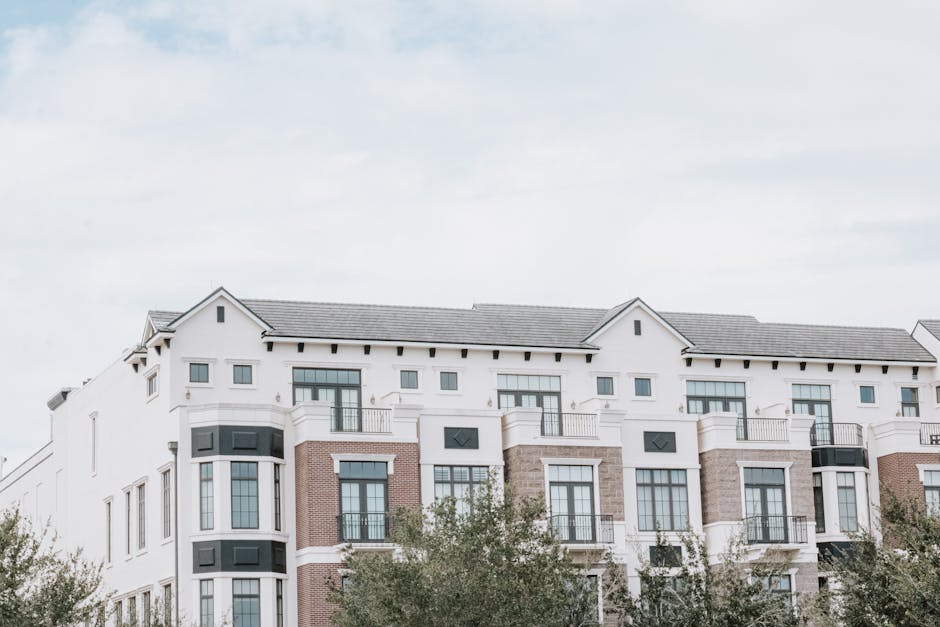
The Current Inventory Landscape and Pricing Divergence
As we navigate the second quarter of 2026, the Tampa luxury sector demonstrates a sophisticated stabilization. Currently, the market holds approximately 120 active luxury listings, representing a curated selection of high-value assets. The median list price has settled near $2,272,925, while the average list price remains elevated at $3,085,233. This gap indicates a significant concentration of ultra-high-net-worth properties at the top of the stack, often exceeding $10 million, which skews the average and requires buyers to look beyond surface-level data to find true value.
Buyer behavior has shifted from the rapid-fire acquisitions seen in previous years toward a more calculated, diligence-heavy approach. Investors and residential buyers are prioritizing long-term appreciation over immediate occupancy, particularly as inventory remains tight in traditional prestige enclaves. This disciplined environment rewards those who can identify mispriced assets or capitalize on specific seller motivations. Understanding the nuance between a property’s asking price and its actual settlement value is now the primary lever for negotiation in the current climate.
Historical context remains a vital tool for the modern buyer. Recent reports from the Tampa Bay Times highlight that the region’s most expensive sales often occur off-market or through highly private channels. This underscores the necessity of having an advisor who is integrated into the local luxury network. As inventory levels fluctuate with seasonal movement, staying informed on these high-water mark transactions provides a benchmark for evaluating new opportunities in waterfront and historic districts.
Downtown Transformation: From Demolition to Vertical Luxury
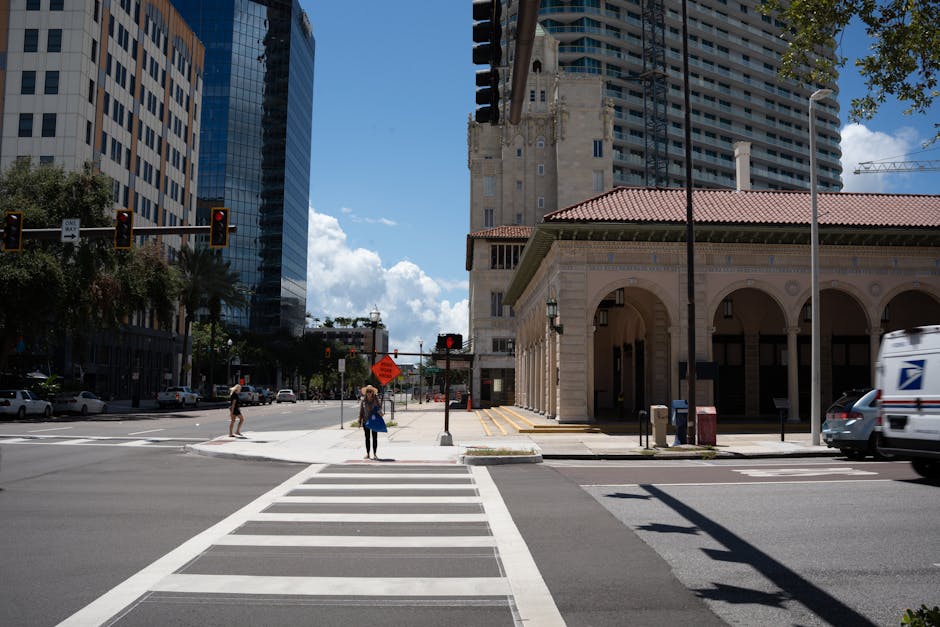
The skyline of Downtown Tampa is undergoing its most aggressive evolution to date. We are currently witnessing a pivot from mid-rise commercial footprints to world-class vertical residential offerings. Significant demolition projects are making way for high-density luxury condos that offer amenities previously only found in Miami or New York. This vertical movement is a response to the scarcity of developable land in prime areas like Harbor Island and Bayshore Boulevard.
For the sophisticated buyer, these new developments represent more than just square footage; they are an entry into a lifestyle defined by concierge services and proximity to the city’s cultural core. The focus has moved toward integrated living environments where privacy and security are paramount. Buyers should scrutinize the developer’s track record and the projected delivery timelines, as the complexity of these high-rise structures requires seasoned management. The shift toward vertical luxury also reflects a changing demographic of buyers who value the lock-and-leave convenience of a managed building over the maintenance requirements of a large estate.
Infrastructure improvements in the surrounding blocks are further bolstering values in the downtown core. Enhanced walkability, new retail anchors, and improved green spaces are creating a cohesive urban experience that was previously fragmented. This localized movement is drawing capital away from traditional suburban luxury markets and concentrating it in the urban center. Evaluating these properties requires a firm understanding of future city planning and the impact of ongoing commercial developments on residential views and noise levels.
Waterfront Resilience and the Venetian Isles Pricing Correction
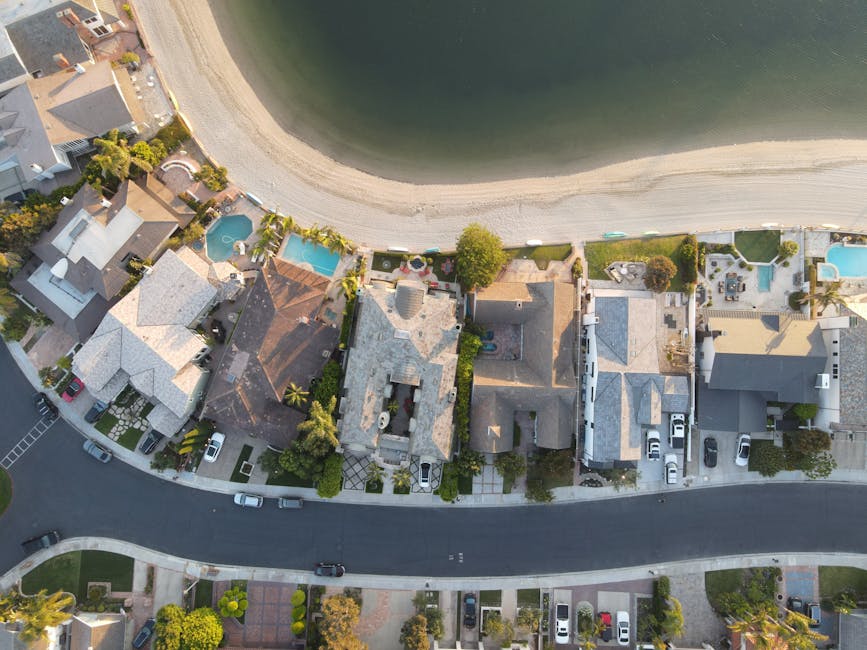
Waterfront assets remain the cornerstone of the Tampa luxury market, though they are not immune to broader economic shifts. In prestige areas like Venetian Isles, we are observing a necessary pricing correction that favors the active buyer. Recent updates from Haute Living indicate that properties previously listed at aggressive premiums are now being offered at more realistic valuations. This recalibration is a healthy development, ensuring that the market remains liquid and that buyers are paying prices supported by recent comparable data.
Coastal properties require a higher level of technical scrutiny than inland estates. Buyers must evaluate sea wall integrity, riparian rights, and flood mitigation measures as part of their standard due diligence. In the 2026 climate, modern construction techniques and elevated foundations are not just preferences—they are requirements for long-term value retention and insurance viability. The demand for deep-water dockage remains high, particularly for those with larger vessels, which continues to drive a premium for specific lot orientations along the bay.
The secondary market for waterfront homes is also seeing increased activity as older structures are replaced by modern architectural statements. This “scrape and build” trend is common in neighborhoods where the land value significantly exceeds the value of the existing improvements. For buyers looking for a custom project, identifying these undervalued lots can provide a significant equity advantage upon completion. However, navigating the permitting process in environmentally sensitive coastal zones requires expert local guidance to avoid costly delays.
Strategic Asset Allocation: Why Tampa Remains an Early-Stage Market
Despite the rapid growth of the last few years, industry analysts argue that Tampa remains in an early-stage luxury market cycle, particularly regarding high-end condominiums. Compared to saturated markets like South Florida, Tampa offers a compelling value proposition with significant room for ceiling expansion. The arrival of global luxury brands and Michelin-starred dining is a clear signal that the city is maturing into a top-tier destination for domestic and international wealth.
Investment calculus in the 2026 market should focus on areas with high barriers to entry and limited supply. While new construction is coming online, the demand for premium locations remains ahead of delivery. This supply-demand imbalance is a primary driver of price stability in the region. Diversifying a portfolio with Tampa real estate allows for exposure to Florida’s pro-business environment while avoiding the extreme volatility seen in more speculative markets. The steady influx of corporate headquarters and professional services firms provides a solid economic floor for the residential sector.
Local market movements are also influenced by state-wide trends and regulatory shifts. Staying updated through sources like Florida Trend is essential for understanding the broader legislative landscape, including insurance reform and property tax structures. These macro factors directly impact the net cost of ownership and the long-term ROI of high-value assets. A strategic buyer looks beyond the aesthetic appeal of a property to understand the fiscal and legal framework that supports its value.
Professional Due Diligence: The High-End Acquisition Framework
Acquiring a luxury asset in the current environment necessitates a rigorous verification process. The complexity of modern homes—featuring integrated smart technology, sophisticated HVAC systems, and high-performance building envelopes—requires specialized inspections that go far beyond standard residential checks. Buyers are encouraged to engage a team of professionals, including structural engineers and tax advisors, to ensure every aspect of the transaction is optimized for their specific financial goals.
- Assessment of riparian rights and sea wall structural integrity for waterfront parcels.
- Review of historical price-per-square-foot data in specific sub-markets like Old Northeast or Palma Ceia.
- Verification of HOA capital reserves and planned assessments for new vertical developments.
- Detailed analysis of insurance premiums and wind-mitigation credits for post-2020 construction.
- Evaluation of private school proximity and transport corridors for family-oriented estates.
- Audit of smart-home infrastructure and data security protocols for automated residences.
Each neighborhood in the region offers a distinct risk and reward profile. For instance, the historic charm of Hyde Park comes with specific architectural preservation guidelines that must be navigated for any renovations. Conversely, new developments in Westshore offer modern efficiencies but may lack the established character of older enclaves. A successful acquisition is one where the buyer’s priorities—whether they be privacy, proximity, or architectural significance—are perfectly aligned with the property’s inherent characteristics.
Seasonal Mobility and the Memorial Day Market Pulse
As we approach the end of May, the local market experiences a distinct seasonal shift. The late May weather, characterized by rising temperatures and periodic afternoon rain, traditionally signals a transition in buyer activity. While the peak spring selling season may be tapering, the Memorial Day weekend serves as a critical checkpoint for market sentiment. Many high-end buyers use this period to finalize their summer plans, often leading to a flurry of contract activity before the mid-summer slowdown.
Social and community engagement also plays a role in real estate decisions. The abundance of Memorial Day events across the Tampa Bay area showcases the region’s cultural depth and community spirit. From music festivals to local BBQ competitions, these events highlight the lifestyle that attracts new residents to the area. For a buyer, experiencing these community touchpoints is an essential part of the neighborhood evaluation process, providing insight into the social fabric of their potential new home.
Monitoring local events and news also provides a window into the region’s long-term desirability. The presence of high-profile residents and celebrities, as often noted in entertainment news, reinforces Tampa’s status as a lifestyle destination. However, the true value of the market lies in its consistent economic growth and the quality of its infrastructure. As the city prepares for the second half of 2026, the focus remains on sustainable development and the continued elevation of the luxury residential experience.
Implementation: Transitioning from Analysis to Acquisition
The current market conditions require a transition from passive observation to decisive action for those who have identified their target assets. With a median list price of over $2.2 million, the entry point for quality inventory is significant, but the potential for long-term appreciation in a maturing market like Tampa is equally compelling. Success in this environment is reserved for those who combine data-backed analysis with the agility to move when the right opportunity presents itself. The window for early-stage condo investment is narrowing as projects break ground and inventory is absorbed by an increasingly global buyer pool.
To navigate this landscape effectively, you require a partner who understands the technical nuances of the market and the specific needs of high-net-worth individuals. Whether you are evaluating a waterfront estate in Venetian Isles or a penthouse in the downtown core, our team provides the analytical brief and local intelligence necessary to execute a successful transaction. We invite you to browse our current luxury listings to gauge the present inventory or contact a private advisor to discuss your specific acquisition criteria and receive a tailored market assessment.
Your next move in Tampa luxury
Get current inventory, pricing guidance, and private-tour support from our brokerage team.
Source highlights
- ‘Selling Tampa’ Star Sharelle Rosado Slid into Chad ‘Ochocinco’ Johnson’s DMs – Netflix
- Tampa Bay’s most expensive luxury home sales of 2025 – Tampa Bay Times
- Demolition begins to make way for luxury condos in downtown Tampa – The Business Journals
- Why Tampa remains an early-stage luxury condo market – Tampa Bay Business & Wealth
- Florida Trend Real Estate – Florida Trend
- Jennifer Zales Unveils Venetian Isles Waterfront Luxury Now Offered At A New Price – Haute Living
- Memorial Day events across the Tampa Bay area for 2026 – WUSF
- Things to do with kids this weekend in Tampa, FL – That's So Tampa



