


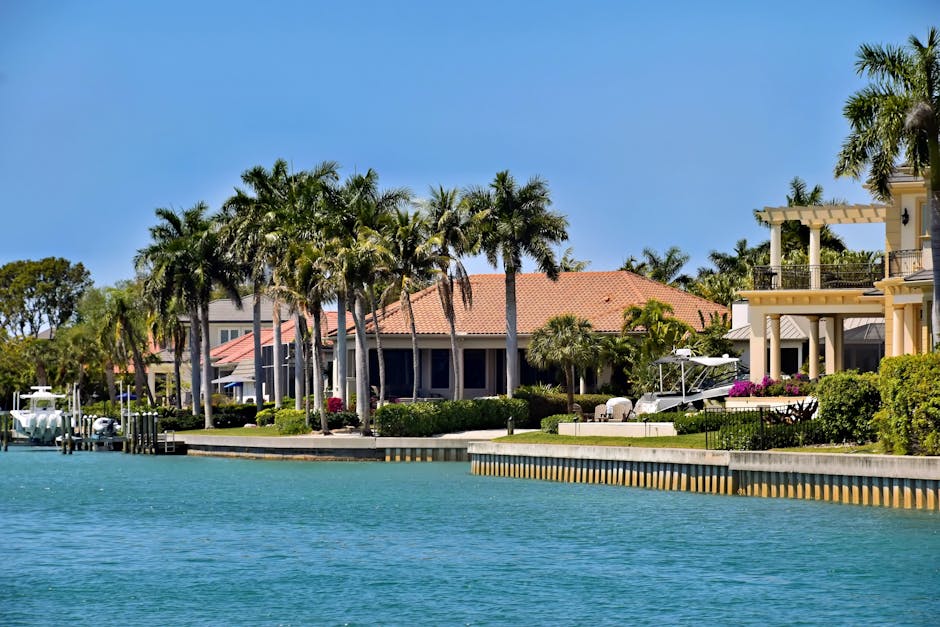
The Evolution of Tampa as a Global Luxury Investment Capital
Tampa has undergone a fundamental transformation, transitioning from a regional hub to a primary target for institutional and private capital. Recent data highlights a $675 million surge in luxury investment, signaling a robust appetite for high-end residential assets that prioritize both architectural merit and long-term value preservation. This influx of capital is not merely speculative; it is supported by a sophisticated demographic of buyers who are relocating from traditional financial centers to capitalize on Florida’s favorable fiscal environment and the city’s expanding corporate footprint.
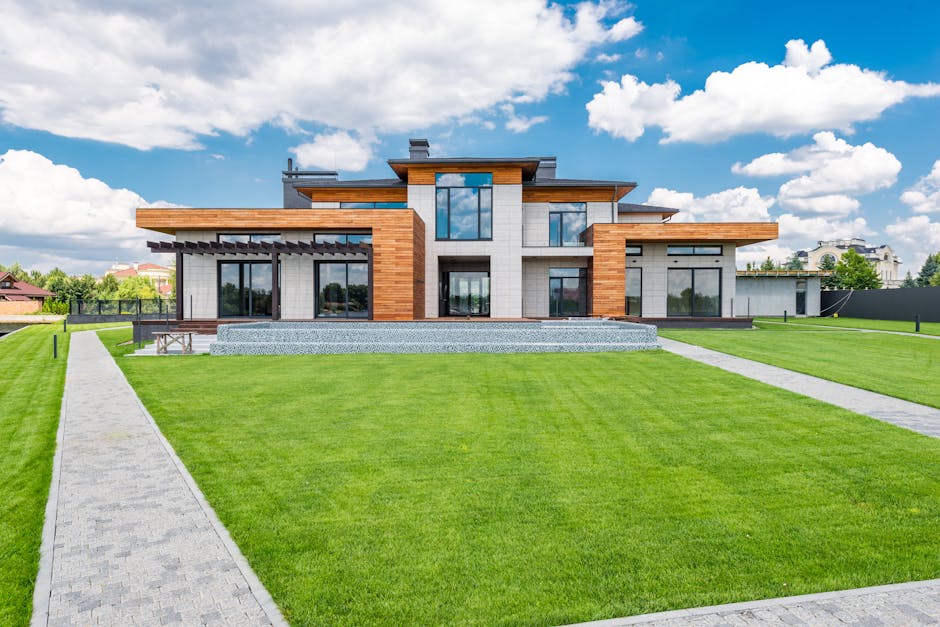
For the private advisor, the current market necessitates a shift in perspective. Acquisitions are no longer just about square footage or waterfront views; they are strategic entries into a mature ecosystem. Buyers are increasingly focused on the quality of urban infrastructure, the concentration of wealth in specific corridors, and the ability of a property to serve as a multi-generational hedge against volatility. The narrative has shifted from “why Tampa” to “which enclave within Tampa” offers the highest risk-adjusted return for the 2026 fiscal year.
The city’s ascension is further validated by the record-breaking sales of 2025, which saw some of the most expensive home transactions in the region’s history. These benchmarks have reset the floor for pricing in neighborhoods like Davis Islands and Bayshore Boulevard. Understanding these historical data points is essential for buyers who wish to avoid overpaying in a market where list prices often reflect optimism rather than empirical reality. Precision in valuation remains the hallmark of a successful luxury acquisition.
Strategic Inventory Analysis: Navigating 2026 Market Dynamics
The current luxury inventory in Tampa remains concentrated yet competitive, with approximately 120 active listings tailored to the high-net-worth segment. The median list price has stabilized around $2,272,925, reflecting a market that has found its equilibrium after several years of aggressive appreciation. However, the average list price exceeding $3,000,000 indicates a significant upward skew driven by ultra-prime estates and new construction penthouses that command a premium for their turnkey nature and advanced technological integrations.
Buyers should pay close attention to the diversity of property types currently on offer. While residential estates remain the primary focus, there is a growing interest in commercial sale opportunities and land parcels for custom development. For instance, prime locations like W Dr. Martin Luther King Jr Boulevard and N Grady Avenue have seen listings priced between $1.5 million and $2.9 million, offering unique opportunities for those looking to influence the aesthetic fabric of the city through bespoke builds. This variety allows for a diversified real estate portfolio within a single metropolitan area.
Negotiation power in 2026 is highly dependent on property specificity. While the broader market shows signs of normalization, properties with unique attributes—such as expansive deep-water frontage or historic provenance in Hyde Park—continue to see multiple offer scenarios. It is critical to differentiate between generic high-end listings and truly rare assets. The former may allow for significant price concessions, while the latter requires a decisive and often aggressive approach to secure. Discerning buyers must lean on real-time data to distinguish between a fair-market price and a premium for rarity.
The Vertical Shift: Tampa’s Early-Stage Luxury Condo Market
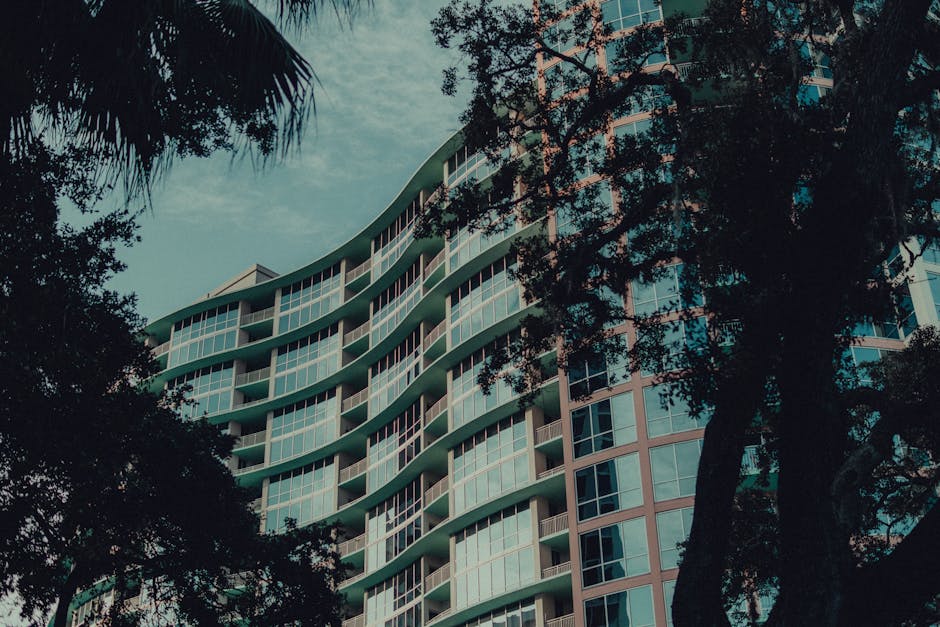
A significant portion of Tampa’s residential growth is currently occurring in the vertical sector. Analysts have noted that Tampa remains an early-stage luxury condo market, providing a unique entry point for investors who missed the initial surge in more established cities like Miami. The downtown skyline is being physically redefined as demolition begins for new high-rises designed to cater to the “lock-and-leave” lifestyle. These projects often include five-star amenities that were previously unavailable in the Tampa market, such as private concierge services and wellness centers.
Choosing between a waterfront estate and a downtown penthouse involves a trade-off between privacy and proximity to the city’s emerging cultural and culinary centers. The Water Street development and the expanded Channel District have created a walkable urban core that appeals to a younger, more active affluent demographic. These buyers prioritize the efficiency of managed luxury over the maintenance requirements of a traditional single-family home. For the savvy investor, these new developments represent a chance to secure pre-construction pricing in a sector that is expected to see sustained demand.
However, due diligence is paramount when evaluating new condo projects. Potential owners must investigate the track record of the developers, the financial health of the association, and the long-term impact of surrounding construction. In an early-stage market, not all projects are created equal. The most successful acquisitions will be those in buildings that offer timeless design and superior build quality, ensuring they remain desirable as the market continues to mature and new supply enters the pipeline over the next decade.
The Advisor’s Checklist: Due Diligence for Prime Acquisitions
Navigating a market with a median entry point above $2 million requires a structured approach to evaluation. Beyond the standard inspections, high-net-worth buyers must consider the implications of coastal living, local zoning shifts, and the long-term viability of the surrounding neighborhood infrastructure. In 2026, the definition of luxury includes resilience and security, both physically and financially. Use the following criteria to evaluate any potential acquisition in the Tampa metro area.
- Verify elevation certificates and recent flood insurance reform impact on specific waterfront parcels.
- Assess the proximity to upcoming infrastructure projects, such as the expansion of the Tampa Riverwalk or Westshore transit updates.
- Analyze historical price-per-square-foot trends within the specific enclave rather than general city-wide averages.
- Evaluate the structural integrity of sea walls and dockage for waterfront properties in areas like Venetian Isles.
- Review the CC&Rs of luxury associations to understand future assessment risks or rental restrictions.
- Investigate the local permit history for adjacent properties to anticipate future construction noise or view obstructions.
A thorough vetting process minimizes the risk of post-closing surprises. In the current climate, buyers are advised to prioritize properties that have been meticulously maintained or recently updated to modern building codes. The cost of labor and materials for high-end renovations remains significant, making turnkey properties often more cost-effective than those requiring substantial intervention. Your choice of property should align with your intended holding period and lifestyle requirements, whether that involves a primary residence or a secondary seasonal retreat.
Market Specificity: Enclaves and Neighborhood Intelligence
Tampa’s luxury landscape is a collection of distinct sub-markets, each with its own pricing logic and buyer behavior. South Tampa remains the perennial favorite, offering a blend of historic charm in Hyde Park and modern architectural statements along Bayshore Boulevard. The inventory here is tightly held, and transactions often occur off-market through private networks. For those seeking privacy and space, areas like Culbreath Isles or the gated communities of Westchase provide a more secluded environment without sacrificing access to the city’s commercial hubs.
Waterfront living takes a different form in Venetian Isles, where recent price adjustments have created new entry points for boaters and those seeking expansive bay views. Expert advisors, such as those highlighting waterfront luxury at new price points, suggest that the market is becoming more nuanced. Buyers are no longer willing to pay a flat premium for water; they are scrutinizing the quality of the shoreline, the depth of the canals, and the orientation of the property to maximize natural light and mitigate heat gain.
The cultural infrastructure surrounding these neighborhoods is a key driver of long-term value. Proximity to high-end retail, private schools, and major event venues—such as those hosting the Greek Festival or major music events—enhances the desirability of the location. These amenities create a lifestyle that is difficult to replicate, ensuring that even during periods of broader economic cooling, these specific enclaves retain their appeal. When selecting a neighborhood, consider the daily logistics of your life as much as the aesthetic of the home itself.
Lifestyle and Longevity: The Tampa Advantage in 2026
Beyond the spreadsheets and market data, the choice to invest in Tampa real estate is a choice for a specific quality of life. The city’s social calendar is increasingly sophisticated, reflecting the tastes of its new residents. From the Tampa Bay Barbecue Festival to unique backyard live music events, the city offers a rich tapestry of experiences that blend traditional Florida charm with metropolitan refinement. This cultural density is a critical component of the value proposition for families and individuals looking to establish roots.
The resilience of the Florida market is also worth noting. While other regions face demographic headwinds, Florida continues to see positive net migration, particularly among high-income earners. This trend provides a consistent floor for the luxury market. As noted in Florida Trend’s real estate analysis, the state’s growth remains a pillar of its economic stability. For a Tampa buyer, this means that their primary residence or investment property is part of a larger, state-wide success story that shows no signs of slowing in the near future.
Ultimately, the Tampa luxury market in 2026 is defined by its maturity. It is no longer a city of potential; it is a city of realization. The combination of fiscal advantages, infrastructure investment, and a growing cultural scene has created a compelling case for the permanent allocation of capital here. Successful buyers will be those who move past the hype and focus on the data, the neighborhoods, and the specific property attributes that ensure longevity. Whether you are looking for a historic estate or a modern glass tower, the opportunities in Tampa remain as substantial as they are diverse.
The current market environment offers a rare window for buyers to secure high-quality assets before the next phase of expansion. To navigate this landscape with confidence, you need an advisor who understands the nuances of local enclaves and the data behind the headlines. We invite you to browse our curated selection of luxury listings and discover the properties currently defining the Tampa market. When you are ready to refine your search or require a private briefing on specific inventory, contact an advisor today to schedule a confidential consultation.
Your next move in Tampa luxury
Get current inventory, pricing guidance, and private-tour support from our brokerage team.
Source highlights
- Tampa Bay’s most expensive luxury home sales of 2025 – Tampa Bay Times
- Demolition begins to make way for luxury condos in downtown Tampa – The Business Journals
- Why Tampa remains an early-stage luxury condo market – Tampa Bay Business & Wealth
- Florida Trend Real Estate – Florida Trend
- Jennifer Zales Unveils Venetian Isles Waterfront Luxury Now Offered At A New Price – Haute Living
- Inside Tampa’s $675 Million Surge: How the City Became Florida’s New Luxury Investment Capital – hauteresidence.com
- Tampa Bay area music events this weekend: Bob Dylan's birthday celebrations – WUSF
- Things to do with kids this weekend in Tampa, FL – That's So Tampa


