



The Maturation of the Tampa Premium Market
The real estate landscape in Tampa has fundamentally transformed over the past decade, transitioning from a secondary market popular with seasonal residents to a primary destination for corporate executives, entrepreneurs, and wealth managers. This demographic shift has introduced a rigorous new standard for residential acquisitions, driving demand for properties that offer uncompromising architectural integrity and immediate livability. Buyers entering the current environment must recognize that they are navigating a sophisticated arena where premium properties command significant attention. With active luxury inventory remaining highly constrained—currently hovering around 120 prime properties—the advantage consistently belongs to the well-prepared purchaser who understands local valuations and acts with decisive clarity when the right asset becomes available.
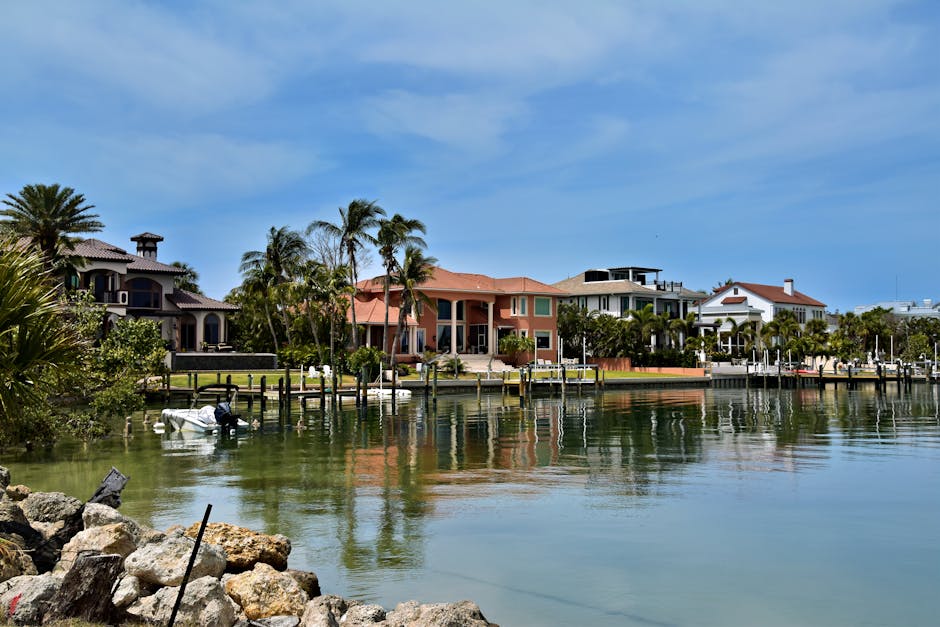
Analyzing the current pricing metrics reveals a market that has firmly established its upper tier. The median list price for high-end properties now sits at approximately $2.27 million, while average list prices frequently exceed the $3 million threshold, reflecting the influx of ultra-premium custom builds and significant historic renovations. However, these aggregate numbers only tell a fraction of the story. Valuation in this region is hyper-localized; a property situated on a deep-water canal will exhibit a vastly different pricing trajectory and appreciation model than a similarly sized estate located just three blocks inland. Understanding these micro-market variations is essential for evaluating whether a listed price aligns with the intrinsic value of the location and the structural quality of the residence.
Consequently, the successful acquisition of a premium asset requires moving beyond surface-level aesthetics to assess long-term viability. Today’s buyers are scrutinizing construction methodologies, prioritizing solid concrete block construction, advanced hurricane-rated impact glazing, and modern architectural elevations. The expectation is no longer simply about acquiring square footage; it is about securing a resilient, low-maintenance asset that can withstand the specific environmental realities of coastal Florida while providing an elegant and highly functional daily living experience.
Evaluating Waterfront and Legacy Neighborhoods
When assessing premium properties in established enclaves like South Tampa, Davis Islands, and Hyde Park, buyers must weigh the distinct advantages of waterfront access against the historical charm of inland legacy estates. Waterfront properties, particularly those situated on open bays or wide, deep-water canals, represent the pinnacle of regional real estate. These locations offer immediate boating access to the Gulf of Mexico, bypassing restrictive bridges and shallow inlets. However, evaluating these properties requires specialized knowledge of marine infrastructure. The condition of the seawall, the depth of the water at low tide, and the specifications of the dock and boat lift are critical factors that directly influence both the property’s value and the owner’s insurance liabilities.
Conversely, inland estates in historic districts present a different set of evaluation criteria. Neighborhoods characterized by towering oak canopies and classic Mediterranean Revival or Craftsman architecture carry a significant prestige premium. Purchasers exploring these areas often face a choice between acquiring a meticulously restored historic home or pursuing a new construction project. Historic homes require thorough inspections of foundational stability, plumbing modernization, and electrical capacity, while new builds must be evaluated on how well they integrate with the established neighborhood aesthetic and adhere to strict local architectural review board guidelines.
Regardless of the specific neighborhood, elevation remains a paramount consideration. The topography of Tampa varies subtly but significantly from street to street. Homes positioned in advantageous flood zones—or those engineered with elevated primary living spaces—command higher premiums due to the resulting reduction in flood insurance premiums and the enhanced peace of mind they offer. A thorough analysis of current flood maps and historical water intrusion data is a mandatory step before finalizing any high-end acquisition.
The Expansion of the Downtown Condominium Sector
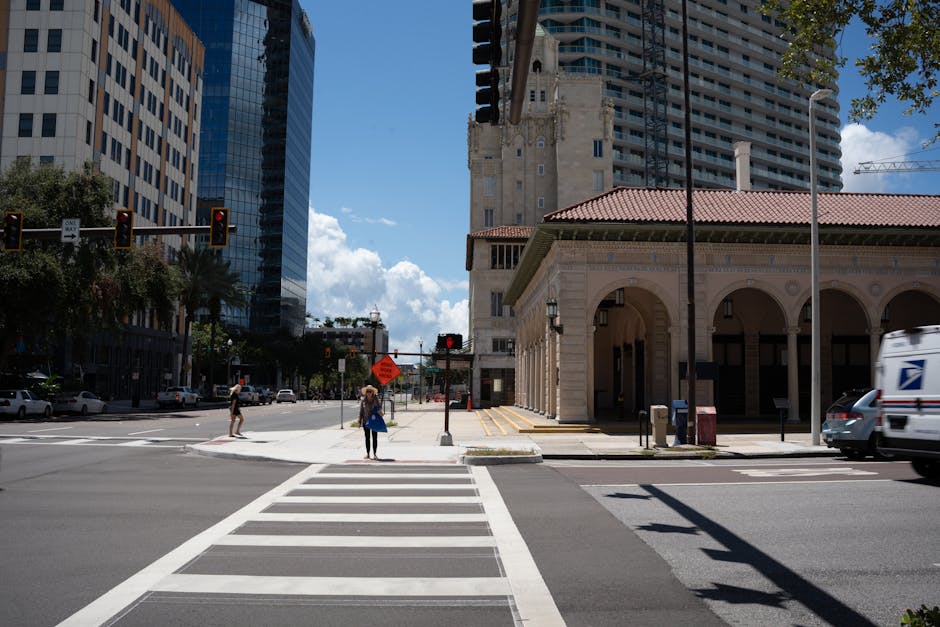
As the city’s commercial core continues to attract national corporate headquarters, the demand for vertical living has precipitated a massive expansion in the downtown condominium sector. Districts such as Water Street have redefined the urban living experience, integrating residential towers with high-end retail, wellness facilities, and culinary destinations. This shift toward high-density, amenity-rich environments appeals strongly to buyers seeking a low-maintenance, highly walkable footprint that does not compromise on architectural finish or service levels.
The skyline is actively evolving to meet this demand. For instance, recent demolition efforts to make way for new luxury properties highlight the relentless pace of development in the urban core. When evaluating these new construction projects, buyers must closely examine the developer’s track record, the proposed ratio of owners to investors, and the structural methods utilized for sound attenuation between units. The quality of a condominium investment is heavily dependent on these foundational factors, which dictate both the living experience and the long-term appreciation of the asset.
Despite this rapid growth, analysts note the early-stage nature of the luxury condominium sector in Tampa relative to highly saturated markets like Miami or New York. This presents a strategic window for buyers to secure premium units with favorable floor plans and protected views before the market reaches full maturity. Careful analysis of upcoming zoning changes and adjacent lot developments is crucial to ensure that a unit’s premium features, such as unobstructed water views or specific light exposures, are not compromised by future construction phases.
Strategic Due Diligence for High-End Acquisitions
Purchasing real estate at this valuation tier requires a meticulous due diligence process that extends far beyond the scope of a standard home inspection. High-net-worth buyers must approach the evaluation phase with an analytical mindset, treating the property as a complex structural and financial asset. This involves coordinating with specialized inspectors, structural engineers, and insurance advisors to uncover any latent defects or regulatory liabilities that could impact the property’s long-term performance.
To ensure a comprehensive evaluation, buyers should mandate the following assessments before removing contractual contingencies:
- Analyze the property’s base flood elevation and current FEMA flood zone designation to accurately project insurance liabilities.
- Verify the age, condition, and municipal permit history of all seawalls, docks, and integrated marine structures.
- Review recent wind mitigation reports and physically verify the age and installation quality of the roofing system.
- Assess the capacity and modernization level of the home’s HVAC infrastructure, particularly focusing on multi-zone climate control systems.
- Examine neighborhood zoning records and pending municipal applications for impending multi-family or commercial developments nearby.
- Scrutinize the financial health, reserve funding levels, and special assessment history of the condominium or homeowner association.
Additionally, a rigorous title review is non-negotiable. Waterfront properties, in particular, may be subject to complex riparian rights, submerged land leases, or historical utility easements that can restrict a buyer’s ability to modify docks or build auxiliary structures. Identifying these encumbrances early in the due diligence period provides the leverage necessary to renegotiate terms or, if necessary, strategically exit the transaction.
Assessing Asset Value and Market Position
Determining a fair and competitive offer requires synthesizing broad market data with hyper-local neighborhood metrics. Examining the recent highest-priced transactions provides a baseline understanding of what the market is willing to bear for fully updated, turnkey properties. However, buyers must adjust these baseline figures based on the specific condition, lot size, and locational advantages of the target property. A beautifully staged home may photograph well, but if it requires imminent roof replacement or seawall stabilization, the offer must reflect the capital expenditure required to bring the asset up to standard.
It is also critical to understand the mechanics of off-market transactions within the luxury space. Many of the most desirable estates never appear on public listing syndications, changing hands through private networks and quiet broker-to-broker communications. Securing access to these private listings requires working with an advisory team that maintains deep, localized relationships and can position a buyer as a qualified, discreet purchaser ready to execute a complex transaction without unnecessary friction.
Furthermore, the structure of the offer is often as important as the top-line price. In scenarios involving multiple interested parties, terms such as shortened inspection periods, flexible post-occupancy agreements, or substantial escrow deposits can distinguish an offer. While the market has stabilized from the frenetic bidding wars of recent years, pristine properties in highly sought-after neighborhoods still command swift action and precisely structured agreements that minimize the seller’s perceived risk.
Lifestyle Integration and Cultural Proximity
Real estate decisions at the highest levels are increasingly driven by lifestyle infrastructure. Buyers are evaluating properties not just as isolated physical structures, but as hubs that connect them to the specific cultural and culinary amenities they value. Proximity to elite private schools, specialized medical facilities, and executive airport terminals often dictates the initial boundaries of a property search. The transition from a suburban, car-dependent lifestyle to a more integrated, walkable environment is a major driver of the premium pricing seen in neighborhoods adjacent to the downtown core.
This integration with the local environment is a core component of the area’s appeal. Residents expect immediate access to high-caliber culinary scenes, private social clubs, and robust arts programming. The fabric of the community is regularly highlighted by annual cultural events like the Tampa Bay Barbecue Festival, which bring distinct energy to the urban landscape. Buyers must consider how a property’s location enhances or impedes their desired level of engagement with the surrounding community, weighing the privacy of a gated enclave against the convenience of a metropolitan center.
Ultimately, the objective is to secure a property that seamlessly supports the buyer’s operational pace. Whether that means finding an estate with substantial acreage in the northern corridors like Avila for maximum seclusion, or securing a high-floor penthouse that offers immediate access to the Riverwalk, the real estate must serve the lifestyle. Careful observation of neighborhood traffic patterns, ambient noise levels during peak hours, and the practical realities of daily commuting are essential steps in confirming that a location will perform as expected over the long term.
Next Steps in Your Acquisition Strategy
Securing the right property in a maturing, high-stakes environment requires patience, rigorous analytical evaluation, and the guidance of an advisor who deeply understands the micro-dynamics of the local landscape. The distinction between a sound investment and an ongoing liability often rests on the diligence performed before a contract is ever signed. Navigating elevation grades, marine construction standards, and neighborhood zoning restrictions demands specialized expertise and an unwavering commitment to detail.
Whether you are evaluating a sprawling waterfront estate on Davis Islands or assessing the long-term value of a newly constructed penthouse downtown, having access to real-time inventory and accurate market intelligence is critical. The most successful acquisitions are the result of strategic planning, comprehensive property verification, and precise negotiation tactics tailored to the specific seller’s motivations.
Begin by exploring our curated portfolio of luxury properties to gauge current market offerings and familiarize yourself with regional architectural styles. When you are ready to define your specific parameters and initiate a targeted, confidential search, contact our advisory team for a private consultation to discuss how we can position you favorably in the current market.
Your next move in Tampa luxury
Get current inventory, pricing guidance, and private-tour support from our brokerage team.
Source highlights
- ‘Selling Tampa’ Star Sharelle Rosado Slid into Chad ‘Ochocinco’ Johnson’s DMs – Netflix
- Tampa Bay’s most expensive luxury home sales of 2025 – Tampa Bay Times
- Demolition begins to make way for luxury condos in downtown Tampa – The Business Journals
- Why Tampa remains an early-stage luxury condo market – Tampa Bay Business & Wealth
- Florida Trend Real Estate – Florida Trend
- Jennifer Zales Unveils Venetian Isles Waterfront Luxury Now Offered At A New Price – Haute Living
- Things To Do In Tampa This Weekend: Fun Festivals & Events In Tampa This Weekend – That's So Tampa
- Tampa Bay area events this weekend: Tampa Bay Barbecue Festival and Greek Festival – WUSF



