



Structural Shifts in Tampa’s Premium Real Estate Landscape
Analyzing the current snapshot of active inventory provides a clear directive for serious buyers. With one hundred twenty premium properties forming the core of available opportunities, the disparity between the median list price of two million two hundred seventy-two thousand dollars and the average list price exceeding three million indicates a concentrated tier of ultra-luxury estates pulling the market upward. Buyers must recognize that aggregate metrics fail to capture the reality of bidding for prime parcels in established, highly contested neighborhoods.
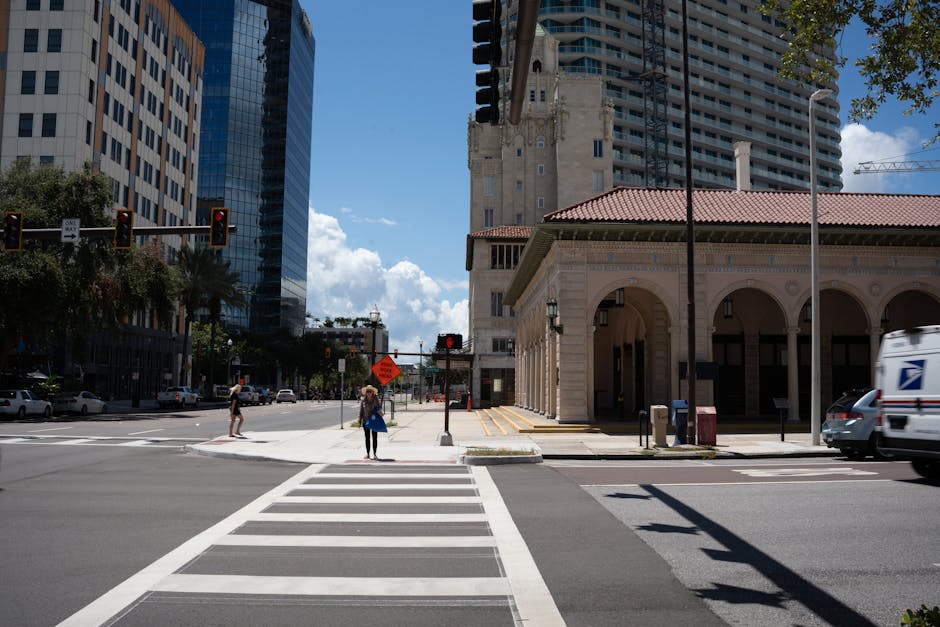
South Tampa enclaves like Beach Park and Palma Ceia continue to dominate the single-family narrative. Here, we observe consistent demand for new construction layered over legacy lots. Buyers are calculating the premium of immediate occupancy versus the lengthy timelines of custom development. Securing a finished product often justifies a higher basis, particularly as supply chain stabilization remains uneven for specialized architectural materials.
The market environment is not uniform across all property classes. The friction between seller expectations and buyer scrutiny has increased noticeably over the past quarter. Valuations are being tested by discerning buyers who rely on strict comparable sales and structural appraisals rather than aspirational pricing models. To succeed in this environment, capital must be deployed with precision, focusing on intrinsic land value and irreplaceable locations.
Assessing Waterfront and Prime Infill Opportunities
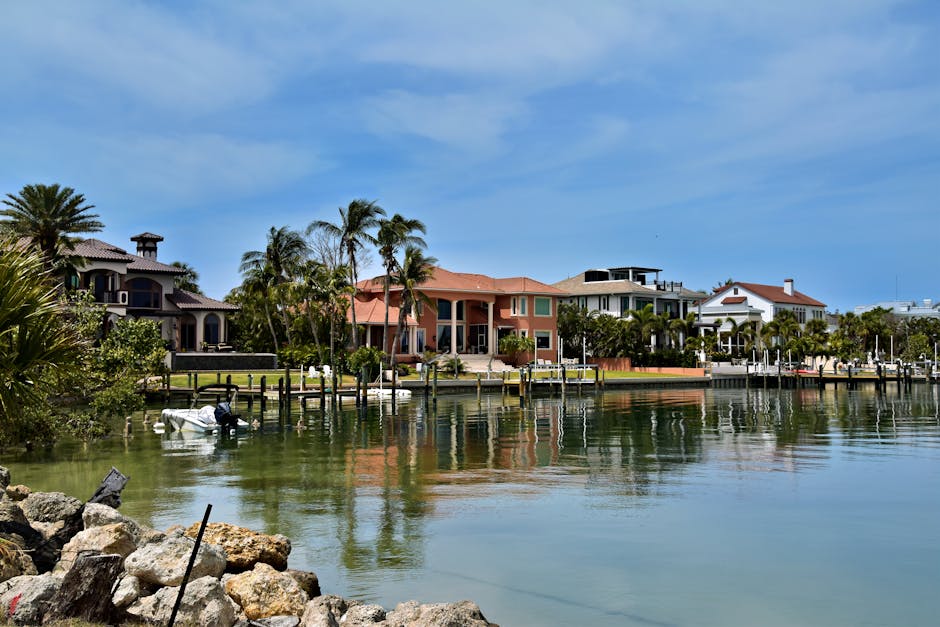
Deepwater access remains the ultimate commodity in the region. Neighborhoods such as Davis Islands and Venetian Isles present distinct acquisition profiles that require specialized evaluation. Assessing these properties demands a micro-level understanding of seawall conditions, navigational clearances, and proximity to open bay waters. Currently, we are seeing notable waterfront estates adjusting pricing strategies to align with current market absorption rates and updated insurance paradigms.
Infill development within established South Tampa corridors presents a different set of variables. The scarcity of double lots has driven developers to maximize vertical space within strict municipal height restrictions. Buyers examining these properties must look beyond the floor plan and assess the long-term viability of the immediate block. Traffic patterns, mature canopy preservation, and proximity to critical infrastructure heavily influence long-term asset retention and liquidity.
The distinction between primary residences and secondary portfolios continues to narrow. Buyers are acquiring Tampa waterfront properties not merely as seasonal retreats, but as primary domiciles benefiting from Florida’s favorable tax structure. This shift necessitates homes equipped for year-round occupancy, emphasizing redundant power systems, advanced climate control, and comprehensive security infrastructure capable of weathering severe coastal events.
The Maturation of Vertical Living in Downtown Tampa
The urban skyline is evolving rapidly, driven by institutional investment and shifting demographic preferences among high-net-worth individuals. Downtown and the Channel District are transitioning from transitional commercial zones into highly sought-after residential destinations. The introduction of high-end vertical living caters to buyers seeking maintenance-free environments without sacrificing expansive square footage or premium, private amenities.
The pipeline for premium condominiums is robust but carefully calibrated. With recent site preparations for new development actively altering the downtown footprint, early positioning is critical for securing favorable floor plans and protected sightlines. The concept of the sky estate is gaining traction among affluent buyers transitioning from large suburban properties, prioritizing walkable access to Water Street’s culinary and wellness infrastructure.
However, it is essential to recognize that the city is still navigating its early-stage luxury condo market. When evaluating pre-construction or newly delivered towers, buyers must scrutinize the developer’s track record, the proposed operational budget of the homeowners association, and the exact specifications of the building’s core infrastructure. Resale value in high-rises is intimately tied to the ongoing management and strict exclusivity of the building.
Essential Verification Steps for Premium Acquisitions
Eight-figure transactions require a level of due diligence that extends far beyond standard residential property inspections. The physical structure is only one component of the valuation; the underlying legal, environmental, and municipal elements hold equal weight. Buyers must approach the verification phase systematically to uncover potential long-term liabilities before any capital is firmly committed.
Establishing a comprehensive review framework prevents post-closing operational surprises. We consistently advise our clients to utilize specialized marine engineers, independent land use attorneys, and enterprise technology auditors during the contractual inspection period. The following steps form the fundamental baseline of a rigorous due diligence process for high-end properties in our market.
- Commission an independent marine survey to evaluate seawall integrity, dock pilings, and precise bathymetric depth for necessary vessel clearance.
- Audit all proprietary smart home automation hardware to ensure core systems are unencumbered by previous owner licensing agreements.
- Review the latest municipal elevation certificates and updated flood zone maps to accurately project long-term insurance overhead and rebuilding restrictions.
- Analyze local neighborhood zoning overlays and historical designation boundaries that may strictly govern future exterior modifications or expansions.
- Conduct an environmental assessment of legacy infill lots to identify buried oil tanks, soil contamination, or undocumented easements from previous decades.
Executing these strict verification protocols ensures the asset performs as a reliable, secure store of wealth. Bypassing these steps, even in a highly competitive multi-offer scenario, introduces unacceptable levels of blind risk to your real estate portfolio.
Architectural Preferences and Market Valuations
The visual and aesthetic language of the premium sector is undergoing a definitive shift. While traditional Mediterranean Revival estates hold substantial historical significance in older neighborhoods, the prevailing market preference has pivoted sharply toward organic modernism and coastal contemporary designs. These newer structures emphasize seamless indoor-outdoor transitions, utilizing specialized floor-to-ceiling impact-rated glass to capture natural light and expansive waterfront vistas.
Material selection plays a critical role in current valuation metrics. Discerning buyers expect imported stone, wide-plank European oak, and architectural concrete as standard baselines. However, functional durability is paramount. Given the challenging local climate, exteriors must withstand intense daily solar exposure, driving rain, and corrosive salt intrusion. Properties that successfully balance high-end interior finishes with resilient, low-maintenance exterior materials command the highest premiums.
Analyzing the most significant transactions this year reveals a clear, undeniable pattern: turn-key properties requiring zero initial capital expenditure consistently set benchmark prices per square foot. Buyers are actively willing to pay a heavy premium for immediate convenience, heavily penalizing properties that require immediate cosmetic updates or complex structural modernization.
Local Culture, Climate, and Asset Integration
Real estate decisions are inexorably linked to the surrounding environment and the local cultural fabric. The evolving municipal infrastructure heavily supports a highly active, outdoor-centric lifestyle. Understanding how a specific neighborhood interacts with the broader cultural calendar provides critical context for buyers. Proximity to cultural centers, high-end dining, and exclusive private clubs directly impacts property liquidity and long-term desirability.
Late spring and summer weather patterns heavily influence the showing process and overall buyer psychology. With temperatures consistently reaching the mid-nineties Fahrenheit and daily precipitation events becoming the standard norm by late May, the efficiency of a property’s climate control systems and the intelligent design of its covered outdoor living spaces are immediately apparent during physical property tours.
The local civic calendar also dictates market rhythm and neighborhood exposure. Strategic buyers often coordinate their property tours around major cultural engagements, from annual local festivals highlighting regional culinary traditions to downtown family programming and intimate concert series. Integrating seamlessly into the community is a primary objective for relocating executives, making neighborhood cohesion a measurable component of property value.
Formulating a Decisive Acquisition Strategy
Navigating a market with a median listing price well over two million dollars requires more than passive observation. It demands a deliberate, highly analytical approach to capital allocation and asset selection. Buyers must explicitly define their specific holding periods, acceptable risk parameters, and required yield—whether that yield is measured in lifestyle dividends, immediate utility, or long-term structural appreciation.
As premium inventory fluctuates, the ability to act decisively upon identifying a qualified asset is your strongest operational leverage. We synthesize granular market data, off-market intelligence, and strict financial modeling to provide actionable guidance to our clientele. Our approach filters out the noise of the broader market, presenting only the specific properties that align with your strategic residential objectives.
Moving from market observation to successful execution requires seasoned, objective advisement. Begin by reviewing our highly curated portfolio of luxury homes for sale to establish a clear baseline of current offerings. When you are ready to refine your parameters and discuss specific acquisition targets, contact our advisory team to initiate a private, confidential consultation regarding your real estate strategy.
Your next move in Tampa luxury
Get current inventory, pricing guidance, and private-tour support from our brokerage team.
Source highlights
- ‘Selling Tampa’ Star Sharelle Rosado Slid into Chad ‘Ochocinco’ Johnson’s DMs – Netflix
- Tampa Bay’s most expensive luxury home sales of 2025 – Tampa Bay Times
- Demolition begins to make way for luxury condos in downtown Tampa – The Business Journals
- Why Tampa remains an early-stage luxury condo market – Tampa Bay Business & Wealth
- Florida Trend Real Estate – Florida Trend
- Jennifer Zales Unveils Venetian Isles Waterfront Luxury Now Offered At A New Price – Haute Living
- Things To Do In Tampa This Weekend: Fun Festivals & Events In Tampa This Weekend – That's So Tampa
- Tampa Bay area events this weekend: Tampa Bay Barbecue Festival and Greek Festival – WUSF


