


The Emergence of a Florida Investment Capital
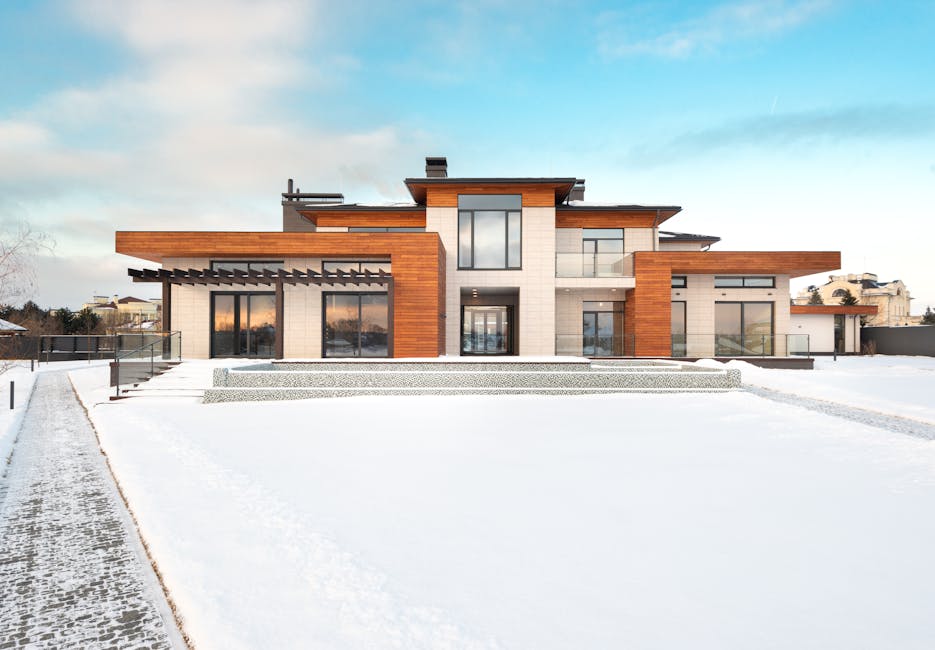
Tampa is no longer viewed as a secondary market for coastal relaxation; it has matured into a primary destination for institutional and private capital. Recent data highlights a $675 million surge in high-end transactions, signaling a fundamental shift in how domestic and international buyers perceive the region. This movement is driven by a combination of favorable tax structures and a significant upgrade in local infrastructure that supports a high-net-worth lifestyle without the congestion of older South Florida hubs.

Investors are increasingly moving away from speculative assets toward properties with tangible long-term value. This trend is corroborated by reports from Haute Residence, which positions the city as a burgeoning capital for luxury investment. The capital influx is fueling large-scale developments that are redefining the skyline and creating new benchmarks for price per square foot.
For the senior advisor, the priority is identifying where this capital is concentrating. While the entire region is benefiting from growth, specific corridors in South Tampa and the waterfront districts are seeing the highest density of high-value acquisitions. Buyers are prioritizing modern construction standards and integrated technology over legacy estates that require extensive renovation, leading to a premium on new-to-market inventory.
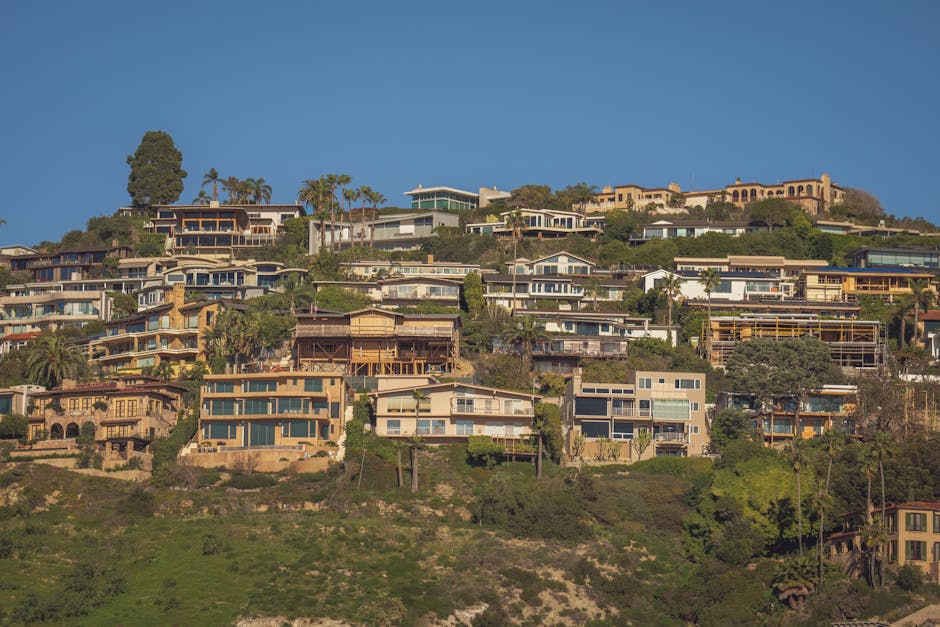
The current market environment requires a disciplined approach to valuation. As the median list price for luxury properties stabilizes around $2,272,925, the gap between aspirational pricing and actual market value is narrowing. Successful buyers are those who look beyond current aesthetics to evaluate the underlying land value and the long-term scarcity of the location, particularly in areas where waterfront access is finite.
Vertical Integration and the Downtown Shift
The most visible transformation in the Tampa market is the pivot toward high-density luxury living. In the downtown core, older structures are being cleared to make way for sophisticated condo towers that offer services previously unavailable in the region. This vertical integration allows buyers to maintain a high standard of living while minimizing the maintenance burdens associated with traditional suburban estates.
Strategic demolitions are currently underway to clear space for these next-generation residences. According to The Business Journals, this process is a necessary evolution for a city that has historically lacked the residential density required for a true metropolitan luxury experience. These new developments are focusing on expansive floor plans and floor-to-ceiling glass that maximizes views of the bay.
For those considering a downtown transition, the value proposition lies in the proximity to emerging cultural and dining districts. The shift toward a walkable urban core is a significant driver for younger affluent buyers who value convenience as much as privacy. This demographic is less interested in traditional sprawling grounds and more focused on curated amenities and secure, private access to their residences.
Evaluating these vertical assets requires a different set of metrics than single-family homes. Buyers must consider the reputation of the developer, the long-term viability of the homeowners association, and the projected delivery dates for surrounding projects. In a market where multiple towers are rising simultaneously, identifying the buildings with superior engineering and timeless design is critical for capital preservation.
Neighborhood Dynamics: Evaluating Market Movement
Traditional strongholds like Davis Islands and South Tampa continue to command premium prices, but the search for value is leading buyers to explore neighboring waterfront communities. Venetian Isles, for instance, has seen significant price adjustments that make it a compelling alternative for those seeking deep-water access without the premium of more central locations. Recent updates from Haute Living indicate that even established luxury enclaves are adjusting to new market realities, providing opportunities for savvy negotiation.
The distinction between these neighborhoods often comes down to lifestyle preferences and school district priorities. South Tampa remains the primary choice for families seeking a balance of neighborhood feel and proximity to private education. In contrast, the island communities offer a degree of seclusion and direct water access that is difficult to replicate elsewhere in the state. Each pocket has its own micro-market trends that must be analyzed independently of the broader city averages.
Buyer behavior is also shifting toward properties that are truly turnkey. The cost and timeline for high-end renovations have led many to prefer newly constructed or recently updated homes, even at a higher price point. This preference is creating a two-tier market: one for pristine, ready-to-move-in assets and another for legacy properties that require significant capital expenditure to meet modern standards.
Understanding these dynamics allows for a more tactical approach to acquisition. By monitoring inventory levels in specific enclaves, buyers can identify moments of weakness or sudden increases in supply. With approximately 120 luxury units currently active on the market, the competition for the best-positioned properties remains high, but the pace of sales allows for more thorough due diligence than in previous years.
The Early-Stage Opportunity in Condo Development
A frequent observation among industry experts is that Tampa remains in the early stages of its luxury condo market development. Unlike Miami, which has a multi-decade history of high-rise luxury, Tampa is only now seeing the introduction of globally recognized brands and five-star service standards. This phase represents a unique window for investors who recognize the parallels between Tampa’s current trajectory and the historical growth of other major Florida markets.
Analysis from Tampa Bay Business & Wealth suggests that the market maturity is still evolving, which often translates to more favorable entry points for early adopters. The scarcity of prime waterfront land for high-rise development ensures that once these projects are completed, there will be significant barriers to entry for future competitors, protecting the value of existing units.
When evaluating these opportunities, it is essential to look at the broader regional context. Florida remains a top destination for domestic migration, and the influx of wealth into the Tampa Bay area is consistently outpacing the national average. This demographic tailwind provides a level of support for high-end real estate that is largely independent of broader economic cycles. The focus on quality of life, combined with a lower cost of living relative to other major coastal cities, makes the region an enduring choice for long-term residency.
As the market matures, the criteria for what constitutes a luxury acquisition are also being refined. It is no longer enough to offer a view and a prime location; the level of finish, the quality of onsite staff, and the exclusivity of the common areas are now primary considerations. For those looking to build a portfolio, these early-stage developments offer the potential for significant appreciation as the city’s reputation as a luxury destination continues to grow.
- Verify flood zone designations and the impact on future insurance premiums.
- Assess the developer’s track record with similar high-rise or custom builds.
- Evaluate the replacement cost of the structure versus the current asking price.
- Analyze local absorption rates for the specific neighborhood and price bracket.
- Review the property’s proximity to private schools, aviation, and healthcare hubs.
- Check for planned infrastructure improvements or zoning changes in the immediate vicinity.
Market Metrics and Price Integrity
Navigating the current landscape requires a firm grasp of the data that underpins the luxury sector. With an average list price of $3,097,733, the market is demonstrating a high level of confidence in the quality of local inventory. However, these averages can be misleading if not filtered through a neighborhood-level lens. The variance between a renovated historic home in a central district and a new-build waterfront estate is substantial.
Price integrity is currently being maintained by a restricted supply of truly exceptional properties. While there are 120 active listings, many do not meet the exacting standards of the modern luxury buyer. This scarcity creates a competitive environment for top-tier assets, where multiple offers are still common for properties that are priced correctly and presented in immaculate condition. Buyers should be prepared to act decisively when a property aligns with their investment criteria.
The role of the advisor in this context is to provide a reality check against market hype. Understanding the historical appreciation rates in Florida, as tracked by Florida Trend, provides a necessary baseline for evaluating current trends. While the growth has been rapid, it is backed by actual migration and wealth transfer rather than speculative frenzy. This fundamental support is what distinguishes the current cycle from previous market peaks.
Furthermore, the diversity of property types is an advantage for those looking to diversify their holdings. From commercial-sale opportunities to traditional residential estates, the Tampa market offers a variety of entry points. Each property type requires a specific due diligence process, but the overarching trend of regional growth provides a consistent backdrop for all classes of investment. Maintaining a focus on asset quality and location remains the most effective strategy for long-term success.
Lifestyle Infrastructure and Cultural Maturity
A city’s luxury real estate market is only as strong as the lifestyle infrastructure that supports it. Tampa has seen a significant maturation in its cultural offerings, from high-end dining and retail to a robust calendar of music and community events. This growth in lifestyle amenities is a critical factor for buyers who are choosing Tampa over other more established luxury destinations. The availability of diverse activities, ranging from major festivals to niche live music events, contributes to a well-rounded and sophisticated environment.
For instance, the local music scene is seeing a rise in unique, intimate performances that cater to a discerning audience. Reports from WUSF highlight various events that bring a high level of artistry to the region, indicating a community that values cultural depth. These elements, while not directly reflected on a balance sheet, are essential for maintaining the long-term desirability of the area and ensuring that it remains a destination of choice for the affluent.
The outdoor lifestyle also remains a primary draw, with the region’s climate allowing for year-round recreation. Whether it is boating on the bay or attending festivals at the waterfront parks, the connection to the environment is central to the Tampa experience. This lifestyle is further supported by a growing number of concierge services and private clubs that cater to every need, from vessel management to personalized travel arrangements.
Ultimately, the decision to acquire property in Tampa is a decision to invest in a specific way of life. The city has successfully balanced its traditional Florida charm with a modern, cosmopolitan outlook, making it an attractive option for those who want the best of both worlds. As the cultural landscape continues to evolve, the demand for high-end residences will only increase, further solidifying the region’s position as a leader in the Florida luxury market.
Securing a position in Tampa’s maturing luxury market requires both analytical rigor and a deep understanding of local neighborhood dynamics. Whether you are seeking a vertical residence in the downtown core or a private waterfront estate, the current inventory offers a rare combination of immediate utility and long-term investment potential. To explore the current market or for a private consultation regarding your acquisition strategy, we invite you to browse our latest listings or contact an advisor today.
Your next move in Tampa luxury
Get current inventory, pricing guidance, and private-tour support from our brokerage team.
Source highlights
- Tampa Bay’s most expensive luxury home sales of 2025 – Tampa Bay Times
- Demolition begins to make way for luxury condos in downtown Tampa – The Business Journals
- Why Tampa remains an early-stage luxury condo market – Tampa Bay Business & Wealth
- Florida Trend Real Estate – Florida Trend
- Jennifer Zales Unveils Venetian Isles Waterfront Luxury Now Offered At A New Price – Haute Living
- Inside Tampa’s $675 Million Surge: How the City Became Florida’s New Luxury Investment Capital – hauteresidence.com
- Things To Do In Tampa This Weekend: Fun Festivals & Events In Tampa This Weekend – That's So Tampa
- Tampa Bay area music events this weekend: Bob Dylan's birthday celebrations – WUSF



