


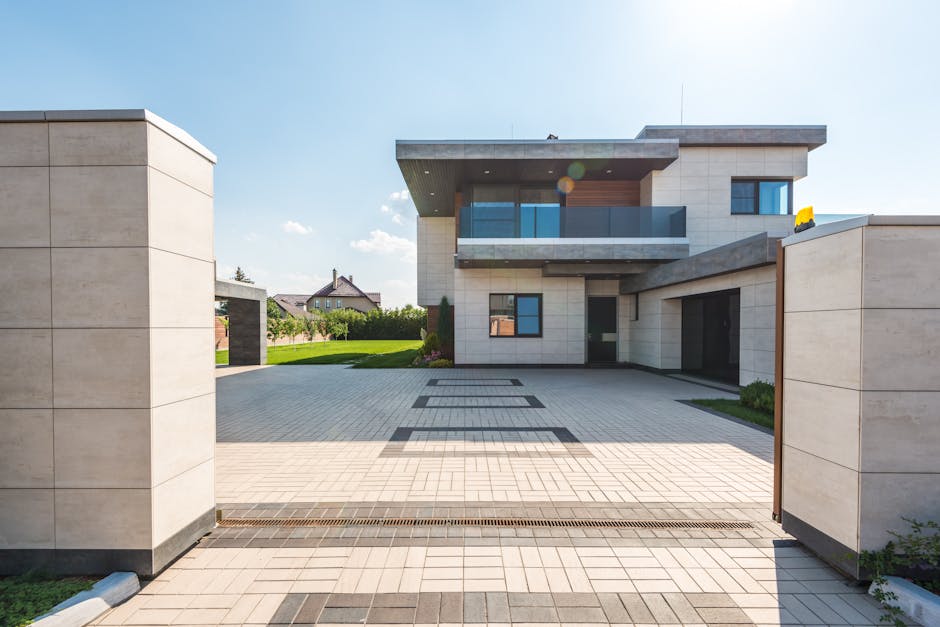
The New Benchmark for Tampa Luxury and Investment Capital
Tampa has transcended its former status as a regional secondary market, evolving into what analysts now categorize as a premier luxury investment capital. This shift is substantiated by a recent $675 million surge in high-end transactions, signaling a fundamental change in how national and international buyers perceive the Gulf Coast. As a buyer advisor, observing this trajectory requires looking beyond superficial aesthetics and focusing on the underlying market health that supports long-term appreciation. The influx of capital is not merely a transient trend; it represents a structural realignment of the city’s economic profile.
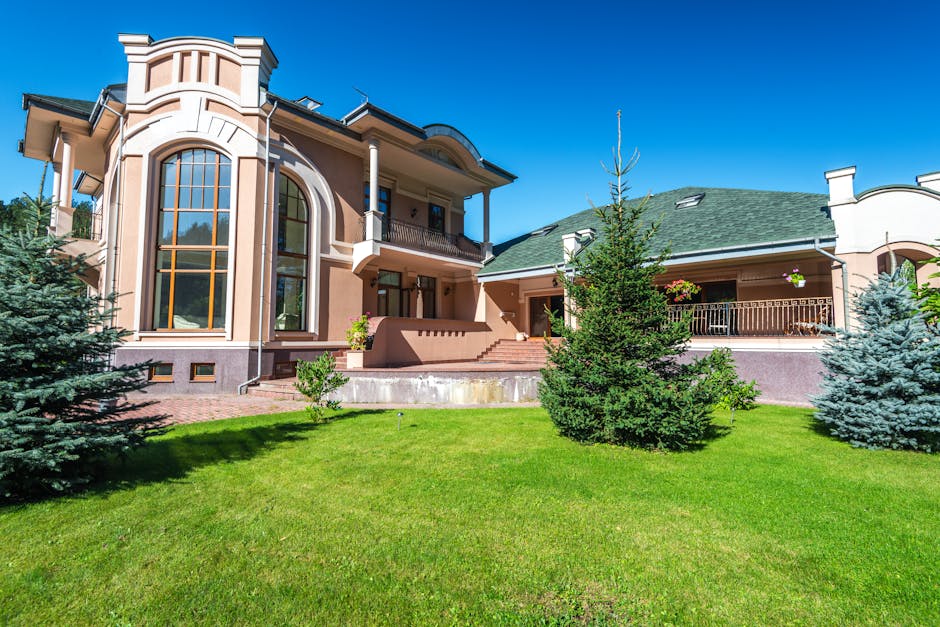
For the sophisticated investor, understanding the nuance of this growth is critical. The city is no longer competing solely with regional peers but is now measured against established coastal hubs. According to reports from Hauteresidence, the sheer volume of high-net-worth migration has compressed inventory levels in the most desirable corridors. This has resulted in a market where decision-useful data, rather than emotional appeal, dictates the most successful acquisitions. Buyers are increasingly prioritizing vertical integration, smart home technology, and concierge-level services over traditional sprawling estates.
Current inventory dynamics reflect this sophistication. With a median list price established at $2,272,925 and an average list price exceeding $3,000,000, the entry point for true luxury has moved significantly. Strategic buyers are currently monitoring the 120 active units with a focus on lot value and architectural significance. Whether evaluating a contemporary build on Davis Islands or a historic renovation in Hyde Park, the emphasis remains on the durability of the asset and its ability to withstand broader economic shifts. The local market movement suggests a continued preference for turnkey solutions that offer immediate utility.
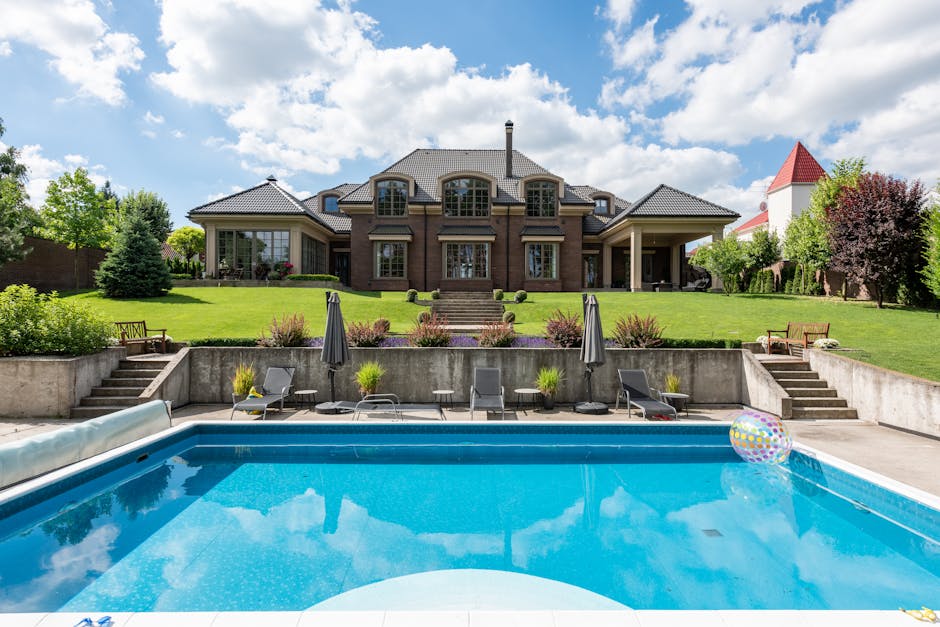
The Vertical Shift: Downtown’s High-End Condo Evolution
The skyline of downtown Tampa is undergoing a radical transformation as developers pivot toward ultra-luxury vertical living. This transition is highlighted by the recent commencement of demolition to make way for massive condo projects that aim to redefine the urban core. As reported by The Business Journals, these developments are not just adding units; they are introducing a level of service and amenity density previously unseen in the region. For the buyer, this offers a lower-maintenance alternative to traditional waterfront estates without sacrificing the prestige or square footage expected at this price point.
Early-stage condo markets like Tampa’s offer a unique window for valuation growth. Unlike saturated markets where new builds may struggle to differentiate themselves, Tampa’s emerging high-rise sector is characterized by scarcity and exclusive water views. Discerning buyers are looking for properties that integrate seamlessly with the city’s pedestrian-friendly initiatives, such as the Riverwalk and the expanding Water Street district. The convergence of residential, commercial, and hospitality sectors in these areas creates a self-sustaining ecosystem that historically supports higher resale values and rental yields.
When comparing vertical options, it is essential to verify the developer’s track record and the projected HOA structure. In a market where high-end sales have reached record heights, as noted by the Tampa Bay Times, the distinction between ‘luxury’ and ‘ultra-luxury’ often lies in the quality of the building’s management and the exclusivity of its shared spaces. Prospective residents should examine the long-term feasibility of these projects, ensuring that the amenities provided align with their specific lifestyle requirements and privacy concerns.
Neighborhood Micro-Trends: From Davis Islands to Culbreath Isles
Neighborhood selection in the current environment requires a granular understanding of local zoning, school district stability, and recent sales comparables. Davis Islands remains a primary target for those seeking proximity to downtown with a distinct, secluded feel. The area continues to command premium pricing due to its unique topography and aviation accessibility. Similarly, Culbreath Isles and Sunset Park are seeing a trend toward the demolition of older structures to make way for custom-built, modern masterpieces that utilize every square foot of their waterfront positioning. This ‘scrape and build’ behavior is a hallmark of a mature market where the value of the land often rivals the value of the existing improvement.
South Tampa continues to be the cultural and economic anchor for the region’s affluent demographic. The demand here is driven by a combination of historical charm and modern convenience. Many buyers are opting for the walkable streets of Hyde Park, where the balance between residential privacy and commercial vibrancy is perfectly struck. These micro-markets often exhibit different price elasticities than the broader county, making them resilient during periods of market volatility. Understanding these hyper-local dynamics is the difference between making a purchase and making a strategic investment.
In contrast, areas such as Carrollwood and Westchase offer a different value proposition, often providing more extensive acreage and private gated environments. While the price per square foot may differ, the quality of construction and the presence of high-end finishes remain consistent. Investors should also monitor the northern corridors where newer developments are mimicking the luxury standards set by the coastal neighborhoods. These areas often appeal to families looking for modern amenities within a more quiet, suburban framework while still maintaining a manageable commute to the city’s business hubs.
Essential Diligence for the Affluent Buyer
Acquiring a high-end property in Tampa requires more than a standard inspection. Given the environmental factors and the complexity of modern construction, a rigorous approach to due diligence is mandatory. This process ensures that the asset is not only a functional residence but a sound financial instrument. To help navigate this phase, consider the following checklist as a baseline for your investigation:
- Verify coastal construction requirements and elevation certificates to ensure long-term insurance stability.
- Examine recent neighborhood sales velocity to determine the liquidity of the specific sub-market.
- Conduct a specialized technical audit of all smart home integrations and HVAC systems to avoid post-purchase technical debt.
- Review the historical architectural integrity of the structure, especially in designated historic districts like Hyde Park.
- Assess the feasibility of future expansions or exterior modifications against local municipal codes and neighborhood associations.
- Analyze the property’s position within the local flood zone map to mitigate future risk and high carrying costs.
- Confirm the status of any existing builder warranties or structural guarantees for new construction properties.
Adhering to this structured approach allows buyers to negotiate from a position of strength and clarity. The goal is to eliminate ambiguity before the transaction closes, ensuring that the focus remains on the utility and enjoyment of the estate. For more detailed insights into the current market availability, you can browse our curated LISTINGS URL to identify properties that meet these high standards of excellence.
Analyzing Inventory and Pricing Realities
The current state of the market is one of balanced opportunity. While the median list price of $2,272,925 might suggest a high barrier to entry, the diversity of the 120 active listings provides options for various investment strategies. We are seeing a mix of residential estates, commercial opportunities, and land ready for development. This variety is a key indicator of a healthy, multi-faceted economy. According to data tracked by Florida Trend, the real estate sector remains a primary driver of the state’s economic resilience, with Tampa leading much of the activity in the luxury bracket.
Buyers should also be aware of the recent price adjustments in prominent waterfront communities. For example, some luxury estates in Venetian Isles have recently been offered at new price points, reflecting a more realistic alignment with current buyer expectations and financing environments. This normalization is a positive sign for the market, as it encourages transaction volume and prevents the stagnation often seen in over-inflated cycles. It provides a more transparent landscape for those ready to move forward with a primary or secondary residence purchase.
Property types are also diversifying. While single-family homes remain the gold standard, we are seeing increased interest in ‘lock-and-leave’ luxury townhomes and multi-generational estates. The trend toward functional versatility allows buyers to adapt their real estate holdings to changing family needs or professional requirements. This flexibility is particularly valuable in a market like Tampa, where the transition between work and leisure is often blurred by the city’s coastal proximity and favorable year-round conditions. Each property type requires a specific valuation model to ensure that the purchase price aligns with the actual market value.
Beyond the Residence: Cultural Capital and Connectivity
Luxury is not just defined by the four walls of a home; it is equally defined by the community and cultural infrastructure that surrounds it. Tampa’s appeal is bolstered by a consistent calendar of high-end events and a thriving culinary scene. Whether it is the annual Barbecue Festival or specialized festivals in St. Pete, as highlighted by WUSF, the region offers a sophisticated social landscape. This connectivity to local culture is a significant factor for many buyers who are looking to integrate into a community that values both business and leisure.
The city’s commitment to infrastructure and urban planning ensures that the luxury corridors remain accessible and vibrant. The expansion of regional airports and the continued development of the cruise terminals contribute to a sense of global connectivity. For the business-minded buyer, this means that their investment is supported by a robust network of transportation and commerce. This high level of connectivity is a key driver for corporate relocations and the subsequent demand for high-end residential housing. It creates a feedback loop of economic growth that benefits all property owners in the region.
Furthermore, the environmental stewardship and maintenance of public spaces, such as the Bayshore Boulevard linear park, add a layer of intangible value to the surrounding real estate. These amenities provide a backdrop for the high-end lifestyle that buyers expect, without the direct costs of ownership. The ability to access world-class recreation and entertainment within minutes of one’s front door is a primary motivator for the affluent buyer. It reinforces the decision to choose Tampa over other Florida metropolitan areas that may lack this cohesive sense of place.
Future Projections: Tampa as a Permanent Luxury Hub
Looking toward the remainder of 2026 and beyond, the outlook for Tampa’s luxury market remains exceptionally strong. The combination of sustained population growth, favorable tax environments, and a diversifying economy provides a solid foundation for continued real estate success. We expect to see a continued emphasis on sustainable construction and high-performance homes as buyers become more environmentally conscious. The integration of renewable energy sources and storm-resistant materials will likely become standard features in the upper echelons of the market.
The shift toward being a ‘luxury investment capital’ is now a permanent fixture of the local identity. As more high-net-worth individuals establish their primary residences here, the demand for ancillary services, from private wealth management to bespoke interior design, will continue to expand. This creates a mature luxury ecosystem that is self-reinforcing and highly resilient. For those who have been monitoring the market from the sidelines, the current stability and clear growth trajectory offer a compelling case for action. The transition from consideration to acquisition is supported by a wealth of empirical evidence and market momentum.
Navigating this complex landscape requires a partner who understands the high-stakes nature of luxury real estate. The ability to identify off-market opportunities, negotiate complex contracts, and provide neighborhood-level insights is the cornerstone of a successful acquisition strategy. As the market continues to evolve, our commitment to providing objective, data-driven advice remains unchanged. We invite you to explore the current inventory and engage with our team to discuss how we can assist in securing your position in Tampa’s premier residential corridors. Please use the CONTACT URL to schedule a confidential consultation and begin your search for an exceptional primary residence or investment property today.
Your next move in Tampa luxury
Get current inventory, pricing guidance, and private-tour support from our brokerage team.
Source highlights
- Tampa Bay’s most expensive luxury home sales of 2025 – Tampa Bay Times
- Demolition begins to make way for luxury condos in downtown Tampa – The Business Journals
- Why Tampa remains an early-stage luxury condo market – Tampa Bay Business & Wealth
- Florida Trend Real Estate – Florida Trend
- Jennifer Zales Unveils Venetian Isles Waterfront Luxury Now Offered At A New Price – Haute Living
- Inside Tampa’s $675 Million Surge: How the City Became Florida’s New Luxury Investment Capital – hauteresidence.com
- Things To Do In Tampa This Weekend: Fun Festivals & Events In Tampa This Weekend – That's So Tampa
- Tampa Bay area events this weekend: Tampa Bay Barbecue Festival and Greek Festival – WUSF



