


Capital Inflow and the Vertical Transformation
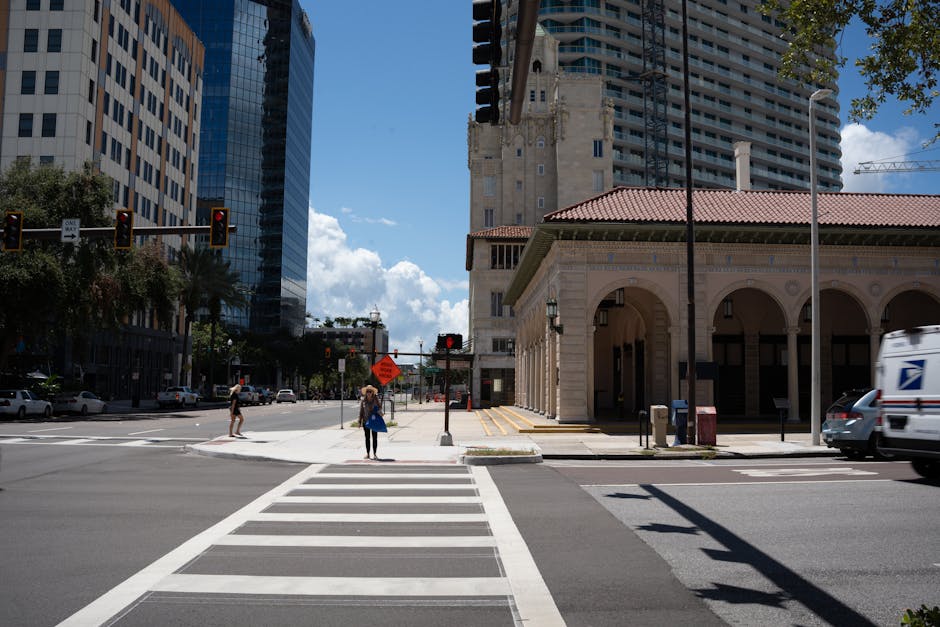
Tampa’s luxury sector is currently defined by a significant structural shift. Historically a market dominated by sprawling single-family estates in areas like Beach Park and Culbreath Isles, the landscape is pivoting toward high-density vertical living. This transition is underscored by recent developments in the urban core, where demolition has already begun to clear the path for a new wave of ultra-luxury condominiums. This movement signifies more than just a change in architecture; it represents a fundamental change in how high-net-worth individuals are deploying capital within the region.
As reported by The Business Journals, the removal of older structures to make way for premium residential towers is a clear indicator of the city’s densification strategy. For the sophisticated buyer, this means evaluating properties not just on current square footage, but on the future appreciation potential of the surrounding urban infrastructure. The migration of wealth from traditional financial hubs into Florida has placed Tampa at the center of a $675 million investment surge, positioning the city as a primary target for institutional and private equity alike.
This surge in demand has pressured the available inventory, which currently sits at approximately 120 active luxury listings. While the number may seem limited, the quality of these assets is reaching new heights. Buyers are no longer just looking for a residence; they are seeking a hedge against inflation and a lifestyle upgrade that aligns with the city’s maturing professional landscape. The analytical buyer must recognize that this is not a temporary bubble but a recalibration of the city’s baseline valuation in the context of broader Florida real estate trends.

Deciphering the $2.2M Median: Price Realities in Prime Corridors
Current market data reveals a median list price of $2,272,925 for luxury assets in the Tampa area. However, the average list price often exceeds $3,047,108, indicating a heavy concentration of ultra-high-end properties that skew the local averages upward. This gap between median and average pricing suggests a bifurcated market: a stable core of high-end homes and a volatile, high-velocity tier of trophy properties that frequently reset the ceiling for local valuations. When analyzing these figures, one must look at specific neighborhood performance rather than broad city-wide metrics.
Properties like the commercial-residential hybrid offerings on West Dr. Martin Luther King Jr. Boulevard or the modern builds on North Grady Avenue provide insight into how the market is expanding beyond the traditional historical districts. Buyers are increasingly willing to pay a premium for newer construction that offers modern building standards, hurricane-resistant materials, and integrated smart technology. The valuation of these homes is often driven more by replacement cost and site scarcity than by traditional comparable sales models, making it essential to work with an advisor who understands the nuances of off-market activity.
Furthermore, the 2025 sales cycle demonstrated that the upper echelon of the market remains resilient to interest rate fluctuations. High-capital buyers are frequently transacting in cash or utilizing specialized private banking instruments that bypass the constraints of the retail mortgage market. This liquidity ensures that prime assets in neighborhoods like Hyde Park and Davis Islands maintain their value even during broader economic shifts. To understand the full scope of available inventory and price trends, serious investors should regularly monitor the latest LISTINGS URL to identify emerging opportunities before they reach the wider public.
The Condo Conundrum: Early-Stage Opportunities vs. Established Assets
Tampa remains in what analysts call an “early-stage luxury condo market.” This categorization, as highlighted by Tampa Bay Business & Wealth, suggests that while the skyline is changing, the inventory has not yet reached the saturation levels seen in Miami or Fort Lauderdale. For the buyer, this presents a unique window of opportunity to acquire assets in buildings that will eventually become the established “old guard” of the downtown core. The risk profile of these pre-construction or early-occupancy units is balanced by the potential for significant equity growth as the surrounding amenities mature.
Comparing these vertical options against established single-family homes requires a different set of metrics. While a home on West Waters Avenue might offer more privacy and land value, a downtown condo provides proximity to the city’s evolving culinary and cultural scene, including events like Sharkapalooza or the various festivals that define the local social calendar. The decision often comes down to the buyer’s long-term utilization plan: is the property a primary residence, a seasonal retreat, or a strategic diversification of a real estate portfolio?
Verification is key in this segment. Understanding the reputation of the developer, the health of the condo association’s reserves, and the specifics of the master insurance policy are non-negotiable steps in the due diligence process. In a market where investment capital is surging, the quality of construction and the long-term viability of the building’s management will dictate its resale performance. An advisor’s role is to look beyond the renderings and assess the feasibility of the project timeline and the actual delivery of promised amenities.
Due Diligence Checklist for High-Capital Acquisitions
Before committing to a multi-million dollar transaction in the current Tampa climate, buyers must verify several critical factors. The following checklist serves as a baseline for the sophisticated investor to ensure that their acquisition is both physically and legally sound.
- Review the last 24 months of comparable sales within a two-mile radius to identify true market ceilings.
- Assess the elevation certificate and flood zone status to determine long-term insurance overhead and mitigation requirements.
- Investigate pending zoning changes or planned developments in adjacent parcels that could impact views or privacy.
- Analyze the building or home’s energy efficiency ratings and the age of critical systems like HVAC and roofing.
- Verify riparian rights and seawall integrity for all waterfront properties in areas like Venetian Isles.
- Consult with a tax specialist regarding the implications of homestead exemptions versus investment property tax rates.
This checklist is not exhaustive but provides a framework for navigating the complexities of the local market. Each point represents a potential risk or an opportunity for negotiation. For instance, a property with a recently updated seawall may command a premium, but it also offers a significant reduction in future capital expenditure. For personalized guidance on these specifics, it is advisable to CONTACT URL an advisor who specializes in the high-end segment.
Waterfront Dynamics: Navigating Riparian Rights and Resale Value
Waterfront living remains the pinnacle of the Tampa market, but the nuances of these properties require specialized knowledge. In neighborhoods like Venetian Isles, pricing has seen recent adjustments, as seen in the offerings from top luxury specialists. These adjustments often create entry points for buyers who prioritize direct water access for yachting or personal watercraft. However, the value of waterfront land is not just in the view; it is in the utility of the dockage and the depth of the canal.
Buyers should pay close attention to the age and material of the seawall, as well as the permits associated with any existing docks or boat lifts. Florida’s environmental regulations are stringent, and ensuring that all structures are compliant is essential for a smooth closing and future resale. Additionally, the impact of weather—such as the typical May temperatures in the mid-30s and seasonal rain patterns—should be considered when evaluating the outdoor living spaces and the durability of exterior finishes. Proper drainage and moisture barrier systems are critical for maintaining the integrity of these coastal homes.
The resale value of waterfront homes is also influenced by their proximity to the open bay versus being located in protected canals. While canal-front homes offer better protection for vessels, open-bay properties command the highest premiums for their unobstructed views. Analysis of Tampa’s most expensive sales consistently shows that the highest-grossing transactions occur on the water, but the cost of maintenance and insurance must be factored into the overall carry cost of the asset. A senior advisor can provide historical data on how these specific lot types have outperformed the broader market over multiple cycles.
Inventory Velocity: How to Position for a Successful Acquisition
With only 120 luxury units currently active, the velocity of the market can be deceptive. While the average days on market may suggest a balanced environment, prime properties in high-demand pockets like Westshore or Palma Ceia often move much faster. Successful buyers in this environment are those who have pre-positioned their capital and completed their preliminary research. Positioning yourself as a credible, ready-to-act buyer is often as important as the price you offer. This involves having a clear understanding of your non-negotiables and being prepared to waive contingencies that are not critical to the property’s structural or legal integrity.
Seller behavior in the $2 million to $5 million range is currently driven by a desire for clean, certain transactions. Many sellers are affluent individuals who do not need to sell, which shifts the leverage toward those who can offer flexible closing dates or lease-back options. Understanding the motivation behind the sale can provide a significant advantage during the negotiation phase. This is where local market intelligence—knowing which properties are being quietly shopped or which owners are reaching a point of decision—becomes invaluable.
As the city continues to mature and attract more global attention, the competition for the best assets will only intensify. The current inventory of land and residential units is finite, and the barriers to entry in the most desirable neighborhoods are rising. Navigating this landscape requires a combination of data-backed analysis and a deep understanding of local neighborhood dynamics. By focusing on decision-useful guidance rather than market hype, buyers can secure assets that offer both immediate lifestyle benefits and long-term capital preservation.
The Tampa luxury market is currently in a state of sophisticated expansion, offering a rare combination of early-stage growth and established stability. For those seeking to capitalize on this migration of wealth and the city’s vertical transformation, the timing necessitates a proactive approach. We invite you to explore our curated selection of high-end properties to understand the current benchmarks of quality and value. When you are ready to move beyond the data and begin your search for a primary residence or investment asset, our advisors are available to provide the specific, neighborhood-level insights you require. Browse our current LISTINGS URL or CONTACT URL an advisor today to discuss your acquisition strategy.
Your next move in Tampa luxury
Get current inventory, pricing guidance, and private-tour support from our brokerage team.
Source highlights
- Demolition begins to make way for luxury condos in downtown Tampa – The Business Journals
- Tampa Bay’s most expensive luxury home sales of 2025 – Tampa Bay Times
- Why Tampa remains an early-stage luxury condo market – Tampa Bay Business & Wealth
- Florida Trend Real Estate – Florida Trend
- Jennifer Zales Unveils Venetian Isles Waterfront Luxury Now Offered At A New Price – Haute Living
- Inside Tampa’s $675 Million Surge: How the City Became Florida’s New Luxury Investment Capital – hauteresidence.com
- Things To Do In Tampa This Weekend: Fun Festivals & Events In Tampa This Weekend – That's So Tampa
- Tampa Bay area events this weekend: Sharkapalooza and St. Pete Italian Fest – WUSF



