The Structural Integrity of Tampa’s High-End Market
The Tampa luxury real estate sector continues to demonstrate a unique resilience, effectively decoupling from broader national cooling trends. While other metropolitan areas have seen a pullback in high-ticket transactions, the local landscape remains bolstered by sustained domestic migration and a significant influx of private wealth. Current data indicates a median list price of approximately $2,272,925, reflecting a market that prioritizes quality and location over speculative volume. This stability is not accidental but rather the result of targeted infrastructure investments and the maturation of the regional business ecosystem.
As of late May 2026, the inventory sits at a refined 120 active luxury listings. This limited supply necessitates a more surgical approach to acquisition than in previous cycles. Buyers are no longer competing for every available square foot; instead, they are focusing on properties that offer long-term capital preservation and specific architectural utility. Recent reporting from The Business Journals highlights that the Tampa Bay luxury market grows stronger despite national declines, validating the region’s status as a primary destination for sophisticated investors seeking haven assets.
The current climate, characterized by warm May temperatures and occasional late-spring showers, mirrors the market’s own steady heat. This environment rewards the patient observer who understands that a $3 million average list price is not a ceiling but a baseline for premium assets in the most coveted enclaves. For those navigating this space, success depends on moving beyond surface-level aesthetics and scrutinizing the underlying value drivers that differentiate a standard high-end residence from a truly strategic acquisition.
Identifying Value in Established Neighborhoods
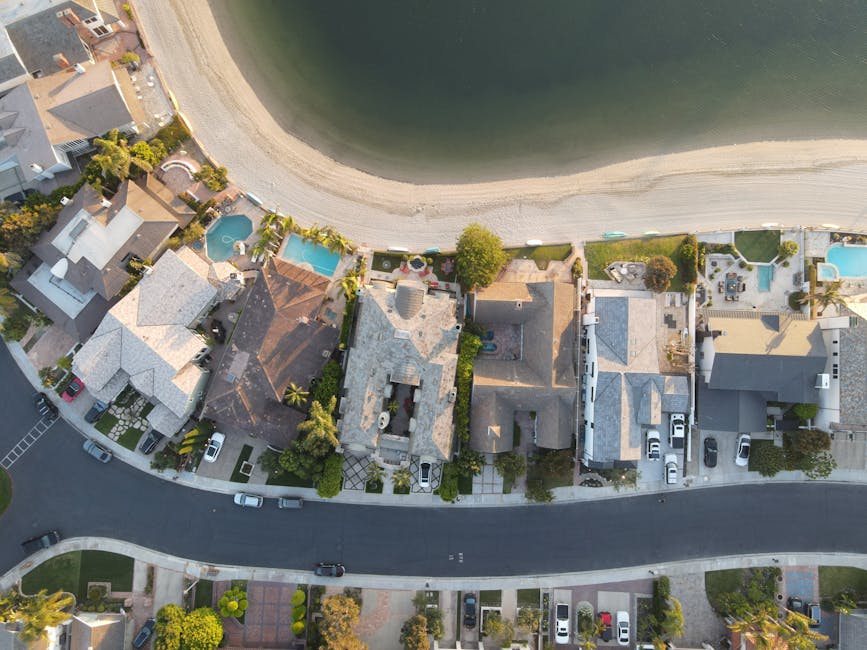
Neighborhood selection in Tampa has evolved into a study of micro-markets. Traditional bastions of wealth such as Davis Islands and Hyde Park continue to command a premium due to their proximity to the urban core and their deep-rooted community character. However, we are seeing a tactical shift toward areas like Culbreath Isles and Beach Park, where larger lot sizes and private dockage offer a level of seclusion that is increasingly rare. The decision-making process for today’s buyer is heavily influenced by the balance between commute efficiency and the desire for a private sanctuary.
Analytical buyers are also looking closely at South Tampa’s coastal perimeter. Properties along the Bayshore corridor remain the gold standard for prestige, yet the secondary streets of Sunset Park and Palma Ceia are seeing increased interest as buyers seek a more residential feel without sacrificing access to top-tier private education and dining. The focus here is on the permanence of the location; while interiors can be renovated, the geographical advantage of these neighborhoods remains immutable. It is essential to evaluate how these areas interface with the ongoing expansion of the downtown waterfront district.
When comparing different enclaves, it is useful to monitor the movement of high-value sales to gauge neighborhood velocity. For instance, recent transactions in the Venetian Isles waterfront sector demonstrate a renewed interest in modern architectural styles that maximize views of the bay. Understanding these localized trends allows buyers to anticipate where the next wave of appreciation will occur. This level of granularity is what separates a standard purchase from a legacy investment that will withstand shifting economic cycles.
The Strategic Shift Toward Full-Service Vertical Living
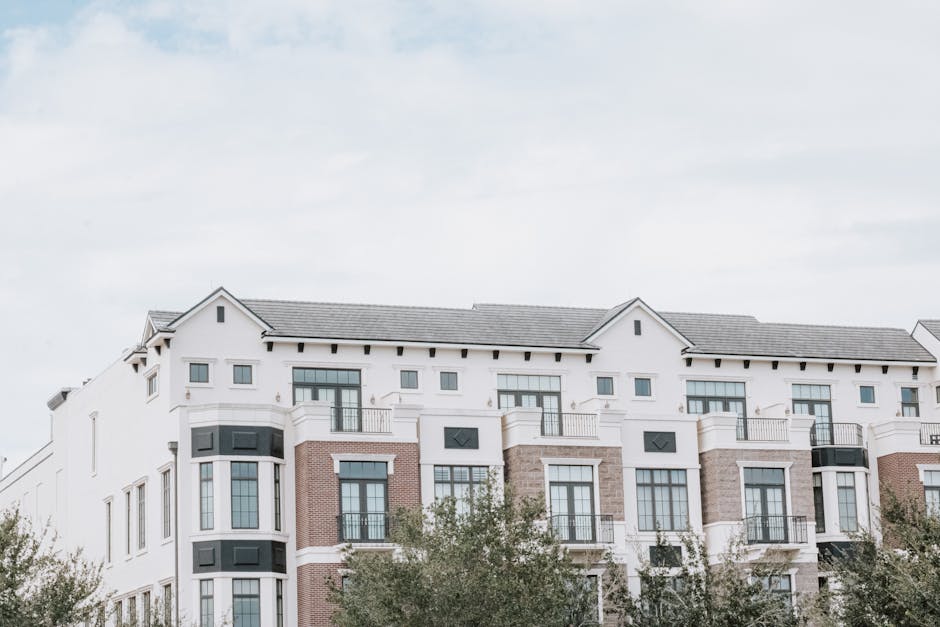
While single-family estates have long dominated the conversation, Tampa is currently undergoing a significant evolution in its high-end condominium sector. We are witnessing a transition from traditional high-rises to integrated residential experiences that prioritize service and security. This move toward vertical living is particularly prevalent among buyers who value a lock-and-leave lifestyle or those transitioning from larger estates in the Northeast. The emergence of Water Street and the expansion of the Westshore district have created new hubs for this specific property type.
This growth is not merely about adding units to the skyline; it is about defining a new standard of luxury. According to Tampa Bay Business & Wealth, the city remains an early-stage luxury condo market, suggesting that there is still significant runway for growth and appreciation for early entrants in the most prestigious buildings. These developments offer amenities that were previously unavailable in the region, including private wellness centers, 24-hour concierge services, and sophisticated climate-controlled storage solutions.
For the discerning buyer, the choice between a historic bungalow and a modern penthouse involves more than just a change in view. It requires an assessment of the long-term management of the building and the quality of the developer’s track record. As the market matures, the differentiation between ‘luxury’ and ‘ultra-luxury’ will become clearer, with the latter defined by a level of service that rivals the finest hotels in the world. This vertical expansion is a key component of Tampa’s broader strategy to compete with other global investment capitals.
Crucial Considerations for Waterfront Acquisitions
Waterfront property remains the most sought-after asset class in the region, yet it carries the highest degree of complexity. Buyers must look beyond the initial appeal of the view and conduct rigorous due diligence on riparian rights, seawall integrity, and modern elevation requirements. In the current regulatory environment, the ability to build or renovate on the water is subject to increasingly strict guidelines. Navigating these requirements requires a professional who understands the intersection of environmental policy and high-end construction.
The value of a waterfront home is also intrinsically linked to its depth and access. Properties on the open bay command a different premium than those on protected canals, and the distinction between ‘deep water’ and ‘flats’ can have a multi-million dollar impact on resale value. Serious buyers often involve maritime consultants early in the process to ensure that the dockage can accommodate their specific vessel requirements. This level of foresight is critical in a market where the most desirable slips are finite resources.
Recent surges in investment underscore the importance of this sector. As reported by Hauteresidence.com, Tampa has seen a $675 million surge, cementing its position as a new luxury investment capital. Much of this capital is being deployed into high-end coastal developments and private bayfront estates. When evaluating these opportunities, it is vital to work with an advisor who can provide a historical perspective on price movements and a realistic projection of future maintenance costs.
Investment Protocol: The Selective Buyer’s Checklist
To successfully navigate the acquisition of a premium asset, one must employ a structured evaluation process. This protocol ensures that emotional appeal does not overshadow financial and structural realities. In a low-inventory environment, the ability to make a decisive, well-informed offer is the ultimate competitive advantage. The following checklist serves as a foundation for a sophisticated market entry:
- Verification of riparian and air rights to protect long-term views and access.
- Assessment of current flood elevation certificates and their impact on future insurance premiums.
- Evaluation of whole-home automation systems for compatibility with modern cybersecurity standards.
- Detailed inspection of seawall structural integrity and remaining lifecycle costs.
- Analysis of neighborhood zoning trends and potential for nearby commercial development.
- Review of historical price appreciation relative to the broader metropolitan average.
- Verification of all permits for recent renovations to ensure full compliance with current building codes.
Adhering to this protocol allows a buyer to identify potential red flags before they become liabilities. It also provides a clear framework for comparing disparate properties, such as a historic estate in Old Hyde Park versus a contemporary masterpiece on Davis Islands. In the luxury space, information is the most valuable currency, and those who possess the most accurate data are best positioned to secure the most favorable terms.
Analyzing the Pricing Gap Between New Construction and Heritage Estates
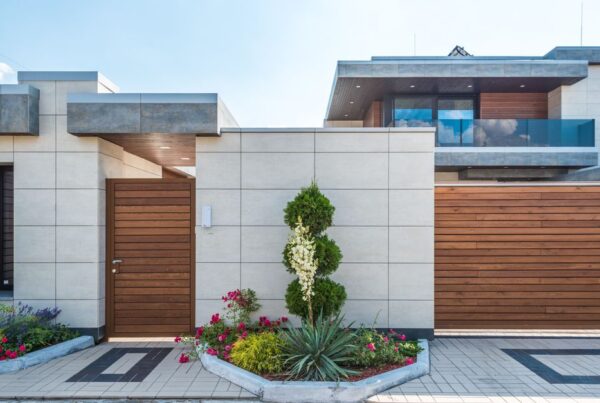
A significant trend in the current market is the widening pricing gap between new construction and existing inventory. Modern residences, such as the contemporary home on Grady Avenue or the expansive commercial-to-residential opportunities on Martin Luther King Jr Boulevard, often command a higher price per square foot due to their immediate occupancy and high-spec finishes. For many buyers, the premium for ‘new’ is justified by the avoidance of lengthy renovation timelines and the integration of the latest energy-efficient technologies. This preference for turnkey assets is a defining characteristic of the current buyer profile.
Conversely, heritage estates offer a level of craftsmanship and character that is difficult to replicate. These properties often sit on superior lots that were secured decades ago, providing a sense of scale and permanence that new builds often lack. For the right investor, these homes represent an opportunity to add significant value through thoughtful restoration. The challenge lies in accurately estimating the cost of modernization while preserving the architectural integrity that makes the property unique. This requires a deep understanding of local building traditions and a network of specialist contractors.
The choice between these two paths often comes down to the buyer’s investment horizon. New construction offers immediate utility and lower maintenance costs in the short term, making it an attractive option for those focused on lifestyle. Heritage estates, while requiring more intensive management, often serve as better long-term stores of value due to their scarcity and historical significance. Both paths require a nuanced understanding of the Architectural Digest standards for high-end residential design and a commitment to maintaining the highest level of finish.
Future-Proofing Assets in a Low-Inventory Environment
As we look toward the remainder of 2026 and into 2027, the focus for Tampa luxury owners will be on future-proofing their assets. This involves more than just aesthetic updates; it requires a proactive approach to environmental sustainability and technological integration. The most valuable properties in the next decade will be those that can demonstrate a high degree of resilience and self-sufficiency. This includes everything from advanced water filtration systems to robust solar arrays and battery backup solutions that ensure the home remains operational under all conditions.
Furthermore, the integration of health and wellness features is no longer a luxury but a requirement for the highest-tier properties. Homes that feature dedicated medical-grade air purification, circadian lighting systems, and integrated fitness suites are seeing higher demand and faster absorption rates. This shift reflects a broader change in how affluent individuals view their primary residences—not just as places to live, but as environments that actively contribute to their well-being. Keeping an eye on Forbes Real Estate trends will help owners stay ahead of these global shifts.
The Tampa luxury market is no longer a regional secret; it is a globally recognized destination for capital and lifestyle. Success in this environment requires a sophisticated understanding of both local nuances and global economic trends. Whether you are looking to acquire a primary residence or a strategic addition to your portfolio, the current landscape offers significant opportunities for those who approach it with a disciplined, analytical mindset. To explore the current inventory and identify the most promising opportunities, we invite you to browse our exclusive listings and contact a private advisor to begin a confidential consultation.
Your next move in Tampa luxury
Get current inventory, pricing guidance, and private-tour support from our brokerage team.
Source highlights
- Tampa Bay’s most expensive luxury home sales of 2025 – Tampa Bay Times
- Tampa Bay luxury market grows stronger despite national declines – The Business Journals
- Why Tampa remains an early-stage luxury condo market – Tampa Bay Business & Wealth
- Florida Trend Real Estate – Florida Trend
- Jennifer Zales Unveils Venetian Isles Waterfront Luxury Now Offered At A New Price – Haute Living
- Inside Tampa’s $675 Million Surge: How the City Became Florida’s New Luxury Investment Capital – hauteresidence.com
- Tampa Bay area events this weekend: Sharkapalooza and St. Pete Italian Fest – WUSF
- Things To Do In St Pete This Weekend: Best Festivals & Events Going On In St Petersburg – I Love the Burg