The Resilience of the Tampa Luxury Sector
As of mid-May 2026, the Tampa luxury real estate market continues to demonstrate a unique decoupling from broader national trends. While other major metropolitan areas have seen cooling periods, the local inventory of high-end assets remains disciplined. With approximately 120 active luxury listings currently available, the market is characterized by a high degree of pricing integrity. The median list price has stabilized near $2,300,000, while the average list price often exceeds $3,100,000, reflecting a significant concentration of ultra-high-net-worth properties entering the rotation.
Qualified buyers are increasingly looking at Tampa not just as a secondary seasonal destination, but as a primary seat for capital allocation. This shift is supported by data indicating that Tampa Bay luxury market grows stronger despite national declines, reinforcing the region’s status as a top-tier investment hub. The current weather patterns, featuring typical May humidity and intermittent rainfall, have done little to dampen the velocity of private showings for off-market and pocket listings.
The stability of the local economy, bolstered by a steady influx of corporate relocations and a favorable tax climate, provides a solid foundation for property valuations. Advisors are noting that the average days on market for well-positioned assets remains surprisingly low, as buyers prioritize immediate utility over speculative appreciation. Decisions are being driven by internal metrics: floor-plan functionality, smart-home integration, and proximity to the region’s growing private club scene.
The Evolution of Waterfront as a Primary Residence
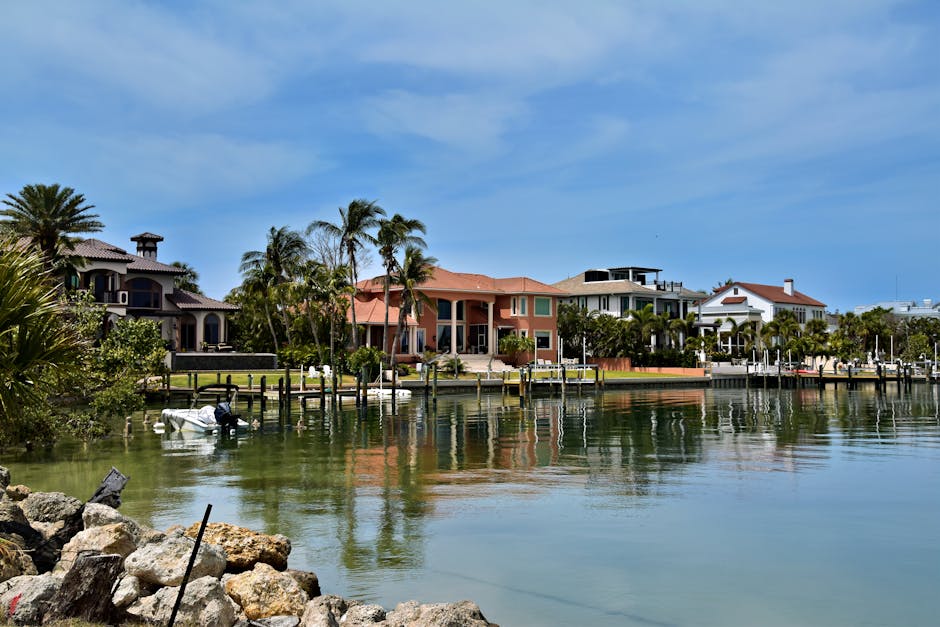
The traditional view of waterfront property in areas like Davis Islands and Harbour Island has evolved significantly over the last twenty-four months. Previously viewed as discretionary lifestyle purchases, these assets are now being evaluated as critical primary residences. This transition is highlighted by recent analysis from The National Law Review, which identifies Tampa’s waterfront as an emerging primary luxury market. Buyers are moving away from the ‘weekend getaway’ mentality, seeking out properties with substantial square footage and integrated office suites.
For those considering the Bayshore corridor or the peninsular enclaves, the focus has shifted toward structural resilience. High-end buyers are now scrutinizing elevation certificates and seawall integrity with the same intensity as interior finishes. This analytical approach ensures that the premium paid for water access is backed by long-term asset security. Current inventory includes several flagship estates that exemplify this trend, blending historic charm with modern engineering.
Furthermore, the development of luxury amenities near these waterfront zones—such as the expansion of high-end dining and private docks—has increased the intrinsic value of the land. It is no longer enough to have a view; the modern buyer demands a seamless connection between their private pier and the metropolitan core. This demand for ‘lifestyle efficiency’ is a primary driver behind the consistent pricing seen in the 2025 and early 2026 sales cycles.
Navigating the Early-Stage Luxury Condo Inventory
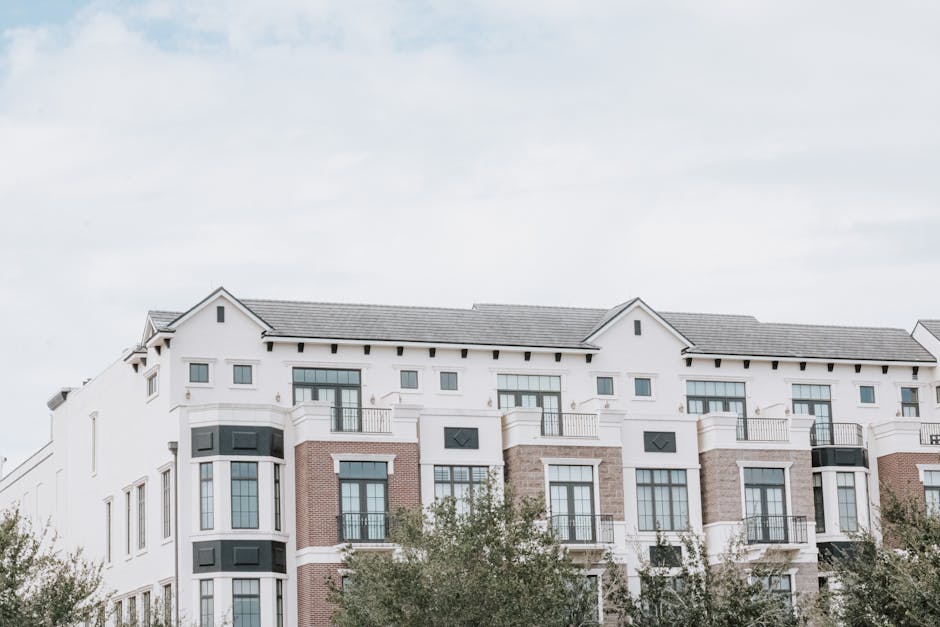
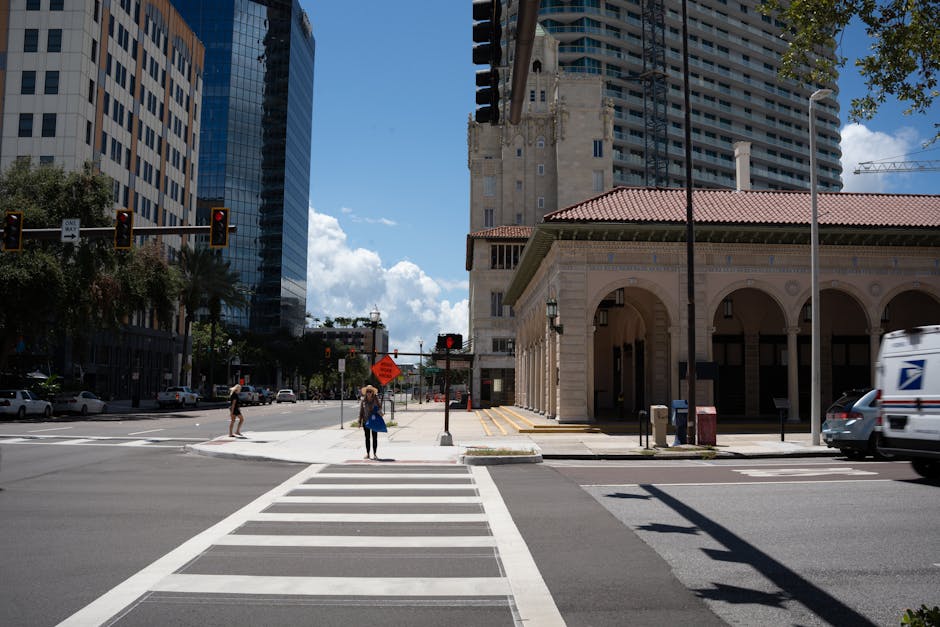
While single-family estates often dominate the conversation, the Tampa luxury condo market represents a strategic entry point for buyers looking for low-maintenance, high-service living. Industry experts classify Tampa as an early-stage luxury condo market, offering a value proposition that is difficult to find in more mature coastal cities. Projects in Water Street and the Westshore district are setting new benchmarks for price per square foot, yet they remain competitive when compared to South Florida or Northeast alternatives.
The attraction of these developments lies in their ‘lock-and-leave’ capability, which appeals to the mobile high-net-worth individual. However, the decision to invest in a condo requires a deep dive into the developer’s track record and the long-term viability of the HOA structure. Sophisticated buyers are looking past the initial gloss of the renderings to investigate the underlying management contracts and the sustainability of the amenity packages. This scrutiny is essential as the city continues to verticalize its luxury offering.
Strategic Checklist: Assessing Tampa Luxury Assets
- Verify the structural integrity and elevation of waterfront assets, including recent seawall inspections.
- Analyze the historical sales data within the specific neighborhood enclave over the last 18 to 24 months.
- Assess the impact of recent and planned commercial developments in the surrounding Westshore or Downtown areas.
- Review the specific architectural restrictions for historic neighborhoods such as Seminole Heights or Hyde Park.
- Confirm the proximity and accessibility to private aviation hubs and elite educational institutions.
- Evaluate the integrated smart-home technologies and their compatibility with future-proofed standards.
Neighborhood Dynamics: Beyond the Usual Suspects
As the core luxury areas reach peak density, attention is shifting toward neighborhoods that offer a blend of historic character and modern updates. For instance, the area around North Florida Avenue has seen a significant uptick in interest, with properties like the $2,200,000 listing at 6304 N Florida Avenue representing a new tier of luxury in Seminole Heights. This area appeals to buyers who value larger lot sizes and the architectural diversity of a established neighborhood, while still remaining minutes from the urban center.
Similarly, the North Grady Avenue corridor in Westshore has become a focal point for those seeking newer construction with modern aesthetics. A recent listing at 5010 N Grady Avenue for $1,550,000 highlights the availability of high-end builds that cater to the ‘new luxury’ demographic—those who prioritize clean lines, energy efficiency, and functional outdoor spaces. These sub-markets are often where the best opportunities for long-term equity growth are found, provided the buyer can identify the specific blocks that are leading the gentrification curve.
Buyers should also keep an eye on the Venetian Isles and St. Petersburg waterfront, where pricing adjustments can occasionally create arbitrage opportunities. As noted by Haute Living, the introduction of premium waterfront listings at new price points can signal a shift in regional inventory dynamics. Understanding these micro-market movements is critical for a well-rounded acquisition strategy.
Market Velocity and Pricing Integrity
The current market velocity is a reflection of a highly educated buyer pool. Unlike previous cycles, today’s purchasers are rarely operating on emotion. Instead, they are utilizing detailed market reports and comparable analysis to drive their negotiations. The presence of 120 active luxury units suggests a healthy equilibrium, where neither buyers nor sellers hold an overwhelming advantage. This environment rewards those who are prepared to act decisively when a property meets their specific criteria.
We are also seeing a stabilization in the rental and commercial sale sectors, which often serve as leading indicators for residential luxury demand. According to Florida Trend, the overall real estate sentiment in the state remains cautiously optimistic, with Tampa Bay frequently cited as a bright spot for high-end activity. This macro-level support is vital for maintaining the confidence required for multi-million dollar transactions.
For those interested in the cultural fabric that supports these valuations, the local event calendar remains robust. Whether it is attending high-end festivals or navigating the weekend’s can’t-miss events in Tampa, the city’s maturity as a cultural hub continues to attract a sophisticated demographic. This cultural density is a non-tangible asset that significantly contributes to the long-term desirability of the Tampa luxury market.
The Path Forward for High-Net-Worth Buyers
Navigating the Tampa luxury market in 2026 requires a blend of data-backed analysis and local intuition. The days of generic market reports are over; success now depends on neighborhood-level implications and a practical understanding of asset utility. Buyers should focus on identifying properties that offer a hedge against inflation while providing an immediate upgrade in their day-to-day operations. This might mean prioritizing a specific school district, a private dockage option, or a home office that rivals a corporate headquarters.
Ultimately, the decision to acquire a luxury asset in Tampa is a vote of confidence in the region’s long-term trajectory. With a median list price that reflects true value rather than speculative hype, the market is well-positioned for continued health. To navigate this landscape effectively, it is essential to work with an advisor who understands the nuances of the local sub-markets and can provide access to the inventory that never hits the public MLS. Start your search by reviewing the latest curated LISTINGS URL and then CONTACT URL an advisor to discuss your specific requirements for a 2026 acquisition.
Your next move in Tampa luxury
Get current inventory, pricing guidance, and private-tour support from our brokerage team.
Source highlights
- Tampa Bay’s most expensive luxury home sales of 2025 – Tampa Bay Times
- Tampa Bay luxury market grows stronger despite national declines – The Business Journals
- Why Tampa remains an early-stage luxury condo market – Tampa Bay Business & Wealth
- Tampa Bay’s Waterfront Emerges as a Primary Luxury Real Estate Market – The National Law Review
- Florida Trend Real Estate – Florida Trend
- Jennifer Zales Unveils Venetian Isles Waterfront Luxury Now Offered At A New Price – Haute Living
- Things To Do In Tampa This Weekend: Fun Festivals & Events In Tampa This Weekend – That's So Tampa
- Tampa Bay-area events this weekend: Sharkapalooza and St. Pete Italian Fest – WUSF