The Structural Evolution of Tampa’s Luxury Corridor
Tampa has transitioned from a seasonal retreat to a primary destination for national and international wealth. This shift is not merely anecdotal; it is supported by a significant influx of corporate executives and private equity leaders who are relocating their primary residences to the Gulf Coast. Unlike previous cycles driven by speculative growth, the current movement is characterized by long-term capital commitment. High-net-worth individuals are increasingly prioritizing the tax advantages and regulatory environment of Florida, while demanding the same level of urban density and luxury infrastructure found in traditional hubs like New York or Chicago.
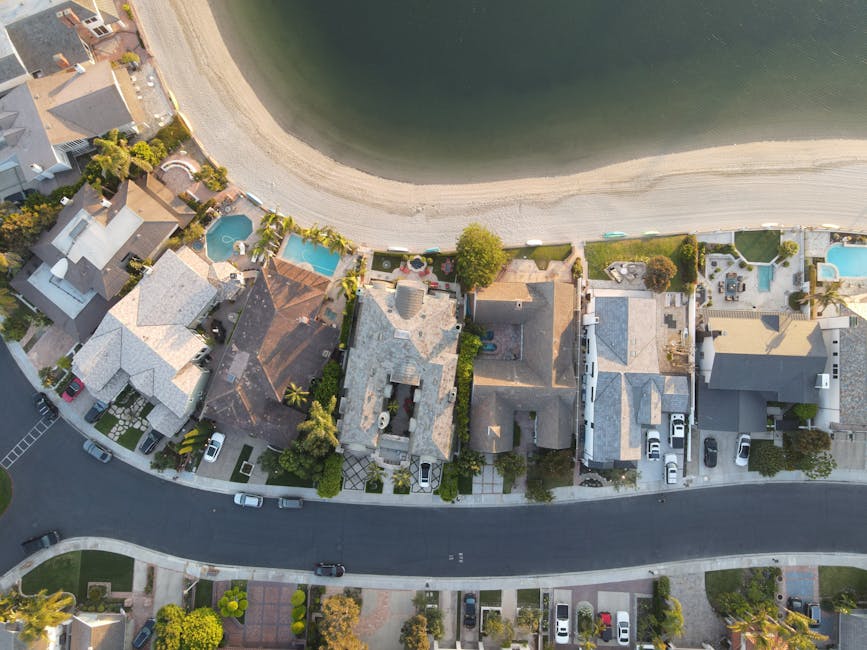
As of mid-2026, the local market maintains a median list price of approximately $2,300,000, reflecting a stable yet competitive environment. The average list price of $3,106,832 indicates a heavy concentration of value in the ultra-high-end segment, particularly along the South Tampa shoreline. Buyers are no longer seeking simple vacation properties; they are looking for complex estates that serve as functional home offices, wellness retreats, and secure family compounds. This evolution is forcing developers to rethink standard floor plans, favoring expansive private workspaces and high-tech security integrations over traditional formal living areas.
The regional market is also seeing a diversification in property types. While residential estates remain the cornerstone, there is growing interest in land acquisition for custom builds and commercial sale opportunities that support local business expansion. Understanding these nuances is critical for any buyer navigating the 120 active luxury units currently available. Professional guidance is essential to differentiate between properties with lasting intrinsic value and those priced based on temporary market sentiment.

Supply Dynamics and the Impact of New Construction
Inventory levels in Tampa’s high-end neighborhoods have been influenced by a combination of interest rate stabilization and a surge in new construction. Recent data indicates that mortgage rates have settled near 6.09%, providing a more predictable environment for buyers who utilize financing for strategic liquidity management. According to Tampa Bay Business & Wealth, this stabilization, combined with fresh inventory, has begun to lift the overall supply, offering buyers more leverage than seen in the previous 24 months.
New construction is specifically targeting the high-density waterfront zones where land is at a premium. These projects often include integrated smart-home technologies and sustainable building materials that appeal to modern environmental sensibilities. For buyers, this means a choice between the architectural character of historic estates in areas like Beach Park and the turnkey efficiency of modern builds. The decision often hinges on the willingness to manage a renovation versus the desire for immediate occupancy. We recommend reviewing the current listings to compare these distinct property styles side-by-side.
The competition for prime lots remains intense. While the overall inventory has seen a modest increase, the highest-quality parcels—those with wide water views or substantial acreage—seldom remain on the market for extended periods. This has created a bifurcated market where B-tier properties see price adjustments while A-tier assets continue to command record-breaking figures. Savvy buyers are focusing on the underlying land value and the long-term potential for appreciation in neighborhoods that are still undergoing gentrification or infrastructure improvements.
The Waterfront as a Primary Market Asset
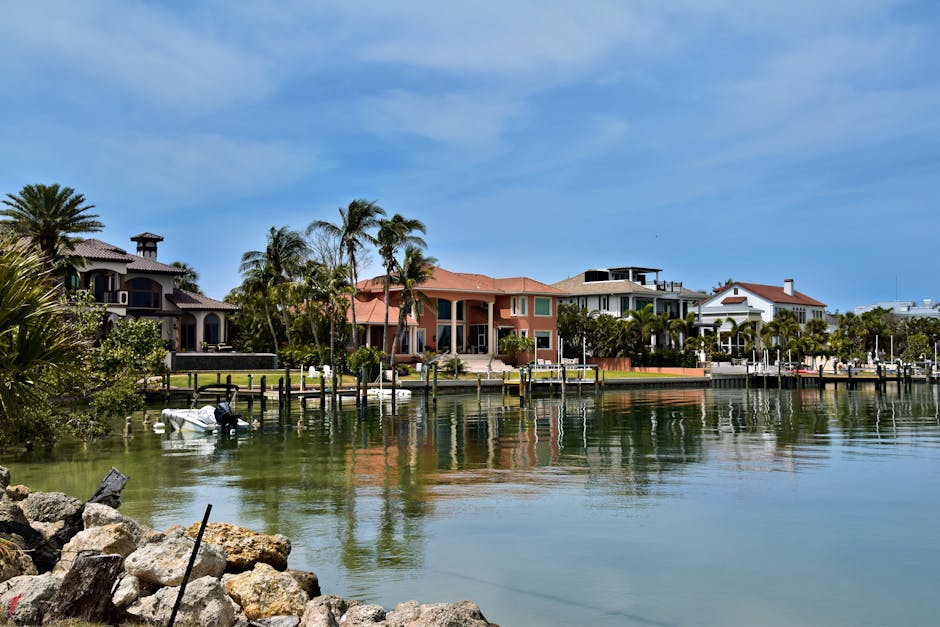
Tampa’s waterfront has officially emerged as a primary market, a designation once reserved for only a handful of coastal cities in the United States. This trend is highlighted by legal and market analysts who note that the region is attracting permanent residents who require year-round utility from their properties. As reported by The National Law Review, the legal complexities of waterfront ownership, including riparian rights and maritime access, are becoming central to high-value transactions. Buyers must be diligent in verifying seawall integrity and permitting for private dockage before committing to a purchase.
The demand for waterfront access is driving significant value in neighborhoods like Davis Islands and Harbor Island. These areas offer proximity to the city center while maintaining a sense of seclusion. However, the premium for water frontage can often exceed 50% of the total property value compared to inland homes just a few blocks away. For many, this premium is justified by the lifestyle utility—boating, fishing, and sunset views—but it also serves as a hedge against inflation. Waterfront land in Tampa is a finite resource, and as the city continues to grow, its value is expected to remain resilient.
Recent transactions underscore this trend. High-end sales in 2025 have consistently broken previous records, with buyers showing a preference for wide-open bay views over canal-front properties. This preference reflects a desire for privacy and unobstructed vistas, which are increasingly rare in a developing urban landscape. For those interested in securing a position in this exclusive segment, it is prudent to contact a dedicated advisor to discuss off-market opportunities that may not be visible in public databases.
Strategic Acquisition Checklist
Navigating a luxury purchase requires a systematic approach to due diligence. Beyond the aesthetic appeal of a property, buyers must evaluate the structural and legal framework that supports its long-term value. This is especially true in a coastal environment where environmental factors play a critical role in property maintenance and insurance costs.
- Verify the elevation certificate and recent flood insurance premium history to anticipate future carrying costs.
- Confirm riparian rights and check for any existing maritime easements that could impact private dockage or shoreline use.
- Review the HOA reserve study and meeting minutes for gated communities to ensure no pending special assessments.
- Assess the age and condition of major mechanical systems, including multi-zone HVAC units and smart-home integration hubs.
- Analyze the local permit history for any recent unpermitted work that could complicate future renovations or sales.
- Evaluate the proximity to high-end amenities and the impact of planned municipal infrastructure projects in the immediate area.
By following this checklist, buyers can move beyond the surface-level features of a home and understand the true cost of ownership. This analytical approach is what separates a successful investment from a potential liability. Each neighborhood in Tampa has its own unique set of considerations, from the historic preservation rules of Hyde Park to the modern building codes of the newer waterfront developments.
The St. Petersburg Executive Migration
The luxury market in the Tampa Bay region is not limited to the city itself. St. Petersburg has become a formidable competitor for executive relocation, offering a distinct cultural atmosphere and a highly walkable urban core. A recent column in The Business Journals examines why executives are increasingly choosing the St. Pete side of the bay. The appeal lies in a combination of high-end condo living and waterfront estates that offer a more laid-back, yet sophisticated, environment compared to the bustling business districts of Tampa.
This cross-bay movement has created a synergy that benefits the entire region. Executives may work in Tampa but live in the Venetian Isles or Snell Isle areas of St. Pete. This lifestyle flexibility is a major selling point for the region as a whole. Property values in these St. Pete neighborhoods have kept pace with Tampa’s most expensive areas, with some waterfront estates fetching prices that rival the most exclusive enclaves in South Florida. The availability of deep-water dockage and the proximity to the rejuvenated downtown St. Pete dining and arts scene are primary drivers for this demand.
Furthermore, price adjustments in certain areas are providing entry points for those who were previously priced out of the market. For instance, Haute Living recently highlighted significant price adjustments for waterfront luxury in Venetian Isles, signaling a moment where strategic buyers can find relative value. Monitoring these cross-bay trends is essential for anyone looking to maximize their lifestyle options within the greater Tampa Bay luxury ecosystem.
Market Benchmarks and Notable Sales
Analyzing the most expensive sales of the previous year provides a clear roadmap for current valuations. According to the Tampa Bay Times, the record-breaking sales of 2025 were concentrated in South Tampa and the barrier islands. These transactions often involved properties with unique features, such as double lots, significant water frontage, or historical provenance. Understanding what drove these prices—whether it was the rarity of the lot or the quality of the finish—is vital for buyers attempting to justify current asking prices.
In many cases, the value was found in the land rather than the structure. Several multi-million dollar sales were followed by immediate demolition or extensive renovation, proving that the demand for prime locations remains the dominant force in the market. This trend is also evident in the commercial sector, where land parcels on major thoroughfares like North Florida Avenue or Dr. Martin Luther King Jr. Boulevard are seeing increased interest from developers looking to support the growing residential population.
For the private advisor, these benchmarks are more than just numbers; they are indicators of where the market is headed. As the city continues to host major cultural events, such as those highlighted by WUSF, the visibility of the Tampa Bay area continues to rise. This increased national profile attracts a broader pool of buyers, ensuring that the luxury market remains liquid and active even during broader economic shifts.
Future-Proofing Your Real Estate Assets
In a dynamic market, the goal of a luxury purchase is not just immediate satisfaction but long-term capital preservation. This requires an analytical approach to neighborhood selection and property management. Areas that are seeing sustained investment in public infrastructure, such as improved flood mitigation or enhanced public parks, are likely to see the best long-term appreciation. Buyers should also consider the impact of local zoning laws, which can influence the density and character of a neighborhood over time.
Focusing on timeless design and high-quality materials is another way to future-proof an asset. While architectural trends come and go, properties that prioritize natural light, functional outdoor space, and high-quality craftsmanship tend to hold their value across market cycles. This is particularly true in Tampa, where the subtropical climate rewards designs that facilitate indoor-outdoor living. Reviewing the latest reports from Florida Trend can provide additional context on the statewide economic factors that influence these local decisions.
The Tampa luxury market remains a compelling option for those seeking a combination of lifestyle utility and financial stability. By staying informed on the latest inventory data, interest rate movements, and neighborhood developments, buyers can make decisions that are both confident and analytical. To begin your search or to refine your acquisition strategy, we invite you to browse our curated listings and contact an advisor to discuss your specific requirements in the Tampa Bay market.
Your next move in Tampa luxury
Get current inventory, pricing guidance, and private-tour support from our brokerage team.
Source highlights
- Column: Why executives keep choosing St. Pete – The Business Journals
- Tampa Bay’s most expensive luxury home sales of 2025 – Tampa Bay Times
- Mortgage rates fall to 6.09% as new construction lifts Tampa supply – Tampa Bay Business & Wealth
- Tampa Bay’s Waterfront Emerges as a Primary Luxury Real Estate Market – The National Law Review
- Jennifer Zales Unveils Venetian Isles Waterfront Luxury Now Offered At A New Price – Haute Living
- Florida Trend Real Estate – Florida Trend
- Things To Do In Tampa This Weekend: Fun Festivals & Events In Tampa This Weekend – That's So Tampa
- Tampa Bay-area events this weekend: Sharkapalooza and St. Pete Italian Fest – WUSF