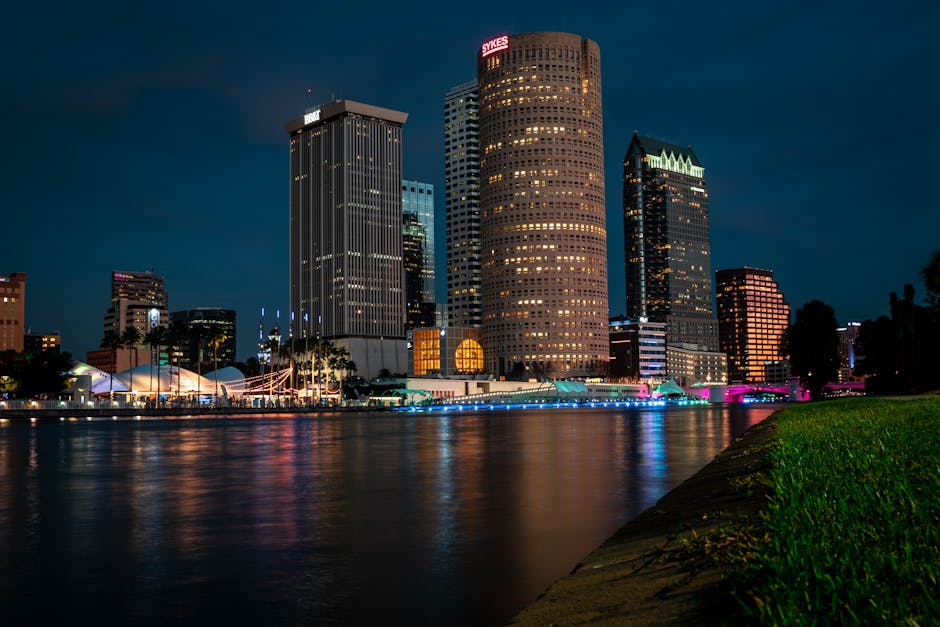
The Evolution of Tampa Waterfront into a Primary Residence Market
The landscape of the region’s high-end property sector has undergone a fundamental shift in the first half of 2026. Historically characterized by secondary seasonal holdings, the local waterfront is increasingly dominated by primary residential acquisitions. This transition is not merely a preference for coastal aesthetics but a calculated move by domestic and international capital seeking stable, high-specification assets in tax-advantaged jurisdictions. Recent analysis from The National Law Review highlights that the waterfront has emerged as a primary market, reflecting a structural change in how affluent buyers view the longevity of their Florida investments.
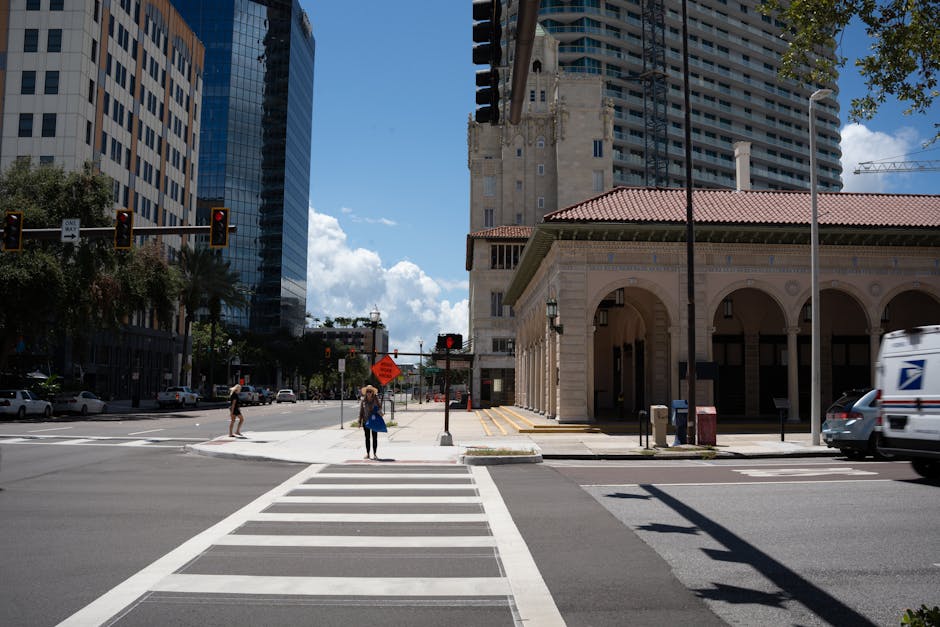
Current data indicates that the traditional ‘off-season’ has largely evaporated. Buyers are no longer waiting for the cooler months to secure assets, despite the current May humidity and afternoon rain cycles. Instead, they are prioritizing properties that offer immediate utility and robust architectural integrity. In neighborhoods like Davis Islands and Beach Park, we are observing a trend where older structures are being rapidly replaced by modern, elevated estates that meet the most stringent post-2024 building codes. This focus on durability is a direct response to a more sophisticated buyer profile that values risk mitigation as much as the view.
For the advisor, the current challenge lies in differentiating between properties that are merely expensive and those that represent true long-term value. With a median list price currently hovering around $2,300,000, the entry point for the luxury segment has solidified. However, the delta between the median and the average list price of $3,106,832 suggests that the top end of the market—specifically estates exceeding $5,000,000—remains highly competitive with limited turnover. Navigating this environment requires an understanding of both the micro-neighborhood nuances and the macro-economic pressures influencing seller behavior.
Executive Migration and the St. Petersburg Corporate Synergy
The influx of executive-level talent into the region continues to be a primary driver of the residential market. High-level professionals from the financial and technology sectors are not just moving for the climate; they are following a corporate migration trend that has seen St. Petersburg and Tampa become hubs for regional headquarters. Reports from The Business Journals indicate that executives are consistently choosing this area for its operational efficiencies and the high caliber of local lifestyle amenities that support a professional-grade home office environment.
This demographic typically seeks homes that function as more than just a living space. There is a heightened demand for integrated technology, acoustic privacy, and proximity to private aviation terminals. The movement is particularly visible in South Tampa, where the commute to the Westshore Business District or the Downtown core is minimal. This professional class is often less sensitive to interest rate fluctuations but highly sensitive to time-efficiency. They are looking for ‘turnkey’ solutions, which has led to a premium on newly completed or fully renovated estates.
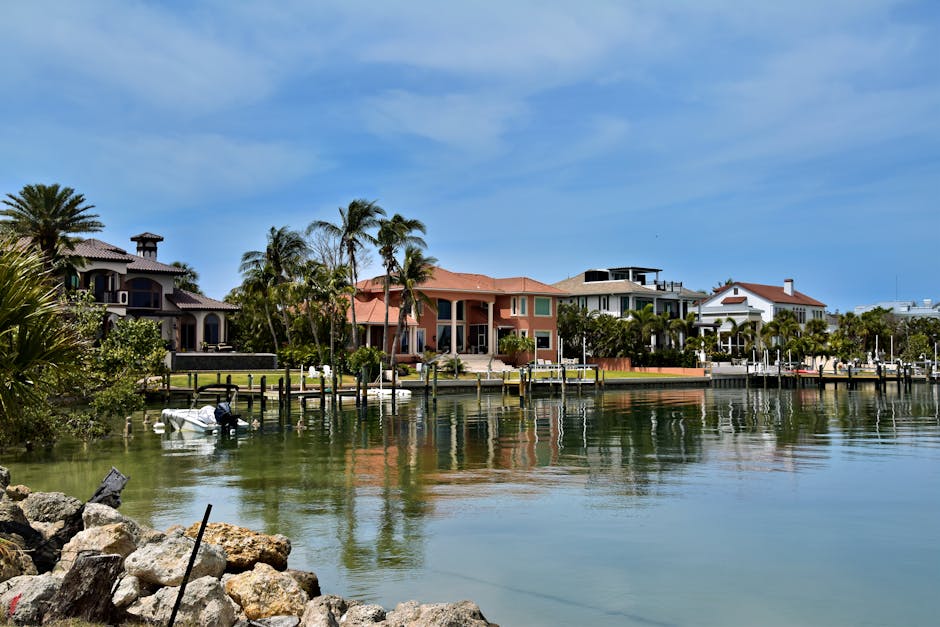
Furthermore, the synergy between Tampa and St. Petersburg has created a unified luxury market. An executive might work in Downtown Tampa but choose a waterfront estate in Venetian Isles for its deep-water access and community feel. This cross-bay movement has homogenized pricing to an extent, as buyers compare the value proposition of a Hillsborough County property against the emerging high-end inventory in Pinellas. Understanding this interconnectedness is vital for any buyer attempting to benchmark value across the metropolitan area.
Inventory Dynamics and the Impact of New Construction
As we move through May 2026, the inventory landscape is being reshaped by a significant wave of new construction. Unlike previous cycles where supply lagged behind demand, the current market is seeing a more balanced delivery of high-end units. According to Tampa Bay Business & Wealth, mortgage rates falling toward the 6.09% mark have acted as a catalyst for both developers and traditional buyers. This stabilization in rates has unlocked ‘move-up’ inventory that had been sidelined for several years, providing much-needed liquidity to the mid-luxury tier.
The current active luxury count stands at approximately 120 units across the core markets. While this represents a healthier supply than the record lows of the early 2020s, it remains constrained relative to historical norms. The new construction hitting the market is often pre-sold, particularly in the custom land segment where parcels in areas like Sunset Park or Culbreath Isles are trading at historic highs. Buyers are often finding that to secure exactly what they want, they must engage in the development process or target homes currently under construction.
The role of ‘land value’ has become a critical metric for advisors. In many prime South Tampa locations, the value of the dirt now represents more than 50% of the total acquisition cost for older properties. This has led to a more analytical approach to purchasing, where buyers are calculating the cost-per-square-foot of renovation versus the potential yield of a new build. For those looking to enter the market now, analyzing the LISTINGS URL is the first step in understanding these valuation disparities and identifying where the ‘new construction’ premium is most pronounced.
Strategic Acquisition: The 2026 Luxury Buyer’s Checklist
Successfully acquiring a high-value asset in the current environment requires a more technical approach than in previous years. The focus has shifted from aesthetics to the underlying fundamentals of the property. Advisors are increasingly recommending that clients look beyond the initial finishes and evaluate the long-term operational costs and resilience of the home. This is particularly true for waterfront assets, where the intersection of environmental regulation and insurance cost can significantly impact the total cost of ownership.
- Verification of the newest FEMA elevation certificates and impact on future insurance premiums.
- Assessment of seawall integrity and remaining lifespan, particularly for properties on the open bay.
- Analysis of recent comparable sales within a tight 0.5-mile radius, excluding ‘distress’ or ‘outlier’ data points.
- Review of the property’s ‘smart’ infrastructure, specifically energy management and remote security capabilities.
- Evaluation of the home’s suitability for professional-grade remote work, including fiber-optic availability.
- Identification of any pending municipal infrastructure projects or zoning changes in the immediate vicinity.
Buyers should also be aware of the timeline for closing in the current market. While the frenetic ‘bidding wars’ of 2021 have subsided, high-quality assets priced correctly still move within a 30-to-45-day window. Sophisticated sellers are often firm on their valuations, backed by a median list price that has shown consistent resilience over the last twelve months. Negotiation now centers more on specific contingencies, such as pre-closing repairs or leaseback agreements, rather than drastic price reductions.
Neighborhood Trends: From Davis Islands to Venetian Isles
Geographic specificity remains the ultimate arbiter of value in the local market. Davis Islands continues to hold its position as the premier luxury enclave, characterized by its private airport access and unique island community feel. Here, we see some of the most aggressive architectural statements in the city, with modern minimalist designs increasingly replacing the traditional Mediterranean Revival style. The demand for large, contiguous lots is at an all-time high, as buyers seek to create expansive family compounds.
Across the water, Venetian Isles is experiencing a resurgence in interest, particularly for its deep-water canals that accommodate larger vessels. High-profile listings, such as those highlighted in Haute Living, demonstrate that the market is still capable of producing record-breaking price points when the right combination of location and finish is achieved. These neighborhoods are not just residential areas; they are lifestyle ecosystems where proximity to private clubs and high-end retail is a primary consideration.
South Tampa, generally, remains the anchor for the region’s luxury activity. The area’s schools and the walkability of the Bayshore Boulevard corridor continue to attract families and professionals alike. We are also seeing a growing interest in ‘in-fill’ luxury—high-specification homes on smaller lots that offer a lower maintenance burden for busy executives. This segment is particularly attractive to those who travel frequently and require a secure, manageable primary residence that does not sacrifice the luxury experience.
Asset Resilience and Price Adjustments in a Shifting Market
While the overall trajectory of the market is positive, there is a clear trend of price normalization for properties that do not meet the current ‘modern standard.’ The Tampa Bay Times has noted that while record-breaking sales occurred throughout 2025, there is a growing divide between ‘A’ grade and ‘B’ grade inventory. Properties with deferred maintenance or dated floor plans are seeing longer days on market and periodic price adjustments. This creates an opportunity for savvy buyers who have the capital and the patience for significant renovation projects.
Decision-useful guidance in this market suggests that ‘buying the worst house on the best street’ remains a viable strategy, provided the buyer accounts for the current cost of labor and materials. The premium for ‘new’ is at an all-time high, but the underlying value of the land in prime areas like Bayshore Beautiful or Beach Park provides a safety net for those willing to invest in modernization. This is where the expertise of a senior advisor becomes indispensable, helping to project the ‘after-repair value’ in a market that is increasingly discerning.
Market movement is also being influenced by local cultural and community events that enhance the desirability of certain areas. Whether it is the local ballet season, high-end festivals, or the diverse range of weekend events reported by Axios, the ‘soft’ infrastructure of the city is as important as the ‘hard’ infrastructure. A property is an investment in a community, and the ongoing investment in Tampa’s cultural landscape continues to support the long-term appreciation of its real estate assets.
Navigating the complexities of the 2026 Tampa luxury real estate market requires more than just a search tool; it demands a strategic partner who understands the intersection of executive migration, construction quality, and regional economic trends. Whether you are looking for a primary waterfront estate or a sophisticated in-town residence, the current inventory provides unique opportunities for those who act with precision. We invite you to explore our current LISTINGS URL to gauge the market for yourself, and when you are ready for a confidential analysis of your specific requirements, please CONTACT URL one of our senior advisors to begin your next acquisition.
Your next move in Tampa luxury
Get current inventory, pricing guidance, and private-tour support from our brokerage team.
Source highlights
- Column: Why executives keep choosing St. Pete – The Business Journals
- Tampa Bay’s most expensive luxury home sales of 2025 – Tampa Bay Times
- Mortgage rates fall to 6.09% as new construction lifts Tampa supply – Tampa Bay Business & Wealth
- Tampa Bay’s Waterfront Emerges as a Primary Luxury Real Estate Market – The National Law Review
- Jennifer Zales Unveils Venetian Isles Waterfront Luxury Now Offered At A New Price – Haute Living
- Florida Trend Real Estate – Florida Trend
- Things To Do In Tampa This Weekend: Fun Festivals & Events In Tampa This Weekend – That's So Tampa
- Tampa Bay-area events this weekend: Sharkapalooza and St. Pete Italian Fest – WUSF