


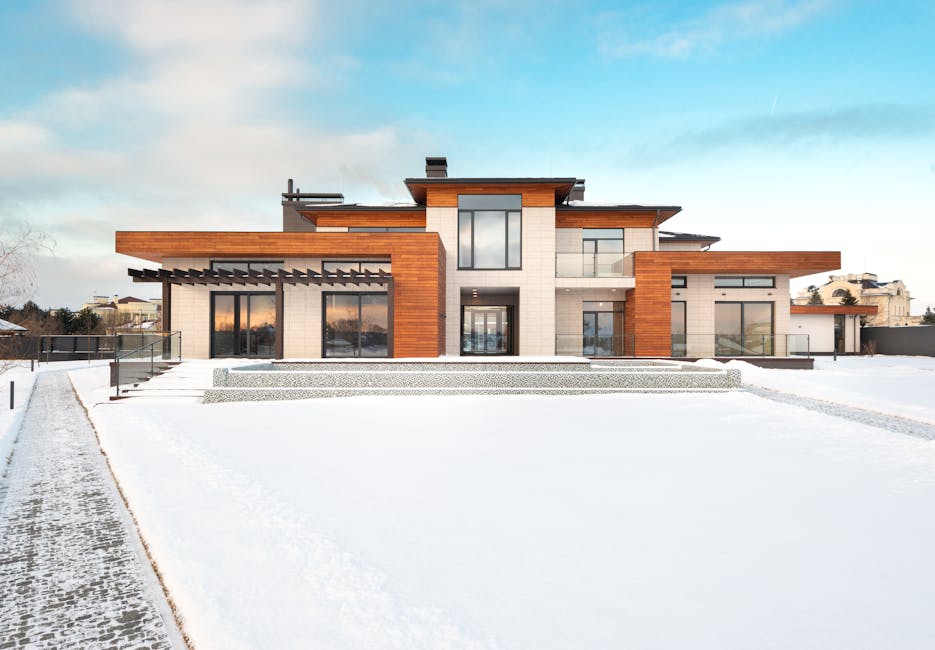
The Maturation of Tampa’s Luxury Inventory
The Tampa luxury market has entered a phase of sophisticated stabilization. Unlike the frantic absorption rates seen in previous cycles, the current landscape is defined by a more measured pace where quality and specific location take precedence over mere availability. With a median list price currently holding at $2,300,000 and an active inventory of approximately 120 high-end properties, buyers now have the leverage of time to conduct rigorous due diligence. This shift represents a transition from a speculative market to one driven by long-term capital preservation and primary residency requirements.

We are seeing a significant divergence between generic luxury builds and legacy assets in established neighborhoods. Areas like South Tampa and Beach Park continue to command premiums, but the criteria for ‘luxury’ has tightened. Buyers are no longer satisfied with standard high-end finishes; they are seeking architectural integrity, advanced smart-home integration, and hardened structural specifications that exceed current coastal building codes. The increase in inventory is providing a necessary buffer, allowing for a more transparent price discovery process that benefits the disciplined investor.
Current market movement suggests that the ‘wait-and-see’ approach of the past quarter is yielding to active acquisition. Recent data indicates that mortgage rates have stabilized near 6.09%, which, coupled with a surge in new construction, has expanded the available supply. For the high-net-worth individual, this environment rewards those who can distinguish between fleeting aesthetic trends and the enduring value of location and lot size. It is a market that demands a sharp analytical eye rather than a rush to contract.
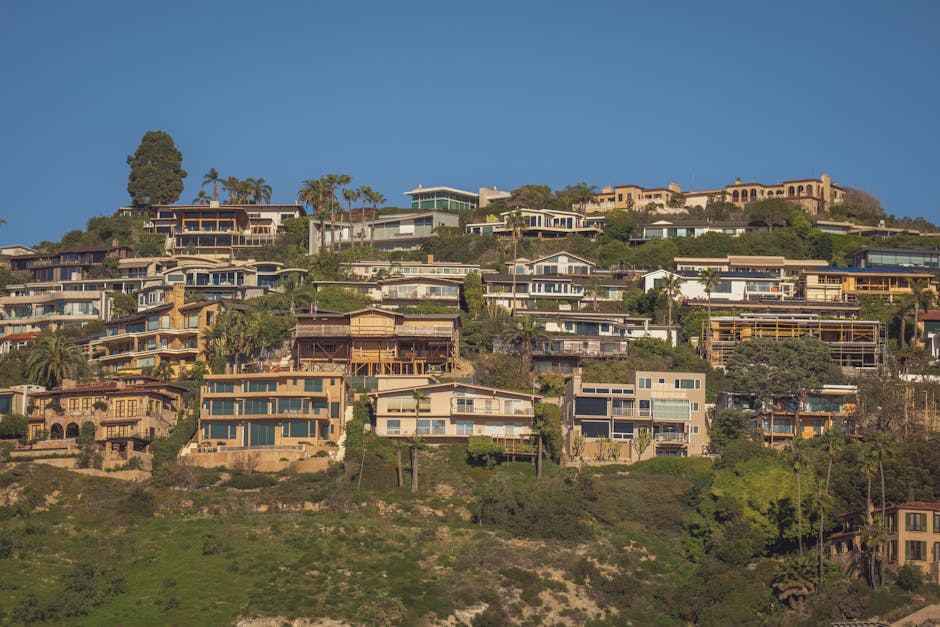
Waterfront Stability and the Primary Residence Shift
The defining characteristic of the 2026 Tampa market is the emergence of waterfront property as a primary residence choice rather than a seasonal retreat. This evolution is reshaping the valuation of properties along Bayshore Boulevard and the various canals of Davis Islands. The waterfront has emerged as a primary luxury real estate market, reflecting a deeper commitment from buyers to integrate their lifestyle fully into the Florida Gulf Coast. This has led to an increased demand for properties that offer both maritime access and robust protection against the elements.
When evaluating waterfront assets, it is essential to look beyond the view. Modern buyers are prioritizing elevation and sea-wall integrity. Properties in Venetian Isles, for instance, have seen strategic price adjustments to align with current buyer expectations regarding modern updates and flood mitigation. High-profile listings, such as those recently highlighted in Haute Living’s coverage of Venetian Isles, demonstrate that the market is rewarding sellers who have invested in significant structural and aesthetic upgrades. The focus is on turnkey readiness and long-term viability.
For those navigating this segment, the distinction between ‘open water’ and ‘canal-front’ is becoming more pronounced in the pricing data. Open water views command a significant premium, but canal-front properties in areas like Culbreath Isles offer a privacy level and wind protection that many executive buyers find more practical for daily living. Understanding these micro-market nuances is critical when comparing a $2,200,000 inland property, such as those found near North Florida Avenue, with a similarly priced waterfront teardown. The value is often in the land and the potential for redevelopment rather than the existing structure.
Executive Relocation and the Corporate Migration Pattern
Tampa’s growth is fundamentally underpinned by the continuous influx of C-suite executives and business owners. The region has become a preferred destination for those seeking a business-friendly environment without sacrificing the amenities of a major metropolitan area. This migration is not merely about tax advantages; it is about the concentration of talent and the quality of local leadership. According to recent reports, executives keep choosing St. Pete and the wider Tampa Bay area for its logistical advantages and the high caliber of available executive-level housing.
This corporate migration is driving demand for properties that offer proximity to the Westshore Business District and Downtown Tampa while maintaining a sense of residential seclusion. Neighborhoods like Palma Ceia and Sunset Park are particularly favored for their balance of historic charm and modern convenience. The ‘executive commute’ in Tampa is evolving, with many buyers looking for properties that can accommodate high-end home offices and private meeting spaces. This has led to a premium on homes with flexible floor plans and detached casitas or accessory dwelling units.
Furthermore, the relocation of major financial and tech firms to the area has created a ripple effect in the commercial and residential sectors. Buyers are increasingly looking for homes that serve as both a private sanctuary and a venue for professional networking. Properties such as the commercial-sale opportunities on Dr. Martin Luther King Jr. Boulevard reflect the growing intersection of luxury residential living and savvy commercial investment. Navigating this intersection requires an advisor who understands the broader economic trajectory of the region, not just the local MLS data.
Strategic Evaluation Checklist for Tampa Luxury Assets
When assessing a potential acquisition in the $2,000,000+ range, the following criteria are essential for ensuring a sound investment in the current Tampa climate:
- Verify the structural elevation and FEMA flood zone classification (AE vs. VE) to understand long-term insurance implications.
- Assess the maturity of the surrounding neighborhood and the presence of ongoing or planned infrastructure improvements.
- Evaluate the quality of the ‘hard’ assets, including sea-walls, roofing systems, and window specifications, rather than focusing on ‘soft’ finishes.
- Analyze the historical price appreciation of the specific street or micro-pocket, as Tampa values can vary significantly within blocks.
- Review the proximity to executive hubs and private transport options, including FBOs and major expressway access.
- Investigate any local homeowner association (HOA) or architectural review committee (ARC) restrictions that may limit future renovations.
Infrastructure and New Construction Impacts
The recent surge in new construction across Tampa is more than just a response to demand; it is an upgrade to the city’s overall housing stock. New developments are incorporating the latest in resilient building technology, which is a major draw for buyers coming from out-of-state. This new supply is helping to moderate price growth, preventing the market from becoming overextended. However, the premium for new construction remains high, especially for properties that offer a modern aesthetic in a historically significant neighborhood. Projects near North Grady Avenue and other emerging pockets are indicative of this trend.
Infrastructure is the silent driver of luxury value. The expansion of the Selmon Expressway and the continued development of the Water Street district have fundamentally changed how residents move through the city. Properties that were once considered ‘on the edge’ are now centrally located executive enclaves. For the strategic buyer, identifying the next infrastructure-led growth pocket is the key to significant equity gains. This requires monitoring local government planning sessions and transportation authority announcements, as these often precede the next wave of luxury development.
Moreover, the integration of mixed-use spaces into the luxury fabric is becoming more common. Buyers are increasingly attracted to the ‘walkable luxury’ concept, where high-end residential towers or townhomes are situated within reach of premium dining and cultural venues. While the traditional large-lot estate remains the gold standard, there is a growing segment of the market that prioritizes the convenience of a managed property with concierge services. This shift is particularly evident in the downtown core and along the expanding riverwalk, where the lifestyle is defined by connectivity rather than isolation.
Cultural Continuity and the Social Fabric of Tampa Bay
A luxury purchase is as much about the community as it is about the physical property. Tampa’s cultural scene has matured alongside its real estate market, offering a sophisticated calendar of events that cater to an affluent demographic. From the annual Gasparilla festivities to more refined offerings like the local ballet and international dance parties, the city’s social calendar is robust. Residents often look for weekend events like Sharkapalooza or the St. Pete Italian Fest to engage with the wider community and appreciate the region’s diverse heritage.
This cultural vibrancy contributes to the ‘social health’ of the city, which is a key metric for long-term property value. A city that invests in its arts, parks, and public festivals is a city that attracts and retains high-value residents. The ongoing development of the Tampa Riverwalk and the revitalization of historic districts like Ybor City are clear indicators of a city that values its history while looking toward the future. For the luxury buyer, these amenities serve as an extension of their home, providing a rich backdrop for both family life and social engagement.
The emphasis on lifestyle is also reflected in the demand for properties that facilitate outdoor living. In a climate where the temperature averages 33°C in mid-May, features like infinity-edge pools, outdoor kitchens, and climate-controlled lanais are standard expectations. The ability to host large-scale gatherings at home while being minutes away from world-class dining and professional sports venues is the hallmark of the Tampa luxury experience. It is a unique combination of Florida ease and metropolitan energy that continues to draw interest from across the globe.
Strategic Decision-Making for the 2026 Buyer
Successfully navigating the Tampa luxury market requires a departure from emotional decision-making. The most successful acquisitions in this cycle are those backed by data and a clear understanding of the region’s long-term growth vectors. Buyers should focus on assets that offer a combination of structural resilience, architectural significance, and proximity to the city’s key economic drivers. Whether you are looking at an established estate in Hyde Park or a modern waterfront masterpiece on Davis Islands, the fundamentals of real estate remain the same: location, scarcity, and quality.
As we move through 2026, the opportunity lies in identifying properties that have been overlooked due to minor aesthetic shortcomings or those that offer the potential for significant value-add through modern renovations. With 120 active luxury listings, there is room for negotiation, but only for the prepared. It is essential to work with an advisor who can provide a comprehensive analysis of comparable sales, infrastructure impacts, and neighborhood-level trends. The goal is to secure a property that serves as a private sanctuary today and a high-performing asset for the decade to come.
To begin your search for the most exclusive properties in the region, we invite you to browse our current luxury listings. Our team provides the analytical insight and local expertise required to manage the complexities of a high-value real estate transaction in the Tampa market. To discuss your specific requirements and receive a tailored market briefing, please contact an advisor today. We are committed to providing the level of service and discretion that the Tampa luxury market demands.
Your next move in Tampa luxury
Get current inventory, pricing guidance, and private-tour support from our brokerage team.
Source highlights
- Column: Why executives keep choosing St. Pete – The Business Journals
- Tampa Bay’s most expensive luxury home sales of 2025 – Tampa Bay Times
- Mortgage rates fall to 6.09% as new construction lifts Tampa supply – Tampa Bay Business & Wealth
- Tampa Bay’s Waterfront Emerges as a Primary Luxury Real Estate Market – The National Law Review
- Jennifer Zales Unveils Venetian Isles Waterfront Luxury Now Offered At A New Price – Haute Living
- Florida Trend Real Estate – Florida Trend
- Things To Do In Tampa This Weekend: Fun Festivals & Events In Tampa This Weekend – That's So Tampa
- Tampa Bay-area events this weekend: Sharkapalooza and St. Pete Italian Fest – WUSF
