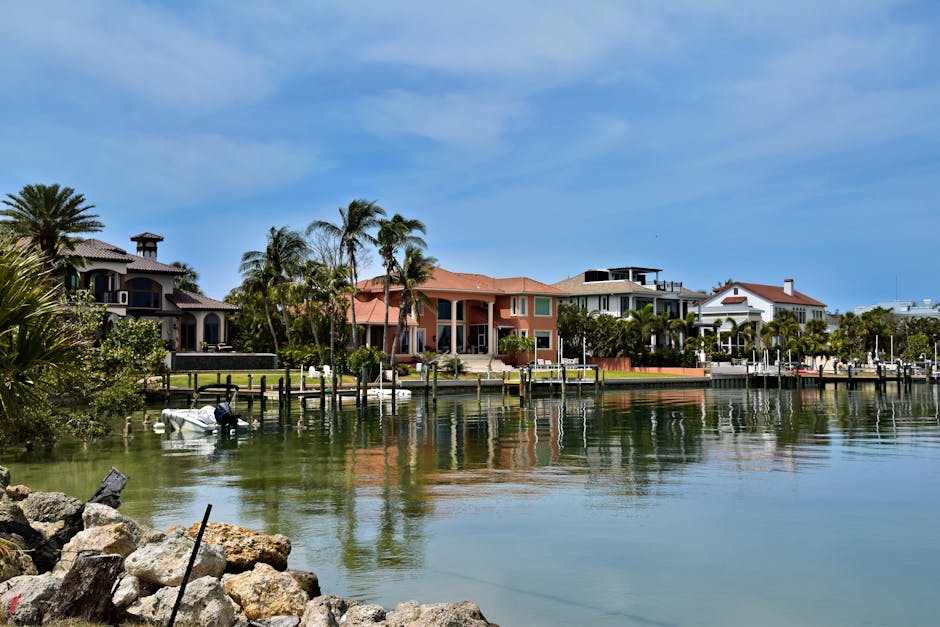
The Institutionalization of Tampa’s Luxury Sector
The Tampa luxury real estate market has undergone a fundamental transformation, evolving from a regional interest into a primary destination for global capital. As of mid-2026, the inventory landscape reflects this maturity, with approximately 120 active luxury listings. The median list price has stabilized at $2,300,000, signaling a market that prizes sustained value over speculative volatility. Buyers in this segment are no longer just looking for seasonal retreats; they are acquiring primary residences that serve as the anchor for their professional and personal lives.

This shift is evidenced by the average list price now exceeding $3,100,000, driven by a concentration of high-end assets in established enclaves. Sophisticated investors are focusing on properties that offer structural longevity and architectural integrity. The days of rapid-fire bidding wars have been replaced by a more calculated acquisition process where due diligence and long-term appreciation are the primary metrics of success. This environment rewards buyers who possess a deep understanding of local sub-markets and the specific nuances of Tampa’s waterfront geography.
Current market movement suggests a flight to quality. While the broader market may fluctuate, the luxury tier in Tampa remains resilient, backed by significant wealth migration from high-tax states and traditional financial hubs. The appetite for residential and commercial sale opportunities continues to grow, as executives seek to align their physical footprint with the burgeoning economic opportunities within the region. This is not a temporary spike but a permanent realignment of Tampa’s position within the national real estate hierarchy.
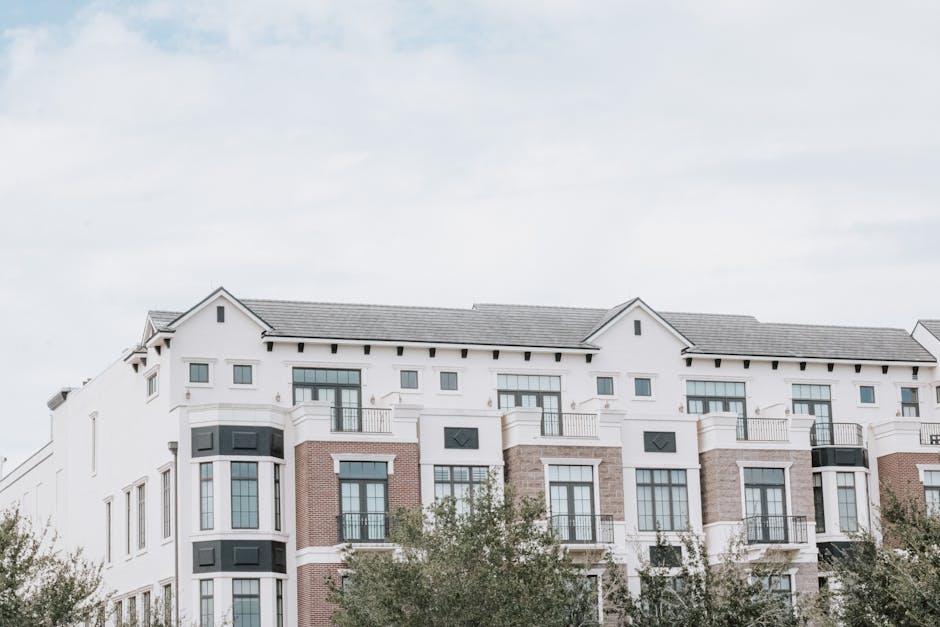
Waterfront Assets and the Shift to Primary Residence Status
Waterfront property in Tampa is no longer viewed through the lens of a secondary vacation asset. According to recent analysis by The National Law Review, Tampa Bay’s waterfront has emerged as a primary luxury market, driven by a desire for privacy and direct access to the Gulf. This transition is most visible in areas like Venetian Isles and Davis Islands, where the demand for deep-water docks and expansive bay views continues to outpace available supply. Buyers are prioritizing homes that offer seamless indoor-outdoor utility, essential for the Florida climate.
The valuation of these waterfront assets is increasingly tied to their resilience and elevation. Modern construction standards have become a non-negotiable requirement for high-net-worth individuals who understand the long-term implications of coastal living. We are seeing a trend where older coastal structures are being replaced by fortified, architecturally significant estates that meet or exceed current building codes. This cycle of renewal is maintaining high price floors and ensuring that the waterfront remains the most prestigious segment of the local market.
Furthermore, specific updates in sought-after neighborhoods illustrate the ongoing demand for premium positioning. For instance, recent pricing adjustments in the Venetian Isles waterfront sector highlight the strategic opportunities available for buyers who are ready to move on high-quality inventory. These micro-adjustments are typical of a healthy, functioning luxury market where transparency and accurate pricing are essential for maintaining liquidity. Acquisition strategies now require a granular look at seawall integrity and riparian rights.
Executive Relocation and the Amenities of the St. Pete Corridor
The influx of C-suite talent into the Tampa Bay area is a primary driver of the current market cycle. As reported by The Business Journals, executives are increasingly choosing the St. Pete and Tampa corridor for its balance of professional infrastructure and lifestyle efficiency. This demographic is seeking more than just a home; they are looking for a community that supports a high-performance lifestyle, including proximity to private aviation, elite social clubs, and high-end culinary experiences.
This executive migration is fueling demand in neighborhoods that offer a specific blend of historic charm and modern convenience. Hyde Park and Beach Park are seeing consistent interest due to their walkability and established reputations. The buyer behavior here is characterized by a preference for turnkey solutions—homes that require no immediate renovation and offer the latest in integrated smart technology and home security. The goal for these buyers is a frictionless transition into the Florida market.
The cultural infrastructure of the region also plays a critical role in these relocation decisions. High-end buyers are drawn to the local event calendar, which includes everything from the Tampa festivals to curated jazz performances and arts events. This level of cultural density is a prerequisite for the modern affluent buyer, who expects their primary residence to be located within a thriving, culturally rich ecosystem. This synergy between real estate and lifestyle is a hallmark of the 2026 market.
New Construction Dynamics and Interest Rate Stability
The stabilization of mortgage rates, which have recently settled near 6.09%, has provided a predictable backdrop for the luxury sector. While high-net-worth individuals often utilize cash or private wealth management products for acquisitions, the broader stability of the credit market influences overall sentiment and supply dynamics. As noted by Tampa Bay Business & Wealth, new construction continues to be a vital component of the supply chain, offering buyers the latest in design and efficiency that older inventory cannot match.
Builders in the luxury space are focusing on smaller-scale, high-impact developments rather than sprawling subdivisions. These boutique projects often feature limited units with bespoke finishes, catering to a buyer who values exclusivity over square footage. We are observing a significant preference for ‘healthy home’ features, including advanced air filtration, water purification, and non-toxic building materials. These health-centric amenities have moved from optional upgrades to standard expectations in the $2M+ price bracket.
The land market also remains active, particularly for those looking to build custom estates. With a median list price of over $2M, the cost of entry for land in prime Tampa areas reflects the scarcity of buildable lots. Strategic buyers are often looking for older properties on significant parcels, viewing the existing structure as a teardown to make way for a modern masterpiece. This trend is particularly prevalent in South Tampa, where the historical context of the neighborhood is being preserved while the residential units are being modernized.
The 2026 Luxury Acquisition Checklist
- Verify seawall condition and FEMA elevation certificates for all waterfront parcels.
- Audit smart home integration and fiber-optic connectivity for remote executive management.
- Review historical appreciation data for specific sub-neighborhoods like Beach Park or Culbreath Isles.
- Assess proximity to private educational institutions and high-end social clubs.
- Confirm the age and efficiency of HVAC and roofing systems to manage long-term carry costs.
- Evaluate the potential for architectural modifications under local historic preservation guidelines.
Neighborhood-Specific Trends: South Tampa and Beyond
South Tampa continues to be the epicenter of luxury activity, defined by its mature canopy and proximity to the city’s commercial core. The market movement here is characterized by low turnover and high demand, particularly for homes within walking distance of Bayshore Boulevard. Recent high-end sales, as tracked by the Tampa Bay Times, underscore the premium that buyers are willing to pay for location and architectural significance. These sales provide the benchmarks that define current valuation.
Beyond the core, neighborhoods like Avila and certain pockets of North Tampa offer a different value proposition, focusing on privacy, gated security, and expansive lot sizes. These areas appeal to buyers who require a more secluded environment without sacrificing access to the city’s amenities. The behavior in these gated communities is often driven by a desire for multi-generational living spaces and extensive recreational facilities on-site. We are seeing an increase in properties that include separate guest houses and professional-grade fitness centers.
The commercial sale segment is also impacting residential values. As new high-end retail and office developments take shape, surrounding residential property values are seeing a corresponding lift. This symbiotic relationship is a key factor in the long-term desirability of Tampa’s luxury neighborhoods. Investors and buyers alike are looking at the 5-year and 10-year development plans for the region to ensure their residential investment is supported by continued commercial growth and infrastructure improvements.
Long-Term Valuation and the Florida Trend Outlook
Looking ahead, the outlook for Tampa’s luxury market remains positive, supported by the state’s overall economic health and tax-friendly environment. As highlighted by Florida Trend, the real estate sector continues to be a primary pillar of the state’s economy. For Tampa, this means a sustained influx of capital and a commitment to maintaining the infrastructure that supports a high-end lifestyle. The regional focus on becoming a tech and finance hub is directly translating into high-end residential demand.
Decision-making in the current market requires a focus on longevity. Buyers should prioritize properties that offer flexibility—spaces that can adapt to changing family needs or professional requirements. The concept of the ‘forever home’ has been replaced by the ‘strategic home,’ an asset that provides immediate utility while maintaining a clear exit strategy should market conditions shift. Understanding the nuances of property taxes and insurance in Florida is also a critical part of the valuation process, though these factors are often mitigated by the lack of state income tax.
In summary, the Tampa luxury market in 2026 is a sophisticated landscape that requires an analytical approach. The combination of limited inventory, executive migration, and a focus on high-quality waterfront assets creates a competitive but rewarding environment for informed buyers. Success in this market is not about finding a hidden deal, but about identifying the right asset at the right time and having the professional guidance to execute a seamless acquisition. The fundamentals of the region suggest that the current price floors are well-supported by long-term economic trends.
Navigating these market complexities requires a partner who understands the local landscape at a granular level. To gain a competitive advantage in your next acquisition, we invite you to browse our curated selection of Tampa luxury homes for sale. Our team of senior advisors is available to provide the data-backed insights and private counsel necessary for high-stakes real estate decisions. Whether you are relocating for a corporate role or expanding your local portfolio, contact an advisor today to discuss your specific requirements and receive a confidential market briefing tailored to your goals.
Your next move in Tampa luxury
Get current inventory, pricing guidance, and private-tour support from our brokerage team.
Source highlights
- Column: Why executives keep choosing St. Pete – The Business Journals
- Tampa Bay’s most expensive luxury home sales of 2025 – Tampa Bay Times
- Mortgage rates fall to 6.09% as new construction lifts Tampa supply – Tampa Bay Business & Wealth
- Tampa Bay’s Waterfront Emerges as a Primary Luxury Real Estate Market – The National Law Review
- Jennifer Zales Unveils Venetian Isles Waterfront Luxury Now Offered At A New Price – Haute Living
- Florida Trend Real Estate – Florida Trend
- Things To Do In Tampa This Weekend: Fun Festivals & Events In Tampa This Weekend – That's So Tampa
- Tampa Bay-area events this weekend: Sharkapalooza and St. Pete Italian Fest – WUSF