The Transition to a Primary Waterfront Market
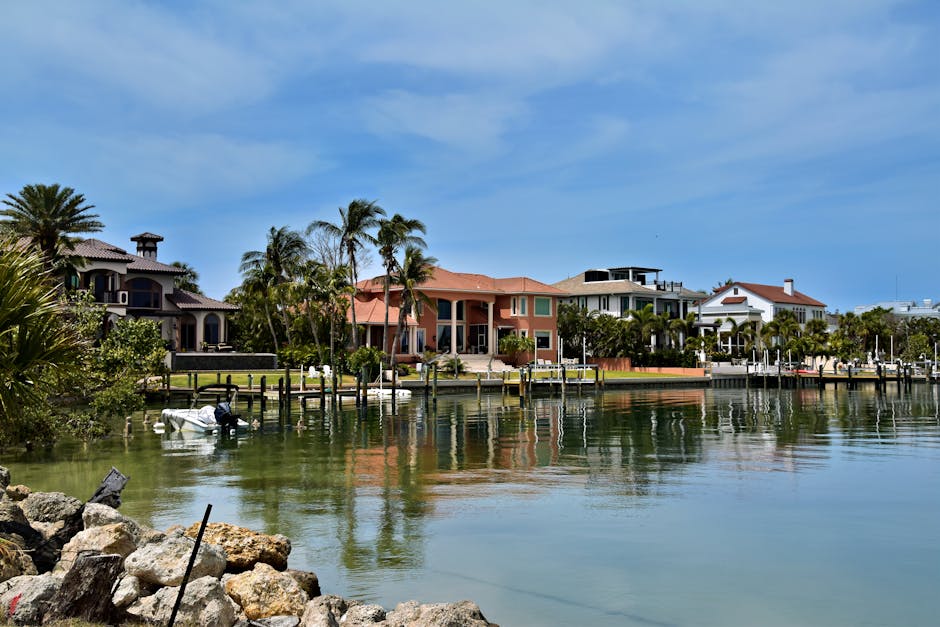
Tampa’s waterfront is undergoing a structural transformation, shifting from a collection of seasonal vacation properties to a robust primary residential market. This evolution is driven by significant capital investment in infrastructure and a growing preference among high-net-worth individuals to establish permanent roots in Florida. Recent observations from The National Law Review highlight how the region’s coastline has emerged as a top-tier destination for those seeking both lifestyle amenities and long-term asset stability. This is no longer just about a winter escape; it is about the functional requirements of a daily residence, including proximity to top-rated private schools and professional hubs.

For the sophisticated buyer, this shift means that waterfront properties are being evaluated with a higher degree of scrutiny regarding build quality and technological integration. We are seeing a move away from the traditional Florida cottage aesthetic toward hardened, modern estates capable of withstanding the local climate while providing seamless indoor-outdoor living. The scarcity of available land in prime areas like Davis Islands and Bayshore Boulevard continues to support valuation, even as broader economic indicators fluctuate. Investors are prioritizing locations that offer deep-water access for large vessels, recognizing that these specific lots hold their value more effectively than standard canal-front options.
The current inventory reflects this demand, with a median list price in the luxury segment holding steady at approximately $2,300,000. While the volume of transactions has normalized compared to the peak of the previous cycle, the average list price of $3,100,916 suggests that the top end of the market remains highly active. Buyers are no longer rushing into decisions but are instead taking an analytical approach, comparing the structural integrity and historical performance of specific neighborhoods before committing to a purchase. Understanding these micro-market dynamics is essential for any advisor helping a client navigate the complexities of a seven-figure acquisition.
Navigating Interest Rates and New Construction Supply
As of mid-2026, the mortgage landscape has provided a degree of clarity for luxury buyers, with mortgage rates falling to 6.09%. While high-end buyers often utilize cash or private wealth management lending, these broader market rates influence general supply and demand. Specifically, the stabilization of rates has encouraged developers to bring new construction projects to completion, providing much-needed inventory to a market that has historically been supply-constrained. This influx of new homes allows buyers to prioritize modern building codes and energy-efficient systems without the immediate need for extensive renovations.
The relationship between interest rates and inventory is particularly evident in areas experiencing rapid redevelopment, such as Old Seminole Heights and parts of North Tampa. For example, listings on N Florida Avenue are appearing at price points near $2,200,000, reflecting a growing confidence in the expansion of the luxury footprint beyond the traditional South Tampa core. These emerging corridors offer a different value proposition, often providing larger lot sizes and unique architectural styles that appeal to buyers looking for something other than the standard Mediterranean revival. The key for advisors is to identify which of these emerging areas have the necessary infrastructure to support long-term appreciation.
When reviewing current data, the active luxury count of 120 properties in the Tampa area indicates a balanced market where buyers have room to negotiate, provided they have a clear understanding of comparable sales. The decrease in interest rates has also reactivated a segment of the market that was previously on the sidelines, waiting for a more favorable borrowing environment. This renewed competition means that while there is more supply, the best-positioned assets—those with superior views, recent upgrades, or prime locations—are still moving relatively quickly. Analyzing the delta between list price and final sale price remains a critical exercise for any serious market participant.
Due Diligence in a Waterfront Environment
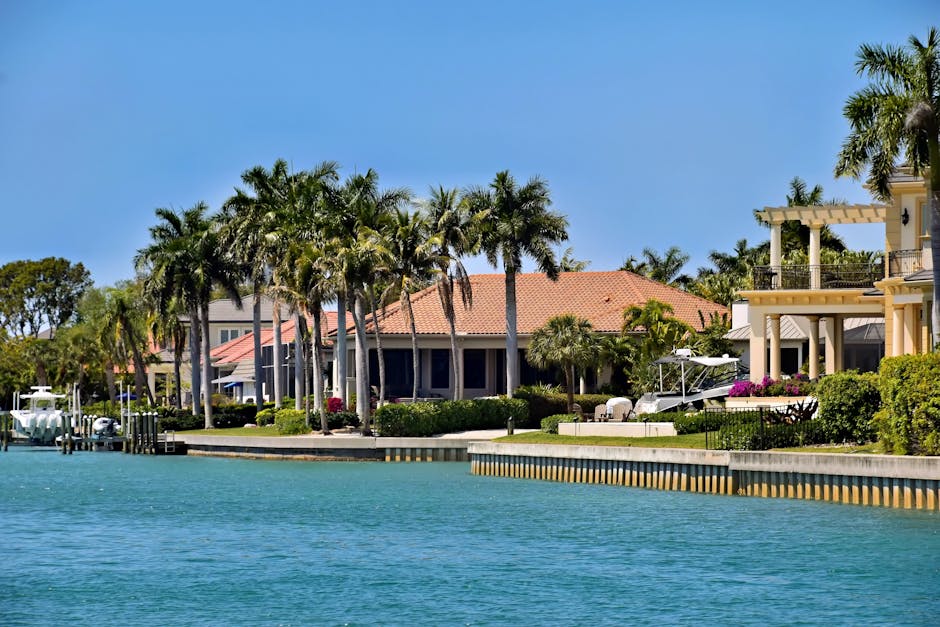
Acquiring a waterfront estate requires a specialized due diligence process that goes beyond standard home inspections. In Tampa, the condition of the seawall and the depth of the water at mean low tide are just as important as the interior finishes. Buyers must verify riparian rights and any existing submerged land leases, as these can impact the ability to modify docks or boat lifts. It is also necessary to evaluate the property’s elevation in relation to current flood maps and insurance requirements, as these factors directly influence the total cost of ownership over time.
Furthermore, the environmental considerations of waterfront living include understanding local ordinances regarding shoreline stabilization and protected species. Working with a qualified marine engineer to assess the structural health of docks and bulkheads can prevent significant unforeseen expenses after the closing. As the market moves toward primary residency, the demand for high-capacity boat lifts and resilient landscaping has increased, reflecting a buyer base that is active on the water and values low-maintenance, high-durability materials.
- Verification of seawall integrity and remaining service life through professional marine engineering assessment.
- Analysis of water depth and dockage capabilities for specific vessel draft and beam requirements.
- Review of recent elevation certificates and FEMA flood zone designations to determine insurance premiums.
- Investigation of any deed restrictions or local ordinances affecting outdoor lighting and waterfront structures.
- Assessment of historical drainage patterns and the impact of king tides on the surrounding street infrastructure.
- Evaluation of the existing home automation systems for integration with coastal-grade security and climate controls.
The Regional Executive Migration and St. Pete Synergy
The luxury real estate market in the Tampa Bay area is increasingly influenced by the migration of high-level executives from high-tax states and major financial hubs. A recent report by The Business Journals examines why executives are increasingly choosing the St. Pete and Tampa corridor for their primary residences. The combination of a pro-business environment, no state income tax, and a high quality of life makes the region a logical choice for those who are no longer tethered to a physical office in Manhattan or Chicago. This influx of talent is driving demand for properties that offer home office suites, high-speed fiber connectivity, and privacy features.
This regional synergy is also visible in the commercial sector, where luxury retail and fine dining are expanding to meet the needs of a more discerning population. The presence of professional sports teams, world-class museums like the Dali, and events such as the various arts festivals in St. Pete contribute to a cultural density that was previously lacking. For a luxury buyer, the ability to commute between Tampa and St. Pete via boat or the Howard Frankland Bridge adds a layer of convenience and variety to their daily routine. This interconnectedness is a primary reason why the regional market remains resilient even when other parts of Florida see cooling trends.
Furthermore, the investment in the St. Pete waterfront and the Tropicana Field redevelopment project are signal flares for long-term growth. Executives are not just buying homes; they are investing in a region that is actively reinventing itself. This holistic view of the market is what separates a successful advisor from a transactional agent. By understanding the broader economic drivers—such as corporate relocations and infrastructure projects—we can provide clients with a more accurate forecast of future land value and neighborhood desirability. The luxury market here is a reflection of a thriving, diversified economy that is only just beginning to reach its potential.
Strategic Pricing and Market Realism
In the current environment, strategic pricing has become the most critical factor for sellers looking to exit the market efficiently. We are seeing a shift away from aspirational pricing toward more data-backed, realistic valuations. A notable example of this trend was reported in Haute Living, where high-end listings in Venetian Isles were adjusted to better align with current buyer expectations. This transparency is beneficial for the market as a whole, as it reduces days-on-market and allows for a more fluid exchange of assets.
Sellers must recognize that luxury buyers in 2026 are exceptionally well-informed. They utilize advanced search tools and have access to historical pricing data that allows them to spot overvalued properties quickly. To compete, a listing must present a compelling narrative supported by impeccable condition and professional presentation. This includes everything from high-resolution drone photography to virtual walkthroughs that allow international buyers to experience the property remotely. The goal is to eliminate friction in the discovery phase, ensuring that when a serious buyer requests a showing, they are already predisposed to make an offer.
On the acquisition side, the current inventory provides an opportunity to find value in properties that may have been overlooked due to minor cosmetic issues or dated landscaping. Savvy buyers are looking for the ‘bones’ of a property—the structural integrity and the orientation of the lot—knowing that finishes can be updated. By focusing on the intrinsic value of the land and the location, investors can secure assets that will appreciate as the surrounding neighborhoods continue to gentrify. The current average list price of over $3 million is a baseline, but the real opportunities often lie in the details of the individual transaction and the terms of the contract.
Building for Longevity in the Florida Climate
The architectural landscape of Tampa is evolving to prioritize resilience alongside luxury. Modern building materials, such as impact-resistant glass, reinforced concrete structures, and elevated foundations, are no longer optional for high-end coastal properties. According to Florida Trend, the focus on sustainable and resilient construction is a key driver in the state’s real estate sector. This trend is particularly evident in new developments in South Tampa and the waterfront areas where developers are exceeding minimum code requirements to offer buyers peace of mind.
Indoor-outdoor living remains a cornerstone of the Tampa lifestyle, but the execution has become more sophisticated. We are seeing a move toward integrated pool designs that serve as architectural focal points, as well as outdoor kitchens that rival their indoor counterparts in functionality. Landscaping is also being used strategically, with native salt-tolerant species providing privacy and wind protection without the heavy water requirements of traditional tropical gardens. These functional improvements not only enhance the living experience but also contribute to the long-term durability of the home.
As we look toward the remainder of 2026, the Tampa luxury market is positioned as a mature, stable environment for wealth preservation. The combination of limited waterfront inventory, a diversifying economy, and a steady influx of high-net-worth residents creates a strong foundation for future growth. For those looking to navigate this landscape, the priority should be on acquiring assets that offer a balance of lifestyle appeal and structural soundess. Whether you are searching for a contemporary masterpiece on Davis Islands or a historic estate in Hyde Park, the market currently offers a window of opportunity for those who are prepared to act with precision and local insight.
Deciding on a multi-million dollar property requires more than a simple search; it demands a partnership with an advisor who understands the nuances of the Tampa Bay area. Our team provides the analytical depth and local connections necessary to identify off-market opportunities and navigate complex negotiations. We invite you to explore our current selection of LISTINGS URL to gauge the present market standard. When you are ready to discuss your specific requirements and move toward a strategic acquisition, please CONTACT URL an advisor to begin the process.
Your next move in Tampa luxury
Get current inventory, pricing guidance, and private-tour support from our brokerage team.
Source highlights
- Column: Why executives keep choosing St. Pete – The Business Journals
- Tampa Bay’s most expensive luxury home sales of 2025 – Tampa Bay Times
- Mortgage rates fall to 6.09% as new construction lifts Tampa supply – Tampa Bay Business & Wealth
- Tampa Bay’s Waterfront Emerges as a Primary Luxury Real Estate Market – The National Law Review
- Jennifer Zales Unveils Venetian Isles Waterfront Luxury Now Offered At A New Price – Haute Living
- Florida Trend Real Estate – Florida Trend
- Things To Do In Tampa This Weekend: Fun Festivals & Events In Tampa This Weekend – That's So Tampa
- Tampa Bay-area events this weekend: Sharkapalooza and St. Pete Italian Fest – WUSF