



The Evolution of Value in the Tampa Luxury Sector
As of mid-May 2026, the Tampa luxury market presents a sophisticated landscape for the high-net-worth buyer. With 120 active luxury units currently on the market, the median list price has stabilized at approximately $2,300,000. This stabilization follows a period of rapid appreciation, signaling a transition from a speculative environment to one grounded in long-term asset value. Buyers are increasingly focused on fundamental attributes such as architectural integrity, lot positioning in neighborhoods like South Tampa and Hyde Park, and the specific utility of waterfront access.
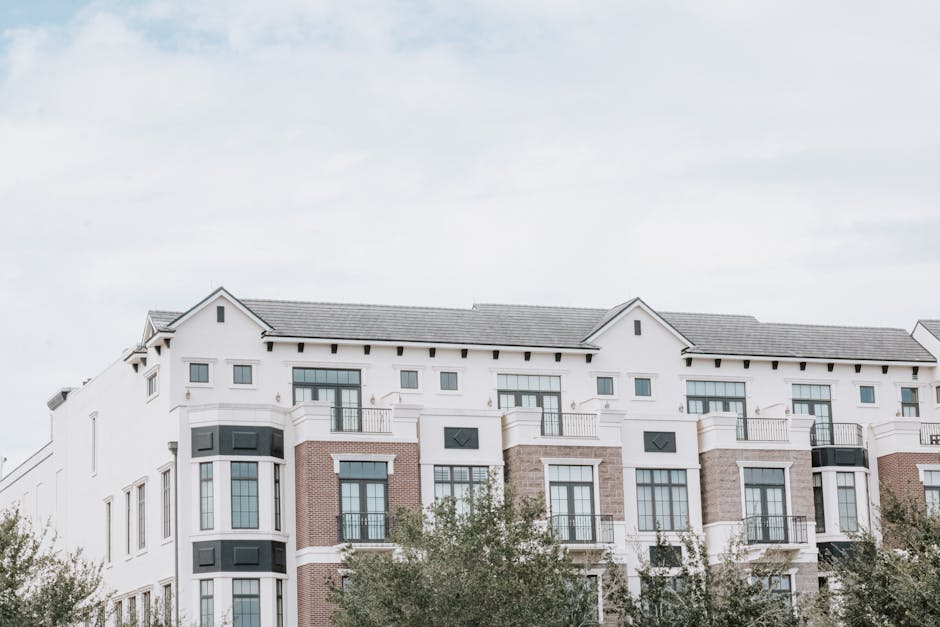
Average list prices in the premium tier now hover around $3,100,000, reflecting a concentration of high-value estates in Davis Islands and the Bayshore corridor. The market is currently seeing a significant volume of Residential and Commercial Sale inventory, alongside strategic Land opportunities that cater to custom build-to-suit requirements. This inventory depth provides a rare window for advisors to negotiate terms that were previously unavailable during the peak inventory shortages of the early 2020s.
Analytical buyers are closely monitoring the movement of specific assets, such as the contemporary builds near N Florida Avenue or the expansive commercial-residential hybrids along W Dr Martin Luther King Jr Boulevard. These properties represent a broader trend where traditional residential boundaries are expanding, driven by the influx of sophisticated capital and a desire for larger, multi-functional estate footprints. The current market demands a granular understanding of block-by-block dynamics rather than general metropolitan trends.
Mortgage Rate Normalization and Inventory Liquidity
The recent shift in mortgage rates to 6.09% has catalyzed a noticeable increase in new construction across the Tampa Bay area. According to recent data from Tampa Bay Business & Wealth, this decline has successfully lifted supply constraints by making project financing more accessible for developers. This influx of supply is particularly evident in the luxury condominium and custom-build sectors, where buyers are now presented with modern amenities that older estates simply cannot replicate without extensive renovation.
For the affluent buyer, the 6.09% rate environment represents a point of entry that balances cost of capital with asset appreciation potential. While cash transactions remain prevalent in the $5,000,000+ bracket, the availability of competitive financing has broadened the pool of qualified executives moving to the region. This increased liquidity is visible in the rapid absorption of mid-tier luxury homes priced between $1,500,000 and $2,500,000, particularly in well-established areas like Palma Ceia and Sunset Park.
The impact of this rate shift extends beyond mere purchase power; it influences the velocity of the market. High-end inventory is moving with greater predictability, allowing sellers to price assets with higher confidence. This predictability is essential for those looking to exit existing positions and upgrade to larger waterfront estates or newer construction that features the latest in structural resilience and energy efficiency. Identifying these timing windows is a critical component of professional buyer representation.
Waterfront Dynamics and Asset Management
Waterfront property in Tampa remains the primary driver of record-breaking valuations. Recent market activity, such as the repricing of major estates in Venetian Isles, highlights the importance of precise valuation in a shifting market. As reported by Haute Living, high-end waterfront listings are increasingly being positioned to capture the attention of specific demographics looking for deep-water dockage and unobstructed views. These assets require a different set of due diligence protocols compared to inland properties.
The most expensive sales of 2025, as analyzed by the Tampa Bay Times, underscore a preference for turnkey modernism. Buyers are willing to pay a premium for properties that have already addressed complex Florida building codes and environmental mitigations. In neighborhoods like Snell Isle and Davis Islands, the competition for a prime lot with a well-maintained seawall and modern elevation is intense, often resulting in off-market transactions that bypass traditional listing channels.
When evaluating these assets, buyers must consider the long-term maintenance costs associated with saltwater environments. Modern building materials and advanced HVAC systems are no longer options; they are requirements for preserving value. Strategic advisors now recommend a comprehensive assessment of coastal resilience as part of the initial offer phase, ensuring that the investment is protected against both environmental factors and future changes in insurance regulations.
Decision Criteria for High-Value Acquisitions
Acquiring a luxury asset in the current Tampa climate requires a move beyond aesthetic appreciation toward rigorous financial and structural analysis. The complexity of the local market, with its blend of historic districts and new waterfront developments, necessitates a checklist that addresses both the immediate utility and the future exit strategy of the property. Verification of site-specific data is the only way to ensure a secure transaction in a high-stakes environment.
Professional advisors look for indicators of neighborhood stability and infrastructure investment. For instance, the expansion of the Westshore district and the revitalization of the downtown core provide significant tailwinds for nearby residential values. Assessing a property’s proximity to these economic hubs is just as important as the square footage or the quality of the kitchen finishes. High-net-worth buyers are prioritizing location-based utility above all else.
- Verify the remaining lifespan and structural integrity of existing seawalls and docks.
- Review elevation certificates to confirm compliance with updated flood zone requirements.
- Analyze neighborhood-specific permit history to identify recent large-scale renovations.
- Confirm the status of local infrastructure projects, such as drainage or utility upgrades.
- Assess the density of recent high-value sales within a half-mile radius to establish a baseline.
By utilizing this systematic approach, buyers can avoid the pitfalls of overpaying for cosmetic updates that mask underlying structural deficiencies. The goal is to identify properties that offer a balance of immediate lifestyle benefits and defensible long-term value. In a market where the median price is $2,300,000, the cost of an oversight in the due diligence phase can be substantial, making expert guidance an essential component of the process.
The Executive Migration Factor
The movement of corporate leadership to the Tampa Bay region is a primary driver of the current luxury market demand. As noted by The Business Journals, executives are increasingly choosing the St. Pete and Tampa area for its favorable tax environment and high quality of life. This influx of professional talent is reshaping the expectations for high-end housing, with a focus on home offices, integrated security, and proximity to private aviation facilities.
The emergence of new, specialized real estate teams, such as the Nick Janovsky Group joining Premier Sotheby’s International Realty, reflects the market’s need for high-level expertise in handling complex relocations. These moves indicate a market that is maturing, with a service infrastructure that matches the sophistication of major financial hubs like New York or Miami. Executives are looking for advisors who can provide a seamless transition into the local community, including insights into private schools and local networking organizations.
The economic impact of this migration is visible in the commercial sector as well, with mixed-use developments catering to a lifestyle that blends work and leisure. As high-value professionals settle in neighborhoods like Westchase or Hyde Park, they bring with them a demand for high-end retail and dining, further solidifying the value of nearby residential real estate. This virtuous cycle of economic growth and residential demand is a key reason for the region’s sustained market strength according to Florida Trend.
Distinguishing New Construction from Traditional Estate Value
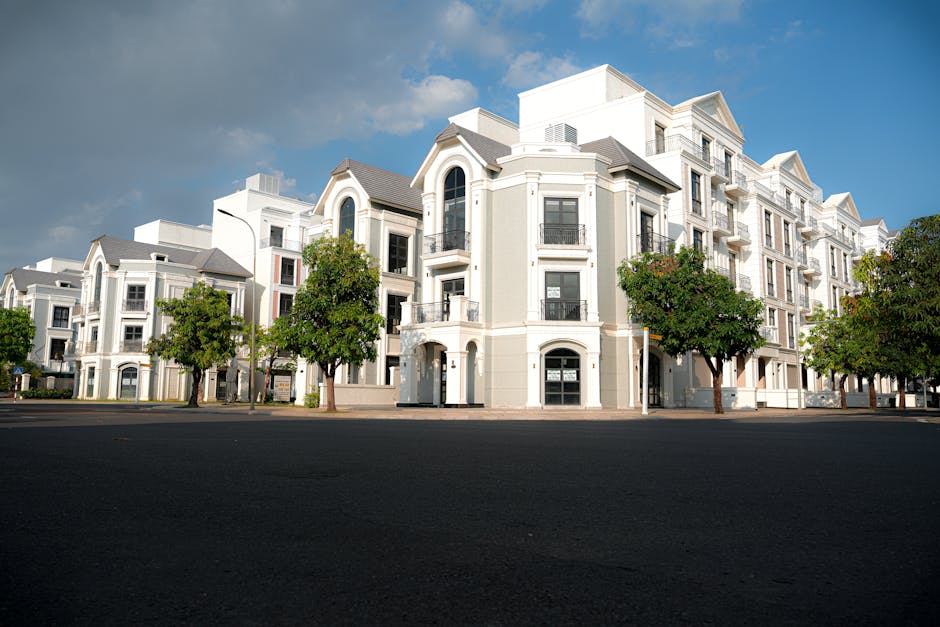
In the current inventory of 120 luxury homes, there is a clear divide between the value proposition of new construction and the allure of historic estates. New builds, such as those found in the emerging pockets of South Tampa, offer the latest in smart-home technology and storm resilience. These properties are often priced at the top of the market, reflecting the high cost of materials and the premium for immediate move-in readiness. For many buyers, the absence of a renovation timeline is worth the higher initial price point.
Conversely, historic estates in areas like the Old Hyde Park district offer a level of character and established landscaping that cannot be manufactured. These properties represent a finite supply, which provides a natural floor for their valuation. However, savvy buyers must account for the costs of maintaining historic structures while integrating modern amenities. The most successful transactions in this sub-sector involve properties where the essential historic elements have been preserved while the core systems have been completely modernized.
Comparing these two categories requires a focus on functional obsolescence. A 1920s estate may have smaller closets and fewer bathrooms, while a 2026 build may lack the architectural uniqueness that provides long-term prestige. Buyers should work with an advisor who can quantify the cost of bringing an older home up to modern standards versus the potential for a new build to become dated within a decade. This balance is critical for those viewing their home as a significant part of their investment portfolio.
Forecasting Q3 Momentum and Lifestyle Integration
As we approach the end of the second quarter, the momentum in the Tampa luxury market remains strong. The upcoming seasonal events, including various festivals and gatherings detailed by That’s So Tampa, serve as a reminder of the community density and engagement that drives local desirability. A thriving social and cultural scene is often a leading indicator of residential market health, particularly in the luxury tier where lifestyle is a primary purchase driver.
Looking ahead to the third quarter of 2026, we anticipate continued stability in pricing with a slight increase in inventory as more new construction projects reach completion. The $2,300,000 median price point is likely to hold, supported by the ongoing executive migration and the relatively stable interest rate environment. Buyers who have been waiting for a significant market correction may find that the current plateau is the new baseline, making now an opportune time to finalize acquisitions before the next wave of seasonal demand.
Success in this market requires a proactive stance and a willingness to act on data-backed insights. Whether you are seeking a primary residence on the water or a strategic land holding for future development, the current conditions favor those with a clear understanding of local nuances and a disciplined approach to due diligence. The Tampa luxury sector remains one of the most resilient and promising markets in the Southeast, offering a unique combination of economic growth and lifestyle appeal.
Navigating the complexities of the current luxury landscape requires an advisor who prioritizes data over hype and precision over generalities. To view the current inventory of 120 premium properties and identify the right asset for your portfolio, we invite you to browse our latest listings. For a private consultation regarding market timing, neighborhood specifics, or a tailored acquisition strategy, please contact our advisory team today.
Your next move in Tampa luxury
Get current inventory, pricing guidance, and private-tour support from our brokerage team.
Source highlights
- Column: Why executives keep choosing St. Pete – The Business Journals
- Tampa Bay’s most expensive luxury home sales of 2025 – Tampa Bay Times
- Mortgage rates fall to 6.09% as new construction lifts Tampa supply – Tampa Bay Business & Wealth
- Jennifer Zales Unveils Venetian Isles Waterfront Luxury Now Offered At A New Price – Haute Living
- Florida Trend Real Estate – Florida Trend
- New Signature Real Estate Team Emerges Across Tampa Bay: The Nick Janovsky Group Launches with Premier Sotheby’s International Realty – citybiz
- Things To Do In Tampa This Weekend: Fun Festivals & Events In Tampa This Weekend – That's So Tampa
- Tampa Bay-area events this weekend: Sharkapalooza and St. Pete Italian Fest – WUSF
