


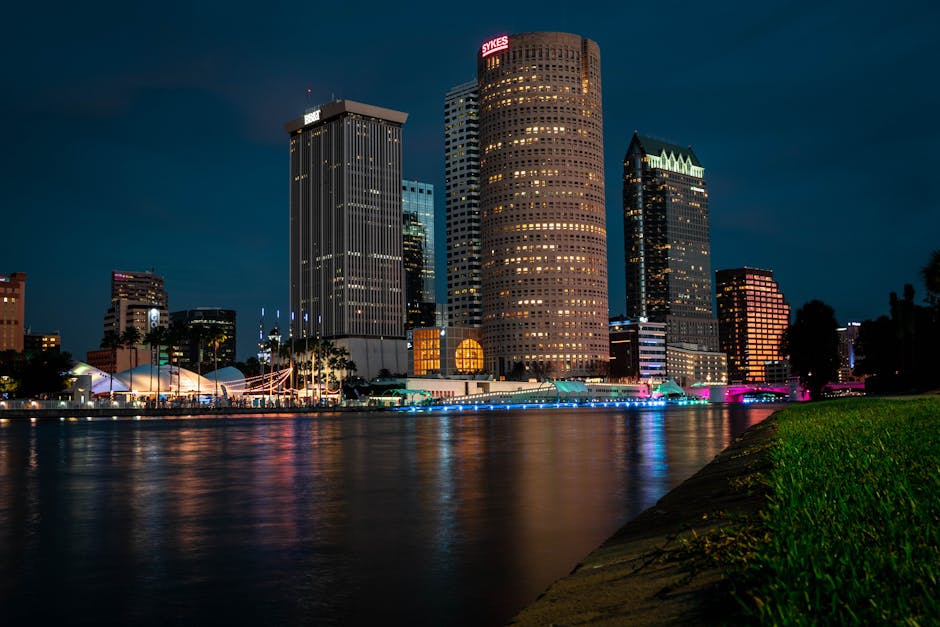
The Evolution of Tampa’s Waterfront Identity
The Tampa Bay region has moved beyond its historical designation as a seasonal destination, maturing into a primary market for high-net-worth individuals and corporate leadership. This shift is most visible along the waterfront corridors of South Tampa and the emerging skylines of the downtown district. As the National Law Review recently noted, Tampa’s waterfront has solidified its position as a primary luxury real estate market, driven by institutional investment and a permanent influx of capital. For the sophisticated buyer, this means that properties in Beach Park, Davis Islands, and Culbreath Isles are no longer just residential assets; they are strategic stakes in a rapidly appreciating metropolitan economy.
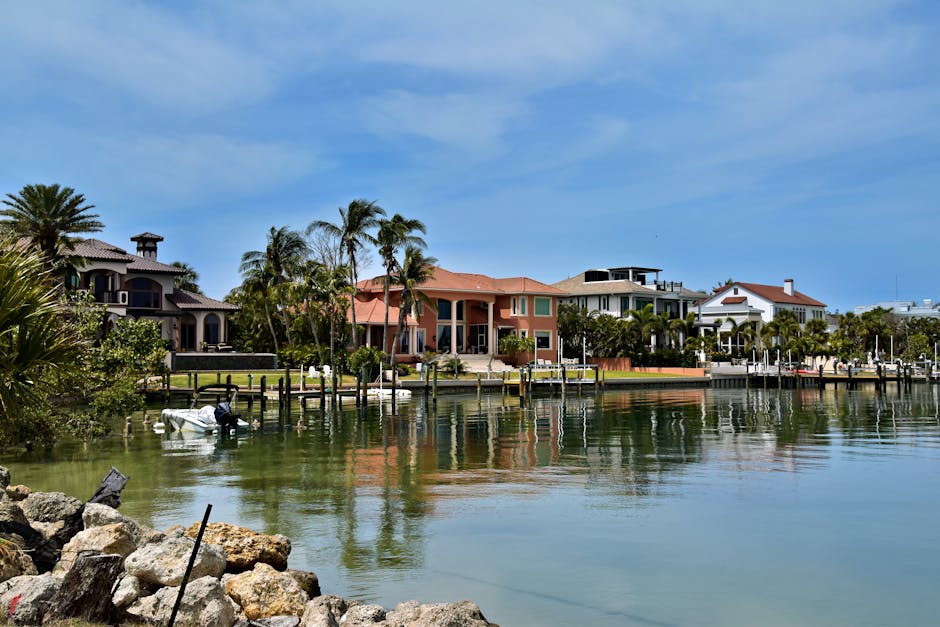
Current inventory dynamics reflect a market that is balancing high demand with a measured increase in supply. With approximately 120 active luxury listings currently available, buyers have a more diverse selection of architectural styles and locations than in previous cycles. However, the median list price of $2,300,000 underscores a persistent floor for quality assets. We are observing that properties priced near the average of $3,100,916 move with high velocity when they feature modern storm-mitigation technology and deep-water access. The scarcity of truly turnkey waterfront estates continues to be the primary lever for price appreciation in the region.
The profile of the typical Tampa luxury buyer has transitioned toward the younger, tech-enabled executive who prioritizes proximity to the city’s commercial core while demanding the privacy of a traditional neighborhood. This has led to a revitalization of legacy areas where older structures are being replaced by significant custom builds that maximize square footage and vertical height. The market is currently rewarding these new constructions, as they provide the insurance-friendly certifications and energy efficiencies that modern capital mandates. Analyzing recent movements in South Tampa reveals a clear preference for properties that offer a seamless transition between indoor and outdoor living, a staple of the Florida Gulf Coast experience.
Navigating Inventory Gains and Pricing Stability
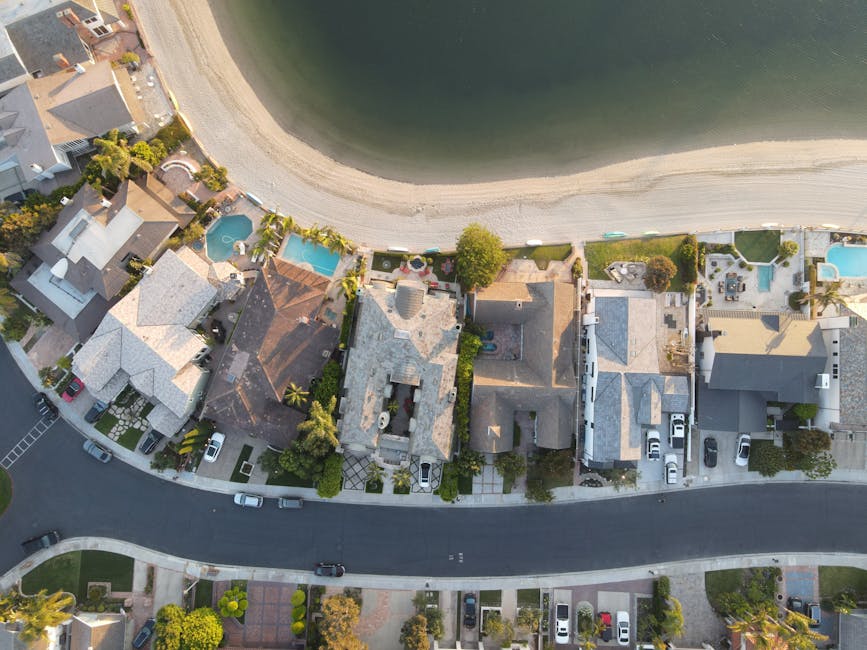
As interest rates stabilize, the luxury sector has seen a subtle but important shift in buyer psychology. According to data from Tampa Bay Business & Wealth, mortgage rates hovering around 6.09% have coincided with a lift in supply from new construction, providing much-needed relief to a tight market. This additional supply has not led to a price correction but rather to a normalization of the transaction cycle. Buyers are taking more time to conduct due diligence, moving away from the frantic bidding wars of 2022 and 2023 toward a more analytical appraisal of value and long-term utility.
The distinction between ‘luxury’ and ‘ultra-luxury’ in Tampa is becoming more pronounced. While the $1.5 million to $2.5 million range sees consistent activity from local professionals, the $5 million-plus segment is increasingly dominated by out-of-state arrivals seeking tax-efficient domiciles. These buyers are often looking at properties like those found on Bayshore Boulevard or the private enclaves of Odessa, where land value is a significant portion of the total acquisition cost. The average list price of over $3.1 million in the current MLS snapshot highlights the weight of these top-tier listings on the overall market sentiment, suggesting a high level of confidence among sellers in the upper echelons.
Operational costs, specifically insurance and property management, have become central to the luxury conversation. Savory investors are prioritizing homes built after 2022 or those that have undergone comprehensive retrofitting. This trend has created a two-tiered market where modern, resilient homes command a significant premium over older Mediterranean-style estates that require modernization. We advise clients to look beyond the aesthetic appeal and focus on the structural integrity and elevation certificates, as these factors will dictate the long-term carry costs and eventual exit valuation of the property.
Executive Migration and the St. Petersburg Connection
The synergy between Tampa and St. Petersburg has created a unique dual-city luxury market that is attracting national attention. Executives are no longer choosing between the two; they are viewing the entire region as a singular ecosystem of opportunity. As reported by The Business Journals, executives continue to favor St. Pete for its walkability and burgeoning fintech scene, which in turn bolsters the demand for high-end residential options on the Tampa side of the bridge. This cross-bay movement has led to a sustained interest in luxury condos and townhomes that offer low-maintenance lifestyles for those who split their time between multiple cities.
For those focused on the Westchase and South Tampa areas, the proximity to Tampa International Airport and the private aviation terminals at TPA and Peter O. Knight is a non-negotiable requirement. The ability to move from a boardroom in Water Street to a private jet in under twenty minutes is a powerful draw for the modern C-suite. This logistical advantage is one of the primary reasons why neighborhoods like Palma Ceia and Sunset Park remain among the most competitive in the state. The buyer behavior we are observing is one of extreme efficiency; they are willing to pay a premium for location and ease of transit over pure acreage.
Market participants should also take note of the cultural and social calendar which reinforces the desirability of the region. From high-profile events at the Straz Center to the seasonal vibrancy of the local festivals, the lifestyle component of Tampa real estate is robust. This ‘stickiness’—the factor that keeps residents in the area long after their initial relocation—is what drives the secondary market and ensures that luxury assets remain liquid. When evaluating a purchase, it is essential to consider the community infrastructure and the long-term development plans for the surrounding district, as these are the pillars of sustained value.
Valuation Factors for High-End Buyers
When assessing a potential acquisition in the current climate, buyers must look beyond the surface level of marble countertops and smart home integration. The true value of a Tampa luxury estate lies in its ability to withstand environmental pressure while providing an uncompromising standard of living. For those comparing high-end inventory, we recommend a focused evaluation based on the following criteria:
- Elevation and compliance with the latest FEMA flood mitigation standards to ensure long-term insurability.
- Proximity to key private aviation hubs and the primary commercial nodes of Water Street and Westshore.
- The presence of deep-water dockage, particularly in Venetian Isles or Davis Islands, which remains a finite resource.
- Verification of recent sales comps for similar square footage to ensure alignment with the $3.1M regional average.
- An assessment of new construction finishes versus legacy custom builds, prioritizing resilient materials.
- Current permit status for any proposed outdoor living expansions or shoreline stabilization projects.
Strategic Neighborhood Shifts and Waterfront Adjustments
The geography of Tampa’s luxury market is expanding, with specific pockets showing remarkable resilience and others undergoing necessary price adjustments. A notable example is the recent update in the Venetian Isles area, where premier waterfront properties are being offered at adjusted price points to reflect current market absorption rates. As highlighted by Haute Living, top agents are recalibrating expectations for waterfront luxury, ensuring that listings are positioned to attract the serious, data-driven buyer. This recalibration is a sign of a healthy, maturing market rather than a cooling one.
We are seeing a renewed focus on the ‘Inner Ring’ neighborhoods—those areas just outside the immediate downtown core that offer larger lot sizes and more privacy. Neighborhoods like Riverside Heights and the Heights district are seeing luxury speculative builds that cater to those who want the South Tampa aesthetic without the density. While these areas may not have the historical prestige of Hyde Park, they offer a growth trajectory that is attractive to early-stage luxury buyers. This movement is part of a broader trend where the definition of a ‘luxury neighborhood’ is becoming more inclusive of any area that offers high-quality design and proximity to the city’s best amenities.
The coastal areas of Pinellas County also continue to influence Tampa’s price discovery. The record-breaking sales of 2025, as documented by the Tampa Bay Times, provide the benchmarks for what is possible in the regional market. These high-water marks set the stage for current valuations in Tampa, as buyers often compare the Gulf-front estates of Clearwater or St. Pete Beach with the bayfront mansions of South Tampa. Understanding these regional comparisons is vital for any advisor helping a client navigate a multi-million dollar transaction in Florida’s current real estate landscape.
Assessing the Decision-Useful Guidance
For the affluent buyer, the decision to purchase in Tampa is increasingly an analytical one. The market has moved past the era of emotional overbidding and into a phase of disciplined capital allocation. Buyers are looking for properties that function as both a sanctuary and a stable investment. This requires a deep understanding of the local zoning laws, the future of transportation infrastructure, and the long-term impact of climate-focused urban planning. Working with a dedicated advisor who understands these nuances is no longer optional; it is a prerequisite for success in the $2 million-plus sector.
The current climate also requires a proactive approach to property search. With only 120 luxury homes active, many of the most desirable transactions are happening off-market or within private networks. Establishing a relationship with an advisor who has access to these ‘quiet’ listings is the most effective way to secure a property that meets all a buyer’s requirements before it hits the broader market. This insider access is particularly critical for those looking for specific features, such as multi-generational floor plans or specialized car storage, which are often the first to be claimed in the South Tampa market.
Ultimately, the Tampa luxury market in 2026 is defined by its resilience and its evolution. The region has proven its ability to attract and retain wealth through diverse economic cycles. Whether you are looking at a modern estate in Beach Park or a renovated classic on Davis Islands, the fundamentals of the market remain strong. By focusing on quality, resilience, and strategic location, buyers can position themselves to benefit from the ongoing transformation of one of the nation’s most dynamic real estate markets. The data is clear: Tampa is no longer just a place to live; it is a place to invest in the future of the American South.
Success in the Tampa luxury sector requires a move from observation to action. We encourage you to evaluate the current inventory with a critical eye, focusing on those assets that offer long-term value and structural integrity. To begin your search or to refine your current acquisition strategy, we invite you to browse our curated LISTINGS URL and review the latest high-end opportunities. When you are ready to discuss the specific implications of these market trends for your portfolio, please CONTACT URL an advisor for a private consultation.
Your next move in Tampa luxury
Get current inventory, pricing guidance, and private-tour support from our brokerage team.
Source highlights
- Column: Why executives keep choosing St. Pete – The Business Journals
- Tampa Bay’s most expensive luxury home sales of 2025 – Tampa Bay Times
- Mortgage rates fall to 6.09% as new construction lifts Tampa supply – Tampa Bay Business & Wealth
- Tampa Bay’s Waterfront Emerges as a Primary Luxury Real Estate Market – The National Law Review
- Jennifer Zales Unveils Venetian Isles Waterfront Luxury Now Offered At A New Price – Haute Living
- Florida Trend Real Estate – Florida Trend
- Things To Do In Tampa This Weekend: Fun Festivals & Events In Tampa This Weekend – That's So Tampa
- Tampa Bay-area events this weekend: Sharkapalooza and St. Pete Italian Fest – WUSF
