



The Institutionalization of Tampa Luxury
The Tampa luxury real estate landscape has undergone a fundamental transformation, moving away from its historical classification as a secondary or seasonal market. Today, the region is increasingly defined by its status as a primary destination for high-net-worth individuals and C-suite executives who are relocating permanently. This shift is not merely anecdotal; it is driven by a sustained influx of professional talent and corporate headquarters. As noted by industry analysts, executives continue to choose the Tampa Bay area for its logistical advantages and the maturing professional ecosystem, which in turn fuels demand for high-end residential assets.
For the sophisticated buyer, this means the criteria for selection have shifted from recreational utility to long-term capital preservation and functional luxury. We are seeing a heightened focus on properties that offer integrated home office suites, high-speed technical infrastructure, and proximity to private aviation hubs. The current inventory reflects this demand, with a median list price of approximately $2,300,000 across the region’s most desirable enclaves. Buyers are no longer looking for temporary escapes; they are seeking estates that can serve as a base of operations for both their personal and professional lives.
This institutionalization is further evidenced by the participation of institutional capital in local development. Large-scale projects are not just adding units; they are creating entire micro-neighborhoods designed to cater to the specific needs of the global elite. When evaluating the current luxury homes for sale, it is critical to distinguish between legacy properties and those that have been modernized to meet the standards of a primary market participant.
The Vertical Evolution: Analyzing the Condo Market
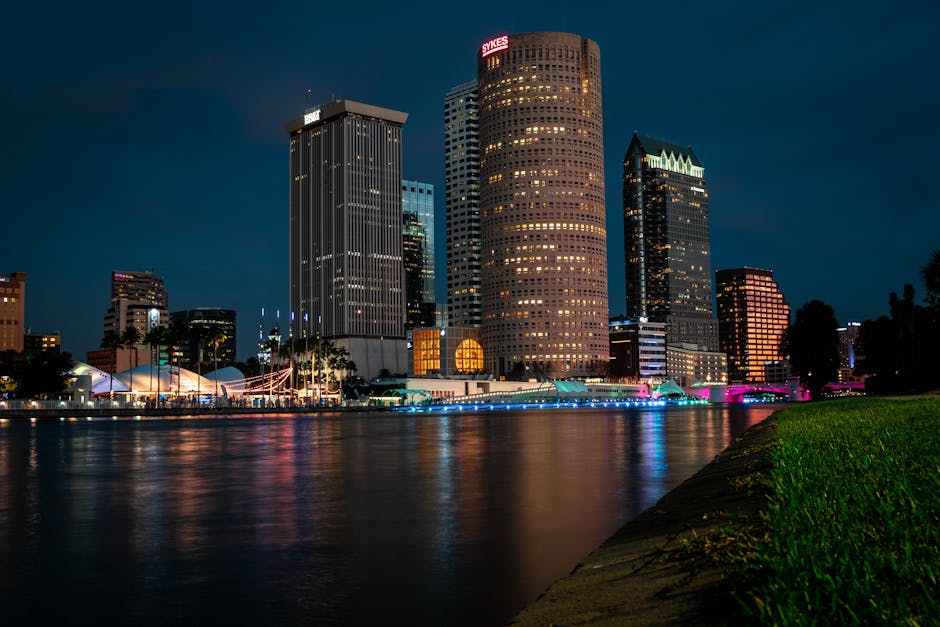
Tampa is currently in what experts describe as an early-stage luxury condo market, a phase characterized by rapid appreciation and the entry of international hospitality brands. Unlike established markets where the condo landscape is saturated, Tampa offers a unique window where buyers can still secure significant square footage in prime waterfront locations. According to Tampa Bay Business & Wealth, the growth in this sector is sustained by a preference for low-maintenance, high-amenity living among those who split their time between multiple global hubs but maintain their primary residence in Florida.
The decision to move into a high-rise residence in Downtown Tampa or the Channel District often comes down to a comparison of service levels. The new wave of developments is introducing 24-hour concierge services, private elevators, and climate-controlled storage that rival the standards found in New York or Miami. However, buyers must be diligent in analyzing the long-term viability of these projects, focusing on the reputation of the developer and the health of the underlying association. In an early-stage market, the distinction between a trend-driven project and a lasting architectural landmark is paramount.
Furthermore, the inventory of residential condos is increasingly competing with traditional single-family estates for the top-tier price points. With the average list price for luxury properties now exceeding $3,111,000, the value proposition for vertical living rests on the security and exclusivity that a controlled environment provides. Investors should monitor the absorption rates of these new builds to gauge market depth before committing to a purchase.
Waterfront Assets and Primary Market Emergence
Waterfront property has always been a cornerstone of the Florida investment portfolio, but in Tampa, the waterfront is emerging as a primary real estate market in its own right. The focus has moved beyond simple canal access to expansive bay-front estates that offer both privacy and resilience. Legal and environmental considerations are now at the forefront of the acquisition process, as noted by the National Law Review, which highlights the area’s waterfront as a significant driver of high-value transactions. Buyers must verify seawall integrity, elevation certifications, and riparian rights with a level of scrutiny that matches the price tag.
The aesthetic of the Tampa waterfront is also shifting. We are seeing a move away from traditional Mediterranean-style architecture toward contemporary designs that emphasize floor-to-ceiling glass and seamless indoor-outdoor transitions. These properties are designed to maximize the view while providing a robust defense against the elements. When comparing waterfront options, it is essential to evaluate the property’s positioning relative to prevailing winds and the specific type of water access—whether it be deep water for large yachts or protected basins for smaller vessels.
Inventory in this segment remains extremely tight. With only 120 luxury units currently active on the market, the competition for prime waterfront land is intense. This scarcity often leads to off-market transactions and high-velocity sales that require buyers to be prepared with verified proof of funds and a clear understanding of their non-negotiable requirements. Navigating this environment necessitates a sophisticated approach to valuation that accounts for both the land value and the replacement cost of high-specification improvements.
- Verify the age and material of the seawall and dock infrastructure before making an offer.
- Analyze the elevation certificate to understand potential insurance and structural implications.
- Assess the proximity to private educational institutions and high-end retail nodes.
- Review the developer’s track record for high-rise or master-planned community acquisitions.
- Compare the dollar-per-square-foot metrics against recent closed sales in the same neighborhood.
- Confirm the availability of smart-home integration and redundant power systems.
Neighborhood Comparison: Established vs. Emerging Nodes
The geographical distribution of luxury in Tampa is expanding. While South Tampa and the Bayshore area remain the gold standard for many, new nodes of luxury are appearing in areas like Tampa Heights and West Tampa. For instance, the recent listing of commercial and residential parcels on West Dr. Martin Luther King Jr. Boulevard for $2,900,000 signals a growing confidence in the redevelopment of core urban corridors. These emerging areas offer a different value proposition, often providing larger land parcels or the opportunity to build custom estates in areas undergoing rapid gentrification.
Established neighborhoods like Davis Islands or Culbreath Isles offer a more traditional sense of community and proven price stability. However, the barrier to entry in these enclaves is increasingly high, often requiring buyers to look at older homes that require extensive renovation to meet modern standards. In contrast, newer developments in the Seminole Heights area, such as high-spec builds on North Florida Avenue priced around $2,200,000, offer a blend of historic charm and modern amenities. Decisions in these areas should be based on a thorough analysis of neighborhood-level price ceilings and planned infrastructure improvements.
Understanding the micro-market dynamics of each neighborhood is critical for long-term appreciation. Factors such as school district boundaries, flood zone designations, and local zoning changes can have a disproportionate impact on property values. A senior advisor will help you look past the staging to evaluate the structural integrity and location-specific risks of each asset. To start your comparison, it is best to contact an advisor who can provide a granular breakdown of the market movement in these specific corridors.
Inventory Scarcity and Valuation Benchmarks
The current market is characterized by a significant mismatch between supply and demand. With a median list price of $2,300,000 and an average price exceeding $3.1M, the entry point for true luxury in Tampa has been reset. This trend is reinforced by data from the Tampa Bay Times, which tracked some of the most expensive home sales of the past year, confirming that the ceiling for high-end transactions continues to rise. Buyers must be prepared to navigate a landscape where multiple offers are common for well-priced, turnkey properties.
Strategic buyers are increasingly looking at land as a viable alternative to existing inventory. Residential land parcels in prime areas are becoming highly sought after, with investors willing to pay a premium for the opportunity to build to their exact specifications. This “buy and build” strategy requires a longer time horizon but can result in a residence that perfectly aligns with modern requirements for health, wellness, and security. It is important to monitor Florida real estate trends to understand how statewide policy changes regarding insurance and construction may affect your development costs.
Valuation in this environment requires more than just a look at comparable sales. It involves a deep understanding of the replacement cost of specialized materials and the value of specific architectural pedigree. As an advisor, I recommend focusing on assets that offer unique, non-reproducible features—such as oversized lots or rare water views—as these are the properties that maintain their value best during market fluctuations. The current inventory of 120 properties represents a highly curated selection of the region’s best offerings, but finding the right fit requires a proactive and data-driven search.
Strategic Acquisition and Timing
Timing the Tampa luxury market requires an understanding of seasonal inventory cycles and the broader economic indicators that drive executive migration. While the market remains active year-round, there are specific periods where inventory levels fluctuate, providing windows of opportunity for prepared buyers. The emergence of Tampa as a primary market means that the old rules of seasonal buying are less relevant; high-quality assets are absorbed quickly regardless of the time of year. Investors should be positioned to act when a property that meets their specific criteria hits the market, rather than waiting for a broader market shift.
Successful acquisition strategies in this segment often involve a combination of rigorous due diligence and swift decision-making. This is why having a pre-vetted team of specialists—including environmental engineers, luxury-focused inspectors, and legal counsel—is essential. When you are evaluating an asset like the $1,550,000 residence on North Grady Avenue, you need to understand not just the home itself, but how it fits into your broader portfolio. A senior buyer advisor provides the analytical brief necessary to make these decisions with confidence, ensuring that your acquisition is a sound financial move as well as a lifestyle upgrade.
The future of Tampa’s luxury market is one of continued maturation. As the region builds out its infrastructure and continues to attract global talent, the value of well-positioned real estate will likely continue its upward trajectory. For those looking to secure their place in this evolving landscape, the time to act is now, while the market is still in its primary growth phase. By focusing on decision-useful guidance and neighborhood-level implications, you can navigate the complexities of this high-intent market and secure an asset that will serve your needs for years to come.
Identifying the ideal residence in a market with limited inventory requires a disciplined approach and a reliable advisory partner. Whether you are seeking a bay-front estate or a modern penthouse, our team provides the data-backed insights necessary to navigate high-stakes transactions with clarity. We invite you to explore our curated selection of high-end listings and connect with a dedicated advisor to discuss your specific requirements. Browse our current luxury listings and contact a private advisor today to schedule a confidential consultation and begin your acquisition journey.
Your next move in Tampa luxury
Get current inventory, pricing guidance, and private-tour support from our brokerage team.
Source highlights
- Tampa Bay’s most expensive luxury home sales of 2025 – Tampa Bay Times
- Column: Why executives keep choosing St. Pete – The Business Journals
- Why Tampa remains an early-stage luxury condo market – Tampa Bay Business & Wealth
- Tampa Bay’s Waterfront Emerges as a Primary Luxury Real Estate Market – The National Law Review
- Florida Trend Real Estate – Florida Trend
- Jennifer Zales Unveils Venetian Isles Waterfront Luxury Now Offered At A New Price – Haute Living
- Things To Do In Tampa This Weekend: Fun Festivals & Events In Tampa This Weekend – That's So Tampa
- Tampa Bay-area events this weekend: Sharkapalooza and St. Pete Italian Fest – WUSF
