


The Evolution of the Tampa Luxury Sector
The Tampa Bay region has transitioned from a seasonal destination into a primary hub for global capital and executive relocation. As of mid-2026, the market reflects a level of maturity that demands a more analytical approach to acquisition than in previous cycles. With 120 active luxury listings and a median list price currently holding at $2,300,000, the inventory landscape is characterized by high-quality assets and a buyer pool that prioritizes structural integrity over mere aesthetic appeal. This shift is driven by a sophisticated demographic that treats residential real estate as a critical component of their broader investment portfolio.

Data from the most recent Luxury Real Estate Market Report — March 2026 indicates that while inventory remains lean, the velocity of transactions for properties priced above $3,000,000 has remained consistent. Buyers are no longer reacting to scarcity but are instead waiting for properties that meet specific architectural and locational criteria. This patience is a hallmark of the current market, where the average list price of $3,111,332 reflects a inventory of high-end estates in neighborhoods such as South Tampa and the historic corridors of Hyde Park.
For those navigating this environment, understanding the nuances of local market movement is essential. We are seeing a distinct trend where the traditional single-family home is being compared directly against ultra-luxury vertical living. This isn’t just a lifestyle choice; it is a calculation based on security, maintenance-free living, and the concentration of high-end amenities within the urban core. To see how these values translate to current offerings, sophisticated buyers should browse current luxury listings to understand the discrepancy between median and average pricing in the current environment.

Executive Migration and the St. Petersburg Connection
The influx of executive talent into the Tampa Bay area continues to be a primary driver of price stability. Leaders from the financial and technology sectors are increasingly choosing this region not just for the climate, but for a business ecosystem that supports long-term growth. This trend is particularly evident in the movement toward the Pinellas side of the bay, where many executives keep choosing St. Pete for its walkable urban density and proximity to corporate headquarters. This cross-bay synergy has created a unified luxury market where buyers often weigh a waterfront estate on Davis Islands against a modern penthouse in downtown St. Petersburg.
This migration is fostering a competitive environment for properties that offer high-level home office configurations and secure, high-speed infrastructure. The expectation for a luxury residence has evolved to include integrated smart-home technology and privacy features that allow for seamless professional operations. When evaluating properties in areas like Beach Drive or the Snell Isle enclave, the focus is often on the quality of the build and the reputation of the developer, as these factors significantly impact future resale value and liquidity in a high-interest environment.
Furthermore, the emergence of specialized real estate teams, such as the Nick Janovsky Group, highlights the market’s need for niche expertise. As more high-net-worth individuals enter the market, the demand for advisors who understand both the residential and commercial implications of a purchase has grown. Buyers are looking for data-backed guidance that goes beyond simple property tours, seeking instead an analytical brief on neighborhood transition and capital appreciation potential.
Analyzing the Vertical Living Shift: Condos and Marinas
Tampa is no longer just an early-stage luxury condo market; it has reached a point of stabilization where vertical living is a preferred asset class for many affluent buyers. The success of projects like Marina Pointe, which has garnered international recognition for its waterfront integration, underscores the market’s appetite for full-service residential experiences. These developments offer a level of security and amenity access that is difficult to replicate in traditional single-family homes, particularly in the urban core where land is increasingly scarce.
For the buyer, the decision between a historic estate in Old Hyde Park and a modern high-rise in Water Street comes down to a choice between legacy and utility. The modern condo developments in Tampa provide sophisticated climate control, LEED-certified building practices, and concierge services that cater to a global lifestyle. However, it is essential to verify the HOA’s financial health and capital reserve studies before committing to a vertical asset. In the 2026 market, the transparency of building management is as important as the view from the balcony.
We also see a significant interest in the ‘early-stage’ nature of certain condo sub-markets. While Water Street has set the benchmark for pricing, other areas along the Hillsborough River are beginning to see similar institutional interest. Identifying these pockets of growth requires a deep understanding of municipal planning and upcoming infrastructure projects. Investors should focus on developments that offer unique value propositions, such as private marina access or exclusive membership ties to local social clubs, as these features provide a defensive buffer against broader market volatility.
Critical Verification Steps for 2026 Acquisitions
- Audit the structural integrity and elevation certificates of any waterfront property to ensure compliance with the latest insurance standards.
- Analyze the price-per-square-foot trends within a specific neighborhood over the last 24 months to identify over-valuation or growth potential.
- Verify the zoning and setback requirements for land purchases, particularly for residential parcels intended for custom builds.
- Review the capital reserve studies for high-rise developments to ensure no pending special assessments or major maintenance projects.
- Assess the proximity and quality of private aviation facilities and high-end retail hubs as indicators of long-term neighborhood desirability.
- Evaluate the historical sales data of similar assets within a half-mile radius to establish a firm basis for negotiation.
Neighborhood Nuance: Beyond the Surface
Selecting the right location in Tampa involves more than just a drive through a neighborhood. Each enclave offers a distinct risk and reward profile. South Tampa remains the anchor of the luxury market, driven by its school districts and established social fabric. However, buyers should look closely at areas undergoing transition. For example, recent sales such as the $2.2M property on Florida Avenue indicate a growing acceptance of luxury pricing in corridors that were previously considered secondary. This suggests that the ‘luxury’ boundary is expanding as buyers seek larger lots and newer construction that may not be available in the more dense historic cores.
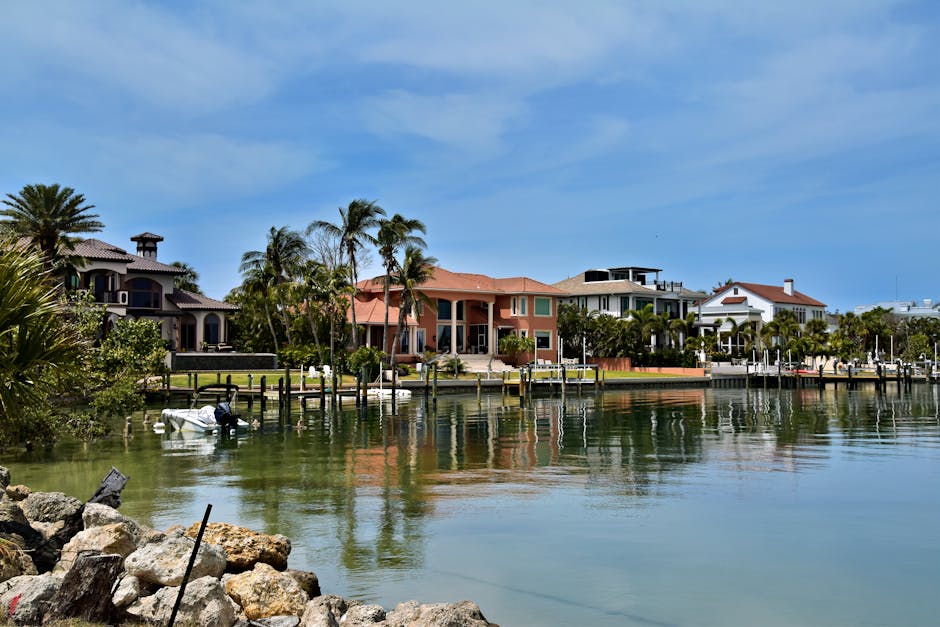
Conversely, the waterfront market in areas like Bayshore Boulevard and the surrounding islands remains the most liquid. These properties act as a store of value, particularly when they feature deep-water access and unobstructed views of the bay. When comparing these estates, it is crucial to examine the seawall condition and dock permitting, as these are significant capital items that can impact the total cost of ownership. A senior advisor will prioritize these technical details over the staging and interior finishes, which are more easily modified.
Buyer behavior in 2026 also shows a preference for properties that offer ‘generational’ utility. This means estates that can accommodate extended family, feature dedicated wellness spaces, and provide ample room for private collections. Whether it is a $1.5M acquisition on Grady Avenue or a $2.9M commercial-residential hybrid on MLK Boulevard, the underlying theme is a search for flexibility. Properties that can adapt to changing lifestyle needs—such as the addition of a guest house or a high-capacity garage—command a premium in the current landscape.
Market Momentum and Pricing Realities
Understanding the difference between list price and sale price is vital in a market with a median of $2.3M. While the headlines focus on the multi-million dollar closings, the reality of the market is found in the ‘bread and butter’ luxury segment between $2M and $4M. This is where the most competition exists and where strategic bidding is required. Buyers should be prepared for properties that are priced correctly to move quickly, often within 30 to 45 days. Properties that linger on the market usually suffer from a disconnect between the seller’s expectations and the property’s condition or location.
Strategic buyers are also looking at the land value component of their purchases. In areas with high demand and limited supply, the value of the dirt often represents 60% or more of the total acquisition cost. This provides a significant floor for the investment but also means that any improvements must be of a certain caliber to justify the total cost. According to the principles of residential market analysis, understanding this ratio is key to determining if a property is a sound long-term hold or a speculative play.
Finally, consider the influence of local culture and lifestyle on property values. Events and community gatherings, such as the festivals documented by That’s So Tampa, contribute to the desirability of the urban core. A neighborhood that offers a high degree of social connectivity and access to premier dining and cultural events will always outperform a more isolated suburb in terms of capital appreciation. The 2026 buyer is looking for an integrated lifestyle where the home is the centerpiece of a sophisticated urban existence.
The Decision-Making Framework
Deciding on a luxury acquisition in Tampa requires a balance of emotional resonance and clinical data analysis. The market is too mature for impulse buys, yet too unique for a purely algorithmic approach. Success depends on the ability to identify value where others see only a price tag. This involves a deep dive into the specifics of each property—from the quality of the millwork to the efficiency of the HVAC systems. In a climate where summer temperatures regularly reach the mid-90s, the technical specifications of a home are not just details; they are fundamental to its long-term viability.
As you move from consideration to action, the importance of a qualified advisor cannot be overstated. The complexities of the Florida insurance market, combined with the nuances of local zoning and the rapid evolution of neighborhood dynamics, make the guidance of a senior buyer advisor indispensable. A professional will help you navigate the noise of market reports and focus on the data points that actually impact your bottom line. They are the filter through which you can view the market with clarity and precision.
The current landscape offers a unique opportunity for those with the capital and the clarity to act. With 120 luxury properties currently available, the selection is diverse enough to find an asset that perfectly aligns with your financial and personal objectives. To begin your journey, browse current luxury listings to understand the breadth of the market. Once you have identified potential targets, we invite you to contact an advisor to schedule a private briefing and begin the process of securing your position in the Tampa Bay luxury market.
Your next move in Tampa luxury
Get current inventory, pricing guidance, and private-tour support from our brokerage team.
Source highlights
- Tampa Bay’s most expensive luxury home sales of 2025 – Tampa Bay Times
- Column: Why executives keep choosing St. Pete – The Business Journals
- Why Tampa remains an early-stage luxury condo market – Tampa Bay Business & Wealth
- New Signature Real Estate Team Emerges Across Tampa Bay: The Nick Janovsky Group Launches with Premier Sotheby’s International Realty – citybiz
- Luxury Real Estate Market Report — March 2026 – Haute Living
- Tampa Bay's Marina Pointe Wins Three Americas Property Awards for Excellence in Luxury Waterfront Living – PR Newswire
- Things To Do In Tampa This Weekend: Fun Festivals & Events In Tampa This Weekend – That's So Tampa
- Tampa Bay-area events this weekend: Sharkapalooza and St. Pete Italian Fest – WUSF
