


Navigating the 2026 Tampa Inventory Surge
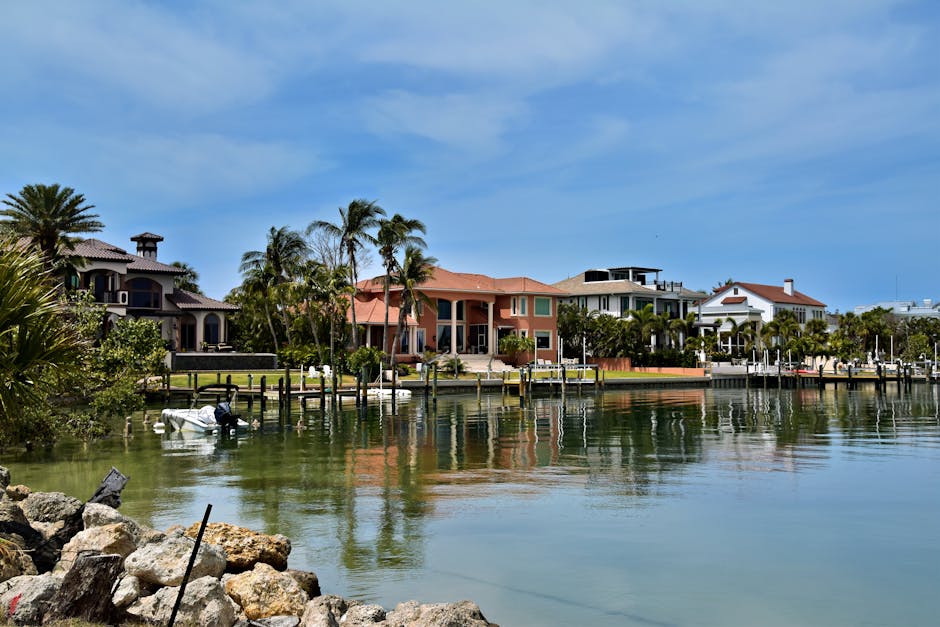
The Tampa luxury sector is currently navigating a period of significant inventory expansion. As of mid-May 2026, active luxury listings have reached 120 units, a notable increase that provides qualified buyers with a level of selection not seen in previous cycles. This surge is driven largely by recent tax shifts and a broader redistribution of high-net-worth assets across Florida. According to MSN reporting, these movements are part of a statewide trend where sellers are looking to capitalize on record equity while buyers seek more favorable tax environments.

For the sophisticated advisor, this inventory volume suggests a transition from a frantic, supply-constrained environment to one defined by deliberate price discovery. With 120 active properties, the market depth allows for more nuanced comparisons between established waterfront enclaves and emerging high-value corridors. This volume provides a necessary buffer, preventing the rapid price escalations that characterized the early 2020s and allowing for a more stable investment climate where fundamentals outweigh momentum.
Understanding Current Pricing Benchmarks and Market Ceilings
The current median list price for luxury properties in Tampa stands at $2,300,000, with an average list price reaching $3,117,232. These figures reflect a mature market that has moved beyond speculative spikes. Recent transactional data from the Tampa Bay Times highlights that the most expensive sales of 2025 set a robust foundation for current valuations. While the current record sale remains at $22.5 million, the market is currently testing new ceilings with a singular estate recently entering the market with an asking price of $115 million, as detailed by the Wall Street Journal.
This massive delta between the established record and new asking prices indicates a high level of confidence in Tampa’s ability to attract ultra-high-net-worth individuals. However, for most buyers in the $2 million to $5 million range, the focus remains on utility and long-term appreciation. Analyzing specific listings, such as the $2.9 million commercial-residential hybrid on Dr. Martin Luther King Jr Boulevard, reveals a trend toward diversifying luxury holdings into properties that offer both residential privacy and strategic location for professional proximity. Evaluating these benchmarks requires a detached, analytical approach to ensure that acquisition costs align with historical appreciation rates.
The Executive Migration and Regional Synergy
A significant driver of the current market is the continued influx of C-suite executives choosing the Tampa Bay region for its infrastructure and professional ecosystem. This migration is not limited to Tampa alone; there is a growing synergy between Tampa and St. Petersburg. As noted in The Business Journals, executives increasingly favor this corridor for its balance of professional networking opportunities and residential seclusion. This regional choice is reflected in the demand for Land and Commercial Sale properties, which are often sought for custom builds or mixed-use luxury developments.
Buyers are no longer viewing Tampa as a secondary market but as a primary hub for wealth preservation. The decision-making process for these individuals focuses on connectivity and the quality of the built environment. We see this play out in the selection of neighborhoods that offer immediate access to private aviation and the growing tech corridors in the downtown core. This executive shift is a foundational element supporting the current list prices, as the buyer pool remains concentrated with individuals whose relocation is permanent and strategic rather than seasonal.
Strategic Acquisition: Critical Due Diligence Factors
In a market with 120 active luxury units, the ability to differentiate between a high-value asset and a mispriced listing is paramount. Buyers must look beyond aesthetics to evaluate the structural and financial health of an investment. As Florida Trend regularly highlights, the state’s real estate landscape is influenced by evolving building codes and insurance requirements that directly impact the long-term carry cost of luxury homes. Success in this market requires a disciplined approach to verification and comparison.
- Verify elevation and modern mitigation features to ensure long-term insurability and resilience.
- Analyze the historical price per square foot within specific sub-neighborhoods to identify local outliers.
- Evaluate the remaining duration of any property tax abatements or special assessments.
- Compare the maintenance requirements of traditional waterfront estates versus modern high-rise condominiums.
- Assess the proximity to upcoming infrastructure projects that could influence property privacy or value.
- Verify the recent sale history of adjacent properties to ensure neighborhood stability.
Neighborhood Analysis: From South Tampa to Seminole Heights
While South Tampa remains the traditional anchor for the luxury market, we are seeing a strategic expansion into areas like Seminole Heights. A prime example is the listing at 6304 N Florida Avenue, priced at $2,200,000. This movement signals a shift in buyer behavior where architectural character and larger lot sizes are being prioritized alongside the prestige of a South Tampa address. These emerging pockets offer a different value proposition, often providing more square footage and custom finishes for the same investment required for a smaller, older home in the traditional core.
Understanding these neighborhood-level implications is critical for buyers who prioritize privacy and lot size. South Tampa continues to command a premium for its proximity to top-tier schools and the downtown business district, but the diversification into northern neighborhoods demonstrates a healthy maturation of the market. Buyers are now comparing these distinct areas based on their specific lifestyle requirements—whether that is the historic charm and walkability of Heights-adjacent areas or the manicured, gated environments found in the coastal enclaves. This breadth of choice is why it is essential to browse current listings with a critical eye toward neighborhood-specific utility.
The Maturation of the Luxury Condo Sector
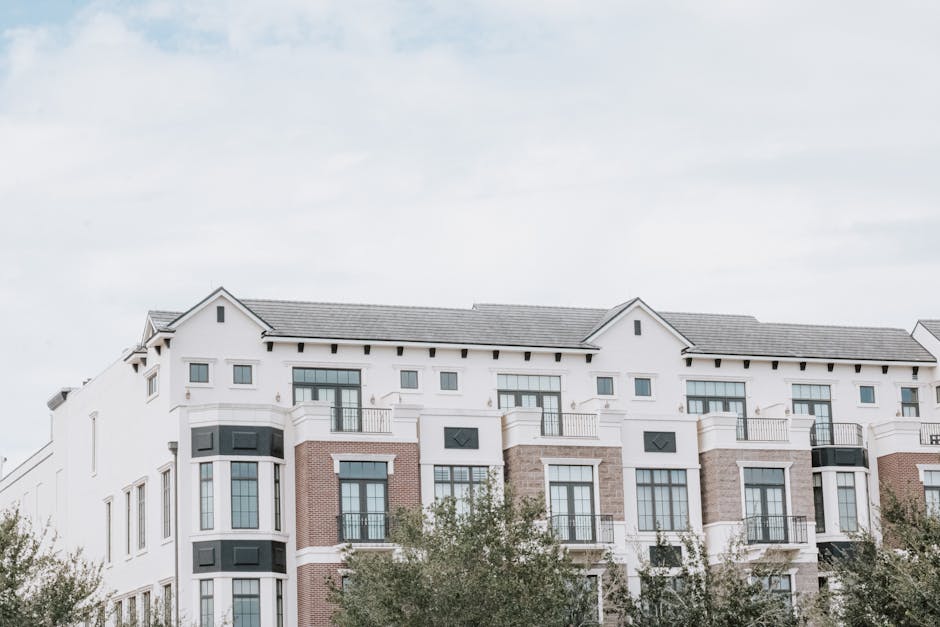
Tampa has historically been a single-family home market, but the luxury condominium sector is currently in what experts call an “early-stage” maturation. For buyers who prefer the security and convenience of high-rise living, the current landscape offers several new developments that are just beginning to redefine the skyline. These properties provide an alternative to the traditional estate model, focusing instead on shared amenities and vertical privacy. This shift is essential for a city seeking to attract a global demographic accustomed to high-end urban living.
However, because the condo market is still evolving, buyers must be particularly attentive to the long-term management and fee structures of these associations. Comparing the cost-of-ownership between a $3 million single-family home and a $3 million penthouse requires a detailed look at association reserves and future development plans for the surrounding blocks. The decision to opt for a condo often hinges on the desire for a “lock-and-leave” lifestyle, which is increasingly popular among the executive class moving into the region. This sector’s growth is a key indicator of Tampa’s transition into a top-tier metropolitan luxury market.
Cultural Pulse and Seasonal Stability
The appeal of Tampa luxury real estate is intrinsically linked to the city’s ability to host major cultural and sporting events. For instance, the upcoming WWE Memorial Day weekend takeover and the variety of events tracked by the Tampa Bay Date Night Guide ensure that the city remains a focal point for entertainment year-round. These events do more than provide leisure; they drive the local economy and support the service infrastructure that luxury residents expect.
Even with the late spring humidity and temperatures reaching 33.7°C (92.7°F) by mid-May, the market remains active. This year-round vitality distinguishes Tampa from more seasonal Florida markets. The ability to maintain a consistent cultural calendar—from vintage markets to high-profile athletic takeovers—ensures that property values are supported by a genuine sense of place and community. For the high-net-worth buyer, this cultural density is a vital component of the decision-making process, providing assurance that the region’s growth is built on more than just favorable tax policy.
Acquiring a luxury asset in Tampa requires more than a simple search; it demands a strategic partnership with an advisor who understands the technical nuances of the current 120-unit inventory and the $2.3 million median benchmark. Whether you are analyzing a waterfront estate or a modern urban residence, our team provides the analytical depth necessary to navigate this sophisticated market. We invite you to view our curated luxury listings and contact an advisor today to schedule a private briefing on current market opportunities and acquisition strategies.
Your next move in Tampa luxury
Get current inventory, pricing guidance, and private-tour support from our brokerage team.
Source highlights
- Florida luxury real estate surges amid record listings, tax shifts – MSN
- Tampa Bay’s most expensive luxury home sales of 2025 – Tampa Bay Times
- Tampa’s Price Record Is $22.5 Million. This Huge Estate Is Asking $115 Million. – WSJ
- Column: Why executives keep choosing St. Pete – The Business Journals
- Why Tampa remains an early-stage luxury condo market – Tampa Bay Business & Wealth
- Florida Trend Real Estate – Florida Trend
- 40+ Best Things to Do in Tampa Bay this Month: Events and MORE! – Tampa Bay Date Night Guide
- Tampa leaders, WWE star Titus O’Neil promote alternative event for young people amid 'teen takeover' trend – FOX 13 Tampa Bay
