


Market Calibration in the Tampa Corridor
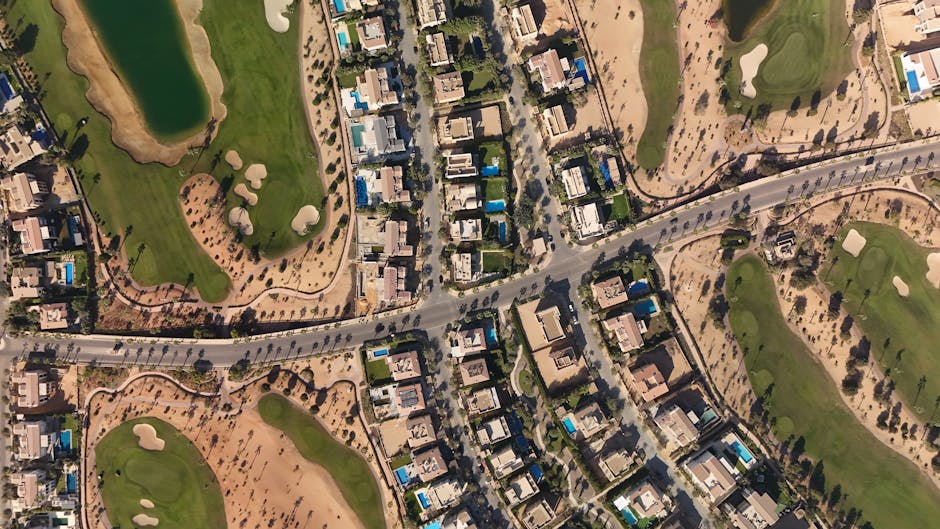
The Tampa luxury real estate sector is currently undergoing a period of sophisticated recalibration. While the broader Florida market has seen a significant surge in activity, the local landscape in areas like South Tampa and Downtown is defined by a specific tension between record-breaking asking prices and an increasing volume of active listings. With approximately 120 luxury properties currently on the market, the environment has shifted from the frantic pace of previous years to a more measured, analytical atmosphere where buyers have the leverage of time, yet sellers remain anchored by strong historical valuations.
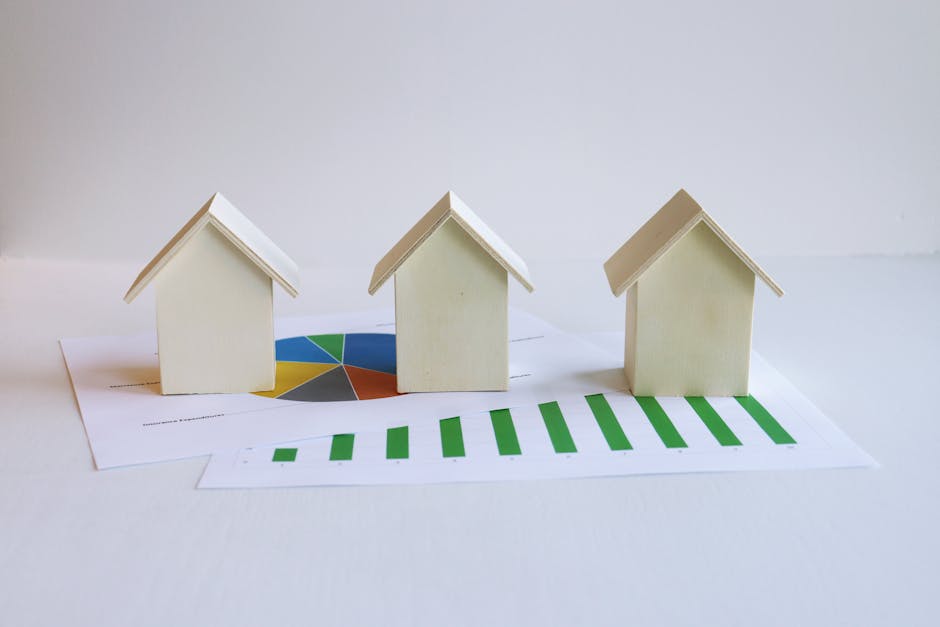
Recent data indicates a median list price of $2,300,000 across the luxury tier, though the average is skewed significantly higher to $3,117,232 by a handful of ultra-high-net-worth estates. This disparity highlights the importance of nuanced valuation. A property on North Florida Avenue listed at $2,200,000 represents a different value proposition than the expansive land opportunities found on North Grady Avenue. Understanding these micro-market fluctuations is essential for buyers who are not merely looking for a residence but are making a strategic capital allocation in a region experiencing record listings and tax-driven migration.
For the senior advisor, the current market is less about finding a needle in a haystack and more about identifying which needles are priced for the current reality. We are seeing a move away from speculative pricing toward data-backed figures that reflect actual neighborhood-level movement. Buyers are increasingly focused on structural integrity and long-term utility rather than aesthetic trends. This shift requires a deep dive into historical sales data and an understanding of the specific buyer behaviors that drive demand in Tampa’s most coveted pockets.
The Vertical Shift: Condo Market Maturity
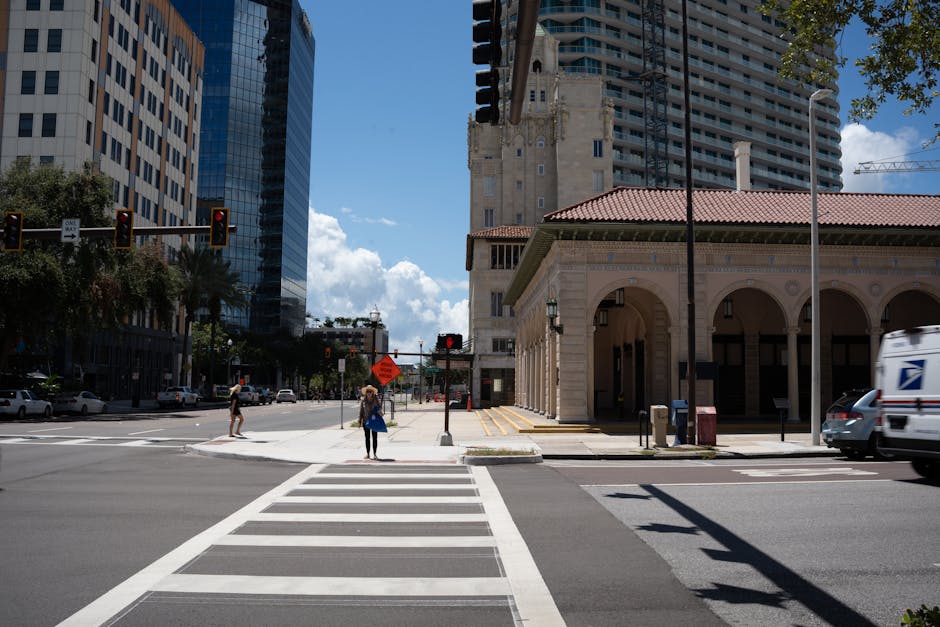
Tampa has historically been a city of sprawling waterfront estates and historic bungalows, but the current cycle marks the maturation of the luxury condominium market. Unlike established vertical markets in South Florida, Tampa is still considered an early-stage luxury condo market. This provides a unique window for investors and residents who prefer the low-maintenance, high-amenity lifestyle offered by new developments in the Water Street and Westshore districts. The entry of high-end brands into the vertical space has redefined expectations for service and security in the region.
The move toward high-rise living is driven by a desire for proximity to the urban core and the burgeoning culinary and cultural scene. According to Tampa Bay Business & Wealth, the infrastructure supporting these developments is finally catching up to the demand, creating a more sustainable ecosystem for vertical growth. This transition is not just about views; it is about the integration of work, life, and leisure in a way that traditional suburban luxury cannot match. Buyers are increasingly comparing the cost-per-square-foot of a Bayshore condo against the maintenance and insurance overhead of a waterfront home in Culbreath Isles.
However, maturity brings its own set of challenges. Discerning buyers must now evaluate the long-term viability of homeowners’ associations and the quality of construction in a rapidly growing skyline. It is no longer enough to look at a floor plan; one must scrutinize the developer’s track record and the projected density of the surrounding area. As the inventory of these units grows, the distinction between ‘luxury’ and ‘commodity’ becomes more pronounced, making expert guidance more critical than ever.
Executive Migration and the St. Petersburg Influence
The luxury narrative in Tampa cannot be told without acknowledging the significant cross-bay influence of St. Petersburg. Corporate executives and business owners are increasingly viewing the Tampa-St. Pete region as a singular metropolitan powerhouse. The decision to reside on one side of the bay or the other is often dictated by specific professional requirements and lifestyle preferences. St. Petersburg has become a magnet for tech leadership and creative executives who value its walkable downtown and artistic heritage.
As noted in The Business Journals, the influx of executive talent is driving a demand for high-end residential properties that can double as sophisticated home offices and entertainment hubs. This migration is not just a seasonal trend; it is a fundamental shift in the regional economy. The luxury buyer today is often looking for a property that reflects their professional stature while providing a sanctuary from the demands of leadership. This has led to a rise in demand for properties with advanced security systems, integrated smart technology, and expansive outdoor living spaces.
In South Tampa, this executive demand manifests in a preference for traditional architecture with modern, open-concept interiors. Areas like Palma Ceia and Beach Park continue to hold their value due to their established reputation and proximity to the region’s top private schools and social clubs. The competition for well-maintained homes in these neighborhoods remains high, even as inventory elsewhere begins to climb. For those relocating from high-tax states, the value proposition of a multi-million dollar estate in Tampa remains compelling when compared to similar offerings in New York or California.
Essential Acquisition Checklist for Tampa Luxury
Navigating the complexities of a luxury purchase in this market requires a systematic approach to due diligence. To ensure a sound investment and a seamless transition, consider the following critical factors before committing to a contract:
- Verify the structural integrity and elevation levels, particularly for waterfront properties in areas prone to coastal flooding.
- Review the property’s historical tax assessments and project future obligations based on current market valuations and local millage rates.
- Examine the condition of major systems, including high-capacity HVAC units and specialized smart home integration, which can be costly to replace.
- Analyze the surrounding development pipeline to ensure that future construction will not negatively impact privacy or views.
- Assess the quality of finishings and architectural details, distinguishing between high-end craftsmanship and superficial upgrades.
- Evaluate the property’s potential for appreciation by comparing it to recent sales of similar assets in the immediate neighborhood.
By adhering to this rigorous standard of verification, buyers can avoid common pitfalls and position themselves for long-term satisfaction. Every high-end transaction should be viewed as a business decision, requiring the same level of scrutiny one would apply to any significant asset acquisition.
The Waterfront Premium and Land Scarcity
Waterfront living remains the pinnacle of the Tampa luxury market, but the definition of value in this category is shifting. While Bayshore Boulevard and Davis Islands continue to command the highest premiums, buyers are looking further afield to find larger land parcels and more privacy. The scarcity of buildable land in the city’s core has led to a surge in interest for teardown opportunities and large-scale renovations. A property on West Dr. Martin Luther King Jr. Boulevard listed at $2,900,000 might offer significant commercial or residential redevelopment potential that a standard residential lot lacks.
The extreme end of this spectrum is exemplified by the headline-grabbing $115 million asking price for a massive estate in a region where the previous record was significantly lower. This indicates a growing belief in Tampa’s potential to compete on a global stage with the likes of Palm Beach or Miami. However, for most luxury buyers, the focus remains on the $2 million to $10 million range, where the most consistent value is found. Navigating this space requires an understanding of riparian rights, dock permits, and the environmental regulations that govern waterfront development.
Land as an asset class is also seeing increased interest. High-net-worth individuals are looking at land not just for immediate residential use, but as a hedge against inflation and a way to control their surrounding environment. Whether it is a few acres in a more rural part of the county or a prime lot in an established neighborhood, the competition for quality earth is fierce. We recommend that buyers interested in this sector act with speed and have their financing or liquidity in place before engaging in negotiations.
Inventory Dynamics and Pricing Psychology
With 120 active luxury listings, the psychological landscape of the market is shifting. Sellers who were once accustomed to multiple offers within days are now seeing their properties sit for weeks or even months. This is not necessarily a sign of a market in decline, but rather a return to a more balanced environment. Pricing psychology plays a massive role in this phase; a property that is priced correctly from the outset will still attract significant interest, while those that are over-ambitious risk becoming ‘stale’ and eventually selling for less than they would have with a realistic initial price.
Buyers should look for properties that have been on the market for 60 to 90 days as potential opportunities for negotiation. In this timeframe, sellers are often more amenable to discussing terms or making concessions on repairs. However, it is important to distinguish between a property that is overpriced and one that has fundamental flaws. Our role as advisors is to help you filter through the active luxury listings to find those that align with your strategic goals and offer the best risk-adjusted return.
Understanding the seller’s motivation is also key. In a market where many owners are moving for lifestyle changes rather than financial necessity, the negotiation can often hinge on factors other than price, such as closing timelines or the inclusion of specific furnishings. A sophisticated buyer knows how to read these cues and use them to their advantage. We consistently monitor the delta between list prices and final sale prices to provide our clients with a realistic expectation of what a ‘good deal’ looks like in the current climate.
Navigating the Closing: Advisor Perspectives
The final stages of a luxury transaction in Tampa require a level of precision that goes beyond the standard residential closing. From complex title issues on historic estates to the intricacies of luxury condo association disclosures, the path to ownership is paved with details that require expert oversight. We prioritize a proactive approach, identifying potential hurdles long before they can derail a deal. This involves coordinating with a network of trusted legal, financial, and inspection professionals who specialize in the high-end sector.
Successful acquisition in this market is the result of thorough research, strategic patience, and decisive action when the right opportunity presents itself. Whether you are looking for a primary residence in the heart of South Tampa or a waterfront retreat on the islands, the current market offers a wealth of possibilities for those who are well-prepared. Our commitment is to provide you with the analytical brief and practical takeaways necessary to make an informed decision that enhances both your portfolio and your lifestyle.
As you evaluate your next move in the Tampa luxury market, we invite you to leverage our deep local expertise and personalized advisory services. The market is moving, and those with the right guidance are positioned to capitalize on the unique opportunities currently available. To begin a confidential conversation about your specific requirements or to explore the latest premium listings, please contact an advisor today to schedule a private consultation and review our current inventory of exclusive estates and land opportunities.
Your next move in Tampa luxury
Get current inventory, pricing guidance, and private-tour support from our brokerage team.
Source highlights
- Florida luxury real estate surges amid record listings, tax shifts – MSN
- Tampa Bay’s most expensive luxury home sales of 2025 – Tampa Bay Times
- Tampa’s Price Record Is $22.5 Million. This Huge Estate Is Asking $115 Million. – WSJ
- Column: Why executives keep choosing St. Pete – The Business Journals
- Why Tampa remains an early-stage luxury condo market – Tampa Bay Business & Wealth
- Florida Trend Real Estate – Florida Trend
- Tampa leaders, WWE star Titus O’Neil promote alternative event for young people amid 'teen takeover' trend – FOX 13 Tampa Bay
- Things to do with kids this weekend in Tampa, FL – That's So Tampa
