


The Elevation of the Tampa Residential Price Ceiling
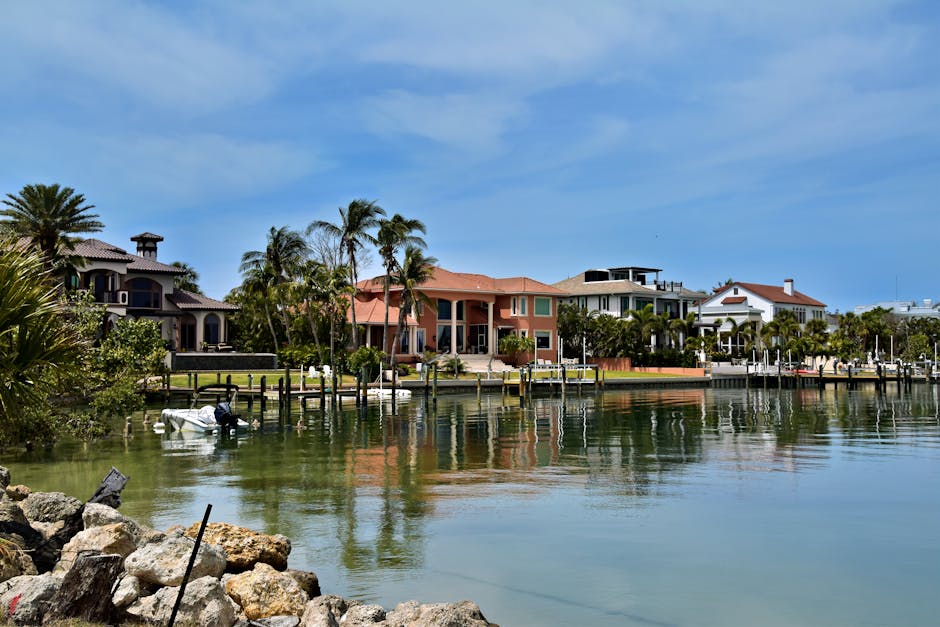
The Tampa luxury landscape is currently undergoing a structural transformation, evidenced by a significant widening of the price ceiling for ultra-prime assets. While the historical benchmark for a residential sale in the region has been roughly $22.5 million, the market is now seeing entries that challenge these figures by an order of magnitude. According to recent reports from the Wall Street Journal, the introduction of estates with nine-figure valuations signals a new phase of maturity for the Hillsborough County waterfront. High-net-worth individuals are increasingly viewing the area as a primary destination for significant capital allocation, rather than a secondary seasonal retreat.
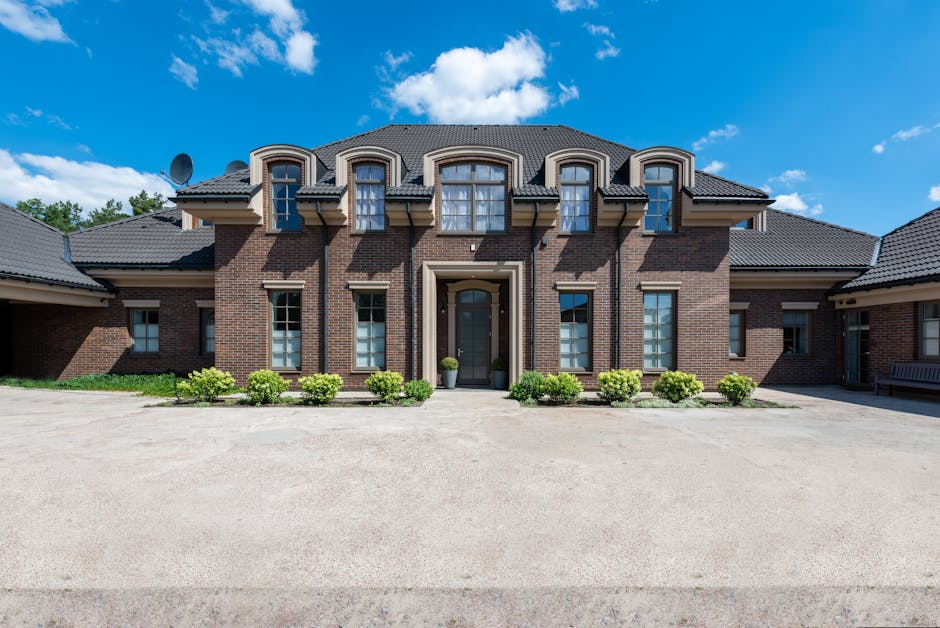
This shift toward higher valuations is not merely a matter of inflation but reflects a genuine upgrade in the caliber of architecture and infrastructure being brought to market. Estates in Davis Islands and along Bayshore Boulevard are increasingly competing with global standards for luxury, featuring advanced coastal engineering and integrated smart-home technologies. For the sophisticated buyer, these figures represent a stabilizing of Tampa’s position as a top-tier metropolitan market, capable of supporting assets that once would have only been found in more established enclaves like Palm Beach or Greenwich.
Analyzing recent sales data reveals a median list price for the luxury segment at approximately $2,300,000, while the average sits closer to $3,117,000. This disparity highlights the breadth of the current market, which ranges from high-end residential listings like 5010 N Grady Avenue to expansive waterfront compounds. The ability to find value at multiple tiers of the luxury spectrum is a hallmark of the current Tampa environment, allowing for strategic entry points depending on the buyer’s long-term portfolio goals and lifestyle requirements.

Strategic advisors are noticing that the ‘buy-and-hold’ mentality is becoming more prevalent among affluent arrivals. The focus has shifted from speculative flipping to securing long-term family legacies in established neighborhoods. This shift in buyer psychology is a fundamental driver behind the current price stability, as the inventory of truly unique, high-spec properties remains limited relative to the growing pool of qualified domestic and international buyers seeking a foothold in the region.
Inventory Dynamics and the Impact of National Tax Shifts
Recent data indicates a notable surge in luxury listings across the Florida market, a trend fueled by broader economic shifts and changes in tax policy. As noted by MSN, the influx of wealth into the state continues to be driven by individuals seeking to optimize their tax exposure while maintaining a high quality of life. This has led to a record number of luxury listings hitting the market, providing buyers with a level of selection that has been missing for several years. This increased inventory allows for a more analytical approach to acquisition, moving away from the high-pressure bidding wars of the recent past.
In neighborhoods like Hyde Park and Culbreath Isles, the availability of inventory is providing buyers with the leverage to be more selective regarding lot size, architectural style, and specific interior finishes. The current inventory of approximately 120 active luxury units represents a healthy balance, offering enough choice to prevent stagnation while maintaining enough scarcity to protect long-term valuations. Buyers are encouraged to evaluate these listings not just on price per square foot, but on the enduring quality of the site and its proximity to the city’s evolving urban core.
The movement of inventory is also being influenced by a transition in seller expectations. Long-term residents who have seen their property values double or triple in a short period are increasingly open to listing their estates to capitalize on the current market peaks. This cycle of turnover is healthy for the market, as it introduces updated properties into the ecosystem that meet modern standards for energy efficiency and design. For those tracking the market closely, this period represents a prime opportunity to identify assets that may have been held off-market for decades.
Furthermore, the diversification of property types within the luxury segment is expanding. While traditional single-family residences remain the cornerstone of the market, there is growing interest in residential-commercial land opportunities and estate-sized parcels in areas like Beach Park. The ability to customize a residence from the ground up, particularly on land that has been historically underutilized, is a trend that is gaining traction among buyers who prioritize modern floor plans and specific technological integrations.
Executive Migration and the St. Petersburg-Tampa Corridor
The decision-making process for high-end real estate in the region is increasingly tied to the movement of executive leadership. As highlighted by The Business Journals, C-suite executives are choosing the Tampa Bay area for its corporate-friendly environment and the ability to attract top-tier talent. This migration is creating a unified corridor between Tampa and St. Petersburg, where the demand for luxury housing is fueled by professional proximity. The strategic choice of residence is often dictated by its accessibility to both the airport and the emerging business districts in Water Street and Westshore.
For many executives, the choice of neighborhood is an extension of their professional brand. The historic elegance of the brick-lined streets in the southern reaches of the city offers a level of prestige that appeals to traditional leadership, while the modern developments in the urban core attract those in the tech and private equity sectors. This professional diversification is insulating the luxury market from sector-specific economic downturns, as the buyer pool is composed of leaders from a wide array of industries including healthcare, finance, and logistics.
The preference for the region is also driven by a desire for a balanced professional life that is not easily replicated in other major metros. The availability of high-end social clubs, proximity to professional sports venues, and the ease of maritime activities provide a lifestyle that is both sophisticated and accessible. Advisors are seeing a trend where executives who initially relocated for business are now expanding their real estate footprint by acquiring secondary properties or larger estates to accommodate multi-generational living arrangements.
Understanding this migration pattern is essential for predicting which neighborhoods will see the most consistent appreciation. Areas that offer a blend of privacy and connectivity are consistently at the top of the list for relocating executives. By monitoring where new corporate headquarters are being established, savvy buyers can position themselves ahead of the curve, securing properties in neighborhoods that are poised to become the next centers of high-net-worth activity.
Checklist for High-Value Property Due Diligence
Acquiring a luxury asset in the current environment requires a rigorous evaluation process that goes beyond surface-level aesthetics. Buyers should prioritize the following factors to ensure long-term asset protection and functional suitability:
- Verification of coastal setback requirements and current flood elevation certifications.
- Assessment of architectural integrity and the pedigree of the original builder or designer.
- Evaluation of home automation infrastructure and its capacity for future technological upgrades.
- Analysis of neighborhood-specific deed restrictions and historical preservation guidelines.
- Review of private security infrastructure and gated access protocols in exclusive enclaves.
- Assessment of proximity to high-performing educational institutions and private aviation facilities.
These considerations are particularly important in a market that is evolving as rapidly as Tampa’s. Working with an advisor who understands the technical nuances of local zoning and construction can prevent costly errors and ensure that the property remains a viable long-term investment. Each of these points contributes to the overall ‘stickiness’ of a property’s value, protecting the owner against shifts in broader market sentiment by focusing on the fundamentals of the site and the structure.
Vertical Luxury: The Early-Stage Condo Evolution
Tampa is currently identified as an early-stage luxury condo market, a characterization that offers significant upside for buyers who prefer the security and convenience of high-rise living. According to Tampa Bay Business & Wealth, the development of high-specification towers is redefining the urban core, offering amenities that were previously unavailable in the region. This evolution is attracting a different demographic of buyers, including those who are downsizing from large suburban estates but are unwilling to compromise on quality or service.
The new generation of condominiums is focused on providing a ‘lifestyle-in-a-box’ experience, with 24-hour concierge services, private wellness centers, and climate-controlled storage for fine wine or art collections. These developments are concentrated in areas like Water Street, where the integration of residential, commercial, and retail space creates a walkable environment that is unique to the city. For the analytical buyer, these units represent a way to participate in the city’s urban revitalization while enjoying the benefits of modern construction and professional management.
Compared to traditional single-family homes, luxury condominiums offer a level of ‘lock-and-leave’ security that is highly valued by frequent travelers and those with multiple residences. The efficiency of vertical living, combined with the shared cost of high-end amenities, makes these properties an attractive alternative to the maintenance-heavy requirements of a large waterfront estate. As the market matures, the differentiation between ‘lifestyle’ condos and ‘investment’ condos will become more pronounced, making it critical for buyers to focus on buildings with established reputations and high owner-occupancy rates.
Furthermore, the architectural impact of these new towers is elevating the city’s global profile. Renowned architects are being commissioned to create structures that are as much works of art as they are residences. This focus on design excellence ensures that the properties will remain desirable for decades to come, serving as a testament to Tampa’s arrival as a world-class destination for luxury living. Prospective residents are encouraged to look beyond the initial marketing and investigate the long-term viability of the homeowners’ association and the building’s reserve funding.
Neighborhood Nuance and Architectural Asset Preservation
Discerning the subtle differences between Tampa’s established enclaves is critical for informed decision-making. Neighborhoods like Beach Park and Sunset Park offer a different value proposition than the historic charm found in Palma Ceia or Hyde Park. For instance, lot sizes and setback requirements in Beach Park often allow for more expansive horizontal floor plans and larger outdoor entertaining areas, whereas the historic districts prioritize vertical integration and proximity to boutique retail corridors. Understanding these distinctions allows a buyer to align their physical requirements with the cultural fabric of the neighborhood.
Architectural style also plays a significant role in market liquidity. While Mediterranean Revival remains a local staple, there is a growing demand for ‘Warm Modern’ designs that utilize natural materials and floor-to-ceiling glass to blur the lines between indoor and outdoor spaces. Properties that successfully blend these modern sensibilities with the existing neighborhood aesthetic tend to hold their value better than those that lean too heavily into fleeting design trends. Buyers are increasingly prioritizing the quality of the building envelope, specifically impact-rated windows and advanced HVAC systems, as part of their long-term asset preservation strategy.
Buyer behavior in the luxury sector has also become more focused on functional utility. The demand for dedicated home offices with professional-grade connectivity, secondary kitchens for catering, and integrated wellness suites has moved from optional luxury to standard expectation. As we look at listings such as 6304 N Florida Avenue, priced at $2,200,000, we see the importance of these modern features in driving interest and value. A property that anticipates the needs of a modern professional family is inherently more valuable than one that relies solely on a prestigious address.
Ultimately, the most successful acquisitions are those where the buyer has a deep understanding of the local micro-market. This includes knowledge of upcoming infrastructure projects, changes in school zoning, and the long-term development plans for adjacent commercial areas. By focusing on these granular details, a buyer can move with confidence, knowing that their investment is supported by both the current market dynamics and the long-term trajectory of the neighborhood. This level of insight is what separates a standard real estate transaction from a strategic wealth management decision.
Positioning for Strategic Advantage in the Current Market
As the Tampa luxury market continues to set new benchmarks, the importance of professional guidance cannot be overstated. With inventory levels rising and price records being challenged, the window for strategic acquisition is wider than it has been in years. Buyers who are prepared to move decisively on high-quality assets will find themselves well-positioned for both lifestyle enjoyment and long-term capital appreciation. The current data supports a confident approach, provided that the acquisition is backed by rigorous research and a clear understanding of the region’s shifting economic landscape. For those ready to explore the current opportunities, we invite you to browse our curated luxury listings or contact an advisor to discuss your specific requirements and receive a private market brief tailored to your portfolio.
Your next move in Tampa luxury
Get current inventory, pricing guidance, and private-tour support from our brokerage team.
Source highlights
- Florida luxury real estate surges amid record listings, tax shifts – MSN
- Tampa Bay’s most expensive luxury home sales of 2025 – Tampa Bay Times
- Tampa’s Price Record Is $22.5 Million. This Huge Estate Is Asking $115 Million. – WSJ
- Column: Why executives keep choosing St. Pete – The Business Journals
- Why Tampa remains an early-stage luxury condo market – Tampa Bay Business & Wealth
- Florida Trend Real Estate – Florida Trend
- Tampa leaders, WWE star Titus O’Neil promote alternative event for young people amid 'teen takeover' trend – FOX 13 Tampa Bay
- Things to do with kids this weekend in Tampa, FL – That's So Tampa
