



The Shift in Executive Migration and Regional Selection
The Tampa Bay region is undergoing a fundamental transformation in its demographic profile, specifically among high-net-worth individuals and corporate leadership. Recent data suggests a significant uptick in executive relocation, with a noticeable trend of C-suite professionals choosing to establish primary residences in the area. This movement is not merely a response to favorable tax environments but a calculated decision based on infrastructure growth and the increasing sophistication of local amenities. Historically, the region was viewed as a secondary market, but it has now emerged as a primary destination for national and international wealth.
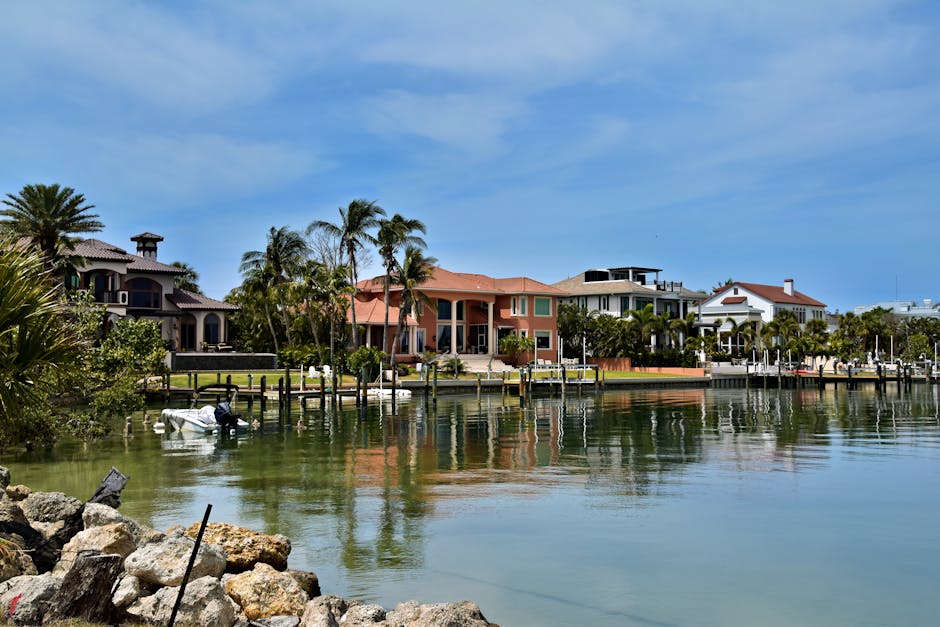
As executives evaluate their options, the competition between established neighborhoods in South Tampa and the emerging executive hubs in nearby St. Petersburg has intensified. Market reports indicate that the decision-making process for these buyers is heavily influenced by proximity to corporate headquarters and the availability of private aviation facilities. For instance, the business community has noted that many leaders are prioritizing areas that offer a seamless transition between professional requirements and high-end residential privacy. You can track these movements through the lens of local business shifts, such as why executives keep choosing St. Pete while maintaining significant interests across the bay.
This influx of professional talent has directly impacted the absorption rate of properties priced above the $2,000,000 mark. With a current median list price sitting at $2,300,000, the market is no longer driven by speculative investment but by end-user demand from families and individuals seeking long-term stability. The result is a more resilient pricing floor that resists the volatility often seen in more saturated Florida markets. For those evaluating the current landscape, browsing the latest LISTINGS URL provides a clear picture of the architectural diversity currently available to this new wave of residents.
Market Maturity and the Luxury Condo Cycle
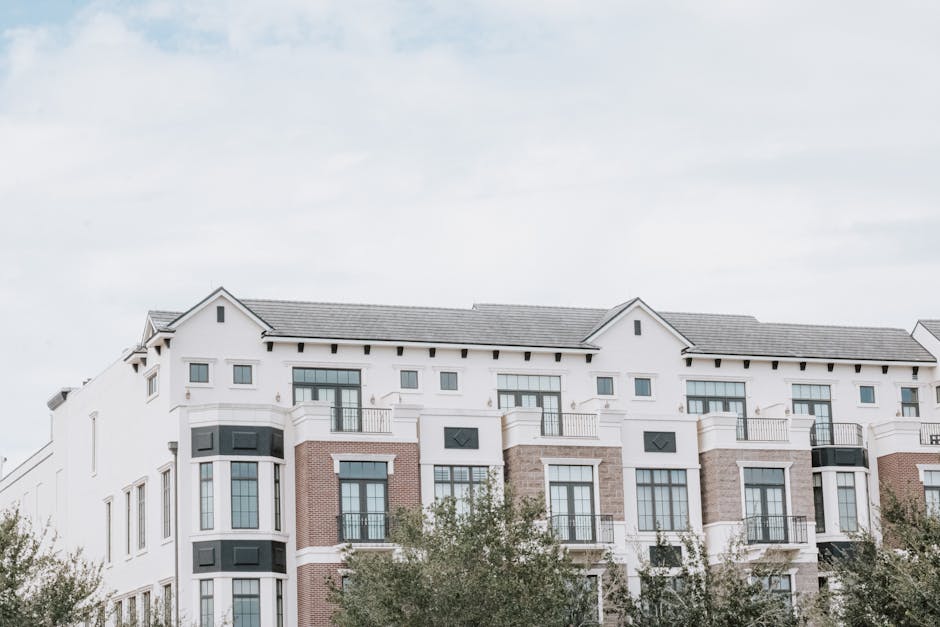
While single-family residences on Davis Islands and in Hyde Park remain the standard-bearers for Tampa luxury, the vertical living sector is reaching a state of maturity. Analysts have pointed out that Tampa remains in an early-stage luxury condo market compared to South Florida, which presents a unique window for acquisition before the next phase of price appreciation. The current inventory includes high-profile developments that emphasize service-heavy environments, catering to a buyer profile that values time-efficiency and security above sprawling acreage. This transition is essential for the region to accommodate the density required by its growing professional class.
The maturity of the condo market is also evidenced by the shift in buyer expectations. We are seeing a move away from standard luxury finishes toward highly customized, boutique offerings. Buyers are now scrutinizing the long-term viability of homeowners’ associations and the quality of developer track records. This level of scrutiny is a hallmark of a healthy, maturing market where buyers are informed and selective. Industry insights from Tampa Bay Business & Wealth confirm that the vertical market is still in its foundational years, offering significant room for structural growth in the coming decade.
For the sophisticated buyer, the choice between a historic South Tampa estate and a modern high-rise in Water Street often comes down to the intended use of the property. Those who split time between multiple global residences are increasingly favoring the lock-and-leave capability of the newer luxury towers. Conversely, the demand for land in areas like Beach Park remains high, as waterfront inventory continues to be the rarest commodity in the regional portfolio. Understanding these nuances is critical for any portfolio strategy, and speaking with a CONTACT URL advisor can help clarify which asset class aligns with your specific goals.
Breaking the Price Ceiling and Valuation Metrics
The valuation landscape in Tampa has seen a dramatic shift in its upper limits. While the previous price record for a residential sale stood at $22.5 million, the market is currently testing much higher thresholds. The introduction of properties with asking prices exceeding $100 million signals a new era for the region, placing it on a trajectory to compete with traditional global luxury hubs. This expansion of the price ceiling is a direct result of the limited availability of expansive, contiguous waterfront parcels and the increasing cost of high-grade construction materials and labor.
Assessing value at this tier requires a departure from traditional comparable sales analysis. Buyers are increasingly looking at replacement costs and the rarity of specific geographic positions. For example, a property on Bayshore Boulevard carries a premium not just for its square footage, but for its permanent, unobstructed views and historical significance. The Wall Street Journal recently highlighted a massive estate asking $115 million, underscoring the newfound confidence developers and owners have in the Tampa market’s ability to support eight and nine-figure transactions.
However, it is vital to distinguish between aspirational pricing and realized value. While the average list price in the luxury segment is approximately $3,117,232, the most successful transactions are those that align with clear market demand for privacy, security, and architectural integrity. Documentation of Tampa Bay’s most expensive luxury home sales of 2025 reveals that the most resilient properties are those located in established enclaves where inventory is consistently low. Buyers at this level are advised to look beyond the list price and evaluate the underlying asset value in the context of long-term regional growth.
The High-Net-Worth Due Diligence Checklist
Successful acquisition in the current market requires a rigorous approach to due diligence that goes beyond the standard inspection. As the complexity of luxury properties increases, so does the need for specialized verification of systems and legal structures. We recommend the following focus areas for any prospective buyer in the Tampa luxury tier:
- Verify the structural integrity and elevation certificates for waterfront properties, especially those built prior to current coastal construction standards.
- Analyze the historical assessment and tax implications of significant improvements to ensure future carry costs are accurately projected.
- Review the specific land use and zoning protections for adjacent parcels to safeguard against future obstructions of views or privacy.
- Examine the developer’s warranty and the financial health of the homeowners’ association for all new construction and condo projects.
- Confirm the functionality and integration of high-end home automation systems, which often require specialized maintenance contracts.
- Assess the feasibility of private security enhancements, such as gated entries or perimeter monitoring, within the context of local neighborhood ordinances.
Neighborhood-Specific Dynamics and Buyer Behavior
The Tampa luxury market is not a monolith; it is a collection of distinct micro-markets, each with its own set of drivers. In South Tampa, the demand is heavily influenced by the quality of school districts and the walkability to local lifestyle hubs like Hyde Park Village. Conversely, on Davis Islands, the draw is the proximity to the airport and the deep-water access that accommodates larger vessels. Understanding these subtle differences is essential for matching a property with a buyer’s specific lifestyle requirements. We are seeing a move toward “compound living,” where buyers acquire multiple adjacent lots to create larger, more private estates within these traditional neighborhoods.
Buyer behavior is also shifting toward a preference for turn-key, fully renovated properties. The “renovation fatigue” seen in many markets is present here as well; buyers are often willing to pay a premium to avoid the multi-year timelines associated with custom builds or major renovations. This has created a surge in demand for recently completed speculative builds in areas like Beach Park and Culbreath Isles. According to Florida Trend, the real estate sector in the state continues to prioritize high-spec finishes to meet this immediate-move-in demand.
Furthermore, the geographic expansion of luxury is moving northward into areas like Seminole Heights for those seeking larger lots and unique architectural styles like the historic craftsman influence, while still maintaining proximity to the urban core. This diversification of the luxury portfolio allows the market to remain active even when waterfront inventory is constrained. The key for any investor or resident is to identify which micro-market offers the best balance of lifestyle and future liquidity, a task that requires deep local knowledge and analytical insight.
The Impact of Community Infrastructure and Events
Luxury real estate does not exist in a vacuum; it is supported by the surrounding culture and infrastructure. Tampa’s investment in its public spaces, professional sports, and high-profile events has a direct correlation with property values. The city’s ability to host major national events, such as the upcoming WWE Memorial Day weekend takeover, demonstrates its capacity to manage global attention and provide the level of service expected by affluent visitors and residents alike. These events foster a sense of community and reinforce the city’s status as a top-tier destination.
Infrastructure improvements, including the expansion of the Riverwalk and the development of the Midtown and Water Street districts, have created new anchor points for luxury development. These projects provide more than just aesthetic value; they offer the functional amenities—such as high-end dining, retail, and healthcare—that high-net-worth individuals require. The concentration of these amenities in specific corridors has led to a noticeable appreciation in surrounding residential values. Analysts observe that property owners in these vicinities benefit from increased demand as the city becomes more interconnected and accessible.
Additionally, the focus on family-oriented programming and youth initiatives by city leaders and local philanthropists ensures that Tampa remains an attractive place for the next generation of wealth. This long-term view of community health is a vital component of real estate stability. When a city invests in its youth and public safety, it creates an environment where long-term residential investment is viewed as a safe and productive use of capital. For those looking to integrate into the Tampa community, understanding these social and structural pillars is as important as the physical inspection of a potential home.
Strategic Entry Points and Decision Frameworks
Entering the Tampa luxury market in the current cycle requires a strategic mindset that balances immediate needs with long-term regional trends. With 120 active luxury listings, the selection is diverse, but the most desirable properties often move before they reach the public market. For buyers, the priority should be on securing a position in neighborhoods with high historical appreciation and limited future development potential. For sellers, the focus should be on presenting a property that meets the “turn-key” expectations of the current executive buyer profile, emphasizing modern systems and privacy.
Deciding between a new construction project and a legacy estate involves weighing the benefits of modern efficiency against the inherent value of prime locations. In many cases, the most successful acquisitions are those where the buyer identifies a property with sound structural bones in a premium location that can be updated to contemporary standards. This approach often leads to the highest equity growth, as it captures the value of both the land and the improved asset. Navigating these choices requires a data-backed approach and a clear understanding of the local market’s trajectory over the next five to ten years.
As you consider your next move in the Tampa luxury landscape, we invite you to leverage our local expertise and analytical resources. Whether you are looking to acquire a primary residence, a seasonal retreat, or a strategic investment property, our team is positioned to provide the guidance necessary to make an informed decision. Browse our current LISTINGS URL to identify potential opportunities, and then CONTACT URL an advisor to begin a tailored search that aligns with your specific criteria and financial objectives. Our goal is to ensure that your entry into the Tampa market is both seamless and strategically sound.
Your next move in Tampa luxury
Get current inventory, pricing guidance, and private-tour support from our brokerage team.
Source highlights
- Tampa Bay’s most expensive luxury home sales of 2025 – Tampa Bay Times
- Tampa’s Price Record Is $22.5 Million. This Huge Estate Is Asking $115 Million. – WSJ
- Column: Why executives keep choosing St. Pete – The Business Journals
- Why Tampa remains an early-stage luxury condo market – Tampa Bay Business & Wealth
- Florida Trend Real Estate – Florida Trend
- New Signature Real Estate Team Emerges Across Tampa Bay: The Nick Janovsky Group Launches with Premier Sotheby’s International Realty – citybiz
- Tampa leaders, WWE star Titus O’Neil promote alternative event for young people amid 'teen takeover' trend – FOX 13 Tampa Bay
- Things to do with kids this weekend in Tampa, FL – That's So Tampa
