



The Current State of Tampa’s High-End Inventory
The Tampa luxury real estate sector in 2026 reflects a market that has transitioned from regional growth to a stabilized, high-value destination for national capital. Current data indicates a median list price of $2,300,000 across the luxury tier, with the average listing price climbing toward $3,127,691. This pricing structure suggests a significant concentration of ultra-high-net-worth assets, particularly in established waterfront and historic corridors. With approximately 120 active luxury properties currently available, buyers have a refined selection, though competition remains high for turnkey estates that meet modern architectural standards.
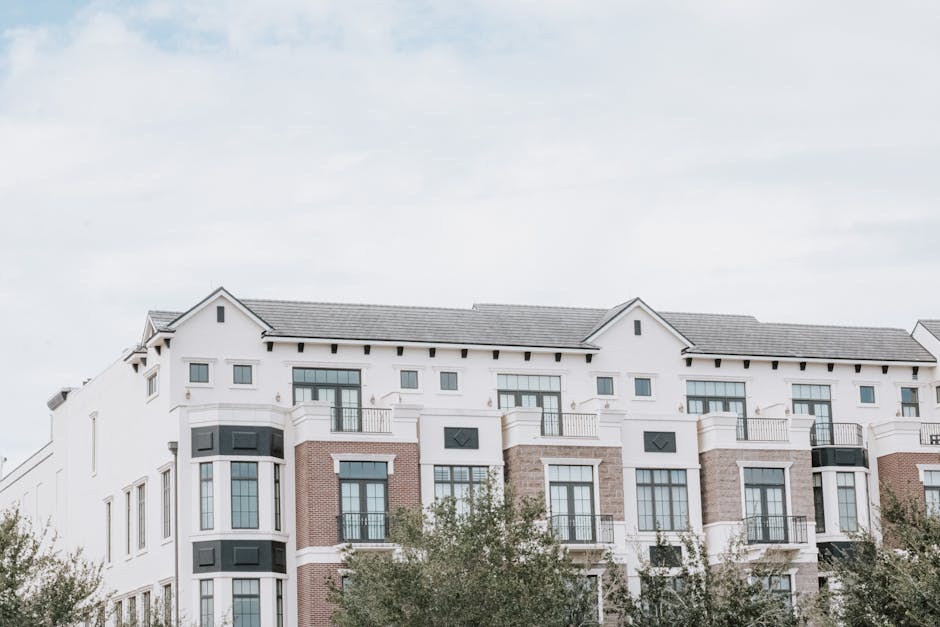
Market velocity has shifted from the frantic pace of previous years to a more measured, analytical environment. Sophisticated buyers are now prioritizing long-term value retention over immediate acquisition, leading to longer due diligence periods and more rigorous property evaluations. We are seeing a particular interest in diverse property types, ranging from traditional residential estates to unique land opportunities and commercial sales that offer mixed-use potential. This diversification is a hallmark of a maturing market where land scarcity in prime neighborhoods is driving redevelopment and high-value custom builds.
Neighborhood Dynamics and Value Concentration
Valuation patterns in South Tampa remain anchored by the enduring appeal of Davis Islands and Hyde Park. However, we are observing a strategic shift toward Sunset Park and Culbreath Isles, where larger lot sizes allow for the expansive floor plans that modern executive lifestyles require. The South Tampa region continues to command the highest price-per-square-foot, driven by proximity to the central business district and the prestigious school districts. Buyers in these areas are increasingly focused on elevation and structural resilience, factors that have become non-negotiable in the current climate.

Secondary luxury markets are also emerging with significant momentum. The corridor near North Florida Avenue and Grady Avenue is seeing a revitalization of high-end residential projects, often blending modern aesthetics with the area’s existing character. These ‘inland luxury’ pockets offer a different value proposition, focusing on privacy and acreage rather than strictly waterfront views. For those looking at the broader luxury homes for sale, the choice between historic charm in Hyde Park and the expansive estates of North Tampa requires a nuanced understanding of local lifestyle trade-offs and future infrastructure developments.
The Executive Migration and Corporate Influence
Tampa continues to benefit from a sustained influx of high-level executives and business owners, many of whom are relocating their primary residences alongside corporate expansions. While some executives are exploring options across the bay, as noted in recent reports on why executives choose St. Pete, Tampa remains the primary choice for those requiring direct access to the city’s financial and legal hubs. This corporate migration is not merely about a change of scenery; it is a strategic move to a more favorable business environment and a higher quality of life.
This demographic shift is altering the demand for specific home features. Home offices are no longer an afterthought; they are now designed as full-scale executive suites with integrated technology and separate entrances. Similarly, the demand for high-capacity networking and smart-home automation has moved from luxury add-on to standard requirement. The presence of new, high-end real estate teams, such as the Nick Janovsky Group, underscores the need for specialized representation that understands the complexities of these high-stakes transactions.
Essential Verification Steps for Luxury Acquisitions
In a market where average sales prices exceed $3 million, the cost of an oversight during the acquisition phase can be substantial. Verification is the most critical stage of the buyer’s journey, and it must go beyond a standard home inspection. Analytical buyers are now employing a team of specialists to vet every aspect of a property, from soil stability to the long-term viability of neighboring developments. This disciplined approach ensures that the asset will perform well both as a residence and as a part of a broader investment portfolio.
To assist our clients in this process, we recommend the following verification checklist for any high-end Tampa acquisition:
- Confirm current flood zone designations and elevation certificates to determine long-term insurance obligations.
- Audit all HOA or neighborhood association covenants for restrictions on architectural modifications or short-term usage.
- Conduct a specialized HVAC and building envelope inspection to ensure the property can withstand Florida’s climate demands.
- Verify the status of all building permits for any historical renovations or recent additions to avoid title complications.
- Evaluate the proximity to planned infrastructure projects that could impact noise levels or traffic patterns in the coming decade.
By following these steps, buyers can navigate the complexities of the March 2026 luxury market with confidence. This level of diligence is what separates a successful acquisition from a problematic investment, especially in a market with such a high concentration of bespoke properties.
The Evolution of the Tampa Luxury Condo Market
The high-rise segment of the market is undergoing a significant transformation. Historically, Tampa was viewed as a traditional single-family home market, but it is now being recognized as an early-stage luxury condo market with immense upside. New developments along the Water Street corridor and Bayshore Boulevard are offering amenities that were previously unavailable in the region, such as private concierge services, rooftop wellness centers, and climate-controlled automotive storage.
This shift is particularly attractive to the ‘lock-and-leave’ buyer—executives and seasonal residents who prioritize security and convenience without sacrificing square footage. These vertical estates are often larger than traditional suburban homes, offering expansive terraces and panoramic views of Hillsborough Bay. For many, the choice between a historic South Tampa estate and a modern high-rise is a matter of lifestyle preference, but both segments currently show strong demand and limited supply. This balance of diverse inventory is a key indicator of the market’s overall health and its ability to cater to different segments of the affluent population.
Market Velocity and Negotiation Strategies
Negotiation in the 2026 luxury market requires a different toolkit than in previous years. While the ‘bidding war’ era has largely subsided for all but the most unique properties, the market remains firm on pricing for high-quality assets. Sellers are often well-capitalized and under no pressure to liquidate, leading to a stalemate if buyers approach the transaction with unrealistic expectations. Success in this environment is found through structured offers that address the seller’s specific needs, such as flexible closing timelines or post-occupancy agreements.
Understanding the nuance of local market movement is essential. For instance, the Florida Trend Real Estate reports highlight how regional economic factors, such as insurance reform and interest rate stabilization, are influencing buyer behavior. A well-informed advisor can use this data to build a compelling case for a specific valuation, ensuring that the client is protected while still remaining competitive. It is no longer enough to look at comparable sales; one must look at the replacement cost of the land and the architectural value of the improvements.
The Long-Term Economic Trajectory of Tampa
Looking ahead, the economic fundamentals of Tampa suggest a continued upward trajectory for the luxury real estate sector. The city’s ongoing investment in infrastructure, combined with its burgeoning tech and medical sectors, provides a solid foundation for property value appreciation. The most expensive sales of recent years are not outliers; they are indicators of a new baseline for high-end properties in the region. Buyers who enter the market now are doing so at a point where the city’s identity as a premier luxury destination is fully established but still has room for significant growth.
As you evaluate your position in the current market, it is vital to have an advocate who understands the neighborhood-level nuances that define Tampa. Whether you are looking for a historic renovation in Hyde Park or a modern waterfront estate on Davis Islands, our team provides the analytical insight and local expertise required for high-stakes acquisitions. To explore our curated selection of available properties, please browse our listings or contact an advisor to discuss your specific requirements and begin a tailored search for your next investment.
Your next move in Tampa luxury
Get current inventory, pricing guidance, and private-tour support from our brokerage team.
Source highlights
- Tampa Bay’s most expensive luxury home sales of 2025 – Tampa Bay Times
- Column: Why executives keep choosing St. Pete – The Business Journals
- Why Tampa remains an early-stage luxury condo market – Tampa Bay Business & Wealth
- Florida Trend Real Estate – Florida Trend
- New Signature Real Estate Team Emerges Across Tampa Bay: The Nick Janovsky Group Launches with Premier Sotheby’s International Realty – citybiz
- Luxury Real Estate Market Report — March 2026 – Haute Living
- Things To Do In Tampa This Weekend: Fun Festivals & Events In Tampa This Weekend – That's So Tampa
- Tampa weekend events: Concerts, festivals and downtown family fun — What to know before you go – FOX 13 Tampa Bay
