


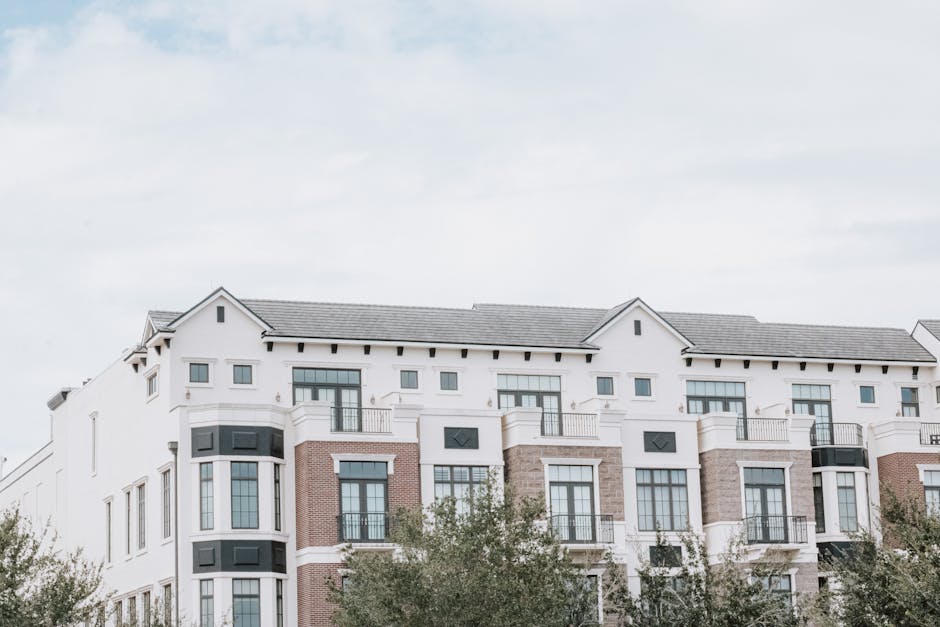
The 2026 Luxury Landscape: Inventory and Entry Points
As we navigate the second quarter of 2026, the Tampa luxury real estate market demonstrates a calculated stability. Current data indicates a median list price of approximately $2,300,000 for high-end residential assets. This figure serves as a definitive baseline for entry into the region’s most coveted enclaves, such as Davis Islands and Hyde Park. With an active luxury inventory of 120 properties, buyers currently face a selection that is curated rather than saturated, necessitating a precise approach to valuation and site selection.

The average list price for premium properties now hovers near $3,127,000, reflecting a significant concentration of value in waterfront estates and modernized historical residences. Unlike the volatile cycles observed in previous years, the current environment is characterized by disciplined pricing and sophisticated buyer profiles. For those evaluating the current stock of luxury homes for sale, the focus has shifted from rapid appreciation toward long-term asset preservation and qualitative architectural merit.
Recent market movements suggest that properties priced between $1,500,000 and $2,900,000 are moving with the highest velocity. For instance, transitional assets in areas like Seminole Heights or along the Florida Avenue corridor—such as recent listings near $2,200,000—indicate a broadening of the luxury footprint. These micro-markets offer a different value proposition compared to the established corridors of South Tampa, attracting a demographic that prioritizes lot size and custom builds over traditional waterfront proximity.
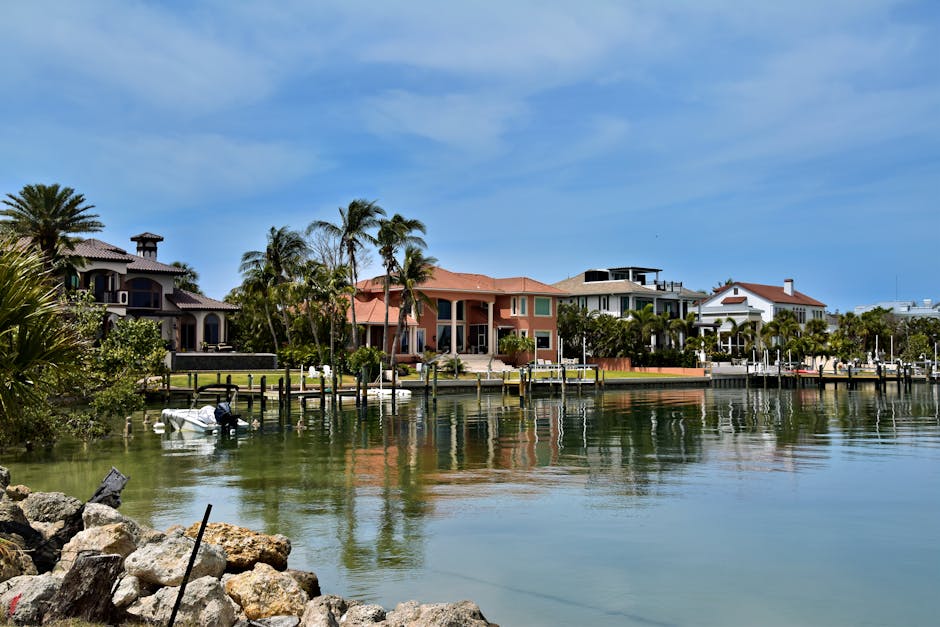
The Maturation of the High-Rise Condo Market
A pivotal shift in the local ecosystem is the transition of the condo market from an “early-stage” speculative phase to a mature, high-demand sector. Recent analysis from Tampa Bay Business & Wealth underscores this evolution, noting that the luxury condo inventory is no longer just an alternative to single-family homes but a primary choice for global executives. The delivery of several flagship towers along Water Street and the Bayshore corridor has provided the density and service level required by the most discerning international buyers.
According to the Haute Living Luxury Real Estate Market Report for March 2026, the demand for vertical living is driven by a desire for turnkey security and integrated wellness amenities. Buyers are increasingly prioritizing buildings that offer 24-hour concierge services, private elevators, and advanced environmental filtration systems. This flight to quality has created a pricing floor in the condo sector that frequently exceeds $1,200 per square foot in premier locations.
For investors, the maturation of this market segment represents a reduction in delivery risk. The successful completion and occupancy of major projects have validated the appetite for high-density luxury. When comparing high-rise assets to traditional estates, the decision often hinges on the trade-off between the expansive privacy of a Davis Islands lot and the frictionless lifestyle of a managed penthouse. Both options currently show strong resilience in the face of broader macroeconomic shifts.
Executive Migration and the St. Petersburg Influence
The regional luxury story is incomplete without acknowledging the influx of corporate leadership. High-level executives are increasingly choosing the Tampa Bay region as their primary residence, citing the favorable tax environment and the burgeoning tech and financial services sectors. Interestingly, the draw extends across the bay, as noted by The Business Journals, which highlights why St. Petersburg remains a top choice for C-suite professionals looking for a blend of urban walkability and coastal access.
This cross-bay movement has created a unified luxury corridor. A buyer might evaluate a $2,900,000 commercial-residential hybrid asset on Dr. Martin Luther King Jr. Boulevard in Tampa while simultaneously considering a waterfront contemporary in Snell Isle. This regional fluidity necessitates an advisor who understands the commute patterns, private school districts, and social infrastructure of both sides of the bay. The decision-making process for these buyers is rarely localized to a single neighborhood; it is a holistic lifestyle choice based on regional connectivity.
Furthermore, the emergence of new specialized real estate teams, such as those discussed in citybiz, reflects the need for higher service standards. These groups are focusing on high-net-worth individuals who require discretion and data-backed guidance rather than traditional marketing. The emphasis is on the “analytical brief”—providing the data necessary to justify a $5,000,000+ acquisition in a competitive market.
The 2026 Acquisition Checklist: Verifying Value
When evaluating a property in the current $2,300,000 to $4,000,000 range, a standard inspection is insufficient. Buyers must look deeper into the structural and legal nuances that define long-term viability in Florida’s coastal environment. The following checklist outlines the essential points of verification for any luxury acquisition in the Tampa market this season:
- Elevation and Insurance: Verify the finished floor elevation relative to the latest FEMA maps and assess the impact on long-term flood insurance premiums.
- Smart Infrastructure: Ensure the property features integrated, hard-wired automation systems rather than consumer-grade wireless solutions.
- Climate Resilience: Confirm the presence of impact-rated glazing and secondary water barriers on roofing systems, essential for the May-to-November weather patterns.
- Market Comps: Compare the subject property against recent off-market sales, which often account for a significant portion of the $3M+ segment.
- Neighborhood Covenants: Review specific deed restrictions in areas like Culbreath Isles or Beach Park that may limit future expansions or architectural changes.
Following these steps ensures that the acquisition is treated as a strategic investment. In a market where the median price is over $2 million, the cost of overlooking a technical detail can be substantial. Successful buyers in 2026 are those who prioritize these empirical checks over the aesthetic appeal of a staging package.
Timing the Market: Seasonal Dynamics and Local Sentiment
The timing of an acquisition in Tampa often aligns with the region’s social and climatic calendar. As we move through May 2026, temperatures are consistently in the mid-80s to low 90s, marking the start of the more humid summer cycle. This period often sees a subtle shift in market activity as seasonal residents depart and local buyers take advantage of a slightly less crowded field. Understanding these rhythms is key to identifying windows of opportunity where negotiation leverage might increase.
Local culture also plays a role in property desirability. Events such as the festivals highlighted by That’s So Tampa contribute to the “live-work-play” narrative that drives value in downtown and Hyde Park. For many buyers, the proximity to these cultural hubs is a non-negotiable requirement. The ability to access world-class dining and events within a ten-minute radius is a primary driver for the sustained demand in South Tampa’s core.
Moreover, the broader economic outlook provided by sources like Florida Trend suggests that the state’s real estate sector remains a primary engine of growth. While interest rates and global policy shifts are always factors, the localized demand for the Florida lifestyle—and Tampa’s specific brand of it—continues to outpace supply in the high-end segment. This creates a persistent upward pressure on prices for unique, high-quality assets.
Strategic Decision-Making for the Affluent Buyer
Ultimately, the choice of a luxury home in Tampa is an exercise in identifying arbitrage between price and value. While a $1,550,000 listing in Grady Avenue might offer modern construction and efficient design, it serves a different strategic purpose than a $3,500,000 estate on the open water. Buyers must define their primary objective: is it the prestige of a Bayshore address, the privacy of a gated Westchase community, or the historical charm of Old Hyde Park? Each of these sub-markets operates under its own set of micro-economic rules.
Decision-useful guidance in 2026 focuses on the longevity of the asset. This includes analyzing the neighborhood’s master plan, potential for nearby commercial development, and the historical performance of the specific builder. With 120 properties to choose from, there is no need to settle for an asset with significant compromises. The current market rewards patience and a data-driven approach, allowing buyers to secure residences that will remain relevant for decades.
As the regional landscape continues to evolve, staying informed through authoritative sources and local market intelligence is paramount. The 2026 market is sophisticated, and the advisors who thrive within it are those who provide more than just access—they provide insight. Navigating the complexities of high-end acquisitions requires a partner who understands the nuance of a contract as well as the nuance of a neighborhood’s future.
Securing a position in Tampa’s luxury market requires a combination of timely data and local expertise. Whether your focus is on the maturation of high-rise developments or the enduring value of a South Tampa estate, professional guidance is the key to a successful acquisition. To explore the current inventory and receive a tailored analysis of the market’s latest movements, browse our exclusive luxury homes for sale and contact an advisor to schedule a private consultation regarding your portfolio goals.
Your next move in Tampa luxury
Get current inventory, pricing guidance, and private-tour support from our brokerage team.
Source highlights
- Tampa Bay’s most expensive luxury home sales of 2025 – Tampa Bay Times
- Column: Why executives keep choosing St. Pete – The Business Journals
- Why Tampa remains an early-stage luxury condo market – Tampa Bay Business & Wealth
- Florida Trend Real Estate – Florida Trend
- New Signature Real Estate Team Emerges Across Tampa Bay: The Nick Janovsky Group Launches with Premier Sotheby’s International Realty – citybiz
- Luxury Real Estate Market Report — March 2026 – Haute Living
- Things To Do In Tampa This Weekend: Fun Festivals & Events In Tampa This Weekend – That's So Tampa
- Tampa weekend events: Vintage market, murder mystery dinner and more – MSN
