


The 2026 Tampa Luxury Landscape: A Structural Shift
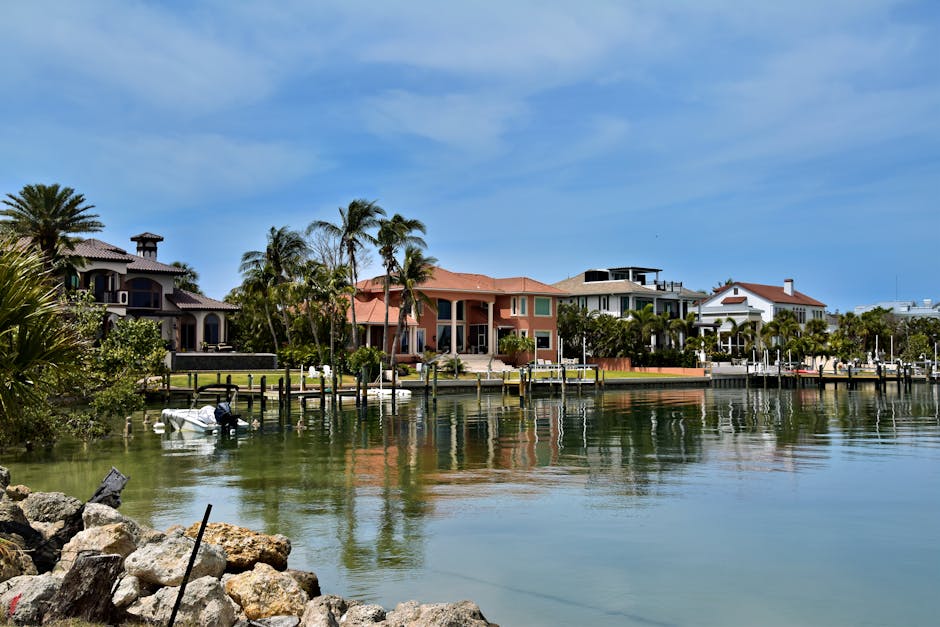
The Tampa luxury real estate sector has transitioned from a high-growth speculative market into a stabilized primary-residence destination for high-net-worth individuals. As of May 2026, the market maintains a focused inventory of 120 active luxury listings, with a median list price established at $2,300,000. This pricing floor reflects a deliberate calibration by sellers who recognize that today’s buyers prioritize long-term utility and architectural integrity over rapid turnover potential. The average list price currently sits at $3,126,055, driven by a cluster of ultra-high-end assets that challenge historical valuation ceilings.
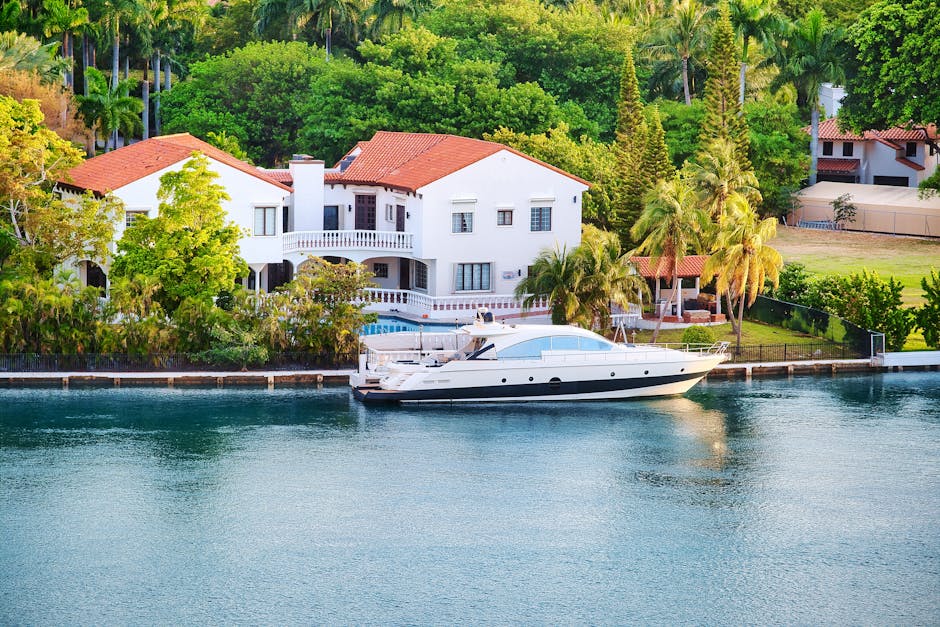
Buyer behavior in areas like Davis Islands and Hyde Park now mirrors that of established global hubs. Acquisitions are increasingly motivated by corporate relocation and the desire for tax-efficient primary residency rather than seasonal usage. This shift is substantiated by the increasing demand for properties with integrated home-office suites, advanced security perimeters, and multi-generational living spaces. While inventory remains relatively tight, the quality of available assets has improved, as developers pivot toward bespoke, high-performance builds rather than mass-market luxury templates.
For advisors and principals navigating this environment, the focus has shifted from mere availability to the granular details of neighborhood-level movement. The velocity of the market is no longer dictated by frantic bidding but by a more calculated evaluation of a property’s position within the local infrastructure. Discerning buyers are looking closely at proximity to the growing business districts in downtown Tampa and the refined commercial corridors of the Westshore area, ensuring their residential investment aligns with the city’s long-term economic trajectory.
The Evolution of Waterfront as a Primary Market
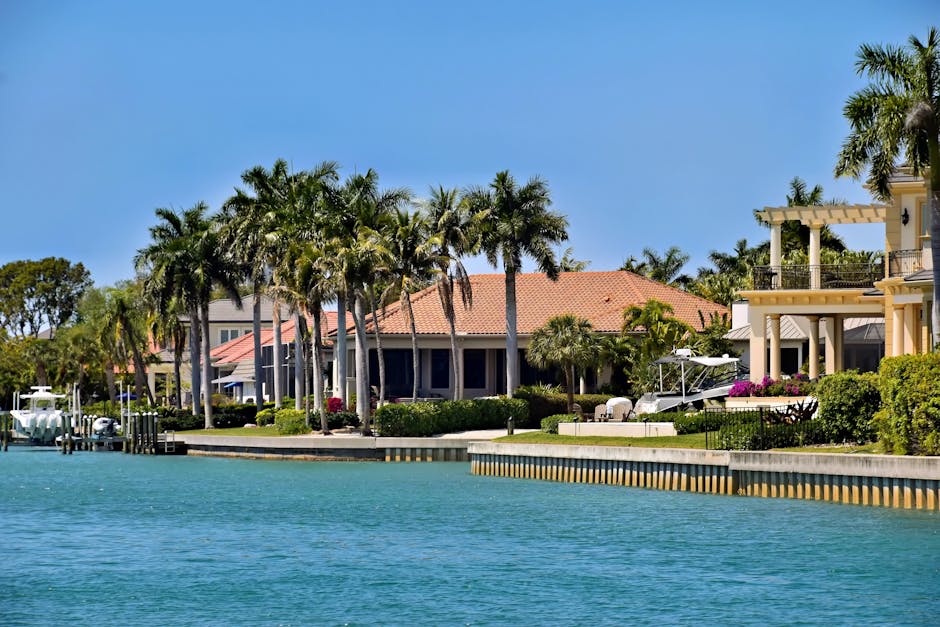
Tampa’s waterfront has officially emerged as a primary luxury real estate market, moving beyond its traditional role as a secondary or vacation destination. This evolution is detailed in recent analysis by The National Law Review, which highlights the legal and structural frameworks supporting this growth. The concentration of wealth along Bayshore Boulevard and the surrounding coastal inlets is no longer a seasonal phenomenon; it is the cornerstone of the region’s residential economy. The permanence of this market is driven by substantial private and public investment in coastal resilience and lifestyle infrastructure.
The valuation of waterfront assets is currently dictated by more than just a view. Buyers are scrutinizing riparian rights, dockage depth, and the specific engineering of sea walls and elevation levels. In the current 2026 climate, properties that offer deep-water access for larger vessels continue to command a significant premium, often trading at 40% to 60% above non-waterfront equivalents in the same neighborhoods. This disparity is expected to widen as the scarcity of prime coastal land becomes a more pressing factor in the acquisition process.
Strategic buyers are also looking at the ‘second-tier’ waterfront—properties situated on canals or protected bays rather than open water. These locations often provide better protection from the elements while still offering the lifestyle benefits associated with coastal living. As the market matures, the ability to differentiate between these various waterfront types becomes essential for accurate valuation. Advisors suggest that understanding the specific navigation and maintenance requirements of each inlet is as critical as the home inspection itself.
Evaluating Price Records and Market Depth
The Tampa market recently reached a significant psychological milestone with the listing of a massive estate seeking a record-shattering valuation. According to reporting by the Wall Street Journal, while the current price record stands at $22.5 million, new entries are asking significantly more, including one estate positioned at $115 million. This massive delta between established records and new asking prices indicates a high level of confidence in the ‘top-of-market’ segment, though it also requires a more rigorous approach to appraisal and comparable analysis.
This upward pressure at the ultra-high end has a halo effect on the broader luxury segment. When a property is positioned above $20 million, it recontextualizes the $5 million to $10 million range as high-value, relatively low-risk territory for many affluent buyers. This is evident in the current movement of properties like 718-722 W Dr Martin Luther King Jr Boulevard, which is listed near $2.9 million, reflecting the robust pricing for well-located commercial-residential hybrid opportunities. The depth of the market is being tested by these outliers, but the underlying demand for quality remains consistent.
However, the existence of such high-priced listings does not mean the market is immune to price discovery. Buyers in the $2 million to $5 million range are still highly sensitive to condition and site-specific advantages. A property like 5010 N Grady Avenue, listed at $1,550,000, demonstrates the competitive nature of the ‘entry-level’ luxury market, where modern finishes and functional layouts are non-negotiable. Advisors must manage expectations by distinguishing between speculative ‘trophy’ pricing and the realistic market value of established residential assets.
Strategic Due Diligence for High-Value Acquisitions
In a market where the average list price exceeds $3 million, the due diligence process must be exhaustive and analytical. The standard inspection is no longer sufficient for complex luxury estates that involve sophisticated smart-home systems, custom marine construction, and advanced environmental mitigation. Buyers should approach every transaction as a business acquisition, requiring a team of specialists to verify every claim made during the marketing phase. This methodical approach ensures that the investment is protected against both physical and legal liabilities.
- Verify the structural integrity and remaining lifespan of sea walls and marine decking.
- Conduct a full audit of integrated smart-home technology and security infrastructure.
- Analyze neighborhood-specific zoning changes and potential commercial developments.
- Evaluate historical flood data and modern mitigation improvements to the property.
- Verify riparian rights and any deed restrictions related to view corridors or dockage.
- Review the maintenance history of high-capacity HVAC and pool filtration systems.
Beyond the physical structure, understanding the neighborhood’s social and economic trajectory is vital. For example, buyers in Harbour Island or Davis Islands should be aware of the ongoing developments in the Water Street district, as these projects directly impact local traffic patterns and property desirability. The integration of residential living with high-end commercial amenities is a major driver of value, and the long-term success of these nearby developments should be factored into the purchase price. Consulting with a local advisor who has a granular understanding of these moving parts is a prerequisite for a successful close.
The Impact of Mortgage Trends and New Supply
Financial dynamics continue to play a subtle but important role in the luxury sector. Mortgage rates have recently fallen to approximately 6.09%, a movement that has begun to unlock more inventory and encourage transaction volume. As noted by Tampa Bay Business & Wealth, this decline coincides with a surge in new construction that is helping to lift the overall supply of premium homes. While high-net-worth buyers often use cash for acquisitions, the broader interest rate environment still influences their overall portfolio strategy and the financing of large-scale renovations.
New construction is particularly impactful in established neighborhoods like South Tampa, where older inventory is being replaced by modern, high-spec residences. These new builds are setting a new standard for luxury, featuring higher ceilings, open floor plans, and more resilient materials than the Mediterranean-style homes of the previous decade. The influx of this new supply provides buyers with more options but also requires them to carefully compare the value of ‘new’ versus the character and location advantages of older, renovated estates. The decision often comes down to the buyer’s tolerance for immediate maintenance versus their desire for a turnkey experience.
The availability of land remains the primary constraint on new supply. This scarcity keeps land values high, as seen in recent listings where the plot itself carries the majority of the valuation. For those looking to build custom, the timeline for permitting and construction must be factored into the 2026 market outlook. Many buyers are opting for recently completed projects to avoid the two-to-three-year lead time associated with new custom builds, further driving the demand for immediate-occupancy luxury inventory.
Regional Connectivity: The St. Petersburg Executive Migration
The luxury real estate story in the region is not limited to Tampa alone. A significant trend involves high-level executives choosing to relocate to St. Petersburg, a move that is reshaping the regional distribution of wealth. An analysis in The Business Journals explores why leadership teams are increasingly favoring the Pinellas County side of the bay. This migration is driven by a combination of corporate tax incentives, a highly walkable downtown core, and a growing cluster of financial and tech firms that have established a permanent presence in the area.
This executive migration has created a robust secondary luxury market that competes directly with Tampa’s top neighborhoods. Areas like Snell Isle and Old Northeast are seeing price appreciation that rivals South Tampa, as buyers look for a different aesthetic and lifestyle. The connectivity between the two cities via the Gandy and Howard Frankland bridges is a critical factor for many families who may live in one city while working or attending school in the other. This cross-bay fluidity is a defining characteristic of the 2026 regional market.
As executives continue to plant roots in St. Petersburg, the demand for high-end amenities follows. This includes private social clubs, boutique wellness centers, and premium dining options, all of which contribute to the underlying property values. For a luxury buyer, the choice between Tampa and St. Pete often comes down to the specific ‘vibe’ of the downtown districts and the proximity to their respective professional networks. Both cities now offer world-class residential options that satisfy the requirements of the most demanding global citizens.
Lifestyle Integration and Strategic Decision-Making
Buying into the Tampa luxury market is as much about lifestyle integration as it is about real estate. The region’s cultural calendar is a significant draw, with high-end events and festivals providing a social framework for the affluent community. For instance, the seasonal rotation of festivals and downtown events, frequently updated by That’s So Tampa, offers a glimpse into the active, outdoor-oriented life that defines the area. From vintage markets to international concert series, the city’s amenities are designed to support a sophisticated, high-energy lifestyle.
The current market movement suggests that buyers are becoming more analytical and less emotional. They are comparing the utility of a home on N Florida Avenue with the prestige of a waterfront estate on Davis Islands, weighing the benefits of space and privacy against the convenience of urban proximity. This level of sophistication requires a corresponding level of expertise from their advisors. Decisions are made based on data, market cycles, and the specific needs of the buyer’s family or corporate office, rather than on the latest design trends or temporary market hype.
To navigate this complex environment effectively, you need an advisor who understands the nuances of the local neighborhoods and the structural health of the market. Whether you are looking for a primary residence or a strategic addition to your portfolio, the right guidance is essential for identifying value and mitigating risk. We invite you to explore the latest opportunities in the market by reviewing our curated LISTINGS URL. For a private consultation on market timing or property valuation, please CONTACT URL to speak with a senior advisor who can provide the data-backed insights required for your next move.
Your next move in Tampa luxury
Get current inventory, pricing guidance, and private-tour support from our brokerage team.
Source highlights
- Tampa’s Price Record Is $22.5 Million. This Huge Estate Is Asking $115 Million. – WSJ
- Column: Why executives keep choosing St. Pete – The Business Journals
- Tampa Bay’s most expensive luxury home sales of 2025 – Tampa Bay Times
- Mortgage rates fall to 6.09% as new construction lifts Tampa supply – Tampa Bay Business & Wealth
- Tampa Bay’s Waterfront Emerges as a Primary Luxury Real Estate Market – The National Law Review
- Luxury Real Estate Market Report — March 2026 – Haute Living
- Things To Do In Tampa This Weekend: Fun Festivals & Events In Tampa This Weekend – That's So Tampa
- Tampa weekend events: Vintage market, murder mystery dinner and more – Axios
