


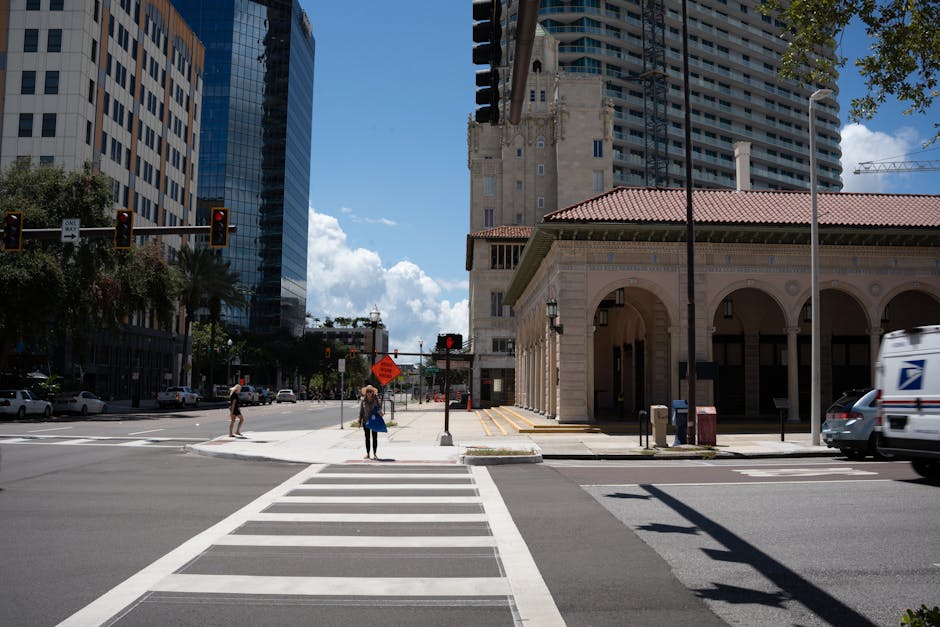
The New Equilibrium in Tampa Luxury Real Estate
The Tampa luxury market has entered a phase of calculated recalibration as we move through 2026. After years of vertical price movement, the current landscape is defined by a significant expansion in inventory and a shift toward buyer-side leverage. With approximately 120 active luxury listings currently available, the market is no longer characterized by the scarcity that defined the early 2020s. This influx of supply, particularly in the high-end residential sector, allows for a more rigorous comparative analysis before capital is committed.
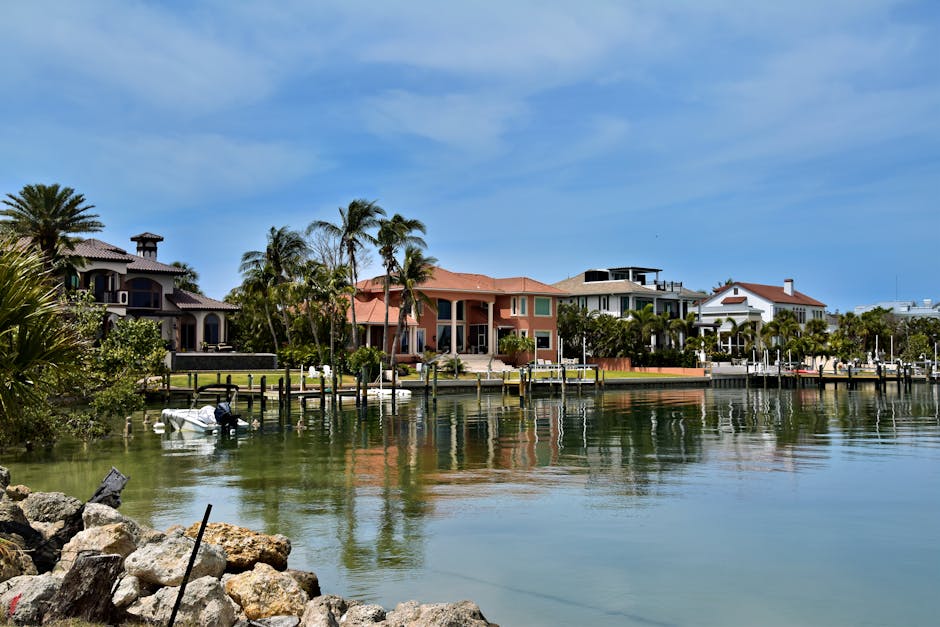
For the sophisticated buyer, the median list price of $2,388,780 serves as a critical benchmark. While the average list price remains higher at $3,147,389, the concentration of value in the mid-two-million range indicates a healthy stabilization. This environment favors the analytical investor who prioritizes long-term retention over speculative gains. The market now rewards those who can distinguish between architectural merit and mere square footage, as the premium for quality has become more pronounced than the premium for location alone.
Market participation is currently bolstered by a favorable shift in financing. Mortgage rates have fallen to 6.09%, a move that has historically served as a catalyst for high-net-worth individuals to leverage debt even when cash remains liquid. This rate adjustment, coupled with a surge in new construction, has created a window where buyers can secure primary residences or secondary estates with more favorable terms than seen in the previous twenty-four months.

Geographic Pivot: Where Value Meets Velocity
While traditional enclaves like Davis Islands and Hyde Park maintain their status as the region’s premier addresses, we are observing a notable shift toward secondary luxury nodes. Areas such as Westshore and the northern corridors of Tampa Heights are seeing substantial investment in high-spec renovations and new builds. For instance, recent activity on North Florida Avenue, where properties are transacting in the $2.2 million range, signals a broadening of the luxury perimeter. These areas offer a different value proposition: larger lot sizes and more modern architectural flexibility compared to the historic constraints of the older waterfront districts.
Buyer behavior in 2026 is increasingly dictated by walkability and proximity to the region’s evolving culinary and cultural hubs. The preference for “urban luxury”—properties that offer the privacy of a single-family home with the connectivity of a high-rise—has led to a surge in demand for townhomes and estates within striking distance of Water Street. This trend is not merely a lifestyle choice but a defense against future market volatility, as highly walkable luxury districts typically exhibit the strongest price floor during economic contractions.
It is also essential to monitor the movement within South Tampa’s interior neighborhoods. The focus has moved from simple acquisition to meticulous customization. Homes on Grady Avenue, transacting around $1.55 million, represent the entry point of the luxury segment where buyers are increasingly investing an additional twenty to thirty percent in post-purchase upgrades. This strategy allows for the creation of a bespoke environment while maintaining a total cost basis that aligns with the neighborhood’s ceiling.
The Executive Shift: Regional Synergy and Migration
The narrative of Tampa’s growth is inextricably linked to the broader regional performance of the Suncoast. We are seeing a unique synergy between Tampa and St. Petersburg, driven by a continuous influx of corporate leadership. Executives increasingly choose St. Pete for its lifestyle amenities while maintaining their professional base in Tampa’s burgeoning financial district. This cross-bay movement has created a unified luxury market where the decision-making process involves comparing the high-rise sophistication of downtown Tampa with the waterfront estates of the Pinellas coast.
This migration is backed by a robust local economy that continues to outperform national averages. The presence of professional sports, high-end retail, and a world-class international airport makes the region a permanent choice for the affluent rather than a seasonal retreat. As wealth migrates from the Northeast and Midwest, the demand for properties that can function as full-time family offices has spiked. Buyers are no longer looking for just a residence; they are looking for a secure, high-tech infrastructure that supports global business operations from a residential setting.
The integration of professional and personal life is further evidenced by the types of events drawing the luxury buyer’s attention. From vintage markets to high-end murder mystery dinners, the social calendar reflects a sophisticated, diverse population. This cultural maturity is a primary driver for the long-term appreciation of real estate, as it transforms a city from a temporary destination into a permanent home base for the global elite.
Inventory Dynamics and the New Construction Influx
A defining characteristic of the 2026 market is the role of new construction in tempering price spikes. For the first time in several years, the supply of newly built luxury homes is keeping pace with demand. This is particularly evident in the Westshore and South Tampa corridors, where boutique developers have successfully delivered high-spec residences. These properties often feature the latest in climate-resilient engineering and smart-home integration, which have become non-negotiable requirements for the modern buyer.
The impact of this supply is reflected in the more realistic pricing strategies seen across the board. While the Tampa price record currently stands at $22.5 million, the broader market is focused on properties that offer sustainable value. This is not to say that ultra-luxury is slowing—a massive estate is currently testing the waters with a $115 million asking price—but the volume of the market remains centered on the $2M to $5M bracket. This is where the most significant liquidity and turnover are found.
Prospective residents are encouraged to look at the structural integrity and historical performance of developers. In a market with 120 active listings, the nuances of construction quality become the primary differentiator. Buyers should evaluate the longevity of the materials used and the reputation of the builders involved. To better understand the current available inventory and how it aligns with your specific criteria, we recommend you browse our current luxury listings for a real-time view of the market’s diversity.
Due Diligence for the Modern Florida Acquisition
Acquiring a high-end property in Tampa requires a more rigorous due diligence process than in previous cycles. The focus has shifted from speed of execution to the verification of long-term viability. As an advisor, I emphasize the importance of looking beyond the aesthetic appeal of a property to understand its underlying fundamentals. This includes everything from updated flood maps to the efficiency of the building’s envelope.
- Verification of shoreline stabilization and seawall integrity for all waterfront assets.
- Comprehensive analysis of the home’s elevation in relation to updated municipal drainage projects.
- Review of the property’s historical insurance premiums and future-proofing against rate adjustments.
- Assessment of smart-home infrastructure and its compatibility with 2026 technological standards.
- Detailed inspection of HVAC systems, specifically focusing on humidity control and air filtration.
- Validation of lot-line adjustments and any potential easements in rapidly developing neighborhoods.
The checklist above serves as the baseline for any serious acquisition. In a market where inventory is growing, the ability to walk away from a property with structural or logistical red flags is a position of strength. Buyers should also consider the impact of nearby commercial developments, particularly in areas like the MLK Jr Boulevard corridor, where $2.9 million commercial sales are reshaping the residential-adjacent landscape.
Analyzing the Extremes: From $2M Entries to $115M Landmarks
The breadth of the Tampa luxury market is perhaps its most compelling feature. At one end, we see accessible luxury in the $1.5M to $2.2M range, where neighborhoods like Seminole Heights and parts of the Westshore district offer high-quality living with significant upside. At the other end, the ultra-luxury segment is breaking national headlines. The record-setting $22.5 million sale has been eclipsed by an estate asking $115 million, reflecting a belief in Tampa’s potential to compete with the most exclusive enclaves in Palm Beach or Miami.
However, for most high-net-worth individuals, the most relevant data point is the performance of the $3M to $7M waterfront estate. This segment has shown remarkable resilience. Waterfront luxury in Venetian Isles and Davis Islands continues to attract buyers who value privacy and deep-water access. The recent pricing adjustments in these areas indicate a market that is finding its true north after the volatility of the early 2020s.
Understanding these extremes is vital for positioning your own portfolio. Whether you are looking for a primary residence or a strategic land hold, the key is to recognize where the floor has been established. Market reports from sources like Florida Trend Real Estate highlight that while volume may fluctuate, the long-term trajectory for Tampa luxury assets remains upward, supported by limited land availability in prime coastal zones.
Seasonal Strategy and Long-term Retention
The timing of a luxury acquisition in Florida is often as important as the location. May in Tampa typically signals a transition in market energy. With temperatures reaching the low 90s and rain chances remaining low, this is an ideal time for site visits and structural inspections. The clarity of the weather allows for a thorough assessment of outdoor living spaces, pool integrity, and the natural light patterns of a property—factors that are often overlooked during the winter months.
Strategic buyers often use this period to negotiate, as the frenzy of the spring market begins to settle into the steady rhythm of summer. By analyzing the 120 active listings through a seasonal lens, you can identify properties that may have been overlooked during the peak season. This is the time to look for the “quiet” value—properties that are structurally sound and perfectly located but may require a slight aesthetic update to reach their full potential.
Navigating these complexities requires a dedicated advisor who understands the neighborhood-level implications of every market movement. Our team focuses on providing data-backed guidance that helps you make informed decisions in a rapidly evolving landscape. To discuss how the current inventory and economic climate affect your specific goals, we invite you to contact an advisor for a confidential consultation and a personalized tour of the region’s most exclusive estates.
Your next move in Tampa luxury
Get current inventory, pricing guidance, and private-tour support from our brokerage team.
Source highlights
- Tampa’s Price Record Is $22.5 Million. This Huge Estate Is Asking $115 Million. – WSJ
- Column: Why executives keep choosing St. Pete – The Business Journals
- Tampa Bay’s most expensive luxury home sales of 2025 – Tampa Bay Times
- Mortgage rates fall to 6.09% as new construction lifts Tampa supply – Tampa Bay Business & Wealth
- Jennifer Zales Unveils Venetian Isles Waterfront Luxury Now Offered At A New Price – Haute Living
- Florida Trend Real Estate – Florida Trend
- Things To Do In Tampa This Weekend: Fun Festivals & Events In Tampa This Weekend – That's So Tampa
- Tampa weekend events: Vintage market, murder mystery dinner and more – Axios
