


The Evolution of Tampa as a Primary Luxury Destination
The Tampa real estate landscape has undergone a fundamental transformation, transitioning from a seasonal interest to a primary destination for global capital. This shift is characterized by a sophisticated buyer profile that prioritizes long-term residency and infrastructure over speculative flipping. Recent data indicates that the waterfront areas have emerged as a primary market, where the demand for high-end amenities and privacy outweighs the traditional pull of vacation-only properties. This maturity in the market is reflected in the current inventory, where the median list price sits at approximately $2,388,780, signaling a sustained confidence among sellers and a high barrier to entry for casual investors.

Sophisticated advisors now view Tampa not just as a lifestyle choice but as a strategic hedge. As noted by analysts at The National Law Review, the region’s waterfront has become a cornerstone of the primary luxury sector. This evolution is driven by significant corporate relocations and a growing appetite for high-density, low-maintenance living that does not compromise on aesthetic or security standards. Buyers are increasingly moving away from sprawling, disconnected estates in favor of integrated neighborhood environments that offer proximity to elite private schools, refined dining, and private aviation hubs.
Understanding this transition requires a look at buyer behavior over the last 24 months. We are seeing a marked increase in cash transactions and a decrease in contingency-heavy offers, even as interest rates fluctuated. The move toward primary status means that properties are no longer judged solely on their proximity to the beach, but on their ability to function as a full-time residence. This includes a focus on integrated home offices, advanced climate control systems, and robust structural integrity. The market is now defined by its stability rather than its volatility, making it an attractive environment for those seeking to deploy significant capital into tangible assets.
Neighborhood Nuance and the Premium on Privacy
The distinction between neighborhoods in Tampa has become more pronounced as inventory remains constrained. Areas such as Davis Islands and Hyde Park continue to command the highest premiums, driven by their limited land availability and historical significance. On Davis Islands, the scale of luxury has reached unprecedented heights, with massive estates now entering the market at figures that were previously reserved for the most exclusive enclaves of Miami or Palm Beach. For instance, The Wall Street Journal recently highlighted an estate asking $115 million, a listing that recalibrates expectations for what the Tampa market can support. This level of pricing is a direct result of the extreme scarcity of large-acreage waterfront parcels within the city’s inner core.
Beyond the headline-grabbing figures, the real movement is happening in the mid-tier luxury segment, where properties like those on North Florida Avenue or Dr. Martin Luther King Jr. Boulevard are being repositioned for residential and commercial synergy. Strategic buyers are looking at neighborhoods like Westchase and South Tampa, where the balance of square footage and proximity to the business districts offers a practical advantage. The priority for today’s buyer is often ‘invisible’ luxury—high-end security systems, soundproofing, and advanced water filtration—features that support a high-functioning private life without drawing undue attention from the street. This shift toward discretion is a hallmark of the maturing Tampa market.
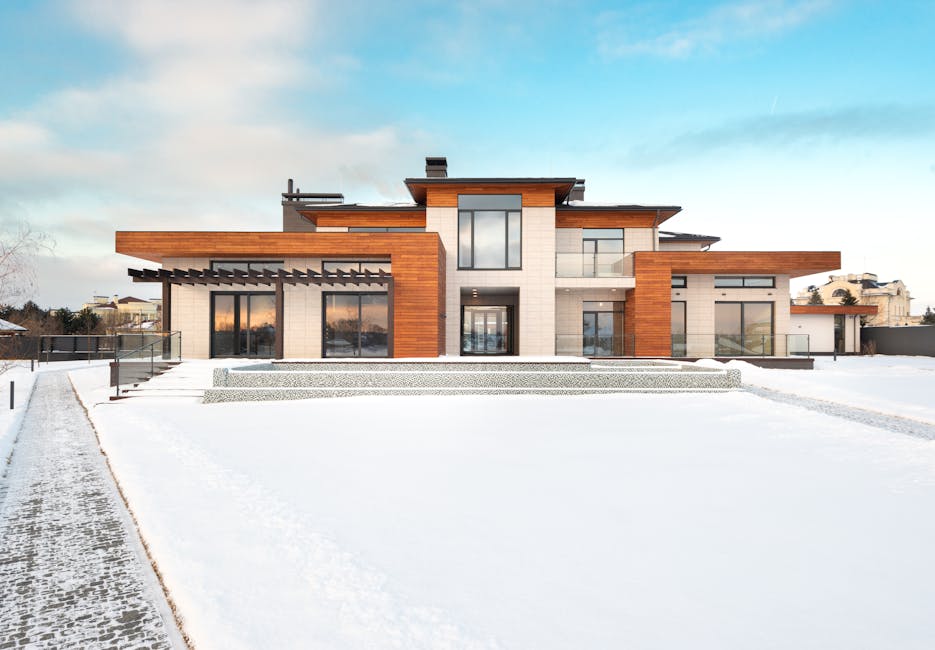
Furthermore, the architectural preferences are shifting. While Mediterranean Revival remains a local staple, there is a growing demand for Modernist and Tropical Modern designs that utilize floor-to-ceiling glass to maximize natural light and waterfront views. These properties are often acquired before they even reach the public market, as private advisors facilitate off-market transactions to maintain the privacy of both parties. For those currently exploring the market, reviewing the LISTINGS URL provides a baseline of what is publicly available, but it represents only a fraction of the total movement in the most coveted neighborhoods.
The Condo Sector and Vertical Urbanism
Tampa is currently in the early stages of a luxury condominium boom that is reshaping the skyline. Unlike other Florida markets that have historically relied on condo sales for seasonal visitors, Tampa’s vertical growth is being fueled by full-time residents looking to downsize from larger estates without losing the amenities of a high-end home. According to Tampa Bay Business & Wealth, this sector remains an early-stage opportunity for those who value concierge services and high-rise security. The development of Water Street and the expansion of the Channel District have created a new urban luxury experience that was virtually non-existent a decade ago.
For the buyer, the decision between a single-family estate and a luxury high-rise often comes down to the frequency of travel and the desire for maintenance-free living. Modern towers are offering ‘villas in the sky’—multi-story units with private pools and extensive outdoor terraces—that mimic the experience of a traditional home. However, the scrutiny required for these acquisitions is different. Buyers must evaluate the developer’s track record, the health of the association’s reserves, and the long-term view of the surrounding skyline. The focus is on capital preservation; a unit in a poorly managed tower can depreciate quickly, whereas a primary-tier building often sees appreciation that rivals traditional land-based assets.
The growth in this sector is also a response to the limited supply of waterfront land. With only 120 active luxury listings currently on the market, vertical expansion is the only way to meet the demand of the incoming executive class. These buyers are often looking for a seamless transition between their professional and private lives, and the luxury condo market provides exactly that. By situating themselves in the heart of the city’s economic engine, they maintain proximity to the latest cultural developments and social events that define the modern Tampa experience, such as those covered by local curators at That’s So Tampa.
Due Diligence Checklist for the Sophisticated Buyer
Acquiring a high-end asset in Tampa requires more than a simple inspection. The environmental and structural complexities of Florida real estate demand a rigorous approach to due diligence. Before finalizing any purchase, buyers should verify the following components to ensure the asset is viable for the long term and protected against regional variables.
- Seawall and Dock Integrity: For waterfront properties, a specialized marine engineering report is non-negotiable to assess the remaining lifespan of concrete and cap structures.
- Elevation and Flood Mitigation: Verify the latest FEMA maps and the property’s specific elevation certificate to understand insurance implications and future-proofing needs.
- Historical Designation Restrictions: In neighborhoods like Hyde Park, ensure that any planned renovations comply with local architectural preservation standards.
- Smart Home Infrastructure: Evaluate the existing wiring and automation systems to determine if they can support future technology upgrades without significant invasive work.
- Privacy and Security Perimeter: Assess the effectiveness of gated entries, surveillance blind spots, and natural buffers to ensure the property meets personal safety standards.
- Recent Sales Comparables: Analyze the most expensive sales of the previous year, as detailed by The Tampa Bay Times, to ensure the acquisition price aligns with true market value rather than speculative listing figures.
Each of these points represents a potential liability if overlooked. In a market where the average list price exceeds $3.1 million, the cost of rectifying a structural or legal oversight can be substantial. A senior buyer advisor will typically coordinate these inspections as part of a comprehensive acquisition strategy, ensuring that the buyer is fully informed before capital is committed. This level of detail is what separates a successful primary residence acquisition from a problematic investment.
Economic Drivers and Executive Migration
The strength of the Tampa luxury market is deeply tied to the broader economic health of the region. We are witnessing a consistent influx of C-suite executives and business owners who are moving their headquarters—and their families—to the Tampa and St. Petersburg areas. This is not a trend driven by taxes alone; it is a choice based on the availability of talent, the ease of doing business, and the high quality of life. As reported by The Business Journals, the regional appeal for executives remains strong, creating a self-sustaining cycle of luxury demand. When leadership moves, the demand for high-end housing follows.
This migration has a direct impact on neighborhood dynamics. We see increased investment in local infrastructure, private clubs, and high-end retail. The presence of a stable executive class ensures that property values remain resilient even during broader economic shifts. For the individual buyer, this means that their home is part of a growing ecosystem. The social and professional networking opportunities within neighborhoods like South Tampa or the downtown corridor are significant, as these areas become hubs for the region’s most influential figures. This connectivity is a value-add that is rarely captured in a standard appraisal but is highly prized by high-net-worth individuals.
Furthermore, the cultural landscape of Tampa has matured alongside its real estate. The city now hosts a variety of festivals, vintage markets, and high-profile concerts that cater to a sophisticated audience. These events are not just entertainment; they are a sign of a healthy, active community that supports a high-end lifestyle. For families relocating to the area, the breadth of activities and the quality of private education options are often the deciding factors. The transition to a primary market is complete when the city offers everything a global citizen requires, and Tampa has reached that threshold.
Inventory Scarcity and Pricing Precision
With only 120 active luxury units currently available, the market is characterized by extreme scarcity. This inventory constraint means that buyers must be prepared to move quickly when a property that meets their criteria becomes available. However, speed should not come at the expense of pricing precision. In a market with a wide gap between median and average list prices, understanding the specific value drivers of a property is essential. A home on a quiet cul-de-sac in a gated community may carry a very different valuation than a similar square-footage property on a busy corridor, even if they are in the same general area.
Sophisticated buyers are increasingly looking at ‘value-add’ luxury properties—older estates on prime lots that can be modernized or expanded. This strategy allows for custom personalization while securing some of the best land in the city. However, this requires a deep understanding of local construction costs and permitting timelines. The current average list price of over $3 million reflects a market that values turnkey perfection, but for those with the vision and the resources, the real opportunities often lie in the properties that require a sophisticated eye to unlock their full potential. This analytical approach to acquisition is what defines the most successful participants in the current cycle.
The role of a private advisor in this environment is to provide a filter for the noise. While the headlines may focus on record-breaking sales, the day-to-day reality of the market is one of careful negotiation and strategic positioning. By focusing on data-backed insights and neighborhood-level movements, buyers can navigate the 2026 landscape with confidence. The goal is to identify assets that offer not just an immediate lifestyle upgrade, but long-term capital preservation in a city that is firmly established as a premier global destination.
Strategic Acquisition and Advisor Engagement
Navigating the Tampa luxury market requires a blend of local intuition and global perspective. The transition to a primary market has raised the stakes for every acquisition, making it essential to have a dedicated partner who understands the nuances of capital allocation and neighborhood evolution. Whether you are seeking a modern high-rise in the city center or a secluded waterfront estate, the current inventory offers a range of opportunities for the discerning buyer. Success in this market is not about finding any property; it is about securing the right asset at the right time.
To begin your search for a primary residence or a strategic addition to your portfolio, we invite you to review our current curated selection. For a comprehensive overview of the market’s current offerings, browse our LISTINGS URL. To discuss your specific requirements and receive a personalized market analysis, please CONTACT URL an advisor today. Our team provides the discretion and precision necessary to facilitate high-value transactions in Tampa’s most exclusive enclaves.
Your next move in Tampa luxury
Get current inventory, pricing guidance, and private-tour support from our brokerage team.
Source highlights
- Tampa Bay’s most expensive luxury home sales of 2025 – Tampa Bay Times
- Tampa’s Price Record Is $22.5 Million. This Huge Estate Is Asking $115 Million. – WSJ
- Column: Why executives keep choosing St. Pete – The Business Journals
- Why Tampa remains an early-stage luxury condo market – Tampa Bay Business & Wealth
- Florida Trend Real Estate – Florida Trend
- Tampa Bay’s Waterfront Emerges as a Primary Luxury Real Estate Market – The National Law Review
- Things To Do In Tampa This Weekend: Fun Festivals & Events In Tampa This Weekend – That's So Tampa
- Tampa weekend events: Vintage market, murder mystery dinner and more – Axios
