


The Maturation of the Tampa Luxury Sector
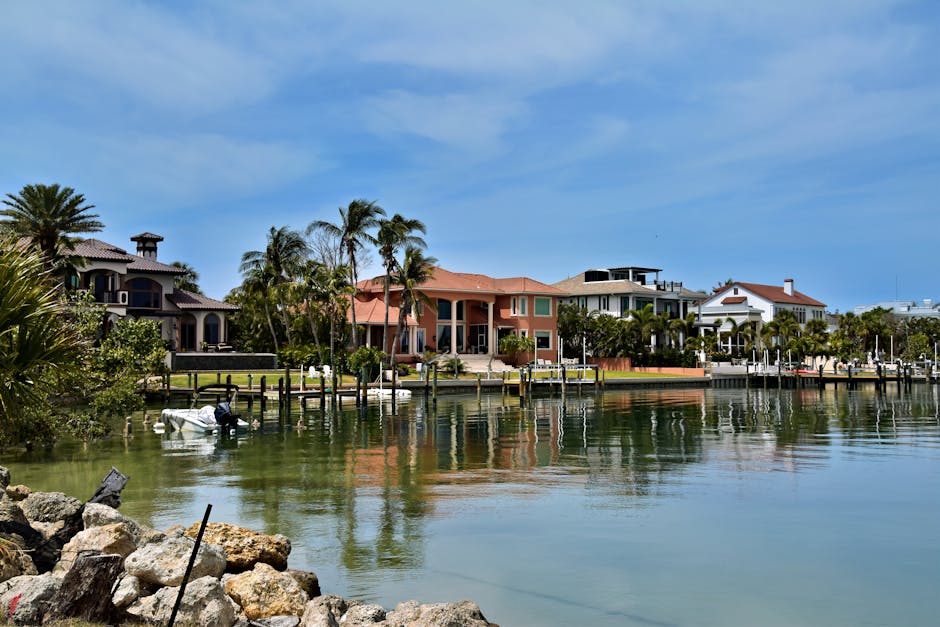
The Tampa luxury real estate market is currently undergoing a structural transformation, shifting from a regional seasonal destination to a global primary residence hub. This evolution is driven by significant capital inflows and a fundamental change in buyer demographics. Affluent individuals are no longer looking for secondary vacation properties; they are seeking permanent estates that accommodate full-time residency, professional requirements, and long-term asset preservation. This trend is supported by recent findings from the National Law Review, which highlights the region’s emergence as a primary luxury market.
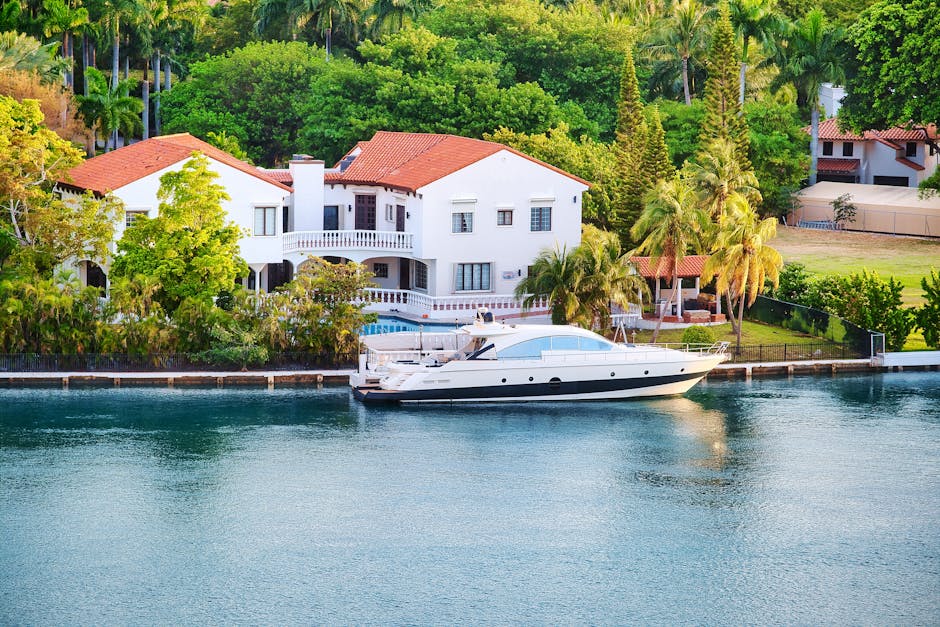
As the market matures, the criteria for valuation have become increasingly sophisticated. Buyers are prioritizing architectural integrity, advanced smart-home integration, and hardened infrastructure capable of withstanding local climate variables. The shift toward primary residency has also increased the demand for proximity to high-end amenities, private schools, and professional sports venues. Neighborhoods like Davis Islands and Hyde Park are seeing a concentration of activity as executives seek the convenience of urban proximity without sacrificing the privacy of a gated or secluded estate.
The current landscape is characterized by a high degree of discernment. Unlike previous cycles where inventory moved rapidly regardless of quality, today’s buyers are performing extensive due diligence. This analytical approach ensures that acquisitions are not merely based on aesthetic appeal but on the underlying value of the location and the quality of construction. This cautious yet confident behavior signals a healthy, sustainable market that is moving away from speculative volatility toward a more stable, institutional-grade residential environment.
Strategic Inventory and Price Floor Adjustments
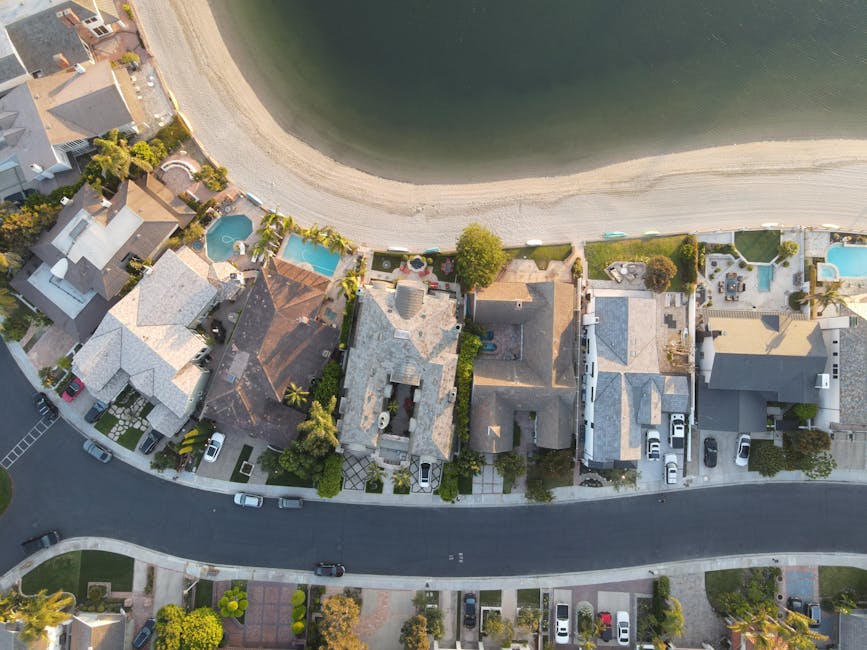
With approximately 120 active luxury listings currently on the market, the supply side remains constrained relative to the demand from high-net-worth individuals. The median list price has stabilized around $2,388,780, indicating a firm price floor for premium properties. However, the average list price of over $3.1 million reflects a significant weight toward ultra-luxury estates that command substantial premiums. Properties such as the one on N Florida Avenue, listed at $2.2 million, or the Dr. Martin Luther King Jr. Boulevard commercial-sale opportunity at $2.9 million, illustrate the diverse entry points within the high-end sector.
Market movement is increasingly concentrated in core luxury pockets where inventory is historically scarce. These areas are seeing consistent price appreciation despite broader macroeconomic fluctuations. The stability of these neighborhoods is a result of limited land availability and high barriers to entry for new construction. For buyers, this means that while the initial acquisition cost may be higher, the long-term value preservation is often superior compared to emerging or fringe markets where inventory can expand more easily.
Data from the Tampa Bay Times regarding the most expensive sales of 2025 confirms that the top of the market is reaching new heights. These record-breaking transactions are resetting expectations for sellers and providing concrete comparables for new appraisals. For the strategic buyer, these figures represent a baseline for understanding the upper limits of the current market and the potential for future equity growth in high-demand neighborhoods.
Navigating the Scarcity of High-End Waterfront
Waterfront availability remains the most critical driver of value in the Tampa luxury space. Whether it is the open bay views of Bayshore Boulevard or the deep-water canals of Beach Park, the proximity to the Gulf of Mexico provides a hedge against inflation and a lifestyle benefit that cannot be replicated inland. The scarcity of these parcels is driving a trend of teardowns, where older structures are being replaced by modern, elevated estates that meet modern building codes and the expectations of contemporary luxury buyers.
The competition for waterfront land has led to a more aggressive acquisition strategy among investors and end-users alike. Buyers are often willing to forgo internal renovations in favor of securing a specific lot with desirable exposure and water frontage. This behavior underscores the belief that land value, particularly on the water, will continue to outpace the depreciation of physical structures. Managing this scarcity requires a proactive approach and a deep understanding of off-market opportunities that may not be reflected in the public MLS data.
Verification of riparian rights, sea wall integrity, and dredging history is essential before finalizing any waterfront transaction. The technical aspects of owning a waterfront property in Florida require a level of scrutiny that goes beyond a standard home inspection. Buyers must understand the implications of FEMA flood zones and insurance requirements, which can significantly impact the carrying costs and long-term viability of an investment. This analytical rigor is what separates a successful acquisition from a liability.
Verification Checklist for Luxury Acquisitions
When evaluating a high-end property in the Tampa market, a systematic approach to due diligence is required to protect your capital and ensure the property meets your long-term needs. Use this checklist as a baseline for your initial assessment:
- Confirm the elevation certificate and current FEMA flood zone designation to accurately forecast insurance premiums and renovation restrictions.
- Evaluate the structural integrity of sea walls and docks, including a professional underwater inspection if necessary.
- Verify the presence of any deed restrictions, historic preservation guidelines, or neighborhood-specific architectural controls.
- Analyze the property’s utility for a home office, including high-speed fiber connectivity and dedicated power redundancy systems.
- Review the last five years of capital improvements and verify that all work was completed with the appropriate municipal permits.
- Assess the privacy and security infrastructure, including perimeter fencing, gated access, and integrated surveillance capabilities.
Institutional Shifts in Residential Development
The Tampa market is seeing a notable shift toward high-density luxury, specifically through institutional-grade condominiums. Developers are responding to a demand for the “lock-and-leave” lifestyle that combines the amenities of a five-star hotel with the privacy of a large estate. According to Tampa Bay Business & Wealth, the region is still in the early stages of this condo market evolution, suggesting significant upside for early adopters.
These developments are often situated in prime locations such as Water Street or the St. Pete waterfront, offering walkability that is rare in traditional luxury neighborhoods. The integration of high-end retail, Michelin-starred dining, and wellness centers within these residential towers is attracting a younger demographic of wealth as well as retirees looking to downsize from larger estates. This diversification of the luxury product is healthy for the overall market, as it provides multiple avenues for investment and residency.
Furthermore, the involvement of institutional capital in these projects ensures a level of finish and amenity provision that was previously unavailable in the region. Features like infinity-edge pools, private wine cellars, and 24-hour concierge services are now standard expectations for these high-rise residences. For buyers, the decision between a single-family estate and a high-density luxury unit often comes down to a trade-off between total privacy and the convenience of integrated services.
The Executive Migration Pattern
The influx of C-suite executives and business owners from high-tax states continues to be a primary catalyst for the Tampa Bay region’s growth. This migration is not just about tax advantages; it is about the overall quality of life and the ability to conduct business in a pro-growth environment. A report by The Business Journals examines why executives are increasingly choosing the St. Petersburg and Tampa areas for their primary residences and corporate headquarters.
This migration pattern has a direct impact on the type of properties that are most in demand. Home offices with professional-grade acoustics, separate entrances for staff, and expansive outdoor entertaining spaces are high on the priority list for these buyers. They are looking for properties that can function as both a private sanctuary and a venue for corporate networking. The ability to host large-scale events while maintaining family privacy is a key architectural requirement in the $5 million-plus segment.
The local culture is also evolving to meet the needs of this new demographic. From private social clubs to high-end automotive galleries, the infrastructure of luxury is expanding rapidly. Buyers are encouraged to look beyond the physical walls of a home and consider how the surrounding community aligns with their professional and social goals. The synergy between Tampa and St. Petersburg creates a unique metropolitan experience that offers the benefits of two distinct cities within a short commute.
Assessing the Value Ceiling and Record Aspirations
The Tampa market recently saw a significant benchmark with a massive estate asking $115 million, as reported by the Wall Street Journal. While the current record sale stands at $22.5 million, such ambitious listings indicate a growing confidence in the region’s ability to support ultra-high-net-worth valuations. These properties serve as “halo” listings that elevate the perception of the entire market, even if the eventual sales prices settle at more realistic levels.
Understanding the gap between asking prices and historical records is vital for making an informed offer. In the luxury space, pricing is often more of an art than a science, as unique features and emotional appeal can drive significant premiums. However, staying grounded in data-backed appraisals is the best way to ensure long-term financial success. Trends monitored by Florida Trend suggest that while the ceiling is rising, the market remains disciplined, with buyers pushing back on overpriced listings that lack the necessary quality or location advantages.
Navigating these complexities requires a dedicated advisor who understands the nuances of the local landscape and the behavior of affluent buyers. Success in this market is not about finding a house; it is about executing a strategy that aligns with your lifestyle and financial objectives. Whether you are looking for a historic estate in Hyde Park or a modern waterfront masterpiece, the current market offers exceptional opportunities for those prepared to act with precision and local insight.
For those ready to explore the current inventory and secure a position in one of Florida’s most resilient markets, the time to act is now. You can browse our exclusive listings to find properties that meet the highest standards of quality and design. When you are ready for a confidential consultation to discuss your specific requirements, please contact an advisor at our firm. We provide the analytical depth and local expertise necessary to navigate the Tampa luxury market with confidence.
Your next move in Tampa luxury
Get current inventory, pricing guidance, and private-tour support from our brokerage team.
Source highlights
- Tampa Bay’s most expensive luxury home sales of 2025 – Tampa Bay Times
- Tampa’s Price Record Is $22.5 Million. This Huge Estate Is Asking $115 Million. – WSJ
- Column: Why executives keep choosing St. Pete – The Business Journals
- Why Tampa remains an early-stage luxury condo market – Tampa Bay Business & Wealth
- Florida Trend Real Estate – Florida Trend
- Tampa Bay’s Waterfront Emerges as a Primary Luxury Real Estate Market – The National Law Review
- Things To Do In Tampa This Weekend: Fun Festivals & Events In Tampa This Weekend – That's So Tampa
- Tampa weekend events: Vintage market, murder mystery dinner and more – Axios
