


The Structural Shift in Gulf Coast Property Demand
The Tampa luxury landscape is currently undergoing a fundamental transformation, transitioning from a secondary vacation-home market into a premier destination for primary residences. This shift is driven by a sophisticated cohort of buyers seeking high-quality construction, robust infrastructure, and the specific lifestyle advantages unique to the Florida Gulf Coast. Unlike previous cycles where activity was largely speculative, the current movement is anchored by long-term capital and a genuine relocation of household wealth. Market stability remains a defining characteristic, even as other national metros experience cooling periods.
According to recent analysis from The Business Journals, the Tampa Bay luxury market has demonstrated remarkable resilience, growing stronger despite broader national declines. This strength is not accidental; it is the result of strategic infrastructure investments and a burgeoning professional ecosystem that attracts high-net-worth individuals. As a buyer advisor, I observe that the focus has moved beyond mere aesthetics toward structural integrity, technological integration, and neighborhood longevity.
Strategic buyers are no longer looking for short-term gains but are instead prioritizing assets that serve as reliable anchors for their portfolios. This involves a rigorous assessment of local zoning, flood mitigation strategies, and the proximity to high-end amenities that support a professional and private life. The narrative of the region is changing, and those who recognize this early-stage maturity in the market stand to benefit from the ongoing appreciation of quality inventory.

Market Benchmarks: Beyond the Average List Price
Understanding current valuation requires a deep dive into the specific metrics of the active inventory. As of mid-May 2026, the median list price for luxury properties in the region sits at $2,388,780, while the average list price climbs to $3,147,389. This delta indicates a significant concentration of ultra-high-end estates that pull the average upward, reflecting a market that can support both the ‘entry-level’ luxury buyer and the institutional-grade collector. Currently, there are 120 active luxury listings, providing a healthy but competitive selection for those ready to move.
Recent transactions and listings highlight the diversity of the local market. For instance, a property at 6304 N Florida Avenue, listed at $2,200,000, offers a different value proposition compared to a commercial-scale residential opportunity like 718-722 W Dr Martin Luther King Jr Boulevard, priced at $2,900,000. These price points reflect the varying utility of land and structure in emerging luxury pockets. Meanwhile, the ceiling of the market continues to be redefined, with some estates reaching historical asks as noted by the Wall Street Journal, where one estate is asking $115 million, dwarfing previous records.
When evaluating these benchmarks, it is essential to look at the ‘price per square foot’ through the lens of specific neighborhood micro-climates. A waterfront home on Davis Islands or in Beach Park commands a different premium than a historic renovation in Hyde Park. Buyers must differentiate between price and value, ensuring that the acquisition aligns with both their personal needs and the underlying land value. Reviewing the latest listings provides a clearer picture of how these valuations manifest in physical assets.
The Waterfront Influence: From Seasonal to Primary Residencies
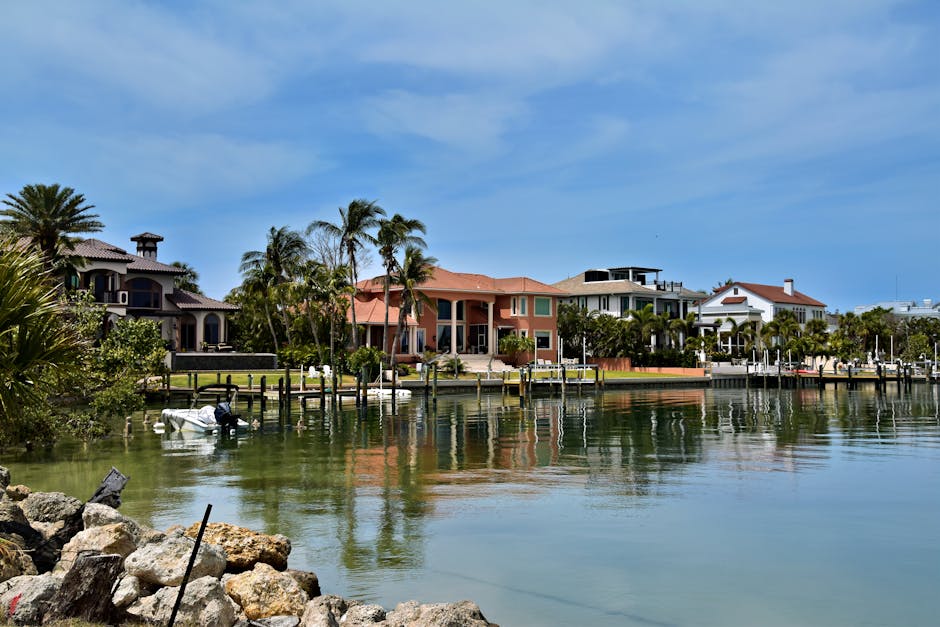
The emergence of Tampa’s waterfront as a primary luxury real estate market is perhaps the most significant trend of the decade. Historically, waterfront properties were often viewed as secondary or seasonal assets. However, as noted by The National Law Review, these areas are now being developed with a focus on year-round occupancy. This shift necessitates a different approach to architecture and engineering, emphasizing sustainability and storm resilience without compromising on sophisticated design.
Neighborhoods like Culbreath Isles and Palma Ceia are seeing an influx of residents who are integrating their professional lives into their home environments. This has led to an increased demand for integrated home offices, advanced security systems, and expansive outdoor living spaces that function as private retreats. The waterfront is no longer just a view; it is a lifestyle component that facilitates wellness and privacy, two of the most sought-after ‘amenities’ in the current high-net-worth landscape.
Prospective buyers should pay close attention to the quality of seawalls, dockage capabilities, and the specific rip-rap or mitigation features of a property. In a primary residence market, these technical details are just as important as the interior finishes. Analyzing the long-term viability of the shoreline and the neighborhood’s elevation is a critical step in any waterfront acquisition strategy. The sophistication of the 2026 buyer is reflected in their insistence on data-backed assurance regarding these environmental factors.
Strategic Evaluation: A Pre-Purchase Checklist
To navigate this complex market effectively, buyers must adopt a systematic approach to evaluation. This checklist serves as a baseline for assessing potential acquisitions in the Tampa luxury sector, ensuring that no critical detail is overlooked during the due diligence phase.
- Verify the structural integrity of seawalls and any existing marine permits for waterfront properties.
- Analyze the neighborhood’s historical appreciation rates specifically within the $2M+ price bracket.
- Confirm the status of any upcoming infrastructure projects or zoning changes in the immediate vicinity.
- Evaluate the integration of smart-home technology and the presence of dedicated, high-speed connectivity for professional use.
- Assess the quality of indoor-outdoor transitions and the durability of materials against the Florida humidity and salt air.
- Review the elevation certificates and any localized mitigation efforts that exceed standard requirements.
Adhering to a rigorous checklist allows buyers to move from a place of emotional interest to one of informed decision-making. In a market where inventory can be limited, having a pre-vetted set of criteria ensures that when the right opportunity arises, you are positioned to act with confidence. This discipline is what separates the successful collector from the average participant in the luxury space.
Neighborhood Dynamics: Identifying Stability and Growth
While South Tampa remains the traditional bastion of high-end real estate, other areas are emerging as serious contenders for the sophisticated buyer. The growth in the Channel District and Water Street has introduced a high-rise luxury component that previously did not exist at this scale. This ‘vertical luxury’ offers a different value proposition, focusing on concierge services, walkability, and proximity to the urban core’s cultural and financial hubs. It is a compelling alternative for those who prioritize efficiency and access over expansive acreage.
Conversely, the established neighborhoods of Davis Islands and Beach Park continue to offer the prestige of historical continuity and larger lot sizes. These areas benefit from mature landscaping and a sense of community that is difficult to replicate in newer developments. Buyers should weigh the advantages of ‘new-build’ modernism against the ‘old-world’ charm of traditional estates. Often, the best value is found in the meticulous renovation of a classic property that has been updated with 2026-standard systems and aesthetics.
The choice of neighborhood often dictates the long-term liquidity of the asset. Areas with restricted inventory and high barriers to entry, such as those with limited waterfront access, tend to maintain their value more effectively during broader market shifts. By analyzing the micro-market data, buyers can identify which pockets of the city are poised for continued stability. Staying informed on local events and community developments, such as those listed on That’s So Tampa, can provide valuable insight into the cultural health and vibrancy of a prospective neighborhood.
The Condo Market: Early-Stage Opportunities and Risks
The condo market in Tampa is currently described as ‘early-stage’ in its luxury evolution. This categorization suggests that while there is significant growth, the market has not yet reached its full maturity compared to established hubs like Miami or New York. This presents a unique opportunity for buyers to enter a high-growth sector before it reaches its peak valuation. However, it also requires a more cautious approach to developer reputation and building management.
According to Tampa Bay Business & Wealth, the luxury condo sector is seeing a rise in ‘lifestyle-driven’ developments that cater specifically to the needs of the modern high-net-worth resident. This includes full-service spas, private chef services, and advanced wellness centers. For the professional who travels frequently, the ‘lock-and-leave’ convenience of a high-end condo is often more appealing than the maintenance requirements of a large waterfront estate.
When evaluating a condo purchase, the focus should be on the building’s reserve funds, the quality of the homeowners’ association, and the long-term views. In a growing city, what is a waterfront view today may be blocked by a new development tomorrow. Strategic buyers look for buildings with protected corridors and a history of disciplined management. This sector is particularly sensitive to changes in interest rates and insurance costs, making a thorough financial audit of the building essential before committing.
Advisory Perspectives on Long-Term Asset Integration
Ultimately, a luxury home in the Tampa market should be viewed as more than just a place of residence; it is a significant component of an overall lifestyle and financial strategy. The 2026 market rewards those who take a disciplined, analytical approach to their acquisitions. Whether you are focused on the historic streets of Hyde Park or the modern skylines of the urban core, the goal is to find an asset that offers both functional utility and long-term security. The current weather patterns, with temperatures reaching the mid-30s Celsius (low 90s Fahrenheit), remind us that the Florida climate is a constant factor in both design and maintenance strategies.
The transition of the region into a primary market for high-net-worth individuals is well-documented in the Florida Trend Real Estate reports. This macroeconomic tailwind provides a level of confidence that is rare in many other luxury markets. As you consider your next move, remember that the most successful transactions are those guided by local expertise and a clear understanding of the shifting market dynamics. The data suggests a bright future for the region, provided that acquisitions are made with a focus on quality, resilience, and strategic location.
To begin your search for an exceptional property that aligns with these criteria, I invite you to browse our curated selection of listings. For a private consultation to discuss your specific requirements and how we can identify the right asset for your portfolio, please contact one of our senior advisors today. We are committed to providing the precise, data-backed guidance necessary to navigate the Tampa luxury market with absolute confidence.
Your next move in Tampa luxury
Get current inventory, pricing guidance, and private-tour support from our brokerage team.
Source highlights
- Tampa Bay’s most expensive luxury home sales of 2025 – Tampa Bay Times
- Tampa’s Price Record Is $22.5 Million. This Huge Estate Is Asking $115 Million. – WSJ
- Tampa Bay luxury market grows stronger despite national declines – The Business Journals
- Why Tampa remains an early-stage luxury condo market – Tampa Bay Business & Wealth
- Florida Trend Real Estate – Florida Trend
- Tampa Bay’s Waterfront Emerges as a Primary Luxury Real Estate Market – The National Law Review
- Things To Do In Tampa This Weekend: Fun Festivals & Events In Tampa This Weekend – That's So Tampa
- Things To Do In St Pete This Weekend: Best Festivals & Events Going On In St Petersburg – I Love the Burg
