



The Shifting Baseline of Tampa Luxury Real Estate
The current state of Tampa’s premium property sector is defined by a calculated stabilization. With precisely 120 active luxury listings currently available, the market has transitioned from the frenetic pacing of previous years into a more deliberate, analytical phase. Buyers are no longer acquiring assets indiscriminately; instead, they are executing targeted acquisitions based on stringent criteria. The median list price now sits at a substantial $2,388,780, a figure that establishes a new, elevated floor for entry into the region’s most desirable enclaves.
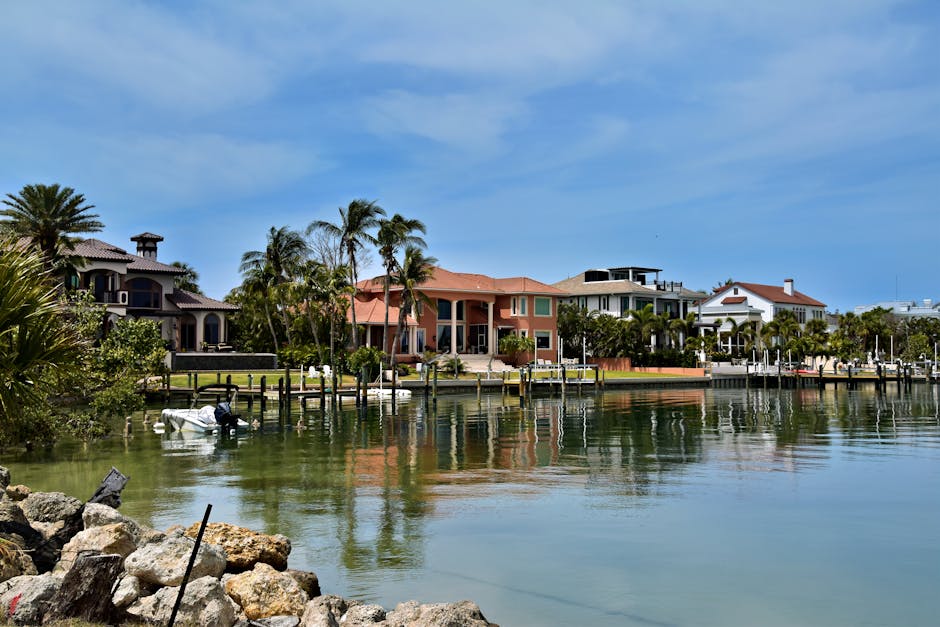
While other metropolitan regions experience pricing contractions, Tampa’s high-end sector demonstrates remarkable resilience. A recent analysis highlights how the Tampa Bay luxury market grows stronger despite national declines, driven by sustained corporate relocation and a structural shift in domestic migration patterns. This decoupling from broader national trends requires buyers to recalibrate their expectations and recognize that localized demand continues to outpace the delivery of new premium inventory.
This sustained demand is profoundly reshaping neighborhood hierarchies. Established corridors in South Tampa and Davis Islands are seeing their traditional valuation models challenged by aggressive capitalization from out-of-state buyers. These purchasers are not merely looking for primary residences; they are diversifying their portfolios with tangible, high-yield assets in a tax-advantaged jurisdiction. Consequently, local buyers must adopt a more sophisticated approach to property evaluation, looking beyond immediate aesthetic appeal to assess the underlying land value and long-term appreciation metrics.

The data clearly indicates a market that rewards preparation and penalizes hesitation. With the average list price stretching to $3,147,389, the disparity between the median and the average reveals a market heavily skewed by ultra-premium properties at the very top of the pricing spectrum. Understanding this statistical nuance is crucial for buyers attempting to determine whether a specific property represents fair market value or an ambitious outlier.
Analyzing the High-End Pricing Architecture
Dissecting the pricing architecture of Tampa’s current inventory reveals a landscape of stark contrasts. The significant gap between the median and average listing prices is not a statistical anomaly; it is a direct reflection of the ultra-luxury segment pulling the overall averages upward. Properties situated on premier waterfront lots or featuring significant architectural pedigree are commanding unprecedented premiums, effectively creating a bifurcated market where standard luxury and ultra-luxury operate on entirely different valuation curves.
This upward trajectory is perhaps best illustrated by the extreme top end of the market. Recent headlines have been dominated by astronomical figures, including a record-setting sale and sprawling estates pushing market boundaries. As reported by the Wall Street Journal, Tampa’s price record reached $22.5 million, while a new estate tests the market at $115 million. These exceptional listings do more than capture attention; they serve as psychological anchors, subtly recalibrating the perceived value of adjacent properties and emboldening sellers across the broader luxury spectrum to test the upper limits of pricing elasticity.
For the astute buyer, this environment necessitates a rigorous, data-driven approach to valuation. It is imperative to separate aspirational pricing from fundamental worth. A property listed at $3.5 million in a neighborhood where the median is $2.4 million must justify that premium through quantifiable advantages: superior lot dimensions, newer construction, advanced structural engineering, or unencumbered deep-water access. Purchasing a property based solely on the rising tide of the market, without confirming these intrinsic values, introduces unnecessary risk into the acquisition.
Furthermore, the influence of these mega-estates trickles down, creating pricing pressure on tear-down opportunities and vacant land. Developers and end-users alike are aggressively bidding on obsolete structures purely for their underlying acreage, particularly in highly sought-after school districts like those servicing Hyde Park and Palma Ceia. This aggressive land banking further constricts the available inventory, reinforcing the competitive nature of the current active listings.
Waterfront Premiums and Inland Alternatives
The defining characteristic of Tampa’s highest-tier real estate remains proximity to the water. Open bay views and navigable, deep-water dockage command the market’s most aggressive premiums. However, the calculus surrounding waterfront ownership is becoming increasingly complex. Buyers are systematically evaluating the trade-offs between the prestige of a waterfront address and the escalating carrying costs associated with insurance premiums, structural maintenance, and adherence to updated coastal construction codes.
As a result, a distinct pivot is occurring among a subset of affluent buyers who are redirecting their focus inland. The Tampa Bay waterfront continues to emerge as a primary market, yet the scarcity of these parcels has pushed valuations to a point where inland estates present a compelling alternative. For the same capital outlay required for a modest waterfront footprint, buyers can secure expansive, multi-acre properties in gated enclaves or private cul-de-sacs, offering significantly larger interior square footage and exceptional privacy.
These inland alternatives often feature comprehensive, resort-style amenities that negate the need for public access or club memberships. Features such as multi-vehicle motor courts, detached guest houses, dedicated wellness centers, and elaborate outdoor entertainment pavilions are becoming standard expectations for non-waterfront luxury properties. The appeal here lies in total control over the environment—an insulated compound that provides absolute discretion and security.
Ultimately, the decision between waterfront and inland ownership hinges on lifestyle priorities and risk tolerance. Buyers prioritizing immediate maritime access and panoramic vistas must underwrite the associated environmental and insurance variables. Conversely, those prioritizing square footage, architectural grandness, and privacy are finding exceptional value slightly removed from the shoreline, reshaping the geographic distribution of Tampa’s ultra-wealthy residents.
Strategic Acquisition Checklist for Premium Properties
Navigating a compressed market with limited inventory demands more than just financial readiness; it requires a systematic evaluation protocol. When reviewing the current selection of available properties, buyers must look past staging and cosmetic enhancements to scrutinize the foundational and operational elements of the asset.
Engaging in a high-value transaction without a structured due diligence framework often leads to unforeseen capital expenditures post-closing. Before authorizing an offer, we advise our clients to systematically address the following critical variables to ensure the property aligns with both their lifestyle requirements and their wealth preservation goals.
- Verify current elevation certificates and FEMA flood zone designations to accurately model long-term insurance carrying costs.
- Audit the permitting history and contractor provenance of all recent renovations, especially within designated historic districts.
- Evaluate the structural integrity of existing seawalls, boat lifts, and marine infrastructure, factoring in current replacement costs.
- Assess the property’s orientation and HVAC zoning efficiency, particularly concerning natural light exposure and intense May weather patterns.
- Investigate impending municipal zoning alterations or infrastructure expansions in the immediate vicinity that could alter traffic flow or density.
- Review the specific restrictions, architectural guidelines, and financial health of the governing Homeowners Association, if applicable.
Overlooking these specific environmental and structural factors can rapidly degrade the initial investment value. A property that appears favorably priced on a per-square-foot basis may harbor deferred maintenance or regulatory liabilities that effectively erase any perceived discount. Rigorous verification is the only reliable method for mitigating these risks.
Neighborhood Fluidity and Cultural Proximity
The criteria defining a desirable location in Tampa are expanding beyond traditional boundaries. While acreage and privacy remain paramount for some, a significant demographic of luxury buyers is prioritizing walkability and immediate proximity to cultural and culinary infrastructure. The integration of high-end residential spaces with curated retail corridors is driving intense demand in neighborhoods immediately adjacent to the downtown core and the Riverwalk.
This shift reflects a broader preference for a highly amenitized, frictionless lifestyle. Buyers are evaluating properties based on their frictionless access to private aviation, specialized medical facilities, and premier dining establishments. The ability to seamlessly transition from a private residence to the city’s economic and social hubs without significant transit time is a premium feature that heavily influences final valuations.
Beyond the immediate neighborhood, the accessibility of regional cultural programming adds a distinct layer of lifestyle equity. For instance, the ability to effortlessly access local events, such as Tampa’s weekend vintage markets, festivals, and downtown events, enhances the qualitative experience of the location. These cultural touchpoints are no longer ancillary benefits; they are core components of the property’s overall value proposition.
However, this desire for proximity must be carefully balanced against the need for acoustic and visual privacy. The most valuable properties in these transitional zones are those that manage to offer immediate access to urban amenities while maintaining a tranquil, insulated interior environment. Properties that successfully execute this duality command the highest interest levels and the fewest days on market.
The Role of Discretionary Inventory
It is critical for active buyers to understand that the public MLS data does not encompass the entirety of the Tampa luxury market. A substantial percentage of high-value transactions occur off-market, traded through private networks and quiet listings. Sellers of significant estates often prioritize discretion over broad exposure, seeking to avoid the disruption of public showings and the digital footprint associated with a traditional listing.
Engaging effectively in this tier of the market requires access to these shadow inventories. Relying solely on public portals guarantees that a buyer will only see a fraction of the available options, often the ones that have already been passed over by more connected purchasers. Navigating this private market demands representation with deep, established relationships across the brokerage community and a proven track record of discrete execution.
Furthermore, understanding seller motivation is paramount when approaching off-market assets. These transactions are rarely driven by urgency; they are highly negotiated exchanges where terms, timing, and discretion often carry as much weight as the final purchase price. Buyers must present themselves as qualified, decisive, and capable of executing complex transactions without friction.
Maintaining liquidity and flexibility allows buyers to capitalize on these private opportunities the moment they materialize. When a fundamentally sound, off-market property becomes quietly available, the window for acquisition is incredibly narrow. Prepared buyers, backed by comprehensive market intelligence, are the ones who secure these generational assets.
Structuring Your Next Move in the Tampa Market
The current macroeconomic environment and the specific dynamics of the Tampa market heavily favor the prepared and decisive buyer. With median listing prices firmly established near $2.38 million and a constrained inventory of premium assets, passive observation is an ineffective strategy. Waiting for broad market corrections that may never materialize locally often results in missed opportunities and diminished purchasing power over time.
Success in this landscape requires an advisory partner who understands the micro-dynamics of specific streets and can anticipate broader shifts in valuation. It involves looking past superficial marketing to evaluate the structural, environmental, and financial realities of every potential acquisition. The goal is not simply to purchase a property, but to secure a strategic asset that aligns with a broader wealth management strategy.
We continuously monitor the active inventory, analyzing the underlying metrics of every significant listing to identify mispriced opportunities and superior architectural assets before they become widely recognized. We invite you to begin your evaluation by viewing our curated selection of luxury homes for sale, where you can assess the current standard of premium properties available in the market.
To discuss a tailored acquisition strategy, review current off-market inventory, or request a private briefing on neighborhood-specific valuation trends, direct communication with our advisory team is essential. Please contact us to schedule a confidential consultation and align your objectives with the realities of the Tampa luxury sector.
Your next move in Tampa luxury
Get current inventory, pricing guidance, and private-tour support from our brokerage team.
Source highlights
- Tampa Bay’s most expensive luxury home sales of 2025 – Tampa Bay Times
- Tampa’s Price Record Is $22.5 Million. This Huge Estate Is Asking $115 Million. – WSJ
- Tampa Bay luxury market grows stronger despite national declines – The Business Journals
- Why Tampa remains an early-stage luxury condo market – Tampa Bay Business & Wealth
- Florida Trend Real Estate – Florida Trend
- Tampa Bay’s Waterfront Emerges as a Primary Luxury Real Estate Market – The National Law Review
- Things To Do In Tampa This Weekend: Fun Festivals & Events In Tampa This Weekend – That's So Tampa
- 40+ Best Things to Do in Tampa Bay this Month: Events and MORE! – Tampa Bay Date Night Guide
