


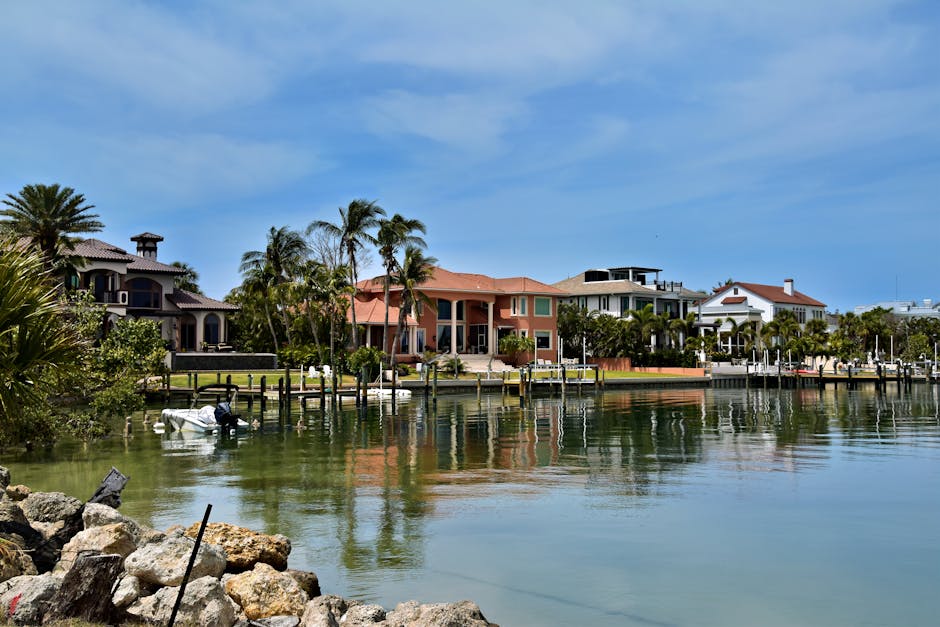
The Current State of Tampa’s Premium Inventory
The premium tier of Tampa’s real estate market operates under a distinct set of economic drivers, largely insulated from broader national cooling trends. Currently, the local landscape presents a nuanced picture for prospective buyers. With approximately one hundred and twenty active luxury listings, inventory remains selective. The data reveals a median list price hovering near two point four million dollars, while the average list price stretches past three point one million dollars. This divergence indicates a substantial skew driven by ultra-prime assets, particularly those situated on legacy waterfront parcels or featuring custom, new-construction architecture.

Buyers entering this tier must recognize that aggregate market statistics often obscure neighborhood-level realities. The velocity of sales in coveted enclaves diverges sharply from the metropolitan average. According to recent analysis by The Business Journals, Tampa’s luxury sector continues to demonstrate resilience and growth, contradicting the deceleration observed in other major domestic markets. This sustained demand is heavily weighted toward turnkey properties; residences requiring extensive renovation face longer days on market, creating distinct negotiating advantages for buyers with the liquidity and patience to execute capital improvements.
Consequently, establishing a baseline for valuation requires moving beyond simple price-per-square-foot calculations. True market value in Tampa is increasingly dictated by exact street placement, flood zone designation, and architectural pedigree. An effective acquisition strategy begins with isolating the precise sub-markets that align with your required utility and expected hold period, filtering the macro inventory down to a hyper-local watchlist.
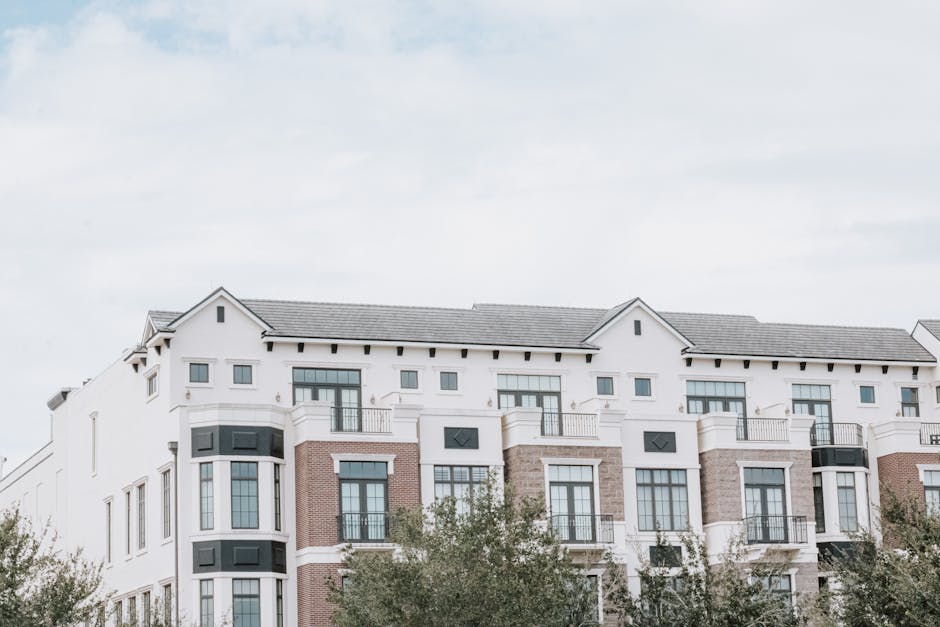
Evaluating South Tampa and Waterfront Acquisitions
South Tampa remains the center of gravity for premium residential real estate in the region. Neighborhoods such as Palma Ceia, Sunset Park, and Beach Park offer a compelling blend of historic canopy roads and immediate access to the urban core. The premium attached to these locations is largely a function of scarcity; land values command a significant percentage of the total transaction price. When evaluating acquisitions in these areas, the focus should remain heavily on the underlying dirt—specifically lot dimensions, elevation, and mature landscaping—as these elements are strictly finite.
The waterfront segment operates as an entirely separate asset class within the South Tampa market. Deepwater access without fixed bridges commands the highest premiums, serving a specific buyer demographic focused on immediate Gulf of Mexico access. A recent report in The National Law Review highlighted how Tampa Bay’s coastal properties have firmly established themselves as a primary national market for luxury real estate. This transition from a regional secondary market to a national primary market has structurally altered pricing expectations for open-water views and private dockage.
Buyers must rigorously assess the marine infrastructure of any waterfront property. The condition of seawalls, the depth of the draft at low tide, and the specifics of riparian rights are just as critical as the residence itself. Properties on Davis Islands, for example, offer distinct advantages regarding proximity to Downtown, but the valuation spread between open-bay and canal-front properties on the island requires precise comparative analysis to ensure an accurate acquisition price.
Architectural Shifts and Buyer Preferences
The aesthetic and functional demands of the affluent buyer have evolved significantly over the past five years. There is a marked departure from the sprawling, compartmentalized Mediterranean revivals that dominated early two-thousand-and-tens development. Today’s market heavily favors coastal contemporary and transitional architecture, characterized by clean lines, extensive use of structural glass, and floor plans that dissolve the boundaries between indoor and outdoor living spaces. This shift is not merely stylistic; it reflects a broader change in how residents utilize their primary homes.
Specifically, the integration of advanced smart home infrastructure and commercial-grade wellness amenities is no longer considered an upgrade, but a baseline expectation at the three-million-dollar threshold. Buyers are prioritizing properties with dedicated secondary kitchens for catering, exhaustive climate-control systems for wine storage, and comprehensive security perimeters. When analyzing the highest-tier transactions, such as those documented in the Tampa Bay Times review of prime sales, the presence of flawless, highly curated finishes invariably drives the premium.
For those targeting historic preservation—particularly in Hyde Park—the calculus changes. The value here lies in the successful modernization of heritage properties without compromising their architectural integrity. Buyers must be prepared to evaluate the quality of recent infrastructure updates, specifically plumbing, electrical, and structural reinforcement, as these hidden elements dictate the true cost of ownership for historic assets.
Strategic Due Diligence for High-Value Properties
Executing a flawless acquisition requires a due diligence protocol that extends far beyond the standard home inspection. At this tier, the financial exposure demands a forensic approach to property evaluation. The objective is not merely to identify defects, but to quantify potential future liabilities and ensure the asset aligns with long-term portfolio strategies. This phase is where transactions are secured or rightly abandoned.
A rigorous evaluation period should be systematically structured to address the specific vulnerabilities of Florida coastal real estate. Buyers must deploy specialized consultants to verify all structural and regulatory components before waiving contingencies. During the inspection period, direct your advisory team to execute the following critical verifications:
- Commission a comprehensive structural engineering report to assess foundation integrity and load-bearing capacities, especially for elevated waterfront homes.
- Execute a thorough review of the current elevation certificate and existing flood insurance policy to project accurate carry costs.
- Verify all municipal permits for previous renovations or additions to ensure compliance and avoid inherited code violations.
- Conduct an independent audit of marine structures, including underwater seawall inspections and dock piling integrity assessments.
- Review boundary surveys specifically for unrecorded easements or encroachments that could limit future site development.
- Assess the age and capacity of major mechanical systems, prioritizing commercial-grade HVAC units and whole-home generators.
By standardizing this level of scrutiny, buyers insulate themselves from post-closing capital surprises. A comprehensive due diligence file also serves as a critical baseline for future property management and eventual disposition of the asset.
Integrating Lifestyle and Location Value
Beyond the physical structure, a property’s valuation is intrinsically tied to the lifestyle it facilitates. Tampa’s urban evolution has created distinct micromarkets where walkability and cultural access command significant premiums. The expansion of the Riverwalk and the development of Water Street have effectively bridged the gap between Downtown and South Tampa, creating a cohesive corridor of high-end dining, retail, and entertainment. Proximity to these nodes heavily influences long-term asset appreciation.
Buyers evaluating properties in proximity to these hubs must weigh the convenience against privacy considerations. Areas immediately adjacent to commercial districts offer exceptional lifestyle benefits but require careful assessment of traffic patterns and municipal development plans. Utilizing resources that track local engagement, such as the Tampa Bay Date Night Guide, can provide secondary insights into the evolving cultural footprint of specific neighborhoods, which often precedes localized real estate appreciation.
Ultimately, the decision involves balancing immediate aesthetic desires with the practical realities of daily routing. Whether prioritizing a rapid commute to the Westshore business district, easy access to private aviation facilities, or pedestrian access to Hyde Park Village, the location must seamlessly integrate with the principal’s operational tempo.
Structuring Your Acquisition Strategy
Navigating a market characterized by selective inventory and high valuations requires a highly structured approach to deal formulation. The most successful acquisitions are driven by data, not emotion. Before drafting a letter of intent or formal contract, buyers must establish clear parameters regarding target sub-markets, mandatory property attributes, and absolute maximum valuations based on current market comps.
Leverage dynamics currently favor the thoroughly prepared buyer. While the market remains robust, the frenetic bidding wars of previous years have subsided, allowing for more measured and strategic negotiations. This environment permits the inclusion of comprehensive inspection contingencies and reasonable closing timelines. However, properties that represent the absolute pinnacle of their respective categories—flawless new construction on prime waterfront—will still command immediate, highly competitive offers.
To position yourself advantageously, it is imperative to maintain a pulse on off-market opportunities and pre-release inventory. Relying solely on syndicated public data will invariably leave a buyer trailing the market. Establishing a relationship with a localized advisory team ensures access to the full spectrum of available assets, providing the requisite context to strike decisively when the correct property aligns with your portfolio requirements.
To begin refining your personal acquisition parameters and explore the current inventory of premium assets, review our active portfolio of luxury properties. When you are prepared to formalize your search, contact our advisory team to schedule a private consultation and market briefing.
Your next move in Tampa luxury
Get current inventory, pricing guidance, and private-tour support from our brokerage team.
Source highlights
- Tampa Bay’s most expensive luxury home sales of 2025 – Tampa Bay Times
- Tampa’s Price Record Is $22.5 Million. This Huge Estate Is Asking $115 Million. – WSJ
- Tampa Bay luxury market grows stronger despite national declines – The Business Journals
- Why Tampa remains an early-stage luxury condo market – Tampa Bay Business & Wealth
- Florida Trend Real Estate – Florida Trend
- Tampa Bay’s Waterfront Emerges as a Primary Luxury Real Estate Market – The National Law Review
- Things To Do In Tampa This Weekend: Fun Festivals & Events In Tampa This Weekend – That's So Tampa
- 40+ Best Things to Do in Tampa Bay this Month: Events and MORE! – Tampa Bay Date Night Guide
