


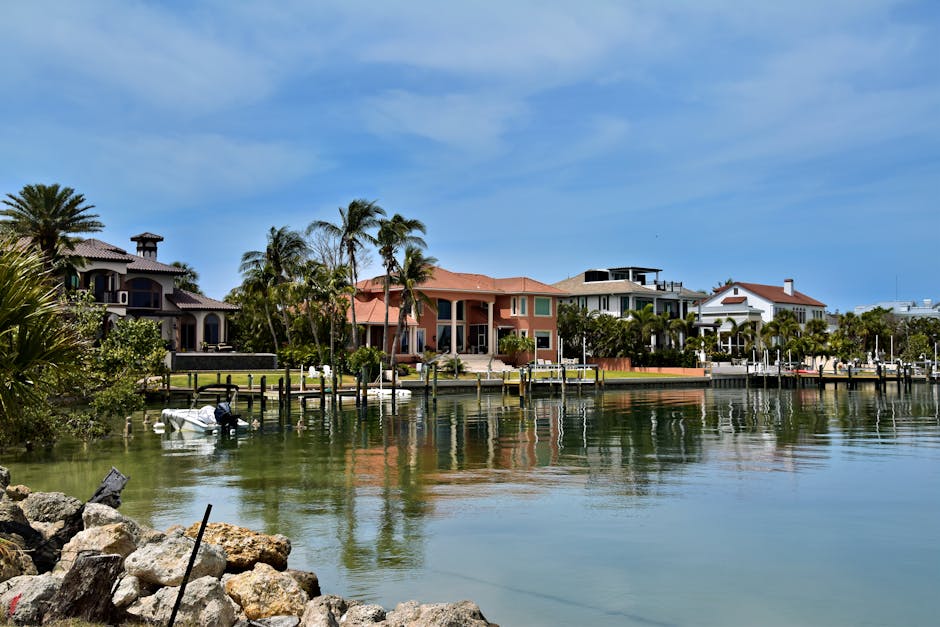
The Structural Shift Toward Primary Waterfront Residences
Tampa has undergone a fundamental transformation, evolving from a secondary vacation destination into a premier primary residence hub for high-net-worth individuals. This shift is most evident in the waterfront corridors, which have emerged as primary luxury real estate markets according to recent analysis from The National Law Review. Unlike previous cycles driven by speculative investment, the current demand is anchored by long-term residents seeking significant square footage, high-grade construction, and proximity to the city’s expanding professional nodes.
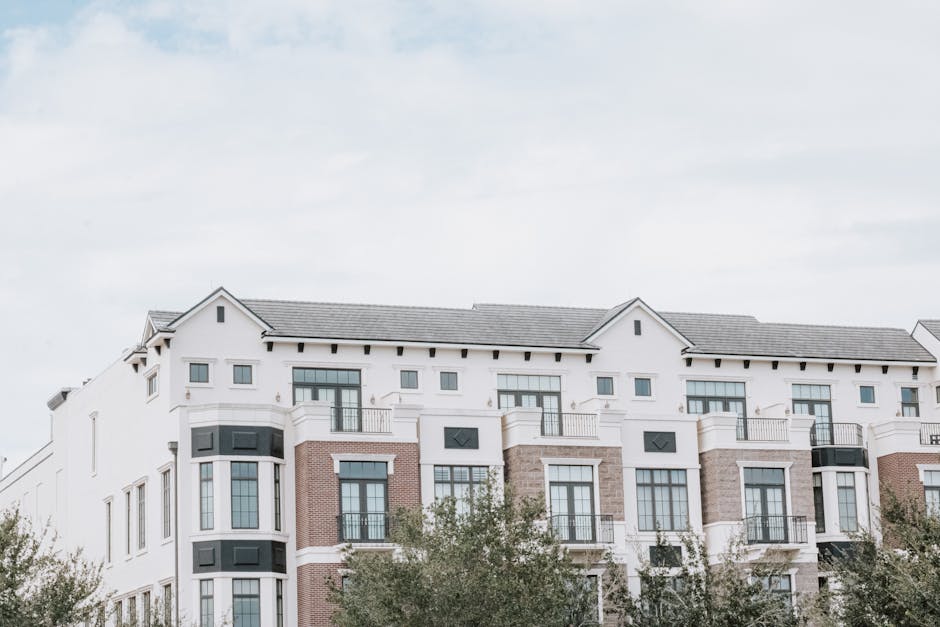
As of May 2026, the inventory reflects this demand for permanence. With approximately 120 active luxury listings, the market remains tight but high-quality. Buyers are no longer settling for older builds; they are prioritizing new construction or comprehensive renovations that meet modern hurricane standards and energy efficiency requirements. This flight to quality has created a bifurcated market where turnkey properties command significant premiums while older assets require careful valuation adjustments based on land value and renovation feasibility.
Understanding this transition is essential for any serious buyer. The market is moving away from the seasonal fluctuations of the past, stabilizing into a year-round ecosystem supported by corporate relocations and a maturing amenity base. This stability provides a more predictable environment for capital preservation, even as entry points remain competitive compared to traditional luxury hubs like Miami or Naples.

Analyzing Current Inventory and Valuation Benchmarks
The current median list price in the Tampa luxury sector stands at $2,388,780, with the average climbing to $3,147,389. These figures represent a sophisticated pricing environment where value is calculated not just on square footage, but on architectural pedigree and neighborhood-specific scarcity. For instance, recent listings such as the residential offering at 6304 N Florida Avenue priced at $2,200,000 and the versatile property at 718-722 W Dr Martin Luther King Jr Boulevard at $2,900,000 illustrate the range of entry points available for high-end buyers in established corridors.
Valuation in the current environment requires a granular approach. We are seeing a trend where the price-per-foot metric is increasingly supplemented by “lifestyle utility”—the proximity to top-tier private schooling, elite health clubs, and the growing collection of Michelin-recognized dining in areas like the Water Street district and Hyde Park. Sophisticated buyers should analyze current listings through the lens of long-term utility rather than short-term market timing, focusing on properties that offer unique site advantages that cannot be replicated.
Data from Florida Trend indicates that while national markets have faced headwinds, Florida’s luxury corridors maintain resilience due to the continuous inflow of wealth. This is not a market characterized by frantic bidding wars, but rather by calculated negotiations and thorough due diligence. Inventory remains low enough to support price stability, yet high enough to provide genuine choice for the discerning buyer who understands local neighborhood nuances.
The Early-Stage Luxury Condo Market Opportunity
While traditional estate homes remain the cornerstone of the market, Tampa is currently in what many experts consider the early stages of its luxury condominium evolution. This segment offers a distinct value proposition for those prioritizing security and ease of maintenance without sacrificing the scale of a single-family home. According to Tampa Bay Business & Wealth, the pipeline for high-end vertical living is expanding, yet it remains underserved compared to other Tier 1 cities.
Buyers entering this segment are often looking at the downtown waterfront and the Westshore district. These properties are increasingly being integrated into mixed-use developments that provide immediate access to private clubs and high-end retail. The appeal lies in the integration of services: 24-hour concierge, private elevators, and robust security protocols that satisfy the requirements of high-profile residents. This vertical shift is attracting a demographic that values time-efficiency and the ability to travel without the overhead of maintaining a large estate.
Assessing a luxury condo requires a different set of criteria than a traditional home. One must evaluate the long-term viability of the homeowners’ association, the quality of the developer’s previous projects, and the specific view corridors that are protected from future development. As the market matures, these early-stage assets are expected to form the basis of a new standard for urban living in the region, bridging the gap between convenience and high-end aesthetic requirements.
Due Diligence: A Decision-Useful Framework for High-End Buyers
In a market where the average list price exceeds $3 million, the cost of an oversight during the acquisition phase is significant. Private advisors emphasize a rigorous verification process that extends beyond the standard inspection. This includes assessing the elevation of the property relative to updated flood maps, verifying the integrity of specialized systems like smart home integration and custom HVAC setups, and understanding the local zoning trajectory of the surrounding neighborhood blocks.
Successful acquisitions in the current climate are those where the buyer moves with precision rather than haste. The following checklist identifies the critical pillars of a sophisticated luxury purchase in the current environment:
- Verify the remaining lifespan of specialized roofing materials and waterfront seawalls.
- Review comprehensive historical flood and wind mitigation documentation for insurance optimization.
- Audit smart home and security infrastructure for compatibility with current standards.
- Confirm the status of any unrecorded easements or neighborhood-specific architectural restrictions.
- Assess the projected impact of nearby commercial developments on local traffic and noise levels.
- Evaluate the tax implications based on recent assessments rather than historical payments.
Adhering to this framework ensures that the property serves its purpose as both a residence and a stable asset. Market movement in 2026 suggests that buyers who prioritize these technical details during the negotiation phase are better positioned for long-term satisfaction. It is often the invisible components—infrastructure, drainage, and legal standing—that determine the true value of a luxury property in the Florida climate.
Navigating Local Neighborhood Nuances and Buyer Behavior
Neighborhood selection in Tampa is less about status and more about alignment with specific lifestyle requirements. South Tampa continues to be the preferred choice for those seeking a balance of historic charm and modern utility, while the waterfront estates in Davis Islands and along Bayshore Boulevard represent the pinnacle of visibility and architectural scale. Conversely, the Westchase and Carrollwood areas offer a more secluded luxury experience, often with larger lot sizes and private club access.
Current buyer behavior suggests a decreasing tolerance for properties that require significant immediate updates. With the median list price at nearly $2.4 million, expectations for fit and finish are at an all-time high. Buyers are looking for homes that are ready for immediate occupancy, often preferring to pay a premium for a professionally staged and fully realized interior rather than managing a post-closing renovation in a constrained labor market.
Understanding the local social and cultural calendar is also part of the neighborhood evaluation. For instance, those looking to integrate into the local community should be aware of the frequent high-profile gatherings and festivals that define the region. According to That’s So Tampa, the city’s events calendar is a significant driver of local foot traffic and engagement, which in turn influences the desirability of specific walkable neighborhoods.
Market Resilience and the National Economic Context
One of the most compelling aspects of the Tampa luxury market is its relative insulation from national economic volatility. While many regions have seen significant price corrections, the Business Journals report that Tampa Bay’s luxury market has grown stronger despite national declines. This resilience is fueled by a consistent lack of supply in the upper echelons of the market and a persistent demand from out-of-state buyers who view the region as a value play compared to other global cities.
This resilience does not mean the market is immune to scrutiny. High interest rates have shifted the profile of the luxury buyer toward all-cash transactions or sophisticated financing structures that mitigate debt costs. This has resulted in a more deliberate pace of sales, where days-on-market may be slightly higher than the frenetic levels of 2021-2022, but the final closing prices remain robust. This environment favors the patient seller and the well-capitalized buyer.
The benchmark for extreme luxury has also been reset recently. While the $22.5 million record was long-standing, the introduction of massive estates with much higher asking prices—noted by the Wall Street Journal—indicates a new tier of property that is beginning to emerge. This “ultra-luxury” segment caters to a global audience, further decoupling the top of the market from local economic cycles and placing Tampa on a more international stage.
The Role of the Private Advisor in a Complex Landscape
In the current high-stakes environment, the role of a real estate professional has shifted from a facilitator to a strategic advisor. Navigating 120 active listings requires more than just access to the MLS; it requires a deep understanding of off-market movement, developer reputations, and the subtle shifts in neighborhood desirability that are not immediately apparent in the data. A sophisticated advisor provides a layer of insulation, ensuring that the buyer’s interests are protected through every phase of the transaction.
Whether you are assessing a $1.5 million land acquisition for a custom build or a $3 million waterfront estate, the objective remains the same: ensuring the property aligns with both your lifestyle requirements and your broader financial strategy. Decisions should be made based on empirical data and long-term market trends rather than seasonal sentiment. This disciplined approach is what separates a successful acquisition from a costly mistake in a primary luxury market like Tampa.
To navigate the nuances of the current inventory and secure a position in Tampa’s most sought-after corridors, a personalized approach is required. We invite you to browse our curated selection of high-end listings and contact an advisor today to begin a data-driven discussion about your next acquisition in the Tampa Bay region.
Your next move in Tampa luxury
Get current inventory, pricing guidance, and private-tour support from our brokerage team.
Source highlights
- Tampa Bay’s most expensive luxury home sales of 2025 – Tampa Bay Times
- Tampa’s Price Record Is $22.5 Million. This Huge Estate Is Asking $115 Million. – WSJ
- Tampa Bay luxury market grows stronger despite national declines – The Business Journals
- Why Tampa remains an early-stage luxury condo market – Tampa Bay Business & Wealth
- Florida Trend Real Estate – Florida Trend
- Tampa Bay’s Waterfront Emerges as a Primary Luxury Real Estate Market – The National Law Review
- Things To Do In Tampa This Weekend: Fun Festivals & Events In Tampa This Weekend – That's So Tampa
- 40+ Best Things to Do in Tampa Bay this Month: Events and MORE! – Tampa Bay Date Night Guide
