



The Evolution of Tampa’s High-End Residential Market
The Tampa luxury real estate landscape is undergoing a fundamental transformation, moving away from its historical reputation as a secondary or seasonal market. Today, the region is witnessing an influx of primary residents who prioritize long-term capital preservation and lifestyle integration. This shift is punctuated by significant market entries, such as the record-breaking $115 million listing recently highlighted by the Wall Street Journal. Such valuations signal a level of market maturity that was previously reserved for established global hubs like Miami or Palm Beach.
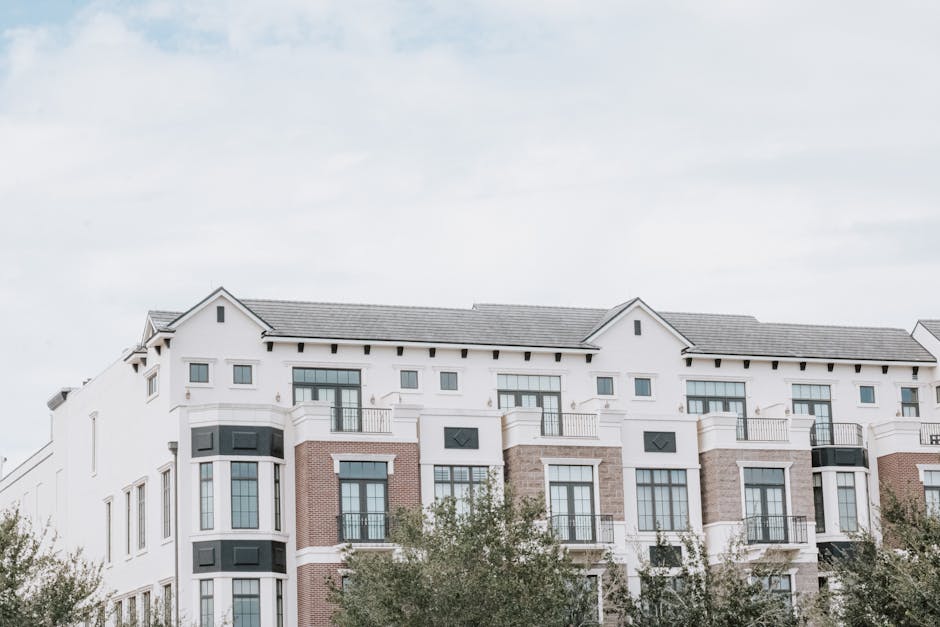
Current inventory data reflects this maturation. With approximately 120 active luxury listings and an average list price exceeding $3.1 million, the market is characterized by a flight to quality. Buyers are no longer settling for generic upgrades; they are demanding architectural significance, advanced home automation, and site-specific designs that maximize the unique coastal topography of the region. This trend toward high-valuation estates is not a localized anomaly but a reflection of Tampa’s growing role as a destination for high-net-worth individuals seeking stability and growth.
While national headlines often focus on volatility, the local luxury sector has demonstrated remarkable resilience. Strategic investments in infrastructure and the expansion of private equity footprints in the downtown core have created a robust floor for property values. As we analyze the most expensive luxury home sales of 2025, as documented by the Tampa Bay Times, it becomes clear that the appetite for top-tier assets remains aggressive, regardless of broader macroeconomic fluctuations.

Waterfront Dominance and the Primary Residence Shift
Waterfront properties have emerged as the primary driver of Tampa’s luxury growth. According to the National Law Review, Tampa’s waterfront is now recognized as a primary luxury market, fueled by buyers who are relocating their businesses and families permanently to the area. This is a critical distinction from previous cycles, where waterfront assets were often viewed as discretionary second homes. The current demand is for properties that can function as full-time family estates, complete with home offices, guest quarters, and extensive outdoor living spaces.
Areas such as Davis Islands and Beach Park are seeing a concentration of this activity. Buyers in these neighborhoods are prioritizing lot size and linear feet of water frontage, recognizing that these are the scarcest assets in the market. The behavior of these buyers is analytical; they are evaluating the cost of new construction versus the acquisition of existing estates, often opting for the latter when the historical or architectural value is irreplaceable. This focus on long-term utility is a hallmark of the current market cycle.
The movement toward primary residence status has also increased the scrutiny of local amenities and services. Luxury buyers are no longer just looking at the four walls of a house; they are evaluating the quality of private education, the proximity of executive airports, and the sophistication of the local culinary and cultural scene. This holistic approach to site selection is driving developers to incorporate more comprehensive lifestyle features into their projects, further elevating the standard of living across the region.
The Early-Stage Luxury Condo Market Opportunity
While single-family estates remain the cornerstone of the market, the luxury condominium sector is entering an intriguing early-stage growth phase. As noted by Tampa Bay Business & Wealth, Tampa remains an early-stage market for high-rise luxury living compared to other major Florida cities. This represents a significant opportunity for buyers who prefer the lock-and-leave lifestyle but still want exposure to the region’s appreciation potential.
New vertical developments are catering to a demographic that values security and service over sheer square footage. Features such as 24-hour concierge service, private elevators, and integrated wellness centers are becoming standard in the new crop of downtown and Bayshore Boulevard developments. These units are often being acquired by downsizers from large suburban estates or professionals who require a high-end base in the city. The pricing for these units is increasingly competitive, reflecting the high costs of construction and the premium placed on prime views.
The integration of luxury retail and dining within these residential towers is also reshaping the urban core. Buyers are looking for environments where they can transition from a work-from-home setting to a high-end social environment without leaving their immediate vicinity. This trend is particularly evident in the Water Street and Westshore districts, where the synergy between residential and commercial assets is creating a new paradigm for luxury living in Tampa.
Strategic Advisor’s Due Diligence Checklist
Navigating a market with a median list price of nearly $2.4 million requires a disciplined approach to due diligence. Beyond the aesthetic appeal of a property, buyers must evaluate the underlying structural and legal frameworks that protect their investment. In a climate where custom builds are common, verifying the quality of past renovations and the reputation of the original builders is paramount.
- Assess waterfront setbacks and riparian rights to ensure future expansion or dockage remains viable.
- Verify the historical preservation status of properties in neighborhoods like Hyde Park to understand renovation limitations.
- Evaluate the proximity and accessibility of executive transit options, including private aviation hubs and major highway arteries.
- Analyze the local school district performance and private academy waitlists as a proxy for long-term neighborhood stability.
- Conduct a comprehensive review of recent comparable sales within the specific neighborhood pocket, rather than relying on broad city-wide averages.
- Investigate the impact of ongoing or planned commercial developments on the immediate residential environment.
By following this framework, buyers can move beyond emotional reactions and make data-backed decisions that align with their broader financial goals. The goal is to identify properties that offer not just immediate utility, but a clear path to long-term appreciation in a maturing market.
Market Resilience Against National Economic Trends
One of the most compelling aspects of the Tampa luxury market is its relative insulation from national real estate cooling. According to reports from The Business Journals, the Tampa Bay luxury market continues to grow stronger even as other regions experience declines. This resilience is attributed to a combination of favorable tax policies, a diversifying economy, and a consistent migration of wealth from high-tax jurisdictions.
Inventory levels, while increasing, remain tight in the most desirable neighborhoods. This scarcity provides a natural buffer against price corrections. Furthermore, the high percentage of cash transactions in the luxury segment reduces the market’s sensitivity to interest rate fluctuations. Buyers at this level are often using real estate as a hedge against inflation, parking capital in tangible assets that offer both utility and prestige. This strategic use of real estate is a key reason why price growth has remained steady despite broader economic uncertainty.
Analyzing current listing data shows that properties priced between $1.5 million and $3 million are moving particularly quickly, often receiving multiple offers within the first few weeks of listing. For example, recent activity on properties like the $2.2 million listing on North Florida Avenue indicates that there is deep demand for well-located assets that offer a balance of modern amenities and neighborhood character. This liquidity is a sign of a healthy, functioning market that rewards properties which are priced accurately and presented professionally.
Cultural Infrastructure and the Luxury Lifestyle
A luxury property is only as valuable as the lifestyle it enables. Tampa has significantly invested in its cultural infrastructure, ensuring that residents have access to world-class events and amenities. From the vintage markets and murder mystery dinners highlighted by Axios to the major festivals and family-centric events detailed by That’s So Tampa, the city offers a diverse social calendar that rivals much larger metropolitan areas.
This social connectivity is a major draw for affluent buyers who are looking for a community that is active and engaged. The proximity to high-end shopping at International Plaza, the luxury dining options along South Howard Avenue, and the professional sports venues in the downtown core create a lifestyle that is both convenient and stimulating. This density of high-end amenities within a relatively small geographic area is a key differentiator for the Tampa market.
Furthermore, the environmental appeal of the region, with its year-round outdoor opportunities, continues to be a primary motivation for relocation. Whether it is boating on the Bay, golfing at championship courses, or enjoying the world-class beaches nearby, the lifestyle here is centered on health and recreation. This focus on wellness is increasingly reflected in the properties themselves, with home gyms, lap pools, and outdoor kitchens becoming standard requirements for the modern luxury buyer.
Strategic Positioning for Buyers and Sellers
In a market defined by high stakes and sophisticated participants, positioning is everything. For buyers, this means having a clear understanding of your non-negotiables and being prepared to act decisively when a property that meets those criteria becomes available. The most desirable homes are often sold before they ever reach the public market, making it essential to work with an advisor who has deep roots in the local community and access to off-market inventory.
For sellers, the current environment requires a more nuanced approach than in years past. Simply listing a property is no longer enough to achieve a record-breaking price. Success in this market requires a combination of strategic pricing, high-end production marketing, and a deep understanding of the global buyer profile. Sellers must be able to articulate the unique value proposition of their property, whether it is its historical significance, its waterfront position, or its potential for future development.
The Tampa luxury market remains a compelling arena for those who understand its nuances. Whether you are looking to acquire a primary residence or a strategic asset, the combination of strong fundamentals and a high quality of life makes this one of the most attractive real estate markets in the country. To navigate this landscape with confidence, we invite you to browse our curated LISTINGS URL or CONTACT URL an advisor today to discuss your specific goals in the Tampa market.
Your next move in Tampa luxury
Get current inventory, pricing guidance, and private-tour support from our brokerage team.
Source highlights
- Tampa’s Price Record Is $22.5 Million. This Huge Estate Is Asking $115 Million. – WSJ
- Tampa Bay’s most expensive luxury home sales of 2025 – Tampa Bay Times
- Tampa Bay luxury market grows stronger despite national declines – The Business Journals
- Why Tampa remains an early-stage luxury condo market – Tampa Bay Business & Wealth
- Florida Trend Real Estate – Florida Trend
- Tampa Bay’s Waterfront Emerges as a Primary Luxury Real Estate Market – The National Law Review
- Things To Do In Tampa This Weekend: Fun Festivals & Events In Tampa This Weekend – That's So Tampa
- Things To Do In St Pete This Weekend: Best Festivals & Events Going On In St Petersburg – I Love the Burg
