


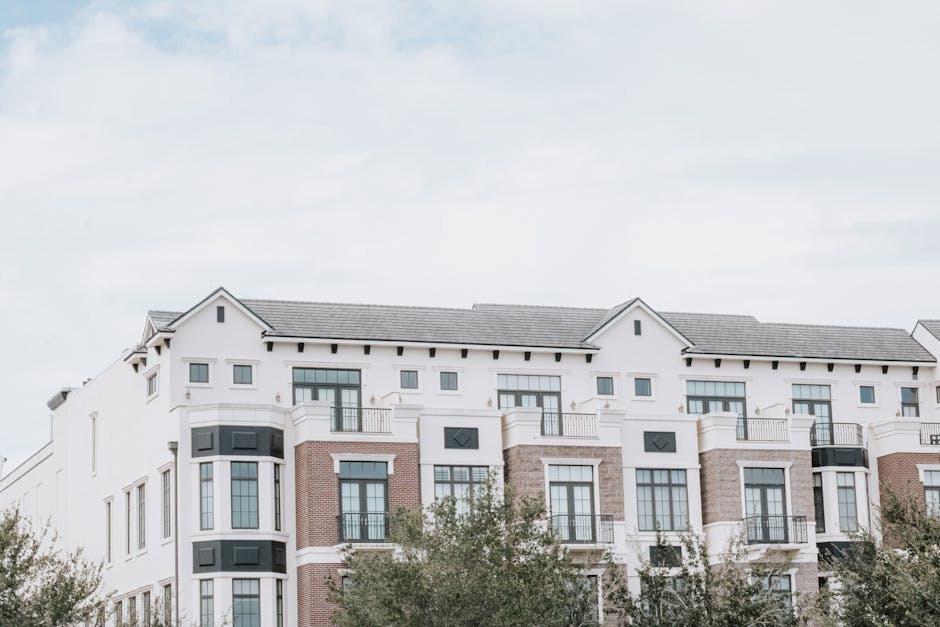
The New Valuation Ceiling: Understanding Tampa’s Price Evolution
The Tampa luxury market is currently undergoing a fundamental structural shift in valuation. Historically, the region was defined by a steady appreciation curve, but recent entries into the inventory have shattered previous expectations of what the market can bear. While the local price record remains at $22.5 million, the introduction of estates asking upwards of $115 million signals a new era of global institutional-grade residential assets. This transition from a regional high-end market to an international luxury destination requires a more nuanced approach to valuation than simple price-per-square-foot metrics.

As of May 2026, the active luxury inventory in Tampa stands at 120 properties, with an average list price exceeding $3.1 million. This concentration of wealth is no longer confined to a single neighborhood but is distributing across established enclaves and emerging corridors. Buyers are moving away from speculative acquisitions, favoring assets with proven architectural pedigree and significant land holdings. The gap between the median list price of $2,388,780 and the top-tier asks indicates a bifurcation where truly unique properties are detached from broader market fluctuations, often trading in private, off-market environments.
Sophisticated advisors now look beyond the local horizon to compare Tampa’s waterfront values against established markets like Miami or Naples. Despite national trends suggesting a cooling in high-end sectors, the Tampa Bay luxury market grows stronger due to a persistent influx of high-net-worth individuals seeking tax-efficient primary residences. This demand is met by a constrained supply of prime lots, particularly along the South Tampa peninsula and the historic streets of Hyde Park.
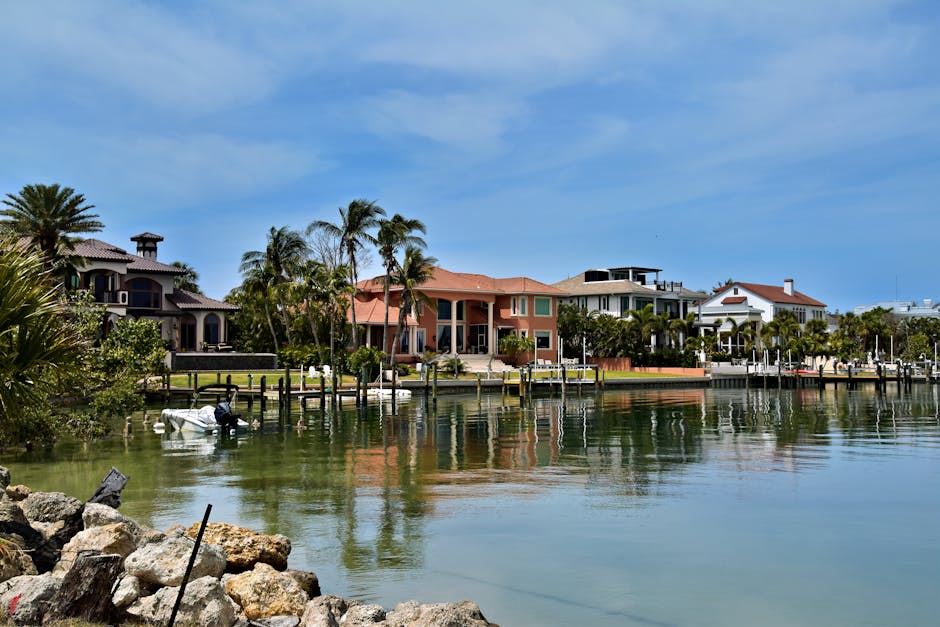
Waterfront Dynamics: Assessing Risk and Scarcity
Waterfront assets remain the primary driver of the Tampa luxury sector, but the criteria for selection have become significantly more rigorous. Buyers are no longer satisfied with mere proximity to the water; they are scrutinizing elevation, seawall integrity, and long-term coastal resilience. The emergence of Tampa’s waterfront as a primary luxury real estate market has shifted the focus from seasonal use to year-round living. This change is reflected in the design of newer builds, which prioritize expansive indoor-outdoor transitions and advanced climate-controlled storage for valuable collections.
The scarcity of buildable waterfront land in areas like Davis Islands and Culbreath Isles has led to a surge in teardown activity. Strategic buyers are often purchasing older structures solely for the underlying land value, recognizing that the dirt itself is the most rapidly appreciating asset in the portfolio. When evaluating these opportunities, it is essential to consider the logistical challenges of modern construction on established islands, where utility upgrades and staging areas can impact project timelines and costs. A senior advisor will prioritize properties with existing, modern infrastructure to mitigate these developmental hurdles.
Market movement in the waterfront segment is also being influenced by a more sophisticated understanding of riparian rights and dockage capabilities. Deep-water access that accommodates larger vessels is becoming a non-negotiable requirement for a specific subset of the buyer pool. Comparing the draft depth and turning basins across different canals in South Tampa reveals significant discrepancies that directly correlate with long-term liquidity. Understanding these hyper-local nuances is critical when placing capital in assets where the water is as much an amenity as the home itself.
The Vertical Shift: Assessing the Luxury Condo Pipeline
Vertical living in Tampa has matured from a secondary option to a first-choice lifestyle for many affluent residents. The current landscape is characterized by an early-stage luxury condo market, offering significant upside for those who recognize the trajectory of the downtown and Water Street corridors. These developments are no longer just about views; they are about an integrated lifestyle that includes 24-hour concierge services, private wellness centers, and curated culinary experiences within the building’s footprint.
For the buyer moving from a large suburban estate, the transition to a penthouse requires a different set of priorities. The focus shifts to floor plate efficiency, acoustic privacy, and the quality of common area finishes. In Tampa, the most successful vertical projects are those that successfully mimic the privacy of a single-family home through features like private elevator lobbies and expansive terraces. As the city skyline continues to evolve, identifying which buildings will maintain their status as legacy assets versus those that will be superseded by the next wave of construction is a critical component of any acquisition strategy.
Inventory in the luxury condo sector remains relatively tight, particularly for four-bedroom layouts which are often in highest demand for families or those transitioning from large homes. The premium for height and western exposure continues to hold firm, as these units offer protected views of Old Tampa Bay and the Gulf of Mexico sunsets. When analyzing the pipeline, investors should look for developers with a proven track record of delivering high-quality finishes and managing complex homeowners’ associations effectively, as these factors ultimately dictate the resale value in a competitive market.
Historic vs. Modern: Where Tangible Value Resides
Tampa offers a unique juxtaposition of historic charm and cutting-edge modernism. In neighborhoods like Hyde Park and Old Seminole Heights, historic preservation remains a key driver of value. Buyers in these areas are often looking for the craftsmanship of a bygone era—original hardwood floors, intricate crown molding, and expansive wrap-around porches—updated with the plumbing, electrical, and HVAC systems required for modern comfort. These properties offer a level of character and established landscaping that new construction simply cannot replicate, making them highly desirable legacy assets.
Conversely, the modern luxury sector is dominated by sleek, minimalist designs that prioritize technology and efficiency. These homes, often found in newer pockets or as infill projects in South Tampa, feature smart-home integration, high-performance glazing, and open floor plans designed for large-scale entertaining. The value in these properties lies in their turnkey nature and adherence to the latest building codes, which can result in significantly lower insurance premiums—a major consideration in the Florida market. Sophisticated buyers often weigh the emotional appeal of a historic estate against the practical advantages of a new-build residence.
Current inventory showcases these two worlds perfectly, with listings such as the modern aesthetic at 6304 N Florida Avenue or the more traditional commercial-scale opportunities at 718-722 W Martin Luther King Jr Boulevard. Deciding between these paths requires a clear understanding of one’s long-term goals. While historic homes may offer more stable appreciation due to their fixed supply, modern homes often command higher rents and faster turnover. A balanced portfolio might include elements of both, leveraging the strengths of each architectural style to hedge against shifts in buyer preference.
The Checklist: Evaluating High-Ticket Acquisitions
- Verify the structural integrity and elevation of the seawall for all waterfront properties to ensure compliance with modern standards.
- Review the last five years of capital expenditures for estates over 5,000 square feet to anticipate upcoming maintenance requirements.
- Assess the neighborhood’s tree canopy and setbacks, as these factors significantly impact both privacy and property cooling costs.
- Confirm the age and efficiency of all HVAC systems, particularly those servicing wine cellars or specialized media rooms.
- Evaluate the proximity to private aviation facilities and elite educational institutions, which remain key drivers for secondary market liquidity.
- Analyze recent comparable sales within a two-mile radius, focusing on properties with similar lot sizes and water frontage.
Buyer Behavior: Speed vs. Diligence in Current Inventory
In the current environment, the most successful buyers are those who combine rapid decision-making with exhaustive due diligence. While the pace of the market has stabilized compared to the frenzy of previous years, high-quality inventory still moves quickly. This is particularly true for properties priced between $2 million and $5 million, where competition from domestic relocations remains intense. To secure a premier asset, buyers must be prepared with a clear understanding of their financing structure or a verified proof of funds for cash acquisitions, which continue to dominate the upper echelon of the market.
Diligence, however, should never be sacrificed for speed. The complexity of high-end estates—often featuring intricate home automation, multiple pool systems, and specialized building materials—requires a specialized inspection team. A senior advisor will ensure that the due diligence period allows for a deep dive into not just the physical structure, but also any deed restrictions, easements, or zoning changes that could affect future development. In Tampa, where land use is increasingly dense, understanding the potential for neighboring construction is vital to protecting one’s privacy and view corridors.
Interestingly, we are seeing a trend where buyers are increasingly willing to wait for the “perfect” property rather than settling for an asset that requires significant renovation. The cost and timeline for high-end construction have made move-in-ready homes more valuable than ever. This shift has created a premium for renovated historic homes and new construction alike. For sellers, this means that investing in high-quality staging and minor aesthetic updates can result in a significantly higher return and a shorter time on the market. For buyers, it means recognizing that a higher purchase price for a turnkey home may be more economical than a lower-priced project with an uncertain renovation budget.
Future Outlook: Sustaining Value Beyond the Hype
Looking toward the remainder of 2026 and into 2027, the Tampa luxury market is positioned for sustained growth rather than a volatile bubble. The diversification of the local economy—led by sectors such as healthcare, technology, and finance—provides a stable foundation for high-end residential demand. This economic depth, combined with the region’s high quality of life and favorable tax climate, continues to attract wealth from across the United States. While the astronomical asks like the $115 million estate grab headlines, the core strength of the market lies in the steady demand for well-located, high-quality homes in the $3 million to $10 million range.
Long-term value retention in Tampa will be driven by property location and the quality of the surrounding community. As the urban core becomes more dense, neighborhoods that offer a balance of walkability and residential privacy will remain the most sought-after. Understanding the trajectory of local infrastructure projects, such as improvements to the Riverwalk or the expansion of boutique retail corridors, is essential for identifying the next high-appreciation pocket. Investors should focus on assets that offer a unique competitive advantage, whether it be an oversized lot, rare architectural style, or protected waterfront access.
Navigating this landscape requires more than just access to the MLS; it requires a strategic partnership with an advisor who understands the nuances of the Tampa market. Whether you are looking to acquire a legacy waterfront estate or a sophisticated vertical residence, the key to success lies in detailed analysis and a clear-eyed view of current market dynamics. To explore the most exclusive opportunities currently available, we invite you to browse our curated listings and discover the depth of the current inventory. For a private consultation regarding your specific real estate objectives, please contact an advisor to discuss your requirements in detail.
Your next move in Tampa luxury
Get current inventory, pricing guidance, and private-tour support from our brokerage team.
Source highlights
- Tampa’s Price Record Is $22.5 Million. This Huge Estate Is Asking $115 Million. – WSJ
- Tampa Bay’s most expensive luxury home sales of 2025 – Tampa Bay Times
- Tampa Bay luxury market grows stronger despite national declines – The Business Journals
- Why Tampa remains an early-stage luxury condo market – Tampa Bay Business & Wealth
- Florida Trend Real Estate – Florida Trend
- Tampa Bay’s Waterfront Emerges as a Primary Luxury Real Estate Market – The National Law Review
- Things To Do In Tampa This Weekend: Best Festivals & Events Going On – That's So Tampa
- 40+ Best Things to Do in Tampa Bay this Month: Events and MORE! – Tampa Bay Date Night Guide
