


Current Dynamics of the Tampa Luxury Sector
The Tampa luxury market continues to demonstrate localized resilience, even as broader national trends show signs of cooling. For high-net-worth individuals, the current environment is defined by a shift from rapid appreciation to a more measured, analytical phase. As of May 2026, the inventory of luxury homes remains curated, with approximately 120 active listings commanding a median price near $2,388,780. This concentration of value reflects a fundamental scarcity of prime assets, particularly in established waterfront corridors and historic districts where lot availability is negligible.
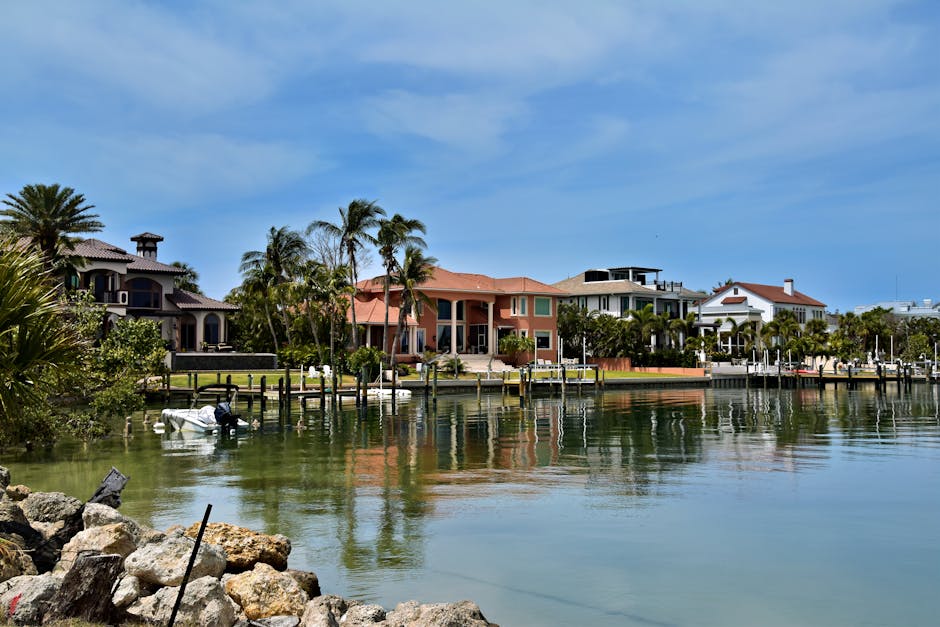
Strategic buyers are increasingly looking at high-signal indicators, such as the entry of ultra-luxury estates that redefine local pricing ceilings. A notable example is the emergence of massive estates on Davis Islands, where asking prices have reached unprecedented levels, far surpassing previous records. According to reports from the Wall Street Journal, the ceiling for Tampa real estate is being tested by properties listed well over $100 million, suggesting a deep confidence in the long-term viability of the region among global capital holders. This upward pressure at the very top of the market creates a stabilizing effect for properties in the $2 million to $5 million range.
Understanding the current movement requires looking beyond simple averages. While the average list price hovers around $3,147,389, the true market velocity is found in properties that offer specific structural advantages: modern elevation, updated mitigation features, and proximity to the urban core. For the sophisticated buyer, the focus has shifted from mere square footage to the underlying quality of the build and the permanence of the location. The decision-making process now involves a rigorous comparison of traditional South Tampa estates against the emerging vertical luxury options in the downtown and Water Street districts.
Strategic Selection in South Tampa Neighborhoods
Neighborhood selection in Tampa is no longer just about prestige; it is about risk management and lifestyle integration. Hyde Park and Davis Islands remain the primary targets for long-term stability. Hyde Park offers a historic character that is increasingly difficult to replicate, while Davis Islands provides the city’s premier waterfront experience. However, buyers must navigate the nuances of historic preservation and strict building codes that govern these areas. Proactive investors are looking for opportunities where modern luxury can be seamlessly integrated into these established settings, such as current offerings in the listings of luxury homes for sale that balance contemporary amenities with classic aesthetics.
Buyer behavior has become more discerning regarding lot value and land utility. We are seeing a trend where traditional residential properties, such as those near Florida Avenue listed around $2.2 million, are being evaluated alongside larger land parcels for potential custom development. The Tampa Bay Times has recently highlighted how the most expensive sales of the year are often defined by their land position and privacy rather than just the structure itself. In neighborhoods like Beach Park and Culbreath Isles, the focus is on securing the asset first, with the understanding that the structure can be modified, but the location is finite.
Furthermore, the movement within South Tampa is being influenced by infrastructure improvements and the expansion of the Westshore business district. Buyers who once strictly looked at the Bayshore corridor are now exploring Sunset Park and Palma Ceia for larger lots and more privacy. This migration is driven by a desire for a balanced lifestyle that minimizes commute times to private aviation hubs while maintaining access to the social and cultural offerings of the downtown core. The market is rewarding those who take a broader view of the South Tampa landscape, identifying value in pockets that are poised for further institutional investment.
The Rise of Vertical Luxury and Condo Infrastructure
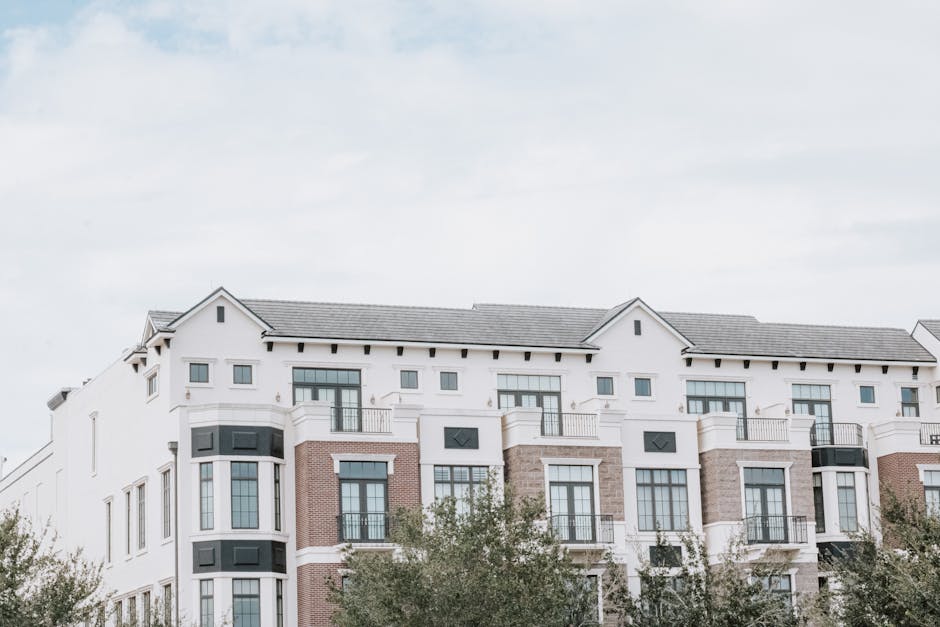
A significant shift in the Tampa market is the maturation of the luxury condominium sector. Historically, Tampa was viewed as a detached-home market, but the introduction of high-rise developments with concierge services and integrated wellness facilities has changed the calculus for many buyers. This segment is particularly attractive to those looking for a lock-and-leave lifestyle without sacrificing the scale of a traditional estate. As noted by Tampa Bay Business & Wealth, Tampa remains an early-stage luxury condo market compared to South Florida, which presents a strategic entry window for buyers seeking high-end vertical living with long-term upside.
The infrastructure surrounding these new developments is a critical factor in their success. Water Street and the Channel District have transitioned from industrial zones to sophisticated urban environments that rival major international cities. For a buyer, comparing a penthouse in a new tower against a historic bungalow in Hyde Park requires a different set of evaluation criteria. In the condo market, the emphasis is on the reputation of the developer, the depth of the amenity package, and the long-term management of the homeowners association. These factors are becoming just as important as the views of Hillsborough Bay.
Despite the growth in high-rise options, the inventory remains relatively tight. The demand for units that offer 3,000 square feet or more is consistently outpacing supply. This scarcity has led to a robust pre-construction market where the most desirable units are often committed long before the building is topped out. For buyers who prioritize modern floor plans and the latest in smart-home technology, the vertical market provides a compelling alternative to the renovation requirements of many older South Tampa estates. It is a sector that requires professional guidance to navigate developer reputations and future phase impacts.
Checklist: Essential Due Diligence for Tampa Estates
Before proceeding with a high-value acquisition, buyers must verify several critical components that are unique to the coastal and historic nature of the Tampa landscape. These steps ensure that the investment is protected from both structural and regulatory perspectives.
- Verify seawall integrity and remaining life expectancy on all waterfront properties.
- Assess flood mitigation and base flood elevation relative to the latest FEMA requirements.
- Review historic preservation restrictions for properties in the Hyde Park and Seminole Heights corridors.
- Confirm the status of all active and expired permits for previous renovations or additions.
- Evaluate insurance carrier availability and current premium structures for the specific asset class.
- Analyze the proximity to planned infrastructure projects that may impact privacy or access.
Analyzing Inventory and Pricing Thresholds
The current list of 120 luxury assets in Tampa provides a diverse array of opportunities, but it also demands a higher level of scrutiny. We are seeing a clear divide between legacy properties that require significant capital injection and turn-key estates that are ready for immediate occupancy. The pricing thresholds reflect this; properties that have been fully modernized are commanding a significant premium, while those with dated systems are seeing longer days on market. This creates a strategic opening for buyers with a construction background or a trusted design team who can see the value in a well-located but aesthetically dated asset.
Market data from Florida Trend indicates that the luxury segment in the state is benefiting from a continued influx of wealth from the Northeast and Midwest. In Tampa, this migration is particularly focused on areas that offer a combination of elite private education and high-end retail. The concentration of wealth in neighborhoods like Sunset Park and Bayshore Beautiful is not just a trend; it is a fundamental restructuring of the city’s economic map. Buyers should look at the median list price of $2.38M as a baseline for entry into the true luxury tier, with the understanding that the most competitive properties will often trade above this level.
Inventory movement also reveals a growing interest in non-traditional luxury assets, such as commercial-residential hybrid properties or large land tracts for multi-generational compounds. For example, a recent listing of land on MLK Boulevard for $2.9 million demonstrates the value placed on development potential in strategic locations. This analytical approach to real estate—viewing it as a multifaceted asset rather than just a home—is becoming the hallmark of the successful Tampa buyer. It requires a move away from emotional decision-making toward a strategy based on land utility and future demand.
Emerging Residential Corridors and Development Trends
As the primary South Tampa neighborhoods reach saturation, new corridors are beginning to emerge as viable luxury destinations. The North Franklin and Tampa Heights areas are seeing a wave of sophisticated redevelopment that appeals to a younger, design-conscious demographic. This expansion is being led by experienced real estate professionals who recognize that the definition of luxury is evolving to include walkability and creative urban design. According to citybiz, new specialized teams are launching in the region to specifically address this niche, focusing on premier properties that offer a different aesthetic than the traditional Mediterranean-style villa.
This trend is also visible in the types of amenities being prioritized in new construction. We are seeing a move away from formal dining rooms toward expansive outdoor living spaces, professional-grade kitchens, and dedicated wellness suites. The modern Tampa luxury home is designed to function as a private resort, a necessity in a climate where outdoor living is possible year-round. Even with the occasional May rain, the focus remains on blurring the lines between indoor and outdoor environments. The demand for these features is driving a new wave of custom builds that are pushing the architectural boundaries of the city.
Furthermore, the integration of technology is no longer optional. Luxury buyers expect integrated systems that manage lighting, climate, and security from a single interface. However, the most successful implementations are those that remain discreet, prioritizing ease of use over complexity. This focus on functional luxury is a key differentiator in the 2026 market. Buyers are looking for homes that enhance their lives through thoughtful design rather than just impressive statistics. It is an evolution toward a more European sensibility of quality over quantity, where the finish level and the flow of the space are paramount.
The Decision Framework for 2026 Acquisitions
Deciding when and where to acquire property in the current market requires a clear framework. The first step is to distinguish between lifestyle-driven purchases and pure investment vehicles. In a market with a median price above $2 million, every purchase must be viewed through a financial lens, but the most successful acquisitions are those that align with the buyer’s long-term objectives. Whether it is attending a vintage market or a gala event downtown, as detailed in recent Axios Tampa reports, the integration into the local community is a key component of the value proposition.
The second step is to engage with the market from a position of data. Understanding the absorption rate of luxury condos versus single-family homes on Davis Islands allows a buyer to negotiate from a place of strength. With 120 active listings, there is choice, but the best assets move quickly. Professional advisory is essential to identify these high-signal properties before they are widely marketed. The goal is to move beyond the superficial aspects of a home and understand its true market position, including its future resale potential and its vulnerability to neighborhood shifts.
Ultimately, the Tampa luxury market in 2026 is one of opportunity for those who are prepared. The combination of strong economic fundamentals, a high quality of life, and a stabilizing inventory creates an environment where long-term wealth can be preserved and grown through real estate. Success requires a commitment to due diligence, a clear understanding of neighborhood-level dynamics, and a willingness to act when the right asset appears. To begin your search or to discuss a specific acquisition strategy, we invite you to browse our current listings and contact an advisor to schedule a private consultation. Our team provides the analytical brief and market-level implications necessary for informed decision-making in the Tampa high-end sector.
Your next move in Tampa luxury
Get current inventory, pricing guidance, and private-tour support from our brokerage team.
Source highlights
- Tampa Bay’s most expensive luxury home sales of 2025 – Tampa Bay Times
- Tampa’s Price Record Is $22.5 Million. This Huge Estate Is Asking $115 Million. – WSJ
- Why Tampa remains an early-stage luxury condo market – Tampa Bay Business & Wealth
- Tampa Bay luxury market grows stronger despite national declines – The Business Journals
- Florida Trend Real Estate – Florida Trend
- New Signature Real Estate Team Emerges Across Tampa Bay: The Nick Janovsky Group Launches with Premier Sotheby’s International Realty – citybiz
- Things To Do In Tampa This Weekend: Best Festivals & Events Going On – That's So Tampa
- 40+ Best Things to Do in Tampa Bay this Month: Events and MORE! – Tampa Bay Date Night Guide
