


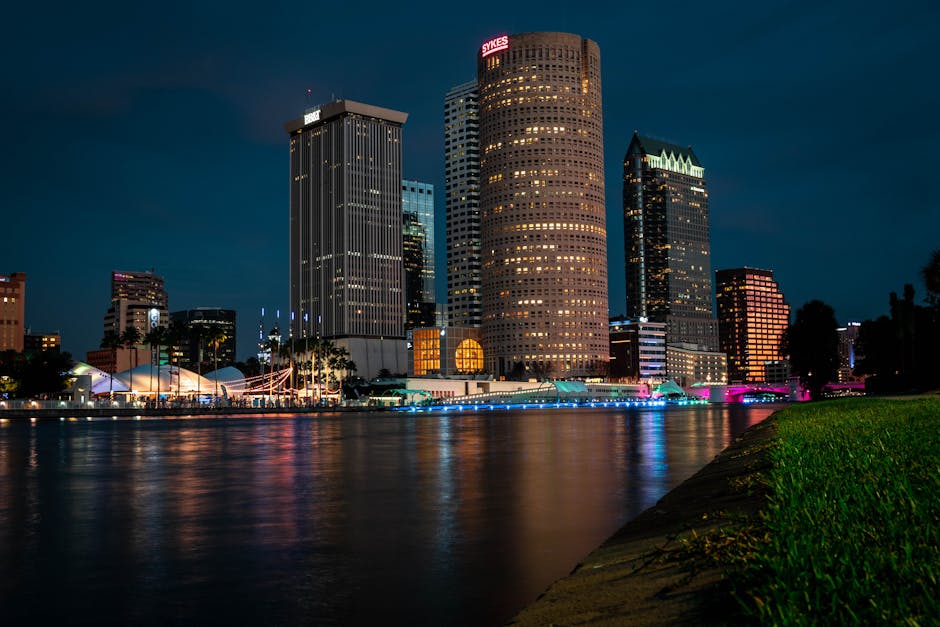
The Transition to a Primary Luxury Market
The transition of Tampa from a regional hub to a primary destination for high-net-worth individuals is no longer a speculative trend; it is a fundamental market shift. Historically viewed as a secondary market for seasonal residents, the local landscape has matured into a year-round destination for institutional capital and corporate relocations. This movement is characterized by a significant increase in the complexity of luxury assets and a buyer demographic that prioritizes long-term utility over short-term speculation. The current inventory reflects this maturity, with properties increasingly designed to accommodate sophisticated home offices, multi-generational living, and advanced climate-resilient architecture.
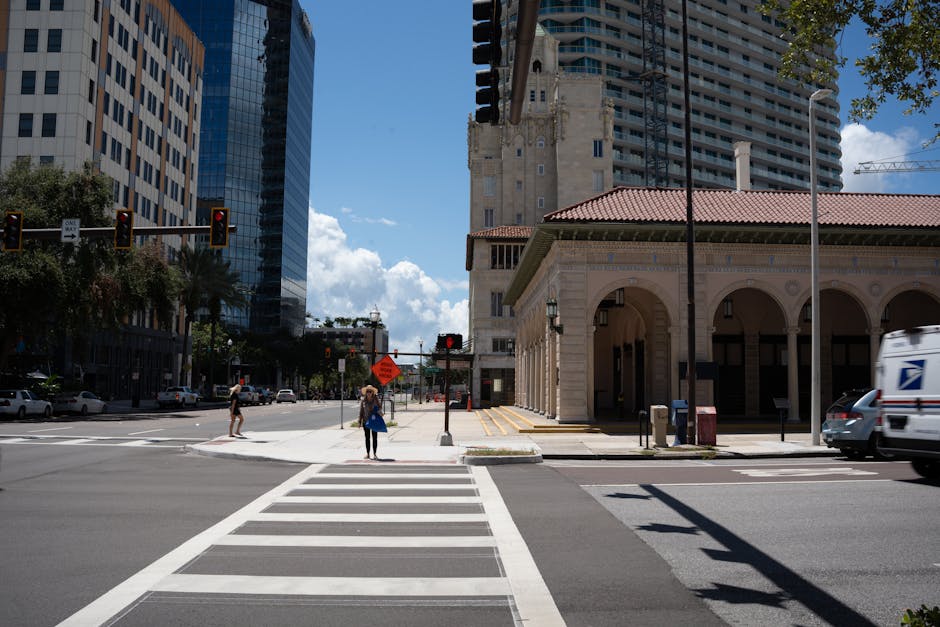
As of May 2026, the luxury segment remains resilient even as other national markets experience cooling periods. Data suggests that Tampa Bay’s luxury market grows stronger despite national declines, driven by a persistent supply-demand imbalance in the most desirable neighborhoods. With approximately 120 active luxury listings and a median list price hovering near $2,388,780, the competition for trophy assets remains high. Buyers are no longer just looking for a residence; they are looking for a secure anchor in a metropolitan area that continues to outperform its peers in job growth and infrastructure investment.
Waterfront Assets and Riparian Rights
Waterfront inventory continues to be the most aggressive driver of value in the Tampa region. The emergence of the waterfront as a primary market is well-documented, as high-end buyers shift their focus from traditional inland estates to sophisticated coastal and bayfront properties. This shift is not merely aesthetic; it is a strategic allocation of capital toward limited-supply geography. According to recent analysis by The National Law Review, Tampa Bay’s waterfront has emerged as a primary luxury real estate market, requiring buyers to pay closer attention to riparian rights, sea wall integrity, and elevation certificates than ever before.
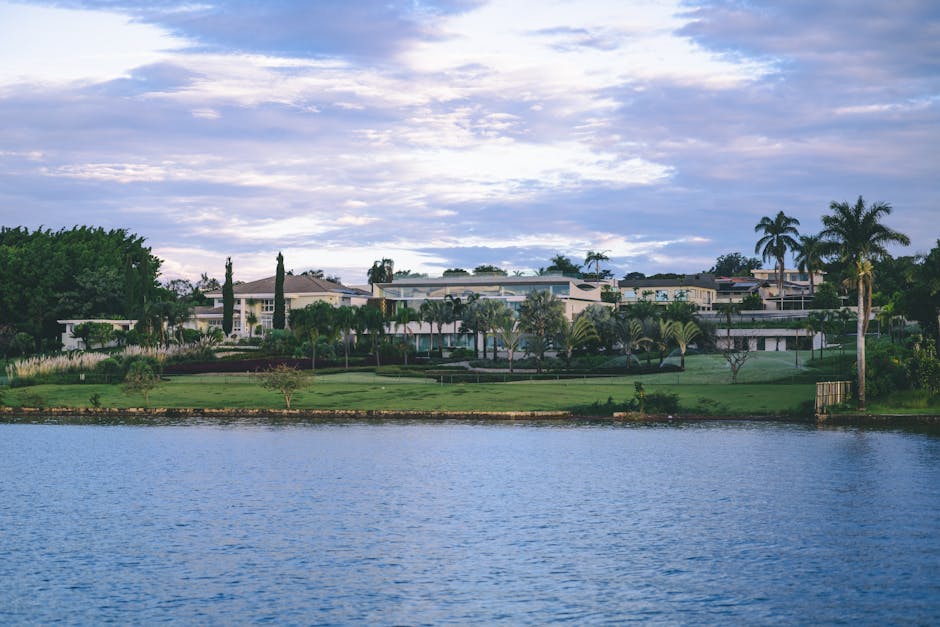
In neighborhoods like Davis Islands and Beach Park, the demand for deep-water access remains the primary motivator for transactions exceeding the $5 million threshold. Buyers are increasingly discerning regarding the age of maritime infrastructure and the feasibility of accommodating larger vessels. We are seeing a trend where older structures are being acquired primarily for their lot value, with buyers planning ground-up builds that maximize the view corridors of the Hillsborough Bay. This focus on long-term structural viability is a hallmark of the current market cycle, where the utility of the land often outweighs the sentimental value of existing architecture.
The Vertical Shift: Condo Maturity in the Urban Core
The urban core of Tampa is undergoing a vertical transformation that mirrors the development patterns of Miami and New York. While the single-family estate remains the traditional preference, a new class of buyer is gravitating toward high-service luxury condominiums. This segment is still in its early stages compared to more established coastal cities, providing a unique entry point for those seeking a lock-and-leave lifestyle without sacrificing the amenities of a large estate. Research from Tampa Bay Business & Wealth highlights why Tampa remains an early-stage luxury condo market, suggesting significant headroom for appreciation as more mixed-use developments come online.
These developments, particularly those situated near Water Street and the Channel District, are attracting a demographic that values walkability and proximity to cultural institutions. The concierge services and private wellness centers integrated into these buildings are designed to replicate the privacy of a detached home while offering a level of security and maintenance-free living that is difficult to achieve in a sprawling estate. For the strategic buyer, evaluating these vertical assets requires a different set of metrics, focusing on association health, reserve studies, and the long-term viability of the surrounding commercial tenants.
Critical Evaluation Framework for 2026 Acquisitions
Acquiring a high-value asset in the current environment requires a more rigorous due diligence process than in previous years. The premium placed on new construction and renovated properties has created a wide pricing gap between move-in ready homes and those requiring modernization. Sophisticated buyers are now benchmarking their offers against a variety of metrics, including climate resilience and digital infrastructure. Before committing to a transaction, we recommend a comprehensive review of the following factors to ensure the asset aligns with both personal requirements and institutional-grade standards.
- Verification of structural resilience and current flood mitigation systems.
- Assessment of riparian rights and the condition of existing sea walls or docks.
- Comparative analysis of price-per-square-foot trends within specific neighborhood pockets.
- Review of private amenity access and proximity to emerging commercial corridors.
- Examination of historical appreciation and local zoning stability.
- Evaluation of home automation systems and high-speed connectivity capabilities.
By applying this framework, buyers can move beyond the surface-level aesthetics of a property and understand its true position within the local ecosystem. Whether considering a modern residence on North Florida Avenue or a significant tract of land on North Grady Avenue, the goal is to identify value that persists regardless of broader market fluctuations.
Neighborhood Dynamics: South Tampa to Beach Park
The micro-markets within Tampa continue to show divergent behaviors. South Tampa remains the epicenter of high-end activity, where proximity to top-tier educational institutions and private clubs creates a perpetual floor for property values. However, we are observing a migration of interest toward Beach Park and Culbreath Isles, where larger lot sizes allow for more expansive floor plans and greater privacy. In these areas, the average list price of $3,147,389 reflects the premium placed on acreage and exclusivity. Buyers in these pockets are often looking for estates that can serve as private compounds, complete with detached guest quarters and elaborate outdoor living spaces.
Simultaneously, the revitalization of areas such as Old Seminole Heights and the peripheries of the urban core is attracting buyers who appreciate architectural character and larger historical footprints. While these areas may not command the same price-per-square-foot as Davis Islands, they offer a different value proposition based on heritage and the potential for significant long-term appreciation as the city’s footprint expands. Navigating these nuances requires an advisor who understands not just the data, but the social and economic drivers that define each specific street and cul-de-sac.
Institutional Benchmarks and Record-Breaking Estates
The upper echelon of the Tampa market is being redefined by record-breaking listings that signal a new level of confidence in the region’s luxury ceiling. The news of a massive estate asking $115 million, as reported by the Wall Street Journal, sets a new benchmark for what is possible in Tampa Bay. While such transactions are outliers, they serve as institutional proof of concept for the region’s ability to support ultra-high-net-worth residency. This level of investment often precedes further luxury development, as high-end retailers and services follow the concentration of wealth.
For the typical luxury buyer in the $2 million to $10 million range, these headline-grabbing numbers provide a degree of psychological comfort. They indicate that the ceiling is rising, which in turn supports the valuation of properties in the lower tiers of the luxury segment. Monitoring these high-profile sales is essential for understanding the overall health of the market, as they often dictate the appraisal trends and buyer expectations for the following quarters. The sophistication of the Tampa market is now comparable to more traditional luxury bastions, offering a compelling alternative for those seeking value without compromising on lifestyle or connectivity.
Strategic Timing and the Decision Framework
Deciding when to enter the market or exit a position requires a dispassionate look at the macro-economic environment and local inventory levels. With current inventory remaining relatively lean, those who identify a property that meets 80% or more of their criteria are often better served by moving decisively rather than waiting for a market correction that may not materialize in the premium segment. The local social calendar, including concerts, festivals and downtown family fun, continues to draw attention to the city’s high quality of life, further fueling the migration patterns that support these valuations.
Ultimately, the most successful acquisitions are those executed with a clear understanding of the asset’s role in a broader portfolio. As we look toward the remainder of 2026, the emphasis should remain on quality, location, and structural integrity. For those ready to explore the current landscape and evaluate the most exclusive opportunities currently available, we invite you to browse our curated listings of exceptional properties. To discuss a specific acquisition strategy or to receive a private market briefing tailored to your objectives, please contact an advisor today. Our focus is on providing the analytical depth required to navigate the Tampa luxury market with confidence and precision.
Your next move in Tampa luxury
Get current inventory, pricing guidance, and private-tour support from our brokerage team.
Source highlights
- Tampa’s Price Record Is $22.5 Million. This Huge Estate Is Asking $115 Million. – WSJ
- Tampa Bay’s most expensive luxury home sales of 2025 – Tampa Bay Times
- Tampa Bay luxury market grows stronger despite national declines – The Business Journals
- Why Tampa remains an early-stage luxury condo market – Tampa Bay Business & Wealth
- Tampa Bay’s Waterfront Emerges as a Primary Luxury Real Estate Market – The National Law Review
- Jennifer Zales Unveils Venetian Isles Waterfront Luxury Now Offered At A New Price – Haute Living
- Things To Do In Tampa This Weekend: Best Festivals & Events Going On – That's So Tampa
- Tampa weekend events: Vintage market, murder mystery dinner and more – Axios
